What to expect on bed bug heat treatment day is best understood as a sequence of checks and decisions, rather than a fixed appointment with a promised finishing time. For UK households, the useful questions are practical: how will the team arrive, what needs confirming before heating starts, how will treatment be monitored, and what information should you receive before returning? Bed Bug Heat Control UK uses unmarked vans and chemical-free, controlled professional heat at 60–65°C. Its single-day process is subject to property assessment, so your arrangements should allow for the plan to be confirmed rather than assumed. This guide concentrates on the day itself, from arrival through to written handover. It does not replace your property-specific preparation instructions or the separate advice you receive about belongings, access and aftercare.
Before arrival: agree access without assuming a finish time
Before the treatment date, establish who will meet the team and who can authorise decisions about the agreed work. Give the provider a reliable contact number for that day. If another household member is handling access, make sure they have the preparation instructions and understand any unresolved questions, rather than relying on messages passed hurriedly at the door.
Ask what arrival arrangements have been agreed and how you will hear about any change. The business opening hours, 7am–10pm Monday–Sunday, are enquiry hours, not a promise that a particular treatment will start or finish at those times. Keep the appointment details separate from general opening information when explaining the plan to everyone at home.
Arrange your day around the assessed treatment plan, not a hoped-for return before a school run or another appointment. If you have an unavoidable deadline, disclose it before work begins. Ask whether it affects the proposed arrangements; do not assume the team can shorten treatment or authorise access early to accommodate it.
Unmarked vans: discreet arrival still needs practical access
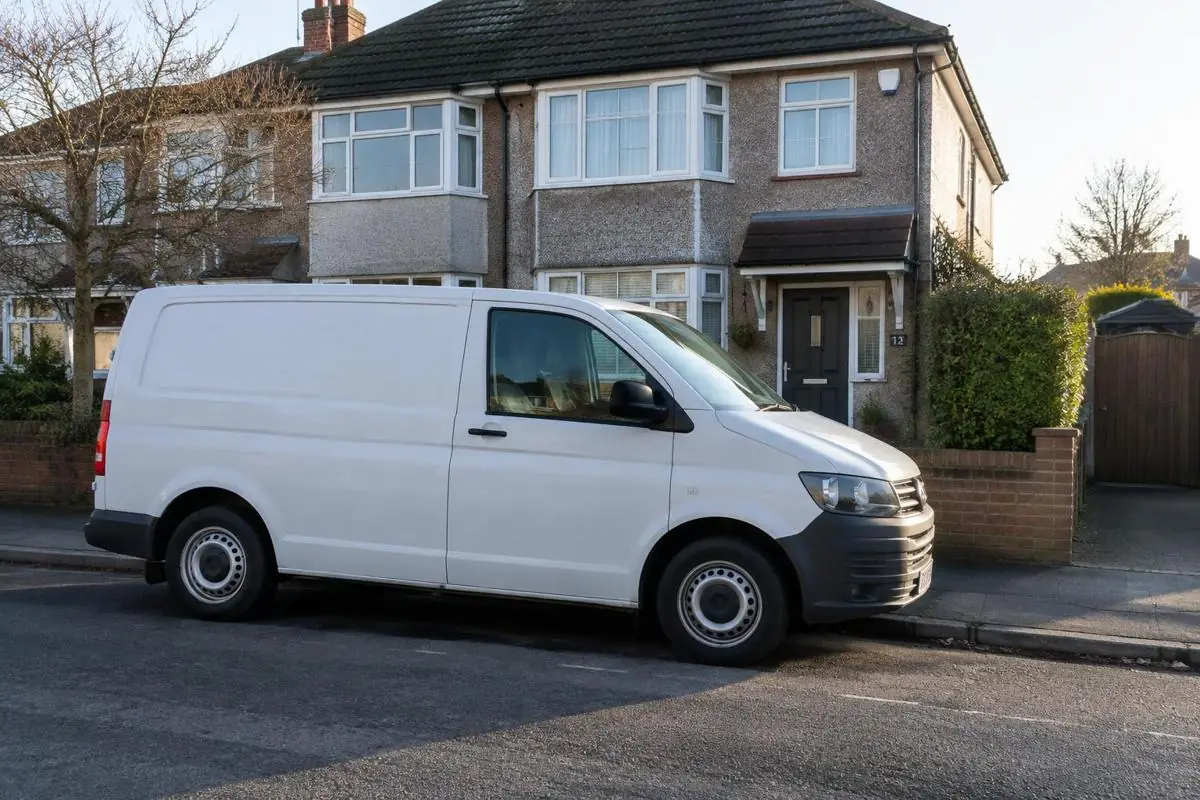
Bed Bug Heat Control UK arrives in unmarked vans. That is a useful practical detail for households concerned about conspicuous branding outside their home. It does not mean equipment movement will be invisible, or that nobody will notice a visit. If discretion matters, discuss your concerns beforehand without expecting a promise about what neighbours may observe.
Confirm where the team should arrive and how they will reach the property. For a flat, explain any entry system or shared entrance arrangements that could prevent access. Keep this conversation factual: the aim is to avoid delays and misunderstandings, not to arrange treatment in shared areas that have not been assessed or agreed.
At the door, identify the household contact and check that both sides understand which property and areas are being considered. If parking or access differs from what you described, say so immediately. A short arrival conversation is more useful than leaving the team to discover an obstacle after equipment has started moving towards the treatment area, particularly where access routes are shared.
The arrival assessment: confirm the plan before heating
The property assessment is the point at which assumptions need to become explicit. Ask the team to confirm the proposed treatment scope and whether the condition of the home matches the information supplied beforehand. A property-specific quote should not be treated as permission to extend work into additional rooms without discussing what that change means.
Show the team any relevant changes since your enquiry, including rooms now in use or belongings whose suitability remains uncertain. You do not need to make your own technical judgement about whether these changes matter. Your role is to give accurate information so the provider can explain whether the planned approach remains appropriate before treatment starts.
If there is uncertainty about the underlying pest evidence, raise it rather than presenting bites as proof. NHS information notes that bites can be grouped, but bites alone cannot identify bed bugs. This is not the moment for another exhaustive household inspection; it is a decision point about whether the evidence and agreed treatment plan have been adequately discussed.
Continue the topic: Monitoring after heat treatment: signs, records and next steps
Unfinished preparation: disclose it instead of improvising
When the team arrives, say plainly if a preparation instruction has not been completed or understood. An honest explanation gives the provider a chance to assess the consequences. Concealing an unfinished task because you fear delaying the appointment can leave both sides working from different assumptions about what is ready and what still needs attention.
Point out heat-sensitive belongings you have already queried and anything newly identified. Ask who should decide what happens next and whether a change affects the treatment scope. Avoid making a last-minute circuit of the home moving possessions between rooms: care and containment matter, and hurried relocation can complicate the agreed plan rather than solve the problem.
Do not compensate for incomplete preparation by switching on household heaters or applying an unrequested product. EPA technical guidance describes bed bug control as complex and warns against DIY space-heater treatment. These are US technical references, not UK law, but the practical distinction is relevant: professional assessment and controlled treatment are not interchangeable with improvised household heating.
Before leaving: establish the day’s communication rules
Before treatment starts, ask who may remain where, when household members must leave any treatment area, and how access will be controlled. Get instructions that apply to your home rather than borrowing arrangements from somebody else’s appointment. Children, pets, visitors and anyone holding a spare key need to be accounted for in the household’s communication plan.
Choose one main contact for updates, with a backup if that person may be unavailable. Explain any periods when you cannot answer calls and agree how messages will be handled. A missed call should not leave the provider unsure who can respond to a question about access, possessions or a proposed change to the work.
Make clear that nobody should return simply because a predicted finishing time has passed. Ask how permission to return will be communicated and what to do if you need something unexpectedly. If an essential item has been left behind, contact the team first rather than entering the treatment area to retrieve it without their agreement.
During heating: ask what monitoring will establish
Bed Bug Heat Control UK describes its method as chemical-free, controlled professional heat at 60–65°C. That temperature range is not a household instruction or, by itself, evidence that every relevant location has received suitable treatment. Ask how the team will monitor the work and how observations during treatment inform its decisions about the assessed property that day.
Useful questions include where conditions will be checked, how less accessible parts of the agreed area are considered, and how the team responds if monitoring indicates a concern. The purpose is not to direct equipment placement yourself. It is to understand why the process depends on professional oversight rather than merely reaching a displayed room temperature.
EPA guidance supports professionally monitored heat and warns that household heating is not reliable for this purpose. Avoid translating that into a promise that professional heat cannot fail. On the day, the meaningful distinction is between a controlled, assessed process and an improvised one; your handover questions should address what was actually treated and any limitations identified.
For a property-specific assessment, see our bed bug heat treatment in Norfolk. Share your postcode and property details so the team can confirm coverage and availability.
Single-day treatment: clarify changes without demanding shortcuts
The stated single-day process is subject to property assessment. Treat that qualification as part of the plan, not as small print to set aside once the appointment begins. Ask whether the assessment supports the expected arrangements and whether anything identified on arrival changes the work that can reasonably be undertaken within those arrangements for your home.
If the team proposes a change, ask for a clear explanation of what has changed, why it matters and what decision is needed from you. Distinguish a revised expectation from a confirmed instruction. For example, an update about progress is not necessarily permission to return, and a discussion about additional areas is not automatically an agreed extension.
Avoid asking for monitoring or other necessary parts of the process to be shortened to meet a personal deadline. Instead, explain the practical problem and ask what options remain appropriate. Keep anyone collecting children, looking after pets or providing somewhere to wait informed, without turning a provisional update into a guaranteed completion time for the wider household.
Returning home: separate completion from permission to enter
At the end of the active treatment stage, ask the provider to explain the return arrangements specifically. Do not infer that the home is ready for normal use because equipment is being moved or the van is being loaded. The relevant instruction is the one given for your property, including any restrictions that still apply.
Confirm whether everyone in the household can return under the same instructions and whether any areas or belongings need different handling. If the explanation is unclear, ask again before acting. Chemical-free treatment does not remove the need for clear access and handling guidance, and a temperature description cannot substitute for a property-specific handover at this stage.
Tell absent household members what has actually been authorised. A short message stating the provider’s instructions is safer than saying simply that treatment is over. If you cannot be present for handover, agree in advance who will receive it and how you will obtain the written information, so important qualifications are not lost in a second-hand summary or hurried telephone call.
Related practical reading: Bed bugs in a rented home: practical communication and next steps
Written handover: record scope, limits and guarantee terms
Ask for a written handover that makes the day’s outcome understandable after the team has left. Useful points to request include the areas treated, any agreed changes, limitations identified and the instructions you should now follow. Confirm what information the provider supplies as standard rather than assuming you will receive a particular technical report or monitoring record.
Bed Bug Heat Control UK offers a three-month written guarantee, with full coverage and conditions explained before booking. Those terms should already be understood by treatment day. At handover, check that you have the written guarantee and know how it relates to the work completed; the headline duration alone does not explain coverage or the steps required.
Ask which contact route to use if you have a concern and what information to provide. Keep the handover and guarantee together so you can refer to the agreed scope accurately. Do not read either document as a promised timetable for every sign to disappear, or as grounds to disregard any limitations discussed during the assessment.
Your next steps: leave with instructions, not assumptions
Before the team departs, resolve three practical questions: what may the household do now, what should be avoided, and whom should you contact about uncertainty? Detailed preparation and ongoing monitoring belong elsewhere in this guide journey. The priority here is to leave treatment day with a usable set of instructions rather than reconstructing conversations later.
Keep any subsequent observations factual and follow the provider’s reporting instructions. Do not add unrequested heating or pesticide measures because you feel a need to do something immediately. Equally, do not assume that cleaning alone can guarantee removal. If the written advice conflicts with your understanding of the conversation, ask for clarification before choosing your own interpretation.
For a property-specific enquiry, including a home in Norfolk, contact Bed Bug Heat Control UK on 0800 274 0156 or info@bedbugheatcontroluk.co.uk. An enquiry is not a booking. Ask first about assessment, arrival arrangements, monitored treatment and written handover, then confirm the quotation and guarantee conditions before committing. These answers are more useful for planning the day than an unsupported promise about exactly when you will be back indoors.
Sources & further guidance
General information, not a diagnosis, medical advice or legal advice. Research and US EPA references provide technical background, not UK law, and do not endorse our company. Your property assessment and the team’s written preparation instructions take priority.