After professional bed bug heat treatment, the useful question is not simply whether you can still see a mark or feel worried at bedtime. It is whether an observation is genuinely new, what evidence supports it, and who should review it. This guide explains how to establish a record of what remains, document later findings and ask for professional advice without treating every old sign as proof of failure. It also sets out what to clarify about a written three-month guarantee, rather than assuming what it covers. The aim is a manageable aftercare routine for UK households: enough detail to support decisions, without repeatedly searching every possession. Follow the instructions supplied for your property, and ask the treatment provider to resolve anything unclear before changing the agreed aftercare plan.
Monitoring after heat treatment: signs, records and next steps
Monitoring begins with the handover, not with an assumption that every visible trace should have vanished. Treatment and removal of existing marks or remains are different matters. A stain, shed skin or dead insect noticed afterwards may have been present beforehand. Its discovery date does not, by itself, establish when it appeared.
Ask the provider what was observed during treatment, which areas need particular attention afterwards and what you should do if you find something concerning. Request aftercare instructions in writing where possible. If different household members heard different advice, resolve the discrepancy with the provider rather than combining instructions into a plan nobody actually recommended.
Make one person responsible for keeping the shared record, while allowing everyone to contribute observations. Note the treatment date, the rooms included and any questions left unanswered at handover. This gives later conversations a starting point. It also helps distinguish a reported concern from a confirmed finding: those are not interchangeable descriptions, even when the household understandably wants an immediate answer about whether treatment has worked.
Create a baseline before interpreting later marks
A baseline is a dated account of what you can already see after treatment, once the provider says access and any relevant handling are appropriate. Photograph existing marks or remains in the locations you have been advised to monitor. You do not need an exhaustive photographic inventory of every object in the home.
For each baseline photograph, record the room, the item and the exact part shown. A wider photograph can establish the location, followed by a closer image of the detail. Descriptions such as 'bedroom, bedframe, left outside corner' are more useful than 'another mark'. Keep original files so their dates remain available alongside your notes.
Ask whether anything should be left undisturbed for review and when recorded traces can be cleaned away. Do not make cleaning a test of treatment success: cleaning alone cannot guarantee removal. Where a mark remains, label it as an existing observation in your record. A later photograph can then be compared with that reference instead of prompting a fresh conclusion each time someone notices it.
Distinguish newly noticed evidence from genuinely new evidence
Use three descriptions in your notes: present at baseline, newly noticed but age unknown, and apparently new since a documented check. These categories describe what you know, not what you hope or fear. Something found behind an item that was not previously examined usually belongs in the age-unknown category, even if it looks striking.
An apparent change deserves attention, but it still needs interpretation. A photograph of a previously clear area followed by one showing a mark gives the provider useful comparative evidence. It does not automatically identify the mark or explain its cause. State the comparison plainly and let the reviewer assess what it means.
Likewise, finding an insect is not the same as confirming its identity or establishing ongoing activity. Record whether you actually saw movement rather than inferring it from appearance. If you see a moving insect you suspect is a bed bug, contact the provider promptly for identification and instructions. Avoid declaring either treatment failure or complete success from an isolated, unreviewed observation. Keep those conclusions separate from the evidence.
Continue the topic: Bed bugs in a rented home: practical communication and next steps
Take dated photographs that a reviewer can place
Useful photographs answer two questions: where was this, and what exactly was seen? Start with enough surrounding detail to identify the location, then take a close image without obscuring the subject. Check that the image is in focus before leaving the area. Several indistinct photographs are less helpful than a clear pair.
Add the observation date and approximate time to your written note, even if the phone records image dates automatically. If someone sends you a photograph later, distinguish the date it was taken from the date you received it. Keep any edited or enlarged version alongside the original rather than replacing the original file.
Do not disturb furniture or dismantle fittings merely to improve a photograph. If the subject is inaccessible, describe the limitation and ask what the provider needs next. Where an insect or fragment might help identification, ask how to retain it safely without moving it around the home. A photograph may support review, but an unclear image should remain an unresolved observation, not become a confident identification through repeated sharing.
Keep an observation log separate from household worries
A useful log can be short: date, room, exact location, observation, photograph reference, action taken and provider response. Write what happened before writing what you think it means. 'Found a small dark mark on the sheet' preserves the observation; 'bed bugs have returned' introduces a conclusion that has not yet been established.
Keep reports of skin marks distinct from environmental findings. Bites alone cannot identify bed bugs, and grouped marks do not settle the question. If someone reports marks but no insect or other evidence has been identified, record that accurately. Avoid converting several household reports into confirmation simply because they occurred close together.
Agree how family members or housemates should report concerns without sending repeated alarm messages throughout the day. One shared note or folder can prevent duplicate reports of the same mark. It can also preserve uncertainty honestly: 'not checked previously' is useful information. The purpose is to make professional review easier, not to create a running score of reasons to feel unsafe in the home after treatment has taken place.
Agree a manageable checking routine with the provider
Ask the treatment provider where to check, how often and for how long in your particular property. There is no reason to invent a universal household inspection timetable here. The appropriate aftercare plan should reflect the assessment and instructions supplied, including any arrangements for reporting findings or attending a review.
Keep checks focused on the agreed locations and compare them with your baseline record. If another household member has already documented an unchanged mark, add a note rather than starting a separate investigation. Where nothing different is observed, record that briefly if it is part of the agreed plan; do not interpret it as an absolute guarantee.
If checking starts expanding into repeated room searches, ask the provider to clarify the minimum useful monitoring tasks. Avoid moving belongings between rooms simply to inspect them elsewhere. Care and containment still matter while a concern is being assessed. If your routine is impractical because of work, caring responsibilities or access difficulties, explain that and ask for an achievable alternative rather than quietly abandoning the plan or improvising a different one.
For a property-specific assessment, see our bed bug heat treatment in West Yorkshire. Share your postcode and property details so the team can confirm coverage and availability.
Know when to request review rather than make a verdict
Contact the provider promptly if you observe a suspected live bed bug, a clearly documented change or repeated findings you cannot interpret. Send the clearest evidence available rather than waiting to assemble a large collection. Explain what was present before, what appears different now and whether anything has been moved or cleaned since treatment.
Ask specific questions: can this be identified from the images, is an inspection needed, and what should remain undisturbed meanwhile? If the answer is uncertain, ask what additional evidence would resolve that uncertainty. A professional review may need more than a photograph, and a request for further information is not itself confirmation of either success or failure.
Do not try household heating or apply additional products as a way to test your suspicion. Household heating is not a reliable substitute for professionally monitored treatment, and DIY space-heater treatment should not be attempted. Tell the provider about any steps already taken, without omitting them out of embarrassment. Accurate information helps them assess the situation and advise on the safest next action.
Read the three-month guarantee as a written agreement
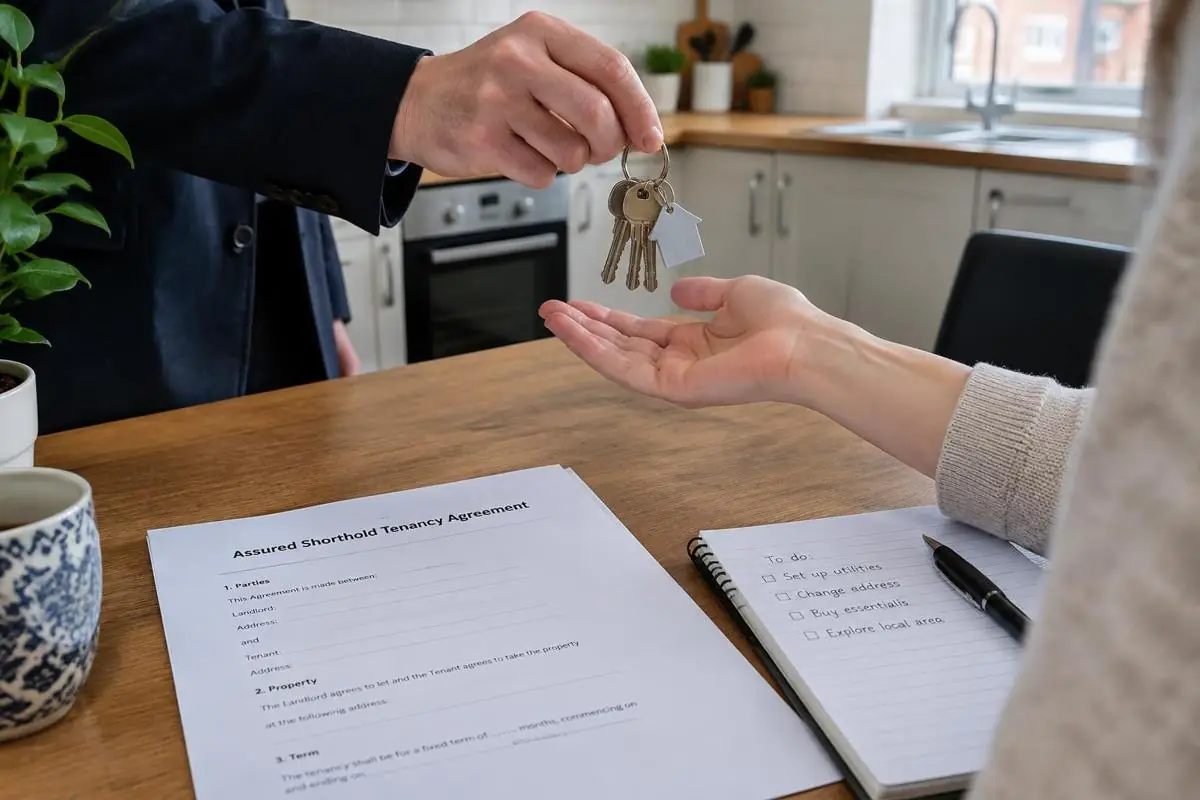
Bed Bug Heat Control UK offers a three-month written guarantee, with full coverage and conditions explained before booking. That statement should lead to a reading of the actual document, not assumptions about what every guarantee includes. Keep the version provided for your property alongside the treatment record and any written aftercare instructions.
Clarify the start and end dates, how to report a concern and what information the provider requires. Ask what response is included if activity is confirmed, whether an inspection forms part of that process and whether any further attendance could involve a charge. These are questions to settle in writing, not benefits or exclusions to presume.
Also ask whether the document specifies household aftercare responsibilities or distinguishes continuing activity from a later introduction. Do not invent those conditions if they are absent or unclear. If a verbal explanation seems different from the written wording, request clarification before relying on it. When reporting a concern, refer to the relevant document and observation dates; avoid assuming that sending an enquiry automatically arranges a visit.
Related practical reading: Bed bugs in flats and shared buildings: a coordinated response
Prepare a concise evidence pack for any follow-up
A follow-up request works best when the provider can understand it without reconstructing weeks of messages. Include the treatment date, affected location, a short description of the concern and selected photographs. Add the baseline comparison where available. Keep unrelated household details out of the initial message unless they affect access, communication or the assessment.
Separate confirmed facts from open questions in the summary. For example, say that a mark was first noticed on a particular date and that its age is unknown, rather than claiming it developed overnight. Explain any gaps in checking. Honest gaps are more useful than a polished timeline that implies observations nobody actually made.
Before a review, ask what access is needed and whether any evidence should be left in place. Do not repeat treatment-day preparation from memory unless instructed. Afterwards, record what the reviewer identified, what remains uncertain and the agreed action. If further work is proposed, ask for its scope and any applicable terms in writing. Keep that response with the original guarantee rather than relying on recollection.
Choose the next action from the evidence you have
If you have only unchanged baseline signs, continue the agreed monitoring routine rather than treating their presence as new activity. If you have an ambiguous finding, document it and request interpretation. If you observe a suspected live insect or a clear change, report it promptly and ask what to do while awaiting review.
For an enquiry with Bed Bug Heat Control UK, call 0800 274 0156 or email info@bedbugheatcontroluk.co.uk. Opening hours are 7am–10pm, Monday–Sunday. For a West Yorkshire service enquiry, provide the property location and explain whether you need aftercare advice about an existing treatment or a property-specific quote. An enquiry is not a booking.
Before ending the exchange, establish who will respond, whether photographs are sufficient for the next decision and what you should leave unchanged meanwhile. Ask when to follow up if no response arrives; do not assume an attendance time has been agreed. Your next step should be concrete: continue the documented plan, supply requested evidence or arrange the recommended review. Keep the written answer so everyone at home works from the same instructions.
Sources & further guidance
General information, not a diagnosis, medical advice or legal advice. Research and US EPA references provide technical background, not UK law, and do not endorse our company. Your property assessment and the team’s written preparation instructions take priority.