
Assessment and preparation
Tell us your London postcode, property type and the signs you have found. We confirm a quote and send you our interactive preparation checklist to follow.

Bed Bug Heat Control UK provides professional bed bug treatment throughout London for houses, flats, HMOs, rented and guest accommodation — specialising in controlled whole-room heat treatment, with no insecticides.
London has the UK’s densest mix of flats, HMOs, short-stay lets and hotels, plus millions of daily journeys on public transport. Bed bugs spread easily through shared buildings, so we look at the whole flat and discuss neighbouring units when planning treatment. Our Greater London page covers the outer boroughs.
For London properties where shared entrances and neighbouring rooms may affect treatment planning, the right treatment starts with understanding the affected rooms and your property layout. Send your postcode and the signs you have noticed so our team can confirm coverage and assess the next steps. Avoid moving potentially infested bedding or furniture between rooms while you seek advice.
Our only treatment method is professional heat treatment. Using industrial heaters, fans and air movers, our technicians raise affected rooms to approximately 60.5–65°C and hold lethal temperatures long enough to reach bed bugs and their eggs inside mattresses, bed frames, sofas, skirting and other hiding places. With 40 years in the industry and full insurance, we explain the plan, preparation and guarantee before you book. We cover E, EC, N, NW, SE, SW, W and WC postcodes across London.
Most London homes we are asked about are flats, so the first question is usually who looks after the building. In leasehold and housing-association blocks, the freeholder or managing agent is responsible for communal corridors and bin stores, while we treat the inside of your flat. Telling them early helps neighbouring flats get checked at the same time, which matters because bed bugs can move along pipework and shared walls.
Daily journeys on the Underground, buses and trains, and the city’s large number of hotels and short-stay lets, mean bed bugs often arrive in bags, coats and luggage rather than from the home itself. That is why we ask about recent travel and visitors as well as where bites first appeared.
When a local housing association in Walthamstow, East London required bed bug treatment across three adjoining three-bedroom properties, they commissioned our team to carry out a whole-property heat treatment without chemical sprays.
Heating three separate homes on one project required coordinated operational planning:
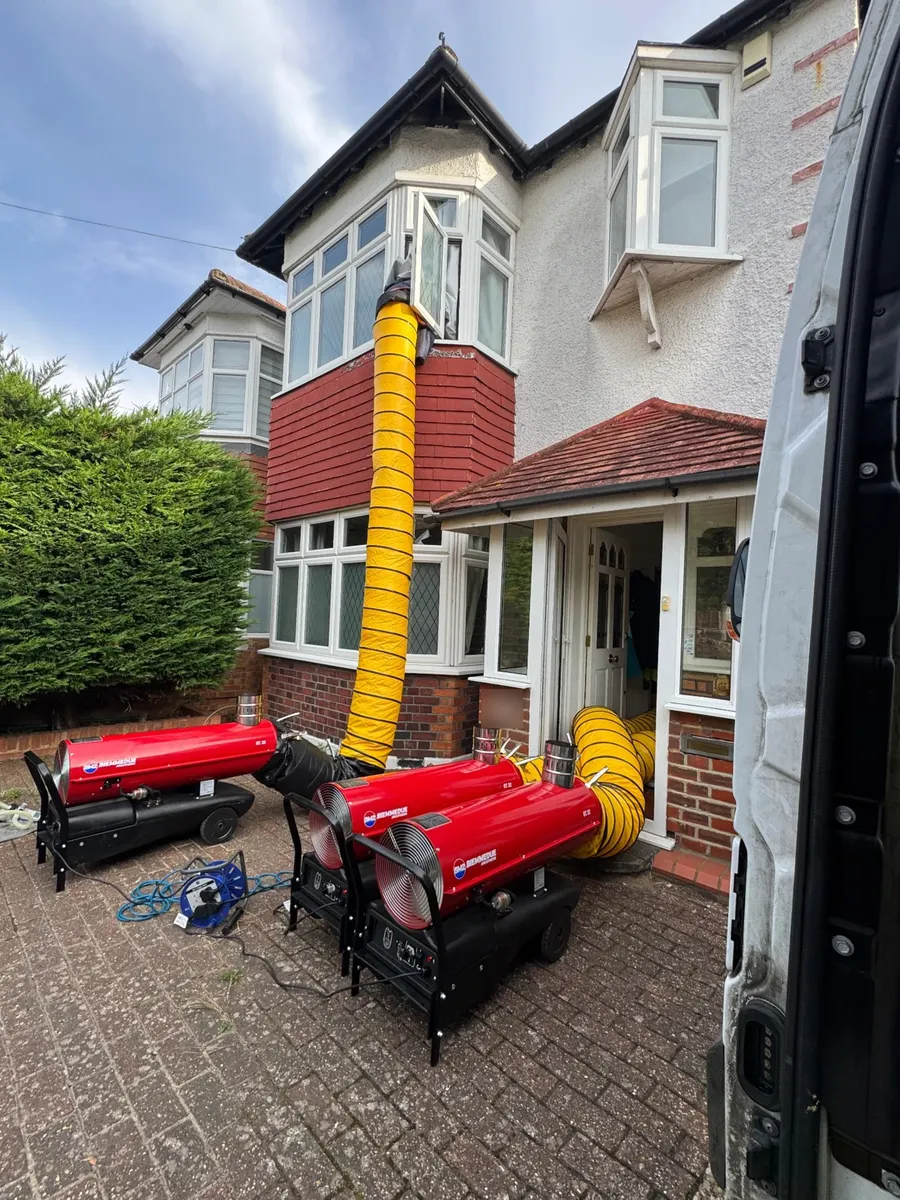
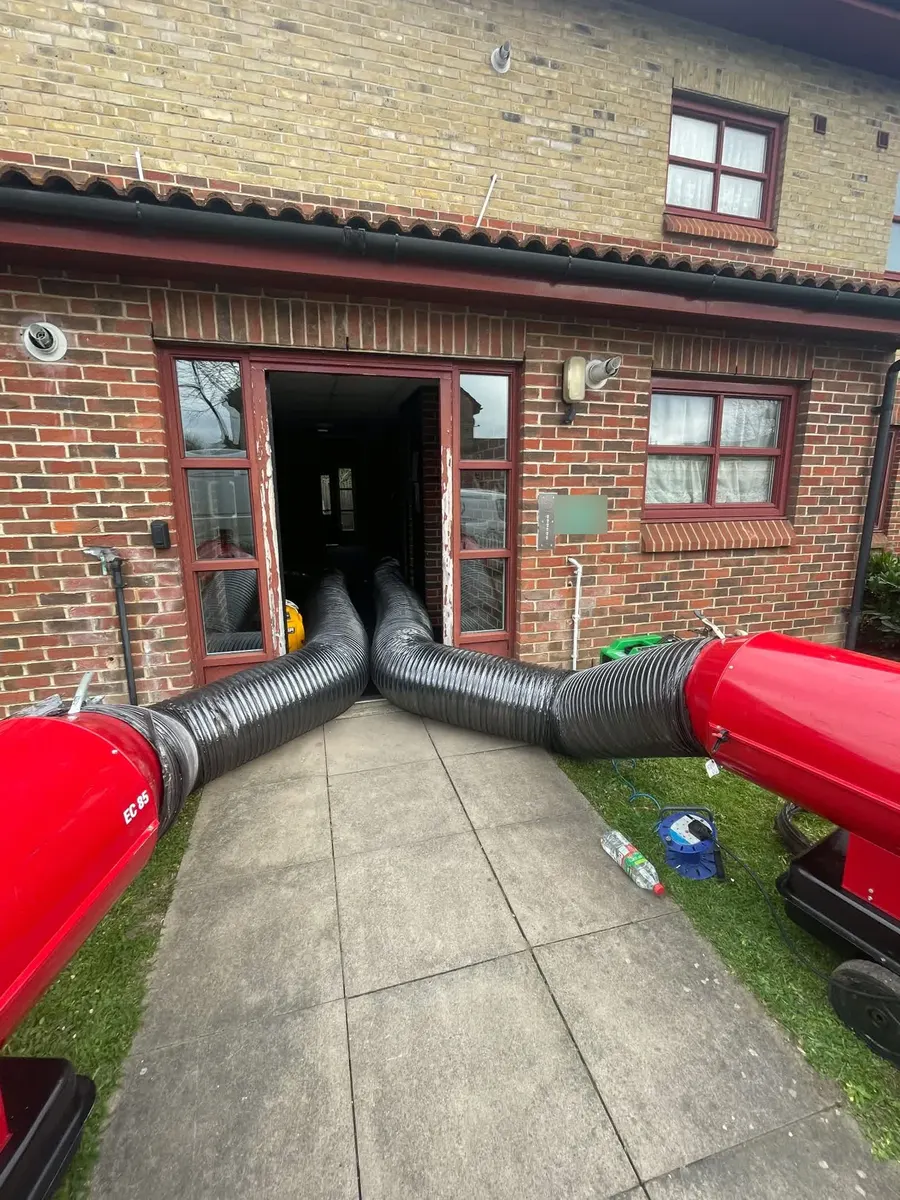
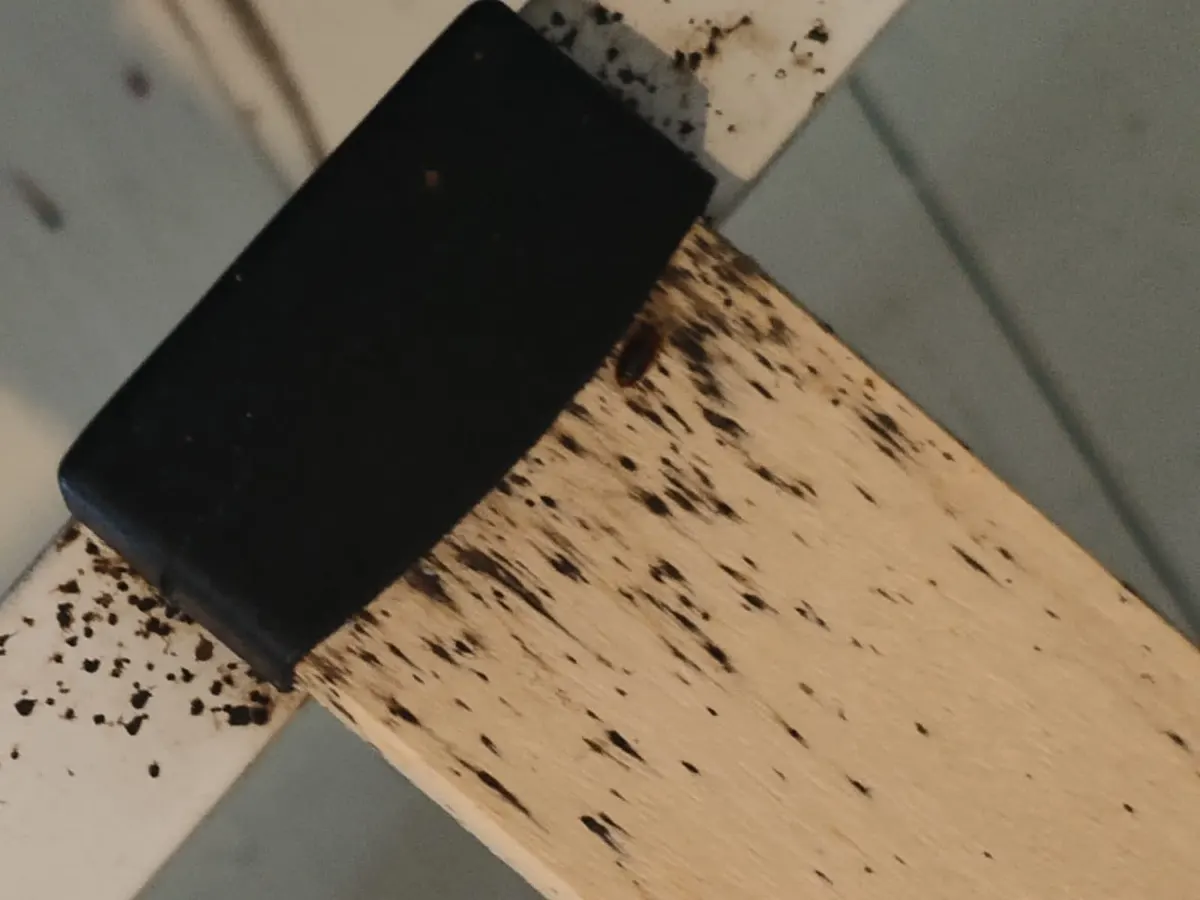
Read the full Walthamstow case study and see all 6 photographs
Our indirect-fired combustion heaters operate outside the building only — on a driveway, private frontage or another suitable position agreed in advance — and never block the public footway. Only clean, heated air is carried inside through insulated flexible ducting. All combustion exhaust stays outdoors, away from open windows, doors and air intakes. We never bring combustion heaters inside a property.
After treatment, read when you can sleep in your bed again, and see how our 3-month written guarantee works.
People describe the help they need in different ways — a bed bug exterminator, pest controller, bed bug removal company or treatment specialist. Whatever you call it, the goal is the same: a professional who can eliminate the infestation from your home. We are bed bug specialists, and the method we use to do that is professional heat treatment. Our standard bed bug heat treatment uses controlled heat without insecticides. An additional insecticide application can be provided upon request where appropriate, but it is not part of our standard heat-treatment service. We do not use steam or fogging.
Chemical and spray treatments (offered by many pest control companies, not by us) apply insecticides to beds, furniture and cracks. They can be effective, but usually need two or more visits a couple of weeks apart, eggs are harder to reach, and some bed bug populations are resistant to common insecticides.
Steam kills bed bugs on direct contact but does not penetrate deep into furniture or wall junctions. DIY products rarely reach every hiding place and can scatter bed bugs into other rooms.
Professional heat treatment — our specialism — raises whole rooms to lethal temperatures so heat reaches places sprays and steam may miss, is typically completed in one visit and leaves no chemical residue. It is particularly attractive where households want a non-insecticidal approach, have children, pets or allergies, or have had unsuccessful previous treatments. Read more in our heat vs sprays guide.
Share your postcode so we can confirm coverage, availability and a property-specific price.
Mansion blocks, serviced apartments and short-stay rentals. Bed bug treatment in Central London.
New-build towers in Stratford and Canary Wharf, plus Victorian terraces. Bed bug treatment in East London.
Converted townhouses and student lets in Camden and Islington. Bed bug treatment in North London.
Estates, terraces and flats in Lambeth, Southwark and Lewisham. Bed bug treatment in South London.
Period conversions and rentals in Hammersmith and Kensington. Bed bug treatment in West London.
Also see our page for bed bug treatment across Greater London.
Tell us your London postcode, property type and the signs you have found. We confirm a quote and send you our interactive preparation checklist to follow.
Industrial heaters raise the affected rooms gradually while fans circulate air so heat reaches corners, furniture and soft furnishings.
Our technicians use thermal imaging cameras to monitor surface temperatures, identify cooler areas and assess heat distribution throughout the treatment. Items are repositioned to remove cool spots.
Once lethal temperatures have been held long enough, rooms cool and we confirm when it is safe to return, with aftercare advice and guarantee terms.
Full detail: how professional heat treatment works.
Our normal operating target is approximately 60.5–65°C in the treated areas. Bed bugs and eggs die with sustained exposure to lethal heat, but temperature is not the only factor: heat must penetrate furniture and hiding places, be held for long enough and be professionally monitored throughout. Never attempt to heat a room yourself.
Typical treatments take approximately 3–6 hours where appropriate. Duration depends on the property size and construction, how many rooms are affected, the infestation and how quickly heat penetrates. We confirm expected timings after assessment rather than promising the same duration for every home.
We quote each property individually rather than publishing a fixed price. Cost depends on:
Learn more about spotting bed bugs and bites and other signs, or .
You may also find it useful to read about whether bed bugs go away on their own.
Before your visit, work through our interactive preparation checklist — it is the one list to follow.
Call our team for advice about your property.
Speak to a specialistThere is no fixed price because cost depends on the property size, number of affected rooms, layout, level of infestation, access and treatment requirements. Send your London postcode and details for a free, no-obligation, property-specific quote.
The right approach depends on the property and infestation. Professional heat treatment is a strong option where you want a non-insecticidal method, quick turnaround or have had unsuccessful previous treatments, because correctly applied and monitored heat reaches bed bugs and eggs in cracks, furniture and soft furnishings. We specialise only in professional heat treatment.
Yes. Bed bugs and their eggs die when exposed to sustained lethal temperatures. Our technicians aim for approximately 60.5–65°C in the treated areas. Our technicians use thermal imaging cameras to monitor surface temperatures, identify cooler areas and assess heat distribution throughout the treatment.
Survival is possible if heat does not reach every hiding place — for example in tightly packed items, wall voids or areas not prepared as advised. That is why we monitor temperatures throughout, move air around the room and give clear preparation instructions before the visit.
Typical treatments take approximately 3–6 hours where appropriate, but duration depends on the property, its construction, the infestation and how quickly heat penetrates. We confirm the expected timing after assessing your property.
Yes. People and pets must stay out of the treatment area while it is being heated. The team will tell you when it is safe to return once rooms have cooled.
Insecticide treatments can work, and many pest controllers use them. They typically need several visits, rely on contact with the insects or residues, and some bed bug populations have developed resistance to common insecticides. Our standard bed bug heat treatment uses controlled heat without insecticides. An additional insecticide application can be provided upon request where appropriate, but it is not part of our standard heat-treatment service.
Tell us what was used and when. Heat treatment is often chosen after unsuccessful spray or DIY treatments because it does not depend on insecticide susceptibility. We will assess the property and explain how heat treatment would be applied.
We provide bed bug heat treatment across England and Wales, including London. Share your full postcode and we will confirm availability for your address.
Availability varies with demand and location. Request a quote or call us and we will give you the earliest available date for your property.
Follow our interactive preparation checklist — it is the one list to work from. It covers agreeing any alarm or sprinkler arrangements with your building manager (never disabling them yourself), moving aerosols, candles and delicate items to the kitchen, removing all electronics, papers and books, bagging and hot-washing bedding, emptying bed storage and unscrewing wooden bed frames. Do not move other belongings to other rooms or properties.
Treatment removes the existing infestation, but bed bugs can be reintroduced through luggage, second-hand furniture or neighbouring properties. We provide aftercare advice and explain our written guarantee terms before you book.