A bed bug report in a block of flats or shared house creates two separate tasks: assessing the affected home and deciding whether neighbouring spaces need attention. Neither task is helped by public speculation, blame or assuming that every flat is infested. A coordinated response gives residents a private reporting route, brings relevant information together and makes access possible without circulating unnecessary personal details. This guide focuses on those building-level arrangements, rather than identification, individual treatment preparation or tenancy disputes. It explains what to record, how to discuss adjacent homes, who can coordinate appointments and what to agree when access is delayed. Whether you own, rent or manage a home, the aim is a proportionate plan: investigate what the evidence supports, protect residents’ privacy and leave nobody guessing about the next step.
Bed bugs in flats and shared buildings: a coordinated response
Start by separating a suspected report from an assessed finding. A resident may describe bites, a possible insect or marks near a bed; those reports deserve attention, but they are not interchangeable evidence. Bites alone cannot identify bed bugs. Record what prompted concern and whether anyone has inspected the home, rather than immediately labelling the building affected.
Choose one coordination contact, such as a managing agent, landlord representative or an agreed resident contact. Their role is to receive reports, arrange professional input and track agreed actions. They should not diagnose neighbouring homes or determine who introduced the problem. Where several owners or landlords are involved, agree how their separate decisions will be brought together.
The first decision is whether there is enough information to arrange an assessment, not whether to order treatment throughout the property. Ask the assessor what evidence they need before attending. Give residents a clear next update point, even if the only update is that inspection arrangements remain outstanding. Silence can otherwise invite speculation and uncoordinated action.
Create a private reporting route residents can actually use
Provide a direct email address or telephone contact rather than asking residents to report concerns in a building-wide chat. Request the flat or room identifier, a private contact method, the date of the observation and a brief factual description. Photographs may help an assessor, but residents should not feel required to make their own diagnosis.
Explain who will receive each report and what information will be passed to the professional. Keep a restricted coordination record rather than an open spreadsheet of residents’ names and suspected infestations. Wider messages can describe the assessment process without identifying the reporting household. Avoid promises of absolute anonymity when arranging access may reveal which homes are being visited.
Offer a workable alternative for anyone unable to use the main reporting channel. Ask whether contact by phone, written note or an authorised representative would be easier. A report should receive acknowledgement and a stated next step. If more information is needed, request it privately; do not ask neighbours to investigate someone else’s flat or challenge them at their door.
Keep the evidence separate from rumours about the source
Use a simple record with separate entries for resident observations, professional findings and outstanding questions. Include dates and locations within the home where relevant. If somebody reports that another flat has bed bugs, mark that as unverified information rather than treating it as confirmation. Direct reports and assessed findings should guide decisions about the scope of further enquiries.
Do not turn the record into a search for the household responsible. A sequence of reports does not by itself establish where a problem began. Questions about visitors, purchases or travel can become intrusive when circulated among neighbours. Let the assessor request relevant history privately, and keep coordination focused on what needs investigating or arranging now.
Set a clear threshold for updating the plan: for example, a professional finding or a new report requiring assessment. An absence of complaints is not the same as a completed inspection, while a concern is not proof of infestation. Recording those distinctions helps the coordinator explain why some homes are being contacted without suggesting that the entire building needs treatment.
Continue the topic: Rebuilding sleep confidence after a bed bug problem
Ask which adjacent homes need assessment, not blanket treatment
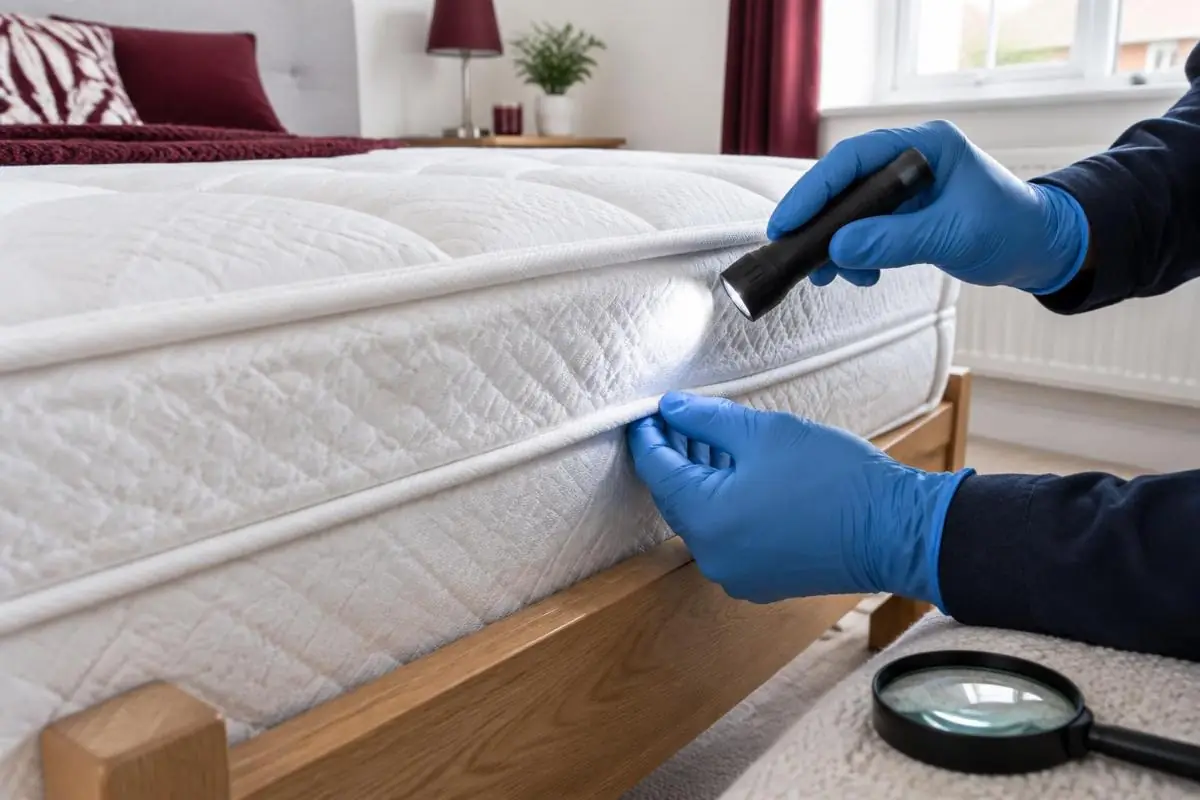
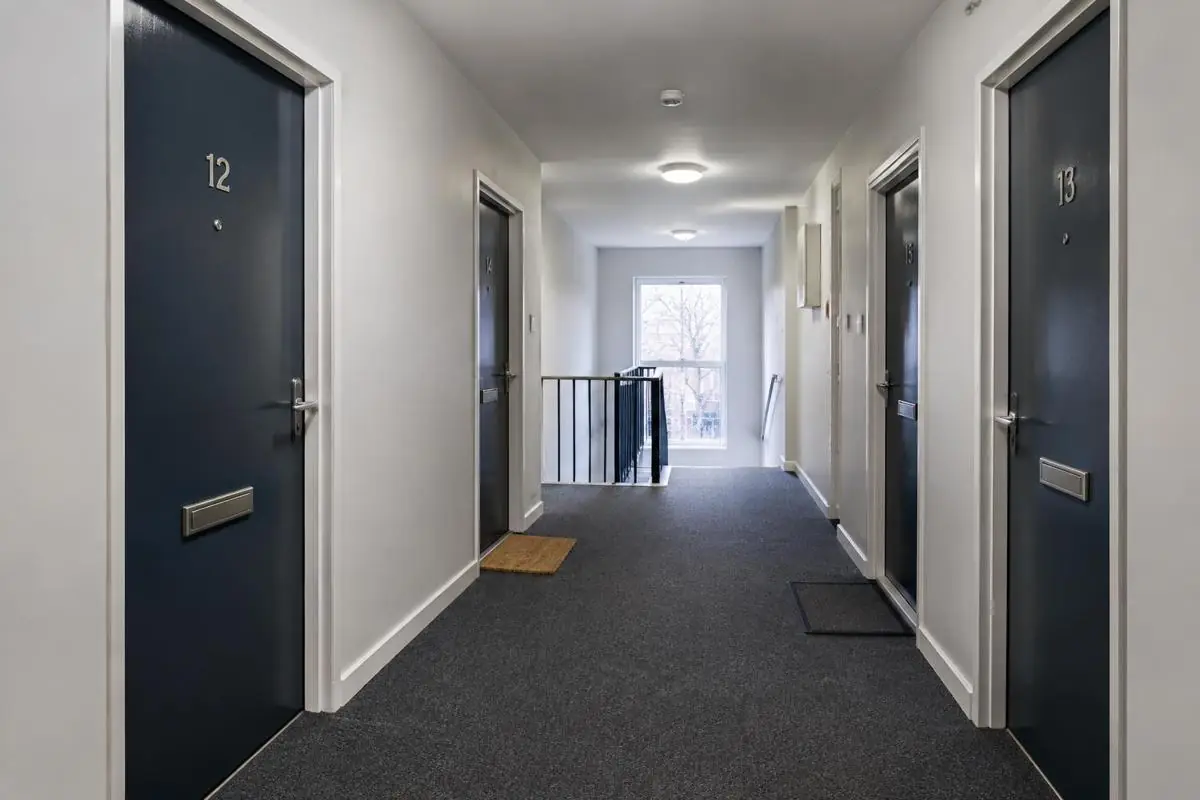
Once a home is being assessed, ask the professional whether adjacent homes should also be considered. That discussion can include homes beside, above and below it, together with the building layout and any relevant shared areas. These are questions about inspection scope, not a declaration that bed bugs are present in each neighbouring property.
Supply an accurate layout if one is available, and say where information is uncertain. In a converted house, room numbering may not make the relationship between homes obvious. The assessor should explain which additional spaces they recommend inspecting, why they matter and whether any should be prioritised. Do not substitute a fixed rule that every flat must be treated.
Ask how the scope would change if another home has a confirmed finding or an inspection finds no evidence. Keep each outcome distinct: assessed with findings, assessed without findings, or not yet assessed. A missed appointment cannot be counted as a clear inspection. Equally, one affected flat does not justify describing all its neighbours as infested or scheduling treatment without assessment.
Send a neutral neighbour notice with a clear request
A useful neighbour message explains the reason for contact and the action requested without naming the reporting resident. For example: “A bed bug concern is being assessed in the building. We are contacting you to discuss whether inspection of your home is recommended. Please use the private contact below for questions or to arrange access.” Adapt this to the assessor’s advice.
State whether the message is an invitation to report concerns, a request to arrange inspection or notice of an agreed appointment. These are different stages. Avoid alarming statements such as “the block is infested” unless that accurately reflects professional findings. Also avoid reassurance that neighbouring homes are definitely unaffected when they have not been assessed.
Give residents a response date linked to an actual scheduling need and explain what happens next. Make clear that they should not put photographs, flat numbers or allegations into communal chats. If a general building notice is necessary, keep it brief and process-focused. Detailed findings should go only to those who need them to make or implement the coordinated plan.
Build an access schedule around real household constraints
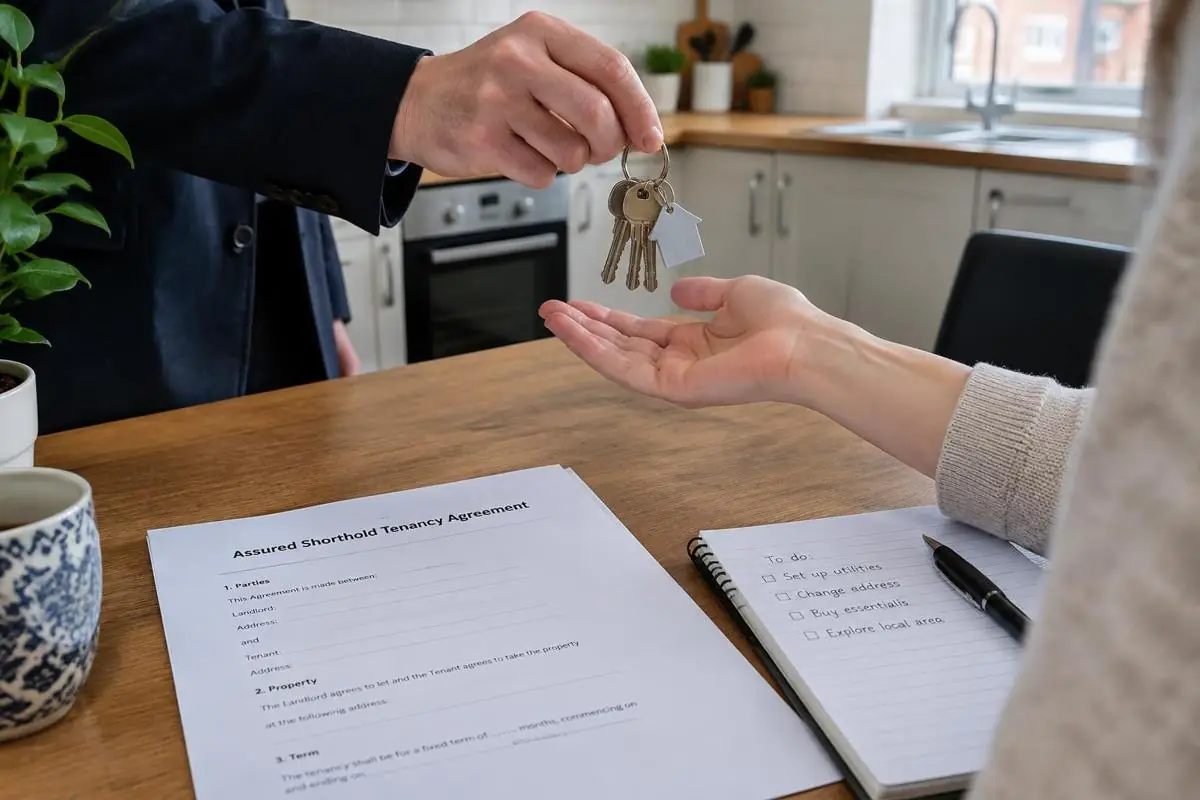
An access plan needs more than a list of flat numbers. Record who can authorise and arrange each visit, the agreed appointment window and how the resident will receive confirmation. Ask about communication or mobility needs that affect attendance. Only share the information needed to make the visit workable, rather than collecting unnecessary personal or health details.
Distinguish inspection access from treatment access. Permission for someone to inspect a room should not be treated as agreement to a later treatment appointment. Ask the provider what areas they need to see and whether a resident or representative must attend. Confirm any arrangements involving keys directly with the relevant household and responsible building contact.
Where several homes require attention, ask whether appointments should be grouped and what sequencing the assessor recommends. Do not announce a building-wide treatment date before the individual scope and access arrangements are settled. Each household should know its own appointment, its contact for changes and which decisions remain provisional. Keep a separate record of confirmed visits and requests still awaiting agreement.
For a property-specific assessment, see our bed bug heat treatment in Cheshire. Share your postcode and property details so the team can confirm coverage and availability.
Handle delayed or declined access without public pressure
If a resident cannot make the proposed time, first establish the practical obstacle privately. Work shifts, caring responsibilities or difficulty understanding the request may require a different arrangement. Offer alternative appointment options where available. Do not interpret a missed response as proof that someone is hiding a problem, and do not publish a list of households that have not replied.
Ask the professional what an unassessed adjacent home means for the proposed work. Can the initial assessment proceed, what uncertainty remains, and would the treatment sequence need reconsideration? Record the answer and tell affected households about relevant limits without blaming their neighbour. A coordinated plan should acknowledge gaps rather than presenting incomplete access as comprehensive coverage.
Where agreement remains unresolved, refer the access question to the appropriate landlord, owner or managing agent through their established process. Do not advise residents to enter another home, borrow keys informally or make threats about liability. This guide does not determine access rights. The immediate task is to document what is outstanding and identify who will arrange the next discussion.
Agree how shared routes and facilities will be used
Discuss corridors, stairs, lifts and shared facilities as part of the plan, not as automatic evidence of wider infestation. Ask the assessor whether any shared area needs inspection and why. Residents should have somewhere private to report observations in those spaces. Avoid organising speculative searches of neighbours’ doorways or displaying photographs that identify particular homes.
Before assessment or treatment, agree how belongings will be handled if they must pass through communal areas. Do not use a corridor as a temporary store for bedding, furniture or bags from a home under investigation. Ask the provider for containment instructions suited to the task. Cleaning communal areas cannot by itself guarantee removal of a bed bug problem.
If treatment equipment or staff access will affect shared routes, confirm the practical arrangements with building management and the provider. Residents need to know about any agreed access restrictions without receiving another household’s treatment details. Do not attempt communal or household space-heater treatment. The EPA’s technical guidance warns that DIY heating is unreliable; it is not guidance on UK building law.
Related practical reading: How to spot bed bugs: a careful home inspection guide
Check treatment scope and guarantee boundaries before agreement
Where treatment is recommended, ask for the proposed scope in writing. Which homes and areas are included, which are inspection-only, and which remain outside the plan? Ask how findings in another home could affect the recommendation. Professional heat and other approaches should be assessed against the property’s circumstances, rather than assuming one method cannot fail or another never works.
Bed Bug Heat Control UK offers chemical-free controlled professional heat at 60–65°C, with a single-day process subject to property assessment. That description should not be read as a promise that several flats can all be completed together. Ask how the assessed layout, access and number of homes affect scheduling, and who coordinates decisions where different households are commissioning work.
The company provides a three-month written guarantee, with full coverage and conditions explained before booking. In a shared building, ask exactly which treated premises it covers and how concerns involving other homes would be handled. Obtain a property-specific quote and distinguish an enquiry from a booking. Unmarked vans support discreet attendance, but do not make private communication arrangements unnecessary.
Leave every household with a named next action
End the coordination stage with a short action record: which homes are awaiting assessment, which appointments are confirmed, what professional advice is outstanding and who will provide the next update. Share household-specific details privately. A general update can explain that arrangements are progressing without reporting who has findings or who has asked for a different appointment.
Agree one route for subsequent observations so that new reports reach the person holding the building-level plan. Ask the provider which developments should trigger further assessment and who should receive that advice. Keep unassessed homes visible as an outstanding issue rather than quietly closing their entries. Detailed household monitoring can then follow the provider’s aftercare instructions without replacing coordination.
For an enquiry with Bed Bug Heat Control UK, including a property in Cheshire, call 0800 274 0156 or email info@bedbugheatcontroluk.co.uk between 7am and 10pm, Monday to Sunday. Have the building layout, number of homes under consideration and known access constraints ready. Ask first about assessment scope and appointment coordination; request the property-specific quote and written conditions before deciding whether to book.
Sources & further guidance
General information, not a diagnosis, medical advice or legal advice. Research and US EPA references provide technical background, not UK law, and do not endorse our company. Your property assessment and the team’s written preparation instructions take priority.