Experiencing a pest infestation during a holiday is a significant concern for any traveller, as bed bugs do not discriminate between budget hostels and five-star luxury resorts. These resilient insects are adept hitchhikers, often travelling between locations via suitcases and clothing. Identifying an issue early is essential for both your physical comfort and the protection of your own home upon your return. This guide explores the practical steps you should take if you suspect your holiday accommodation is infested, from the initial room inspection to the protocols required to prevent bringing unwanted guests back to the UK. By following professional advice, you can manage the situation calmly and effectively, ensuring your trip remains as stress-free as possible while safeguarding your permanent residence.
Recognising the Signs of an Infestation Abroad
When you first arrive at your holiday destination, the temptation is to unpack and relax immediately, but a five-minute inspection can save weeks of future trouble. Bed bugs are nocturnal and elusive, making them difficult to spot during the day; however, they leave behind clear biological indicators. Check the seams of the mattress, the headboard, and any nearby soft furnishings for small dark spots, which are typically fecal matter. You may also notice tiny pale husks, which are the shed skins of developing nymphs.
Physical symptoms often provide the first clue that something is wrong. Bed bug bites typically appear as small, red, itchy welts, often arranged in a linear pattern or a small cluster, frequently referred to as breakfast, lunch, and dinner. While these bites can appear anywhere on the body, they are most common on areas exposed during sleep, such as the arms, neck, and face. It is important to note that skin reactions can be delayed by several days, so new welts might relate to a previous location.
If you discover blood spots on the bed linens or see live insects—which are flat, oval, and reddish-brown—you should take immediate action. Do not wait for a second night of exposure, as the population within a heavily infested room can lead to dozens of new bites in a single evening. Accurate identification is the first step in managing the situation, and if you are unsure, a professional assessment by a local expert or a detailed comparison with reputable entomological resources is recommended.
Immediate Steps to Protect Your Belongings
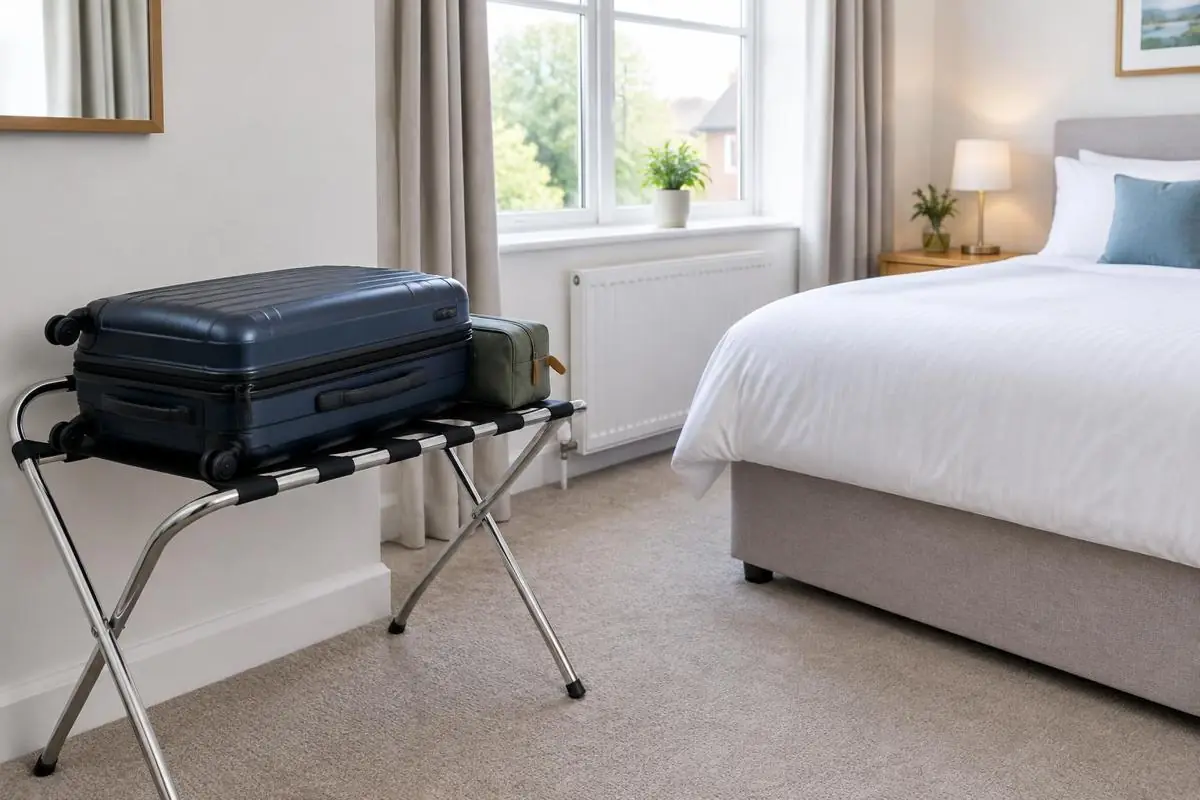
If you suspect your room is infested, your primary goal is to prevent the insects from entering your luggage. Bed bugs prefer porous surfaces like fabric and wood, meaning a suitcase left open on a carpeted floor or a luggage rack is a prime target. The safest place for your bags is often the bathroom, specifically on a tiled floor or inside a dry bathtub. These surfaces are difficult for bed bugs to navigate and offer fewer hiding spots, making them a temporary safe zone.
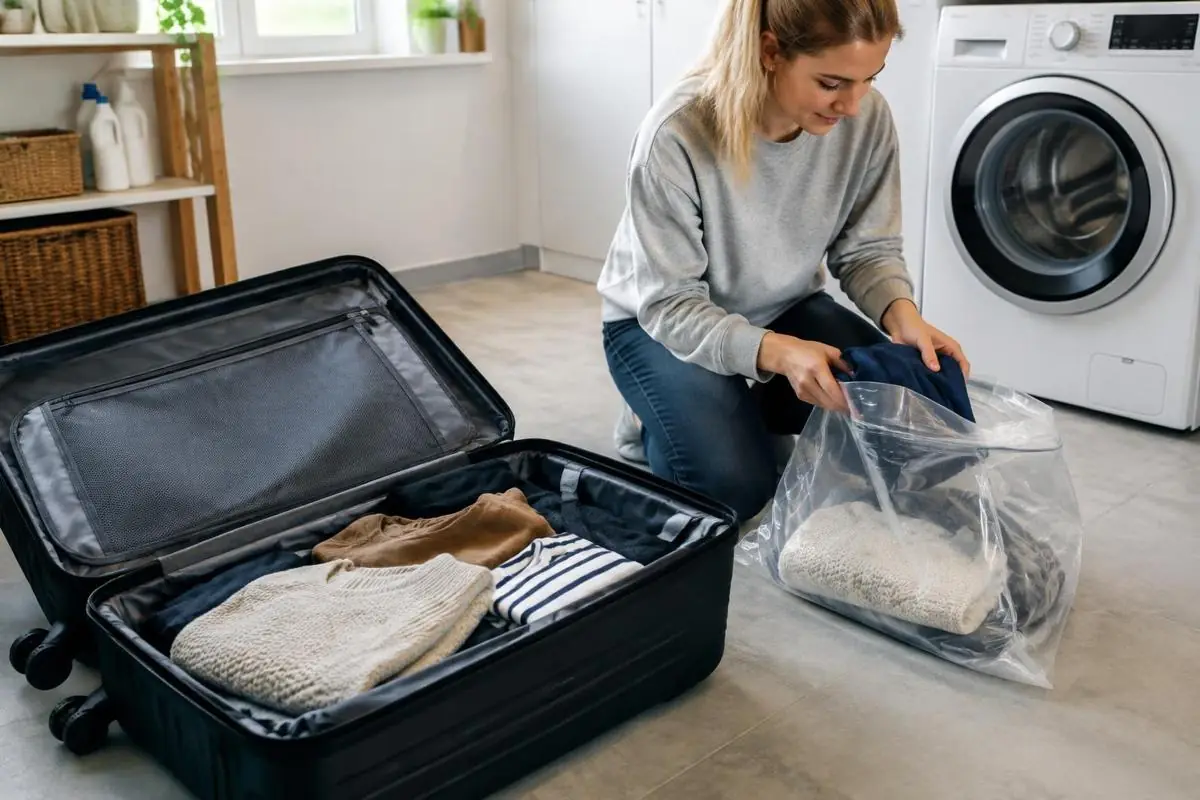
Keep all your clothing inside sealed plastic bags within your suitcase. Using heavy-duty vacuum bags or zip-top bags creates a physical barrier that prevents bed bugs from nesting in your garments. Only take out the items you need for immediate use and place them back in the sealed bags once they have been worn. This disciplined approach is one of the most effective ways to reduce the risk of bringing the infestation back to the UK at the end of your trip.
Avoid placing your clothes in the hotel chest of drawers or wardrobes if you have any doubts about the room's hygiene. These wooden structures often have gaps and crevices where bed bugs can hide undisturbed. By keeping your belongings contained and elevated away from the bed and upholstered furniture, you significantly decrease the likelihood of a hitchhiking insect successfully transitioning from the hotel environment into your personal luggage.
Communicating with Management and Changing Rooms
Once you have identified evidence of bed bugs, you should notify the hotel or accommodation management immediately. Be calm but firm, providing clear evidence such as photographs of the insects or the markings on the mattress. A reputable establishment will take these reports seriously and should offer you an alternative room immediately. It is helpful to remember that an infestation is not necessarily a reflection of the hotel's cleanliness, as these pests are introduced by previous guests.
When moving to a new room, ensure it is not adjacent to, directly above, or directly below the infested one. Bed bugs can travel through wall voids, electrical outlets, and plumbing chases, meaning an infestation in one room can easily spread to neighbouring units. If the hotel is fully booked or cannot provide a room sufficiently far from the original site, you may need to consider moving to a different establishment entirely to ensure your safety and comfort.
Before you settle into a new room, perform the same rigorous inspection you did in the first one. Check the bed frame, behind the headboard, and the edges of the carpet. It is also wise to request that the hotel launders your currently used clothing on a high-heat setting to kill any potential eggs or nymphs that may have already transferred. Document all communications with the staff, as this will be useful if you need to seek a refund or file a formal complaint later.
Continue the topic: Hotel room bed bug checks without the panic
The Science of Bed Bug Mobility and Transfer
Understanding how bed bugs move is key to preventing their spread. Unlike many other pests, bed bugs cannot fly or jump; they rely entirely on crawling and human assisted transport. Research by entomologists like Dini Miller and Richard Naylor has shown that bed bugs are attracted to the heat and carbon dioxide produced by humans, but they are also attracted to the scent of soiled laundry. This is why keeping dirty clothes in airtight bags is a crucial preventative measure during travel.
The eggs of a bed bug are particularly problematic because they are tiny, approximately the size of a grain of salt, and coated in a sticky substance that allows them to adhere to surfaces. An adult female can lay several eggs a day, which can easily be brushed onto a suitcase or a pair of shoes without the traveller noticing. These eggs are highly resistant to many environmental factors, though they are susceptible to extreme heat, which is why professional heat treatment is so effective.
If an infestation is widespread in a hotel, the insects may be found in common areas, such as lobby furniture or transport shuttles. While the risk is highest in the sleeping quarters, maintaining a level of vigilance throughout your journey is advisable. The goal is to remain aware of your surroundings without letting anxiety ruin your holiday experience. Recognising that these pests are a logistical challenge rather than a hygiene failure helps in managing the situation logically.
Precautions to Take Before Returning Home
The most critical phase of holiday bed bug management occurs just before you return home. Even if you haven't seen a bug in days, you should assume there is a possibility of transfer if you stayed in an infested building. Before packing for your return flight, inspect every item of clothing and every corner of your luggage. If the hotel offers a laundry service with high-heat drying, utilise it for all your washable items before they are packed into your final transport bags.
Consider purchasing large, dissolvable laundry bags or heavy-duty plastic sacks to hold your items during the journey. The idea is to create a 'quarantine' system where nothing from the holiday enters your home environment until it has been processed. If you are travelling by car, keep your luggage in the boot and avoid bringing it into the main cabin. For those flying, the luggage hold of an aircraft is often cold, but this is rarely enough to kill bed bugs, which can survive in a dormant state.
If you have used a backpack or a suitcase with many external pockets, pay extra attention to the zips and linings. Bed bugs love to hide in the tight spaces provided by seams and decorative piping. Using a torch to inspect these areas can reveal hidden insects. If you are deeply concerned about the state of your luggage, some travellers choose to dispose of their suitcases entirely before returning, though this is a drastic measure that is not always necessary if proper heat protocols are followed.
Safe Re-entry Protocols for Your Residence
Upon arriving back in England or Wales, do not bring your suitcases into your bedroom or living areas. Instead, take them directly to a hard-floored area, such as a utility room, kitchen, or garage. Unpack your bags one at a time, placing all clothing directly into the washing machine. To effectively eliminate bed bugs and their eggs, items should be washed at a high temperature (at least 60°C) or placed in a tumble dryer on a hot setting for at least 30 minutes.
For items that cannot be washed, such as delicate fabrics or shoes, there are alternative methods. Some people use domestic freezers, but this requires the temperature to be consistently below -18°C for at least four days to be effective, and many domestic units do not maintain a stable enough temperature for this. The most reliable method for non-washable items is professional heat treatment, which ensures the core temperature of the object reaches the lethal threshold for all life stages of the insect.
Once your luggage is empty, vacuum the interior and exterior thoroughly, paying close attention to the seams and pockets. Immediately empty the vacuum contents into a plastic bag, seal it tightly, and dispose of it in an outdoor bin. Store your empty suitcases in a sealed plastic bin or a large heavy-duty bag until you are certain no insects survived the journey. Following these re-entry steps is the best way to ensure a holiday mishap doesn't turn into a domestic infestation.
For a property-specific assessment, see our bed bug heat treatment in Cornwall. Share your postcode and property details so the team can confirm coverage and availability.
Why Chemical Treatments Often Fail for Travellers
Many travellers attempt to use over-the-counter insecticidal sprays on their luggage or in their hotel rooms, but this is often ineffective. Scientific studies, including research by Romero and Doggett, have highlighted significant levels of pyrethroid resistance in modern bed bug populations. This means that many commonly available sprays may kill a few insects on contact but will fail to eradicate an infestation or provide any meaningful residual protection for your belongings.
Furthermore, using sprays can often be counterproductive as the irritating chemicals can cause bed bugs to scatter and hide deeper within the furniture or walls, making them even harder to detect and treat. In a hotel setting, a poorly applied chemical treatment might drive the insects into the neighbouring rooms, contributing to the spread of the problem throughout the building. Chemical residues can also be a concern for individuals with sensitivities or respiratory issues.
Professional heat treatment is the preferred alternative because it is a physical process rather than a chemical one. Bed bugs have no biological resistance to heat; when exposed to temperatures above 52°C, their cellular proteins denature, leading to rapid mortality across all life stages, including the resilient eggs. For travellers returning with a suspected infestation, a professional heat pod or room treatment offers a much higher degree of confidence than domestic chemical applications.
The Role of Professional Heat Treatment
If you discover that bed bugs have successfully migrated from your holiday into your home, it is important not to panic. Bed Bug Heat Control UK specialises in chemical-free heat treatments that address the problem in a single day. Our process involves raising the temperature of the affected area to a level that is lethal to bed bugs but safe for the structure of your home and most household items. This method is particularly effective because heat penetrates into the deep crevices where insects hide.
Unlike chemical treatments, which may require multiple visits and significant downtime, heat treatment is a comprehensive solution. Because it targets the entire room and its contents, it eliminates the risk of missing hidden eggs that could lead to a resurgence weeks later. For travellers, we can provide targeted treatments for luggage and clothing, ensuring that your home remains a sanctuary. Our team covers all of England and Wales, providing a discreet and efficient service.
Before any treatment, we provide a detailed preparation checklist. It is essential that readers follow the official preparation checklist on the website rather than attempting to prepare based on general advice, as specific steps are required to ensure the heat can circulate effectively and safely. A professional assessment is always recommended to determine the extent of the infestation and to tailor the heat treatment to the specific layout and requirements of your property.
Related practical reading: What to do with luggage after suspected bed bug exposure
Legal and Financial Considerations for Travellers
Dealing with bed bugs on holiday can result in unexpected costs, from ruined luggage to medical expenses for bite treatments. In many cases, you may be entitled to a refund or compensation from the accommodation provider if you can prove they were negligent. It is vital to document everything: take clear photographs of the insects, the bites, and any evidence in the room. Keep receipts for any replacement clothing or professional cleaning services you required due to the infestation.
Check your travel insurance policy to see if it covers 'curtailment' or 'loss of enjoyment' due to pest infestations. While not all policies include this, some premium options provide coverage for emergency expenses related to bed bugs. If you booked your holiday through a UK-based tour operator, you are protected by the Package Travel Regulations, which hold the organiser responsible for the quality of the accommodation. In such cases, your claim would be against the operator rather than the hotel itself.
When you return, you might feel the need to leave a review of the establishment online. While this can be helpful for other travellers, ensure your review is factual and supported by the evidence you gathered. Most hotels will work hard to resolve the issue privately to avoid negative publicity, so it is often worth pursuing a direct resolution first. Remember, the focus should remain on protecting your own home and health while seeking a fair resolution for the inconvenience caused.
Maintaining Vigilance for Future Trips
Once you have dealt with a bed bug scare, you will likely be more aware of the risks on future trips. Developing a routine for every hotel stay is the best way to prevent a repeat occurrence. This includes the 'bathtub first' rule for luggage and a thorough check of the bed area before you even sit down. Small habits, such as keeping your suitcase zipped shut and using hard-sided luggage instead of fabric bags, can make a significant difference in your vulnerability.
Educating your travel companions is also important. If everyone in your party knows what to look for, you are much more likely to spot a problem before it escalates. Bed bugs are a global issue and can be found in trains, planes, and public waiting areas as well as hotels. Being mindful of where you place your bags in public spaces—avoiding the floor where possible—is a simple but effective preventative measure that reduces the chances of picking up hitchhikers.
If you have concerns about a recent trip or suspect you have brought bed bugs back to your home in England or Wales, contact Bed Bug Heat Control UK. Our family-run team is available daily from 7am to 10pm on freephone 0800 274 0156. We offer expert advice and professional heat treatments to ensure your living space remains bed bug-free without the use of harsh chemicals. A quick professional assessment can provide peace of mind and prevent a minor issue from becoming a major household problem.
Sources & further guidance
General information, not a diagnosis, medical advice or legal advice. Research and US EPA references provide technical background, not UK law, and do not endorse our company. Your property assessment and the team’s written preparation instructions take priority.