Suspecting that your luggage has been exposed to bed bugs creates an awkward moment: you need to come home, but you do not want to carry a possible problem through the house. The useful first step is containment, not an improvised attempt to heat or spray everything. Suspicion is not confirmation, and bites alone cannot identify bed bugs. Nevertheless, you can organise belongings cautiously while you decide whether professional assessment is needed. This guide concentrates on the journey from the front door to a controlled unpacking plan: where to keep luggage, how to separate its contents, what care labels can tell you, and when to stop and ask for advice. The aim is to avoid unnecessary movement and damage without treating a wash cycle, a visual check or an empty suitcase as proof that everything is clear.
What to do with luggage after suspected bed bug exposure
Before bringing bags inside, decide where they will go and how you will contain them. If suitable bags or containers are available, enclose the luggage before moving it through living areas. Choose containment that closes securely without tearing around wheels or handles. Do not unpack on the doorstep simply because it is outside.
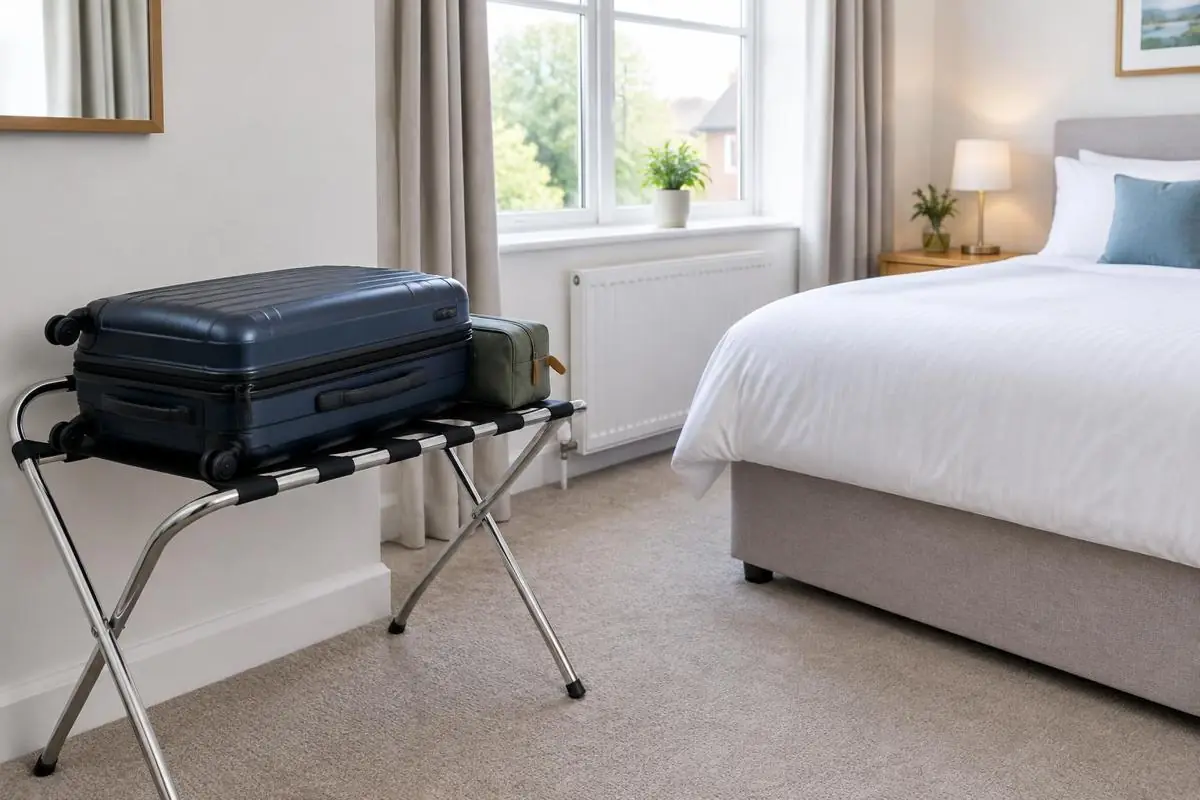
Where practical, use a private, uncluttered holding area away from beds, sofas and stored clothing. This is a temporary organisational measure, not a treatment zone. Avoid leaving luggage in a communal hallway, shared laundry room or another household’s space. If outside storage would expose belongings to weather or theft, prioritise secure containment instead.
If the case is already indoors, pause rather than carrying it between rooms in search of an ideal location. Keep it closed, limit further handling and arrange containment where feasible. Record where it has been placed so you can explain the situation accurately later. The immediate decision is how to reduce movement, not how to prove the bag is safe.
Separate a possible exposure from evidence of bed bugs
Write down why you are concerned before deciding how much to unpack. Did you see an insect in the luggage, receive a warning from accommodation, or notice unexplained marks on your skin? These are different starting points. A clear account helps a professional advise you without converting every uncertainty into a confirmed infestation.
The NHS notes that bites can be grouped, but bites alone cannot identify bed bugs. It also describes adults as approximately 5mm long and identifies clothing among possible hiding places. Neither a skin reaction nor the absence of one establishes whether your case contains bed bugs. Keep the luggage decision separate from assumptions about bites.
If something suspicious is visible, photograph it without shaking out the bag or scattering its contents. Note exactly where you found it. You do not need to conduct an exhaustive home inspection to prepare an initial enquiry. Ask whether the available evidence warrants identification help, luggage-specific advice or an assessment of the property before further unpacking, rather than choosing treatment from suspicion alone.
Make a household plan before anyone opens the case
Tell the people you live with what is uncertain and what you are doing about it. A useful message is: the luggage may have been exposed, it is being kept closed, and nobody should unpack or move it until there is a plan. Avoid announcing that the whole home is infested without evidence.
Agree who will handle the belongings and where that handling will happen. Keep children and pets away from the unpacking area, and store containment bags safely out of their reach. Ask other household members not to retrieve chargers, clothing or toiletries casually. Small, unplanned openings can undermine an otherwise orderly approach to keeping items separate.
Identify essentials before opening anything: medication, keys, work equipment or an urgently needed garment may require a different decision from spare holiday clothes. If an essential item is difficult to inspect or clean, seek item-specific advice rather than improvising. Explain that containment is temporary and purposeful, with a planned review, so nobody feels compelled to empty the case simply to restore normality.
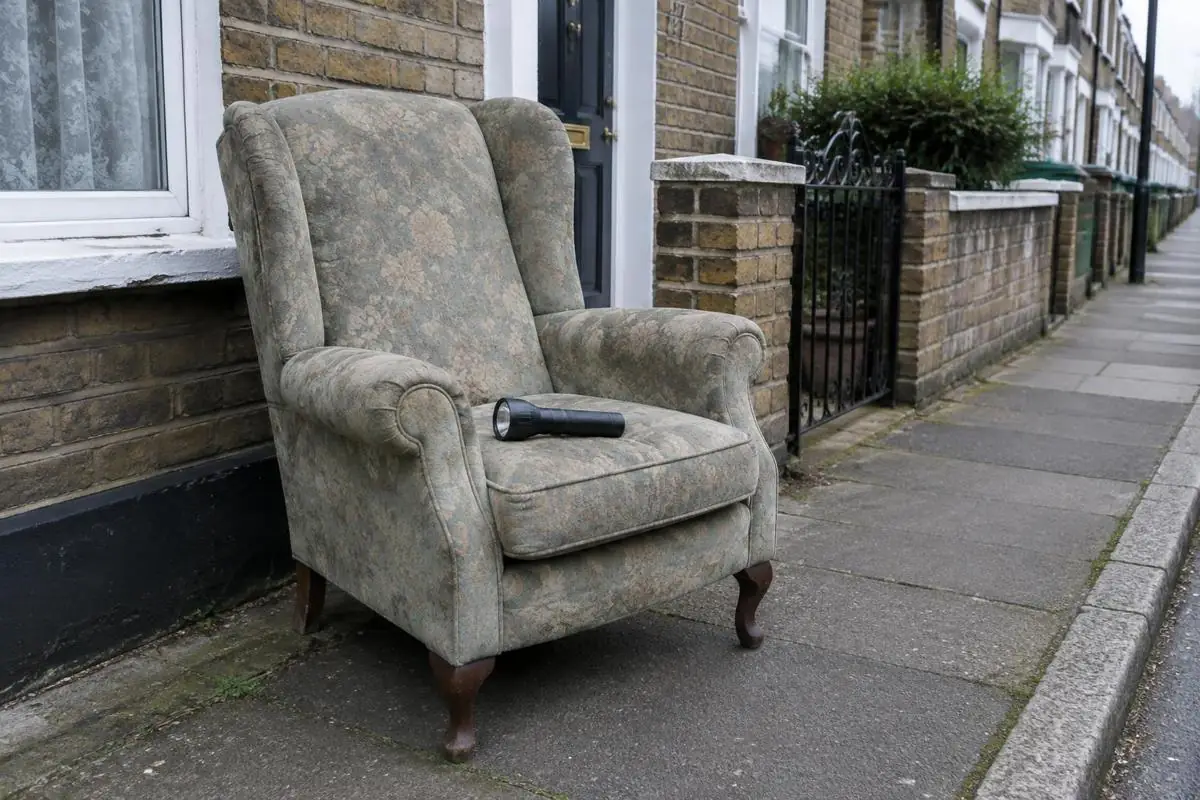
Continue the topic: Second-hand furniture: checking for bed bugs before bringing it home
Set up separate places for unopened and handled belongings
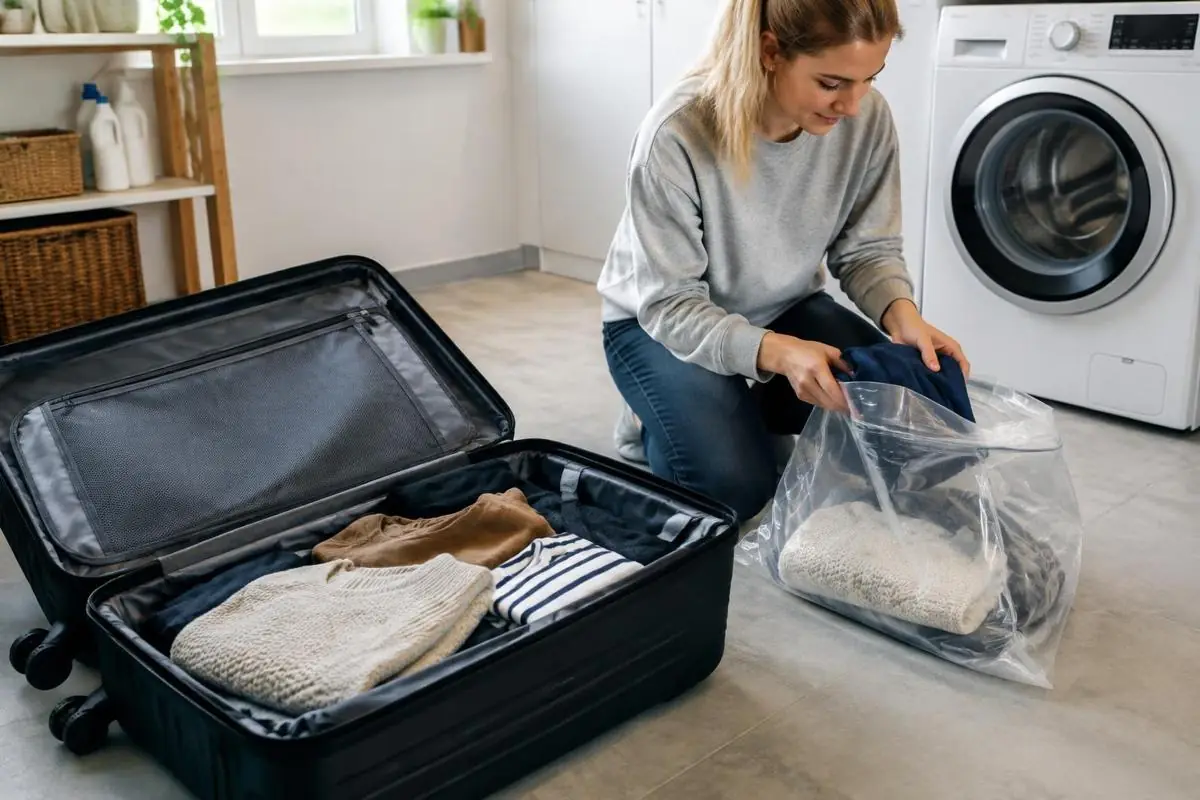
Prepare bags or containers for the contents before opening the luggage. Keep the amount exposed at any one time manageable, rather than tipping everything onto a floor. Use clear labels that describe the actual status: awaiting advice, awaiting laundry, or laundered. Avoid labels such as pest-free when that has not been established by the steps taken.
Separate items according to what can safely happen next, not just whether they look clean. Clothing with straightforward care instructions belongs in a different decision group from dry-clean-only garments, shoes, books and electronics. Keep those groups contained while you arrange their next step. Do not use beds or upholstered furniture as convenient sorting surfaces.
Keep empty packaging and used containment materials separate from belongings you have already handled. If a bag splits or will not close, replace the containment rather than continuing with a leaky arrangement. The purpose of this system is traceability: everyone should know which items remain uncertain and which have undergone a specified process, without mistaking that record for evidence of complete removal.
Read garment labels before choosing a laundry route
Check each care label before selecting a washing or drying programme. Fabric, trims, linings and construction can impose different limits even among apparently similar garments. Do not assume that every item from one suitcase can tolerate the same process. Where instructions are missing or unclear, contact the manufacturer or a suitable cleaning professional rather than guessing.
Keep laundry contained during the journey to the machine and avoid shaking garments around the room. Organise the transfer so that unprocessed items do not mix with laundry already handled. Follow the appliance instructions as well as the garment labels. Choosing the hottest available setting regardless of those instructions can damage belongings without providing a dependable overall solution.
For dry-clean-only or specialist garments, contact the cleaner before taking them in. Explain the suspected exposure and ask whether they can accept the items, how they want them packaged, and what their service can establish. Do not arrive with an open bag or assume ordinary cleaning arrangements address bed bugs. Keep these items contained while you agree a suitable route.
Do not treat finished laundry as an all-clear
Laundry can be part of managing exposed belongings, but it does not establish that the suitcase, its other contents or the surrounding area are clear. A finished programme tells you that a particular process has run. It is not a guarantee of removal, and cleaning alone cannot provide that guarantee for the wider situation.
Once items have been processed, keep them separate from the original luggage and anything still awaiting attention. Use fresh, suitable containment or a separate storage arrangement, recording what was done. Do not immediately repack clothes into the same untreated case. Otherwise, you lose the practical distinction you worked to create between handled belongings and unresolved items.
If your concern began with a credible sighting or a warning from accommodation, ask a professional whether your proposed laundry steps are appropriate and what remains outside their scope. Describe the actual care limits and available appliances rather than asking only whether a hot wash works. Advice should address the whole luggage problem, including items that cannot follow the same route, before you decide what to unpack next.
For a property-specific assessment, see our bed bug heat treatment in Bristol. Share your postcode and property details so the team can confirm coverage and availability.
Treat the empty suitcase as a separate unresolved item
An empty case still needs its own decision. Check accessible seams, pockets, lining folds and the areas around zips without pulling the case apart. This is a limited visual check, not proof of absence. If you find something suspicious, stop unnecessary handling, document the location and keep the case contained while seeking advice about the finding.
Follow the luggage manufacturer’s cleaning instructions, particularly where the case includes coated fabrics, adhesives, rigid panels or electronic features. Do not assume that a method suitable for clothing suits the case itself. Surface cleaning may improve cleanliness, but it cannot establish that every concealed area has been addressed or that the case is ready for unrestricted storage.
Ask whether the suitcase can be assessed or treated separately, what preparation would be needed, and how its materials affect the options. Avoid donating, selling or passing it to someone else while the concern remains unresolved. Equally, do not assume immediate disposal is necessary. A professional can help you decide what is proportionate before you damage or discard an otherwise useful possession.
Keep shoes, electronics and delicate contents out of DIY heat
Shoes, books, toiletries, electronics and delicate accessories need item-specific decisions. Their construction may make them unsuitable for laundry or improvised heating. Keep them grouped and contained pending advice, with a list of what you need to use soon. Do not dismantle electrical items or force open sealed components to look for insects inside them.
Do not attempt a space-heater treatment or use household heating as a substitute for controlled professional work. The US Environmental Protection Agency warns that household heating is unreliable for this purpose and advises against DIY space-heater treatment. These are technical references, not UK legal requirements. They support caution, not a home heating recipe you should try to reproduce.
Similarly, avoid applying pesticides to luggage or personal items without appropriate professional guidance about suitability and safe use. Ask what options fit the particular materials, whether any items need specialist handling, and what limitations remain. A method being described as chemical-free does not mean every possession tolerates heat, nor does caution about improvised spraying mean all professional chemical treatments are ineffective.
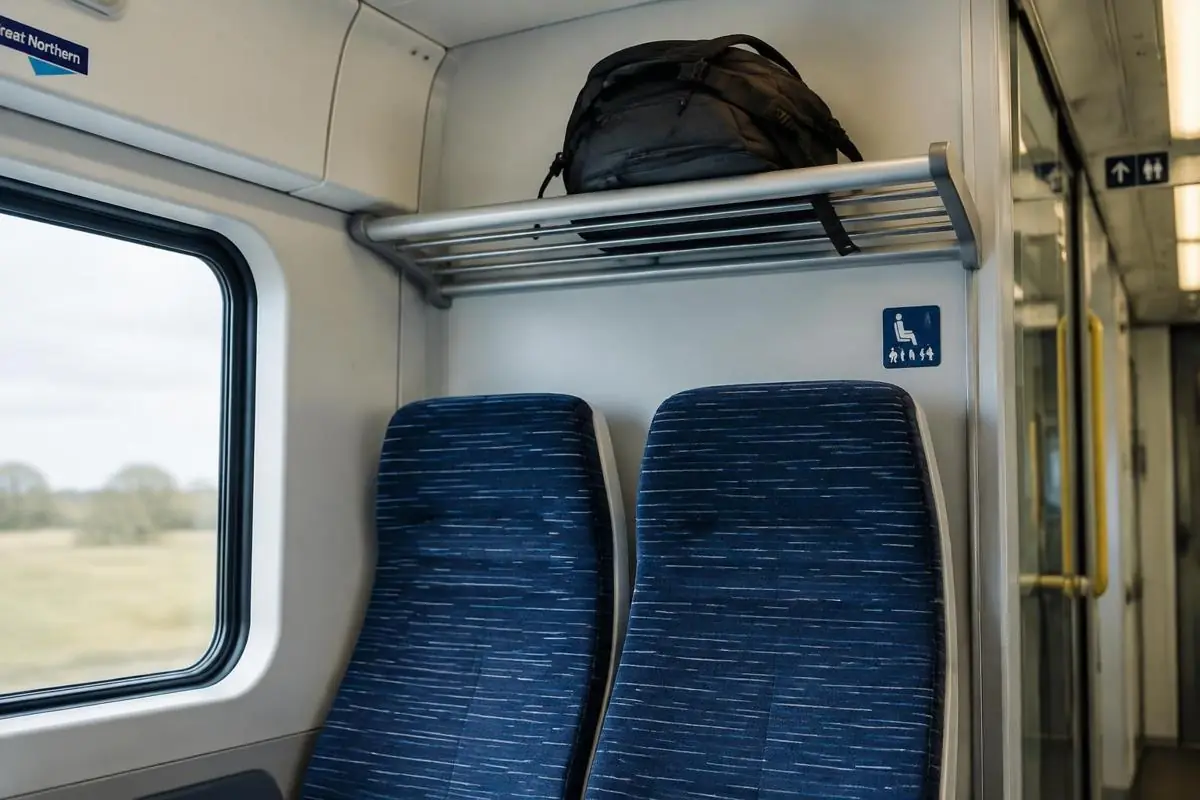
Related practical reading: Bed bug prevention in shared spaces and everyday travel
Ask for luggage advice before assuming the home needs treatment
When contacting a provider, describe the suspected exposure, any evidence, where the luggage has been, and what you have already done. Ask first whether you need identification support, advice on belongings or a property assessment. Suspected luggage exposure does not by itself establish the extent of a home problem or determine the appropriate treatment option.
Bed Bug Heat Control UK can be contacted on 0800 274 0156 or at info@bedbugheatcontroluk.co.uk, from 7am to 10pm Monday to Sunday. For a service enquiry in Bristol, give the property location and explain that your immediate concern is luggage. An enquiry is not a booking, and any quote is property-specific rather than a standard luggage price.
If treatment is recommended, ask how belongings will be assessed and what must remain outside the proposed process. The company offers chemical-free, controlled professional heat at 60–65°C, with a single-day process subject to property assessment. Those operating temperatures are not instructions for household appliances. Ask for the full coverage and conditions of its three-month written guarantee before booking; professional treatment should not be presented as incapable of failure.
Decide what can be released, what stays contained and who advises next
Before returning belongings to wardrobes or putting the suitcase away, review each group against the plan you followed. Which items were laundered according to their labels? Which were only visually checked? Which still need advice? Do not let the absence of a visible insect become the sole reason for declaring every group ready for normal use.
If luggage was opened on a bed or sofa before you became concerned, note that fact and tell the professional adviser. Avoid responding by moving the furniture, emptying every cupboard or transferring belongings to another room. Ask whether the places involved need assessment and what to leave undisturbed. A precise account is more useful than a hurried whole-house reorganisation.
Your next steps should now be specific: keep unresolved belongings closed, arrange care-compatible handling for laundry, and obtain advice on the case and non-washable contents. Give the household a clear update about what may be used and what must stay separate. Retain photographs and a brief record of actions so any follow-up starts with facts rather than another round of uncertain unpacking.
Sources & further guidance
General information, not a diagnosis, medical advice or legal advice. Research and US EPA references provide technical background, not UK law, and do not endorse our company. Your property assessment and the team’s written preparation instructions take priority.