The local library is a pillar of British community life, providing a quiet space for learning and exploration. However, the rise of Cimex lectularius in urban environments has introduced a new concern for book lovers. While we traditionally associate these insects with bedrooms and hotels, public spaces with high footfall and shared items are increasingly becoming transmission points. Libraries, with their soft furnishings, stacks of paper, and rotating inventory of borrowed items, offer a unique habitat for hitchhiking pests. Understanding how bed bugs navigate these public environments is the first step in ensuring your home remains a sanctuary. Bed Bug Heat Control UK offers professional heat treatment services across England and Wales (0800 274 0156), providing a chemical-free solution should a stray insect find its way back in your book bag.
Why libraries are vulnerable to infestations
Public libraries are open environments that welcome hundreds of visitors daily, making them susceptible to the accidental introduction of pests. Bed bugs do not fly or jump; they rely entirely on human movement to colonise new areas. When a person with an active infestation at home carries a backpack or wears a coat that has been stored near their bed, they may unwittingly transport a few insects into the library. Once there, the insects seek out dark, undisturbed crevices where they can wait for a new host or a new object to cling to.
The layout of a modern library often includes upholstered seating, study carrels, and carpeted floors, all of which provide ample hiding spots. Unlike a domestic bedroom where the insects stay close to a sleeping host, library infestations are often more transient. The pests are attracted to the carbon dioxide and body heat of visitors who sit for long periods to read or work. Because libraries are generally kept at a consistent indoor temperature, the insects can survive comfortably throughout the year, regardless of the British weather outside.
Furthermore, the shared nature of library materials creates a unique risk factor. Books are frequently taken into the most intimate areas of people's homes, including bedrooms and lounges. If a borrower has an infestation, the tight spaces between book pages or the hollow cavity of a hardback spine can serve as a perfect refuge for a bed bug. When the book is returned to the library, the insect may remain inside until the book is checked out by the next person, completing a cycle of domestic transmission.
The hidden anatomy of a book infestation
To the untrained eye, a book might seem like an unlikely home for an insect, but the structural design of a book offers several ideal hiding spots. The most common location for bed bugs to hide is within the spine of a hardcover book. The small gap between the bound pages and the outer cover provides a dark, compressed environment that mimics the narrow cracks in a bed frame. Research indicates that these insects prefer tight spaces where their bodies can touch both the top and bottom surfaces, a trait known as thigmotaxis.
Beyond the spine, bed bugs may also hide behind the paper dust jackets of modern hardbacks. These jackets create a secondary layer of protection where eggs can be laid undisturbed. In some cases, if the infestation is significant, small nymphs or even adult bugs might be found flattened between the pages, particularly near the gutter where the pages meet the binding. The fibrous nature of paper also allows the insects to grip the surface effectively, making it unlikely they will simply fall out when the book is moved.
Evidence of their presence in books is often subtle. Rather than seeing a live insect, you might notice tiny dark spots of excrement on the edges of the pages or small, translucent egg casings stuck to the interior binding. Because library staff process thousands of returns, these minute signs can easily be overlooked during a standard check-in. This is why it is prudent for borrowers to conduct their own brief assessment when selecting new reading material from public shelves.
How hitchhiking occurs via personal belongings
While books are a primary concern, the way we use libraries also contributes to the risk of bringing pests home. Many visitors spend hours at a time studying, often placing their rucksacks, laptop bags, or handbags on the floor or on adjacent upholstered chairs. If a bed bug is present in the carpet or the seams of the furniture, it can easily crawl into the folds of a bag or hide within a zip compartment. These insects are highly opportunistic and can move surprisingly quickly when they detect a potential new home.
Outerwear is another common vehicle for transport. In the colder months in England and Wales, library visitors often drape heavy coats over the backs of communal chairs. If a previous occupant left behind a stray insect, it can easily migrate to the next garment. Once you return home and hang your coat in a hallway cupboard or place your bag near the sofa, the insect has successfully bridged the gap from the public sphere to your private living space.
The risk is not limited to the furniture alone. High-traffic areas like computer labs and media rooms are also potential hotspots. The warmth generated by electronic equipment, combined with the presence of stationary human hosts, makes these areas attractive to bed bugs. Because these insects are masters of concealment, you are unlikely to feel one crawling on your clothing or bag, which is why preventative habits are far more effective than relying on spotting a bug in real-time.
Continue the topic: Can you get bed bugs in places without beds?
Inspection techniques for borrowed books
To protect your home, it is a good idea to develop a simple inspection routine for any items borrowed from a library. Before bringing books into your living areas, take them to a well-lit space with a hard surface, such as a kitchen table or a tiled floor. Avoid placing the books on your bed or sofa until you have checked them. Start by removing any removable dust jackets and inspecting the underside of the paper and the surface of the hard cover for any unusual markings or insects.
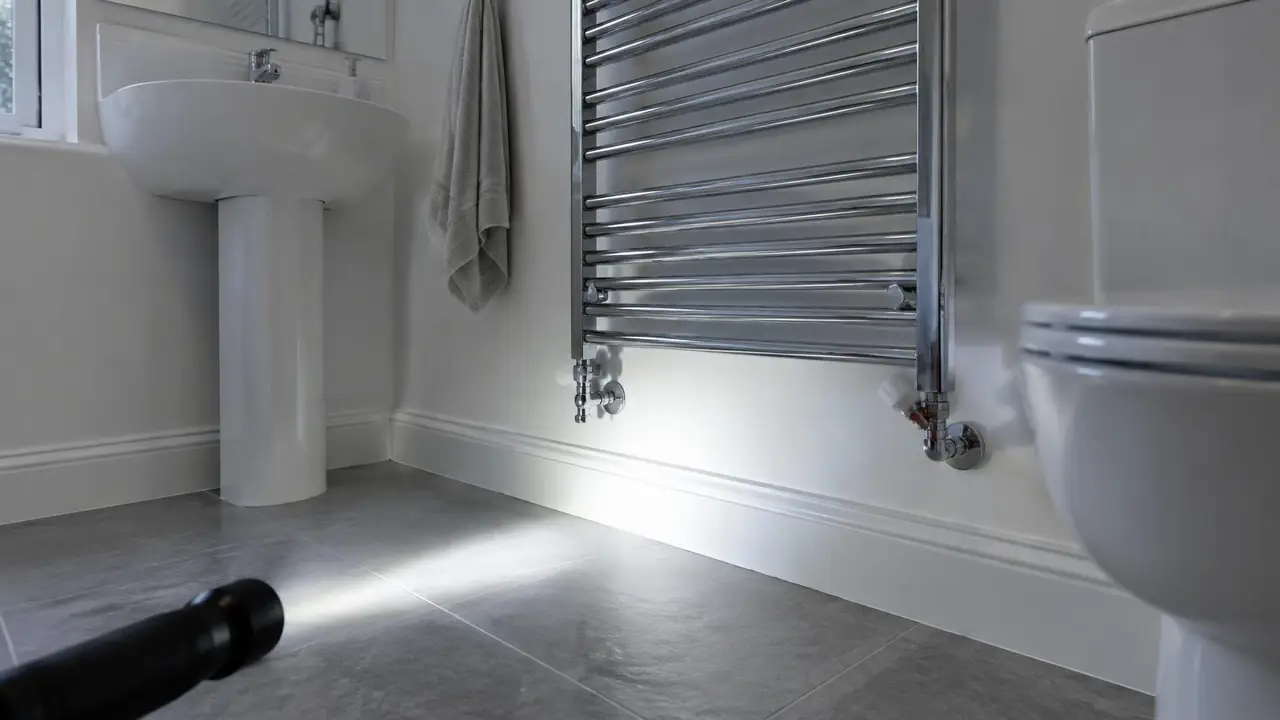
Next, hold the book by its covers and gently fan the pages open over a white surface. This can help dislodge any loose debris or insects that might be hiding between the sheets. Pay close attention to the 'ditch' or the inner margin of the pages. If you have a torch, shine it down the hollow of the spine to see if there is anything wedged inside. This process only takes a minute but can provide significant peace of mind for avid readers who frequently use public collections.
If you discover anything suspicious, such as small black dots that look like ink splatters but don't smudge, or a live insect, do not attempt to treat the book yourself with domestic sprays. Chemical treatments can damage the library's property and are often ineffective against eggs. Instead, place the book inside a high-quality, sealable plastic bag and contact the library to inform them of the situation. They will have their own protocols for handling infested items and will appreciate the proactive communication.
Safe storage practices within the home
One of the most effective ways to prevent a library-sourced infestation is to control where borrowed items are kept inside your house. While the temptation is to read in bed, this is the highest-risk location for a hitchhiking bug to establish a colony. By keeping library books in a designated 'safe zone,' such as a study or a kitchen shelf, you reduce the chance of an insect reaching your mattress or bed frame. Using a clear plastic container to store current library books can also act as a physical barrier.
For those who are particularly concerned, maintaining a 'quarantine' system for borrowed items is a sensible approach. When you return from the library, keep your bags and books away from carpeted areas and upholstered furniture. If you have been sitting in a public space for a long duration, you might choose to place your clothes directly into a tumble dryer on a high heat setting for thirty minutes, as heat is a proven method for eliminating all life stages of bed bugs.
It is important to remember that the vast majority of library books are perfectly safe. The goal of these precautions is not to discourage the use of public libraries, but to incorporate simple habits that reflect the reality of modern pest trends. If you do suspect that a bug has entered your home despite these efforts, it is advisable to seek a professional assessment rather than attempting to resolve the issue with over-the-counter remedies which may cause the insects to disperse further.
The role of heat in modern pest management
When bed bugs are introduced into a home via books or bags, the resulting infestation can be difficult to manage with traditional methods. These insects have developed a significant biological resistance to many common insecticides, which often makes chemical treatments less effective and more time-consuming. This is where heat treatment becomes a superior alternative. By raising the temperature of an affected room to a specific level, we can ensure that every insect and egg is reached, regardless of where they are hiding.
Heat treatment is particularly advantageous for protecting belongings like books and electronics that could be damaged by liquid chemicals. The process involves circulating dry, heated air throughout the space, penetrating deep into the spine of a book, the folds of a sofa, and the cracks in floorboards. Because bed bugs have no biological resistance to heat, this method provides a comprehensive solution that addresses the entire population in a single session, without leaving behind any toxic residues.
At Bed Bug Heat Control UK, we utilise advanced thermal technology to monitor the temperature in real-time, ensuring that every corner of the environment reaches the required threshold. This controlled approach is the most reliable way to handle infestations that have originated from public spaces. For those concerned about the logistics of the process, we provide an official preparation checklist on our website which outlines the few simple steps required to get your home ready for a professional heat treatment.
For a property-specific assessment, see our bed bug heat treatment in Greater London. Share your postcode and property details so the team can confirm coverage and availability.
Public transport and the library commute
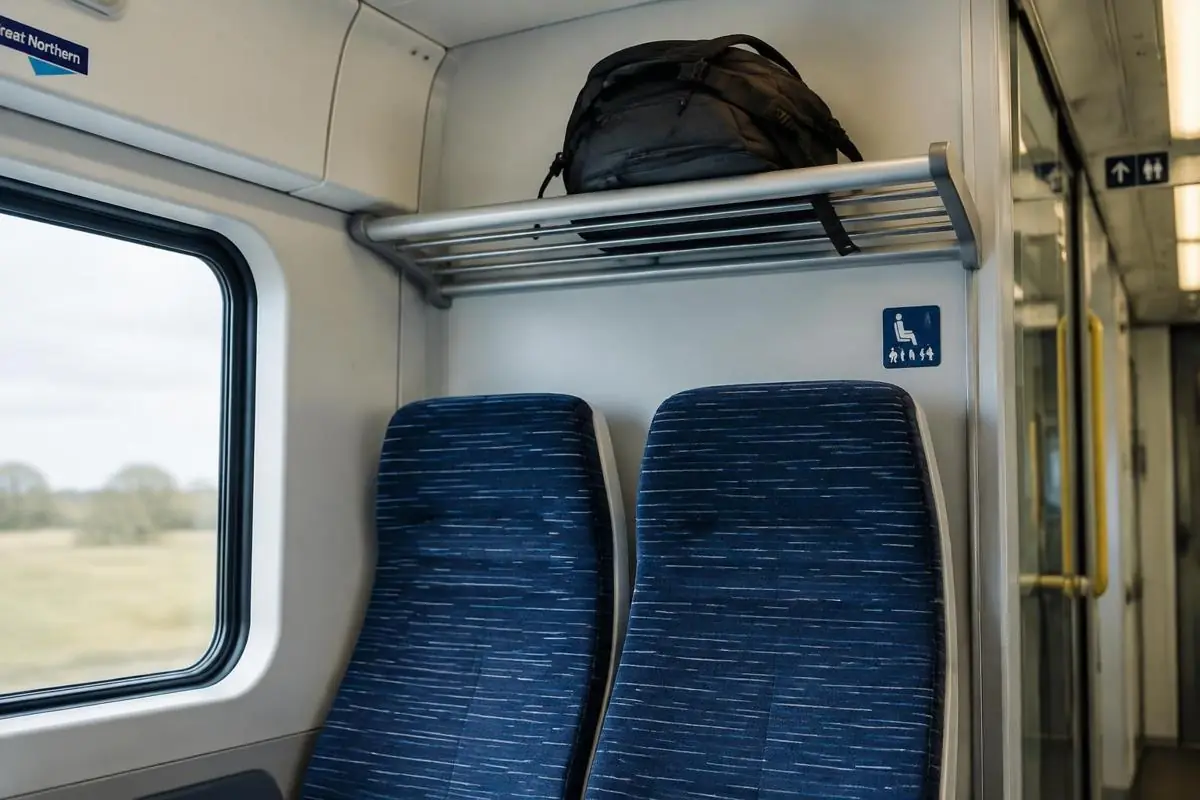
The risk of encountering bed bugs often begins even before you reach the library doors. In many parts of England and Wales, visiting a library involves a trip on a bus or a train. Public transport seating is another known vector for bed bug movement. The fabric seats on buses provide an ideal temporary home for insects looking for their next host. A bug may crawl onto a passenger's clothing during a commute and then be deposited onto a library chair just twenty minutes later.
When using public transport to visit the library, try to remain vigilant about where you place your belongings. Keeping your bag on your lap rather than on the floor or an empty seat can reduce the risk of a hitchhiker climbing aboard. If you are standing, try to ensure your coat does not brush against the upholstery of the seats. These small adjustments in behaviour can significantly lower the cumulative risk of picking up pests during your daily errands.
Upon arriving home from a library trip that involved public transport, a quick check of your bag’s exterior and your trouser cuffs is recommended. Bed bugs are most active in dark, hidden areas, so they will typically try to find a seam or a pocket to tuck into. By catching a stray insect early, you can prevent it from ever reaching your bedroom. If you have concerns about a potential exposure, a professional assessment can help determine if a proactive treatment is necessary to protect your property.
How libraries manage pest concerns
It is reassuring to know that library management teams are increasingly aware of the bed bug threat and take proactive steps to protect their patrons. Many modern libraries have integrated pest management (IPM) programmes in place, which include regular inspections by professionals and training for staff to recognise the signs of an infestation. Some larger facilities even use specially trained scent-detection dogs to scan their collections for the presence of live bed bugs.
When an infestation is identified in a library, they typically employ professional heat treatment services to clear the affected items or areas. This is the preferred method for libraries because it is non-destructive to the books and safe for the public. However, because libraries are high-turnover environments, it is impossible to guarantee that a new insect won't be introduced the very next day. This is why the responsibility for prevention is shared between the institution and the individual borrower.
If you ever notice a problem at your local branch, such as visible insects or signs of damage on the shelves, do not hesitate to inform the staff. They would much rather handle a reported issue than allow a small problem to escalate. Most libraries have a clear protocol for isolating suspected materials and will appreciate your vigilance. By working together, the community can ensure that these vital public spaces remain a clean and welcoming resource for everyone to enjoy.
Related practical reading: Bed bug prevention in shared spaces and everyday travel
Protecting schools and student accommodation
University and school libraries are particularly high-risk zones due to the concentration of students living in close proximity. Student accommodation is notoriously prone to bed bug outbreaks because of the high turnover of residents and the frequent movement of second-hand furniture and textbooks. When students bring their laptops and bags from their dorms to the university library, the potential for cross-contamination between different residential buildings increases exponentially.
For students, the best defence is to be mindful of where they study. Choosing wooden or plastic chairs over upholstered sofas can reduce the likelihood of picking up an insect. Furthermore, students should be wary of buying used textbooks without a thorough inspection. A second-hand book that has spent the last year on a bedside table in a communal house could easily be carrying eggs. A quick leaf through the pages before bringing it into a new flat is a necessary precaution for any savvy student.
If a student residence becomes infested, it is vital to treat the problem professionally and quickly. Attempting to hide the issue or use DIY sprays often leads to the insects spreading to neighbouring rooms via the walls and electrical conduits. Professional heat treatment is the most discreet and effective way to clear a student room, allowing the resident to return to a safe environment without the need to discard their expensive textbooks or electronics, which can be safely treated using controlled thermal air.
Taking action if you suspect an infestation
If, despite your best efforts, you find evidence of bed bugs in your home after a trip to the library, the most important rule is not to panic. While these pests are a significant nuisance, they do not transmit diseases and can be successfully eradicated with the right approach. The first step should always be a professional assessment. An expert can confirm the presence of the insects and determine the extent of the spread, which is crucial for choosing the correct course of action.
Avoid the common mistake of moving furniture or items from the affected room to other parts of the house. This only serves to spread the infestation further. Instead, keep the area contained and consult the official preparation checklist on the Bed Bug Heat Control UK website. This document will guide you through the necessary steps to prepare your home for a heat treatment, ensuring the best possible outcome while protecting your sensitive belongings from the thermal process.
Our team at Bed Bug Heat Control UK provides a specialist, chemical-free heat treatment service that is ideal for homes where books and delicate items are a concern. Covering all of England and Wales, we are available from 7am to 10pm daily on freephone 0800 274 0156. We focus on providing a thorough, family-friendly service that restores your home to its pest-free state in a single visit, allowing you to return to your reading without the worry of unwanted hitchhikers.
Sources & further guidance
General information, not a diagnosis, medical advice or legal advice. Research and US EPA references provide technical background, not UK law, and do not endorse our company. Your property assessment and the team’s written preparation instructions take priority.