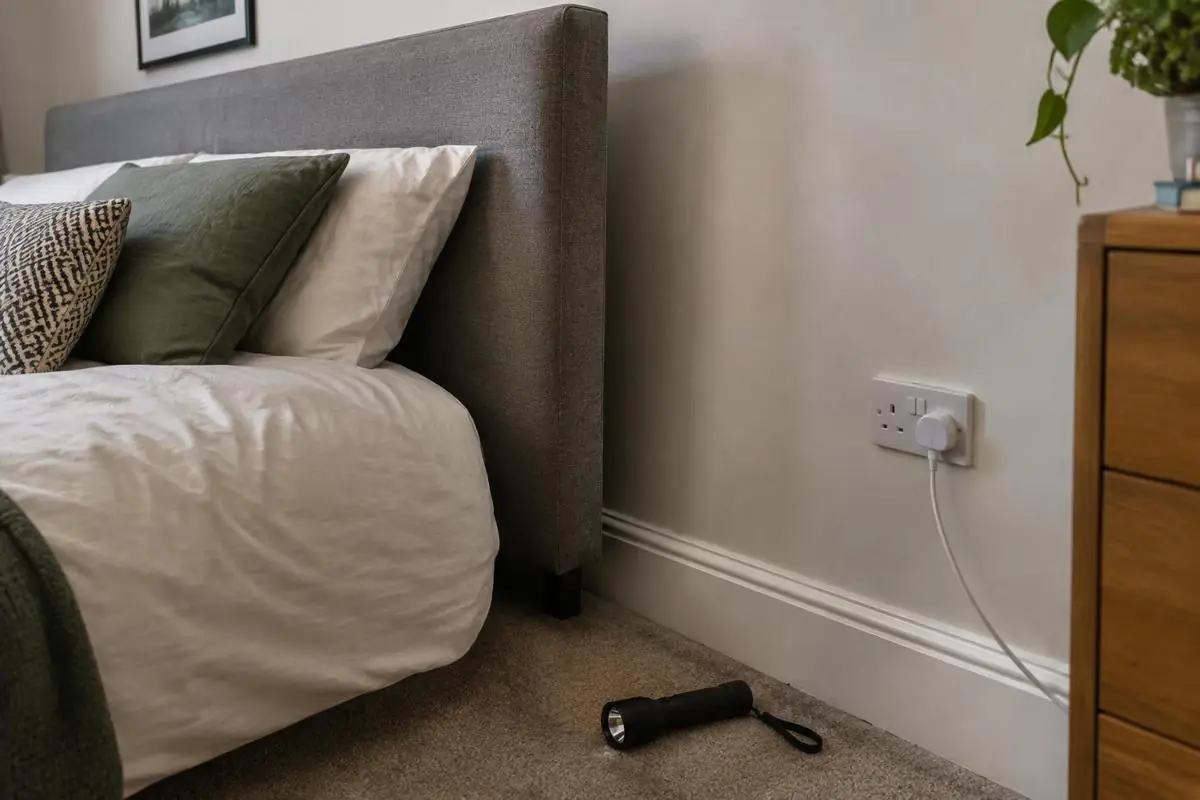
The name 'bed bug' often leads to a common misconception that these elusive parasites are exclusively confined to mattresses and bed frames. In reality, the Cimex lectularius is a highly adaptable hitchhiker capable of colonising almost any environment where a host remains stationary for a period. Whether it is a residential property, a commercial office, or a public transport vehicle, these pests can thrive as long as they have access to a blood meal or a suitable hiding spot. Understanding that an infestation is not restricted to the bedroom is the first step in effective management. Bed Bug Heat Control UK provides specialised chemical-free heat treatments across England and Wales to address these pervasive insects, ensuring that no matter where they hide, they are reached by lethal temperatures. If you suspect an issue, you can reach our team daily from 7am to 10pm on 0800 274 0156.
The Evolution of Bed Bug Habitats
To understand why bed bugs are found in locations without beds, it is helpful to look at their evolutionary history. Long before they became a nuisance in human dwellings, these insects were cave dwellers that primarily fed on the blood of bats. As humans began using caves for shelter, the bugs transitioned to this new, abundant food source. This history demonstrates that the primary requirement for a bed bug is not a specific piece of furniture, but rather a host and a protected crevice to retreat to after feeding.
Over centuries, bed bugs have refined their ability to live in close proximity to humans without being detected. While the bed provides the most convenient access to a sleeping host, the insects are not biologically tethered to it. Their flattened bodies allow them to squeeze into gaps as thin as a credit card, which are found in skirting boards, electrical sockets, and behind wallpaper. This adaptability means that any room in a house or any public building can support a population if the conditions are right.
When a property becomes infested, the bugs will naturally congregate near the host, but as the population grows, they begin to migrate. This dispersal is often driven by a need for space or a search for new hosts. Consequently, a home with a severe infestation may have bed bugs in the lounge, the study, or even the kitchen. Recognising that the problem extends beyond the mattress is crucial for any homeowner attempting to identify the scale of their pest issue.
Public Spaces and Unexpected Locations
In recent years, reports of bed bugs in public spaces have increased significantly across the UK. Locations such as cinemas, libraries, and theatres provide ample opportunities for these pests to hide in upholstered seating. Because these venues see a high turnover of people, a single bug dropped from a passenger's clothing can quickly find a new host to hitch a ride with. This cycle of movement allows infestations to spread rapidly through urban environments without ever needing a traditional bed.
Retail environments and offices are also susceptible. In an office setting, bed bugs may reside in the seams of ergonomic chairs or within the cracks of wooden desks. Employees might unknowingly bring them in on backpacks or coats, leading to a localized infestation in a communal area. Because people sit at desks for several hours a day, the bugs have a consistent window of time to feed, mimicking the conditions they find in a bedroom at night.
Public transport, including buses and trains, acts as a primary vector for the spread of bed bugs between homes and workplaces. The fabric used in transport seating offers numerous hiding spots. A commuter sitting down for a thirty-minute journey is all the time a bed bug needs to crawl from a seat onto a piece of luggage or a trouser leg. This demonstrates that the absence of a bed does not hinder the insect's ability to survive or propagate within a community.
Survival Mechanisms Without a Host
One of the most challenging aspects of bed bug biology is their ability to survive for extended periods without feeding. In temperate conditions, an adult bed bug can live for several months, and in some documented cases even longer, without a blood meal. This physiological resilience allows them to persist in empty properties, storage units, or holiday rentals that remain vacant for the off-season. When a new occupant eventually arrives, the bugs emerge from dormancy to feed.
This survival strategy means that simply leaving a room unused will not eradicate an infestation. The bugs will simply enter a state of reduced activity, waiting for the carbon dioxide and heat signals that indicate a host has returned. Furthermore, they are capable of travelling significant distances within a building. If a food source disappears in one room, they can move through wall voids and plumbing runs to find a host in an adjacent apartment or room.
Their ability to withstand starvation is coupled with an ability to tolerate a range of temperatures, although they are highly susceptible to extreme heat. This is why professional heat treatment is often recommended over chemical alternatives. While chemicals require the bug to come into direct contact with a residue, heat penetrates the very crevices where bugs hide during their long periods of inactivity, ensuring that even those deep within the structure of a building are neutralised.
Continue the topic: Where bed bugs hide beyond the mattress
Common Hiding Spots in the Living Room
After the bedroom, the living room is the most common site for a bed bug infestation. Sofas and armchairs are primary targets because they offer the same benefits as a bed: soft fabric, deep crevices, and a host who remains stationary for long periods while watching television or reading. Bugs can hide in the piping of cushions, under the dust cover on the bottom of the furniture, or within the reclining mechanisms of modern seating.
Beyond the seating, bed bugs are often found in rugs and carpets. They tend to stay towards the edges, where the carpet meets the skirting board, as this provides a secure hiding spot. They may also be found behind picture frames, inside decorative items, or within the folds of curtains. Because these areas are less frequently disturbed than a bed, a small population can grow unnoticed for a period of time until the numbers become significant.
Electronics in the living room can also serve as unconventional homes for these pests. The warmth generated by cable boxes, games consoles, or routers can attract bed bugs, who crawl into the vents of the devices. This is particularly problematic because it makes the bugs portable; an infested electronic item moved to a different house can start a new colony. A professional assessment is often necessary to identify these less obvious harbourage points.
The Role of Clutter in Infestations
Clutter is one of the greatest allies of a bed bug population. In any room, whether it contains a bed or not, an accumulation of items provides an infinite number of hiding spots that are difficult to inspect. Stacks of magazines, piles of clothing, and boxes of stored goods offer the dark, undisturbed environments that bed bugs prefer. When a room is heavily cluttered, traditional treatments may struggle to reach every insect, which is why heat treatment is so effective.
It is important to note that bed bugs are not attracted to dirt or poor hygiene; they are purely attracted to the host. However, a cluttered environment makes it much easier for them to avoid detection and survive. In a clean, minimalist room, a bed bug moving across a wall or floor is much more likely to be spotted early. In a room filled with belongings, they can move freely between items without ever being seen by the residents.
When preparing for a professional intervention, managing clutter is a vital step. We advise all clients to follow the official preparation checklist available on our website to ensure the space is ready for treatment. Reducing the number of potential hiding spots allows the heat to circulate more effectively, ensuring that the thermal energy reaches every corner of the room. This preparation is a collaborative effort between the homeowner and the technician to achieve the best results.
Bed Bugs in Educational and Workplace Settings
Schools, universities, and libraries are increasingly becoming hotspots for bed bug activity. In these environments, the pests are usually introduced via students' or visitors' bags and coats. Once inside a library, for example, bed bugs can hide in the spines of books or in the gaps of wooden shelving. While they may not find a host to feed on overnight, the constant influx of people during the day provides sufficient opportunities for sustenance.
In workplaces, the spread is often facilitated by locker rooms or communal cloakrooms. When jackets are hung in close proximity, bed bugs can easily crawl from one garment to another. This is often how an infestation 'follows' a person home from work. Even in modern office buildings with no beds, the presence of upholstered dividers and fabric-covered cubicle walls provides ample surface area for bed bugs to cling to and hide within.
If an employer or facility manager suspects bed bugs, a discreet and thorough professional assessment is required. Because these environments are high-traffic, the goal is to identify the source and contain the spread before it impacts a larger number of people. Heat treatment is particularly well-suited for these settings as it is non-toxic and allows the space to be returned to use relatively quickly compared to some chemical protocols.
For a property-specific assessment, see our bed bug heat treatment in Warwickshire. Share your postcode and property details so the team can confirm coverage and availability.
How Bed Bugs Travel Between Rooms
Bed bugs are surprisingly mobile and can travel up to 30 metres (approximately 100 feet) in a single night. This mobility allows them to move from a bedroom into other areas of the house with ease. They often follow the lines of the building, such as the space behind skirting boards or along electrical wiring and plumbing pipes. This means that a problem starting in one room can quickly become a whole-house issue if left unaddressed.
In multi-occupancy buildings like flats or terraced houses, bed bugs can even travel between different residences. They can crawl through the gaps around radiator pipes or through shared wall cavities. This is why it is often recommended that neighbouring units be inspected when an infestation is found. If the bugs are moving through the structure of the building, treating only one room or one flat may not be enough to resolve the broader problem.
The insects are also excellent at 'hitchhiking' on human activity. If you move a laundry basket from an infested bedroom to the kitchen, or take a laptop from the lounge to the study, you could be inadvertently transporting bugs or eggs. This internal movement within a property is a primary reason why infestations are rarely confined to just the bed. A comprehensive approach that considers the entire layout of the property is essential for successful eradication.
Identifying Infestations in Non-Bedroom Areas
Detecting bed bugs in areas without beds requires a keen eye for subtle signs. While you won't necessarily find them on a mattress, you should look for small dark spots of excrement on skirting boards, chair frames, or near electrical outlets. These spots often look like tiny dots made by a felt-tip pen. You might also find translucent shed skins, which the nymphs cast off as they grow through their five developmental stages.
Another sign is the presence of tiny, pearly-white eggs, which are often tucked into cracks or glued to rough surfaces like fabric or wood. In a lounge, these might be found in the crevices of a wooden coffee table or along the seams of a rug. Because bed bugs are nocturnal and shy away from light, you may need a torch to inspect deep into shadows and gaps where they are likely to be hiding during daylight hours.
If you are experiencing bites but cannot find evidence in your bed, it is time to look elsewhere. Bites often appear in clusters or lines on exposed skin, such as arms, legs, or the neck. If you spend your evenings on a particular sofa or work in a specific home office chair, focus your inspection there. If you remain unsure, a professional assessment can provide clarity and help identify exactly which areas of your home require attention.
Related practical reading: Bed bugs in libraries and public buildings
The Importance of Chemical-Free Heat Treatment
When dealing with infestations that have spread to various parts of a home, traditional chemical sprays can face limitations. Many bed bug populations have developed a biological resistance to common insecticides, making them harder to kill with standard treatments. Furthermore, chemicals must be applied directly to surfaces, which can be problematic in areas with sensitive electronics, kitchens, or where children and pets spend a lot of time.
Heat treatment offers a comprehensive alternative by using controlled, high temperatures to eliminate all stages of the bed bug life cycle, including the resilient eggs. Because heat is delivered via air, it permeates every corner of a room, flowing into the very cracks and crevices that liquid sprays might miss. This 'whole-room' approach ensures that bugs hiding in skirting boards, furniture joints, and wall voids are reached and neutralised simultaneously.
Our process at Bed Bug Heat Control UK involves checking surface temperatures with thermal imaging cameras to help ensure the entire space reaches the required thermal threshold. This method is environmentally friendly and does not leave behind any chemical residues, allowing residents to return to their homes with peace of mind. By treating the environment as a whole, we address the reality that bed bugs are not just a 'bed' problem, but a structural one.
Professional Assessment and Prevention
If you suspect that bed bugs have moved into your home or place of work, the first step should always be a professional assessment. Attempting to tackle a widespread infestation with store-bought products often results in the bugs scattering further into the building's structure, making the eventual professional treatment more complex. An expert can identify the specific harbourage points and determine the extent of the spread across different rooms.
Once a treatment has been completed, prevention becomes the priority. Being mindful of where you place bags in public spaces and inspecting second-hand furniture before bringing it into your home are two effective strategies. If you travel frequently, checking hotel rooms and keeping your luggage off the floor can reduce the risk of bringing unwanted guests home. Early detection is always the best defence against a large-scale infestation.
Bed Bug Heat Control UK is dedicated to providing effective, chemical-free solutions for homes and businesses across England and Wales. Our experienced team understands the stress that an infestation can cause, especially when it spreads to living areas and offices. We are available from 7am to 10pm every day to offer advice and schedule inspections. For a thorough and professional service, contact us on our freephone number 0800 274 0156.
Sources & further guidance
General information, not a diagnosis, medical advice or legal advice. Research and US EPA references provide technical background, not UK law, and do not endorse our company. Your property assessment and the team’s written preparation instructions take priority.