Finding bed bugs in the bathroom can be a disorienting experience for any homeowner in England or Wales. While these parasitic insects are traditionally associated with sleeping quarters, they are highly mobile opportunists capable of navigating various rooms within a domestic setting. Understanding the specific factors that draw them into wet rooms is essential for managing a household infestation effectively. Bed Bug Heat Control UK provides specialised thermal solutions to address these hidden populations, ensuring that every corner of the property is reached. This guide explores the biological and environmental reasons behind bathroom sightings, the risks of hitchhiking via toiletries, and why a professional assessment is often necessary to determine the full extent of the problem throughout your home.
The Role of Laundry Baskets in Pest Migration
One of the primary reasons bed bugs are discovered in bathrooms relates to the common habit of storing laundry baskets in these areas. Scientific research, including studies cited by the University of Sheffield, indicates that bed bugs are significantly attracted to the scent of human skin cells and perspiration left on worn clothing. When you deposit soiled garments into a hamper, you are essentially creating a beacon for any active insects in the nearby vicinity.
If a bedroom infestation is already present, adult bugs or nymphs may migrate toward the bathroom, drawn by the olfactory cues emanating from the laundry. Once they reach the basket, they find an ideal environment filled with dark crevices and organic scents. This often results in a secondary colony forming within the bathroom itself, particularly if the laundry is left sitting for several days before being washed at a high temperature.
To mitigate this specific risk, many experts recommend moving laundry facilities away from high-moisture areas or ensuring that baskets are emptied frequently. However, if insects have already established a presence within the skirting boards or tile gaps of the bathroom, simply moving the clothes may not be enough. Professional heat treatment is frequently required to penetrate the structures surrounding the laundry area to ensure all life stages are addressed.
Hitchhiking via Toiletries and Travel Bags
Travel is the most frequent method for bed bugs to enter a new property, and the bathroom is often the first place we unpack. When returning from a holiday or business trip, many people bring their wash bags, make-up cases, and toiletry kits directly into the bathroom. If these items were stored on a hotel luggage rack or near a bed during the trip, they could easily be harbouring stowaway insects or microscopic eggs.
Bed bugs are adept at hiding in the small seams of zip-up bags or underneath the folds of plastic vanity kits. When these items are placed on a bathroom counter, the insects may emerge during the night to seek out a new hiding spot. Because bathrooms often contain numerous small gaps around vanity units and plumbing fixtures, the pests can quickly disappear from sight before the homeowner even realises they have arrived.
This mode of entry explains why a bathroom might show signs of activity even if the bedrooms appear clear initially. It is a common misconception that bed bugs only travel on mattresses; in reality, any item that spends time in an infested environment can serve as a vehicle. If you suspect your travel gear has introduced pests, a professional assessment can help identify the primary entry points and contain the spread.
The Attraction to Heat and Moisture
Bed bugs are ectotherms, meaning their body temperature and activity levels are influenced by their surroundings. While they do not seek out extreme heat in nature, they are naturally attracted to the moderate warmth generated by domestic heating systems and hot water pipes. Bathrooms in the UK are often among the warmest rooms in the house due to towel rails, underfloor heating, and frequent use of hot water.
In addition to warmth, humidity plays a subtle role in bed bug survival. While they do not require high humidity to live, an environment that is not excessively dry can help prevent desiccation, particularly for younger nymphs. The steam generated by showers and baths creates a microclimate that can be attractive to various household pests, including Cimex lectularius, especially if the rest of the house is significantly cooler.
Ventilation is often cited as a preventative measure, as opening windows or using extractor fans helps regulate the temperature and moisture levels. However, if an infestation is already active, these environmental changes will not eliminate the bugs. They will simply retreat further into the wall voids or behind tiles where the temperature remains stable, waiting for the next opportunity to move toward a host.
Continue the topic: Where bed bugs hide beyond the mattress
Concealment Opportunities in Bathroom Structures
The physical layout of a standard British bathroom provides a wealth of harbourage sites that are often overlooked during routine cleaning. Unlike a bedroom where the mattress is the primary focus, a bathroom offers complex plumbing networks, boxed-in pipework, and cabinetry. Bed bugs are thigmotactic, meaning they prefer to be in tight spaces where their bodies are in contact with surfaces on all sides.
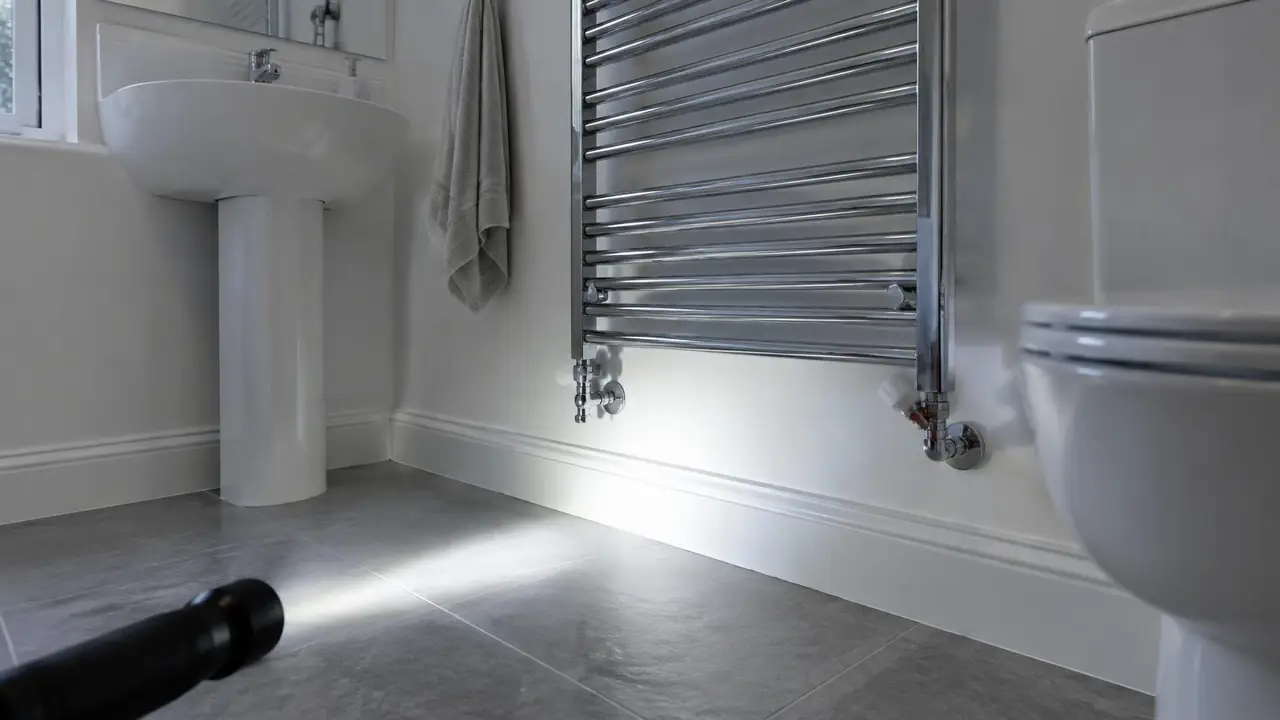
Gaps behind the toilet cistern, crevices where the sink meets the wall, and the undersides of shelving units are all prime real estate for a hiding insect. Even more problematic are cracked tiles or degraded grout lines, which provide deep sanctuary that topical cleaning products cannot reach. These areas allow the pests to remain undisturbed during the day while staying close to the pathways humans take.
When these hiding spots are integrated into the building's structure, traditional methods often fail to reach the deep recesses where eggs are laid. This is where chemical-free heat treatment excels, as the raised temperature radiates through solid materials like wood and ceramic. By heating the entire room, the thermal energy reaches into the wall voids and under the flooring where the bugs are sheltering.
Migration Through Shared Plumbing and Voids
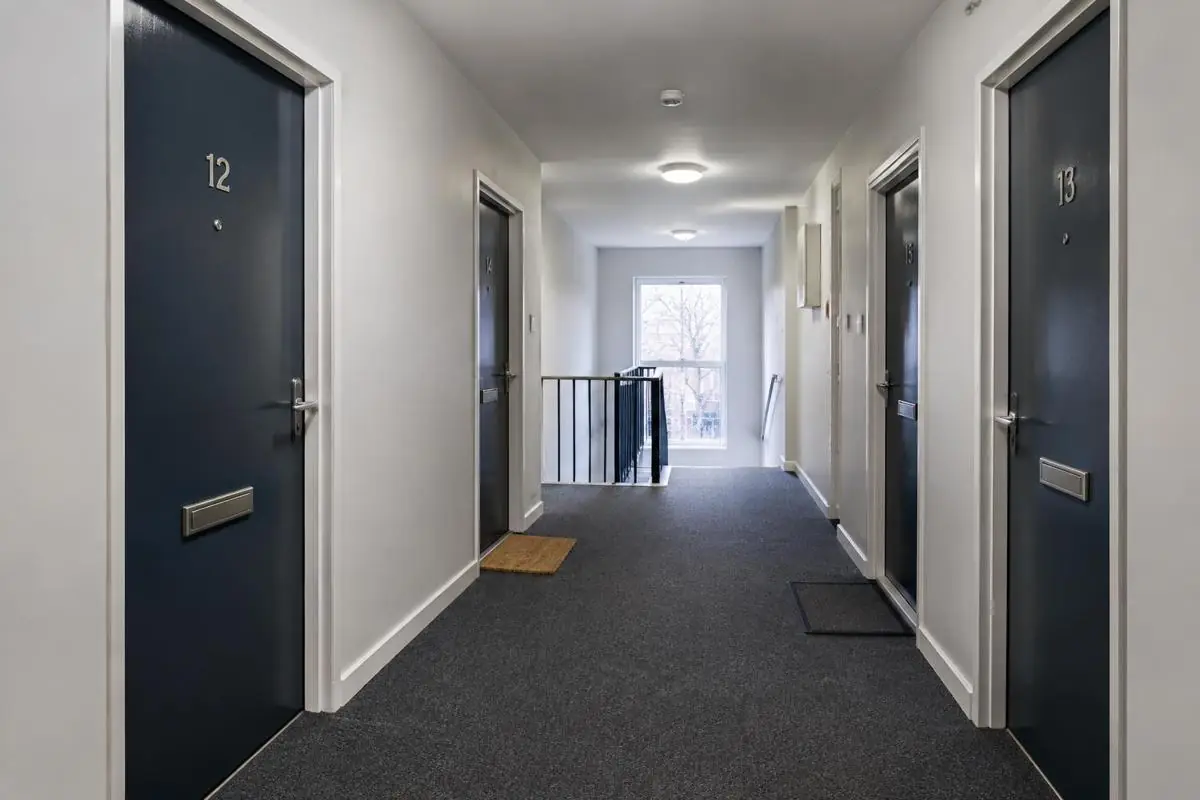
In flats, apartments, or terraced houses in England and Wales, bed bugs can travel between units using the interconnected networks of pipes and electrical conduits. The bathroom is a common hub for these utilities, providing a direct highway for insects to move from a neighbour's property into yours. They follow the warmth of the pipes or the air currents within the wall cavities to find new feeding grounds.
If you discover bed bugs in your bathroom but have not recently travelled or brought in second-hand furniture, it is possible they have migrated from an adjacent property. This is a common occurrence in high-density housing where infestations can spread through the building's skeleton. In these cases, the bathroom often acts as the initial 'beachhead' for the insects before they move toward the bedrooms.
Identifying migration from a neighbouring flat requires a thorough professional inspection. Pest control technicians can often spot the signs of movement around pipe collars and ventilation ducts. If a multi-unit infestation is suspected, a coordinated approach using heat treatment is often the most effective way to ensure the insects are stopped from moving back and forth between the walls.
Why Chemical Sprays Often Fail in Bathrooms
Treating a bathroom with traditional chemical sprays presents several challenges. The high moisture levels and frequent cleaning of bathroom surfaces can cause residual insecticides to break down more quickly than in other rooms. Furthermore, the presence of toiletries and personal hygiene items makes the application of certain chemicals less desirable for residents concerned about cross-contamination.
Bed bugs have also shown increasing physiological resistance to many common pyrethroid-based sprays used by DIY enthusiasts and some pest controllers. When these chemicals are applied, they may not kill the insects but instead cause them to scatter. This 'flushing' effect can drive the bugs deeper into the wall voids or into other rooms, potentially worsening the infestation throughout the property.
Because heat treatment is non-toxic and relies on physics rather than chemistry, it avoids the issues of resistance and surface degradation. The process involves raising the room temperature to a level that is lethal to all life stages of the bed bug, including the eggs. This is particularly beneficial in a bathroom environment where you want to avoid leaving long-lasting chemical residues on surfaces you touch daily.
For a property-specific assessment, see our bed bug heat treatment in East Sussex. Share your postcode and property details so the team can confirm coverage and availability.
The Importance of Professional Assessment
If you spot a single bed bug in your bathroom, it is rarely an isolated incident. Because these pests are primarily nocturnal and highly skilled at hiding, a visible insect often suggests a larger population nearby. A professional assessment is the only way to accurately map the extent of the infestation and determine if the bathroom is the source or merely a transit point.
Our team at Bed Bug Heat Control UK uses specialised monitoring and inspection techniques to locate harbourage sites that are invisible to the untrained eye. We look for subtle signs like cast skins, faecal spotting, and egg clusters in the most unlikely places, such as behind mirrors or inside light fixtures. This comprehensive approach ensures that the subsequent treatment is targeted and effective.
Trying to resolve the issue yourself often leads to prolonged infestations and increased stress. By the time most people notice bugs in a secondary location like the bathroom, the population has usually become established. Seeking expert advice early can prevent the insects from spreading to every room in the house, saving time and potential damage to your belongings in the long run.
Preparing for Bathroom Heat Treatment
When a heat treatment is scheduled, the preparation phase is vital for success. While the bathroom may seem like a simple space to clear, there are specific items that must be handled correctly to allow the heat to circulate and to prevent damage to heat-sensitive products. It is essential that homeowners do not attempt to guess what needs to be moved or treated.
Rather than following generic advice found online, we provide a specific, official preparation checklist on our website. This document outlines exactly how to handle toiletries, aerosols, and delicate fixtures before our technicians arrive. Following this list ensures that the thermal energy can reach every potential hiding spot without being blocked by cluttered cupboards or stacked towels.
Proper preparation also involves ensuring that the air can flow freely around plumbing fixtures and vanity units. Our technicians will use high-powered fans to direct the heated air into the specific gaps identified during the assessment. By adhering to the preparation guidelines, you allow us to deliver a thorough treatment that addresses the bugs hiding behind tiles and under the flooring.
Related practical reading: Can you get bed bugs in places without beds?
Environmental Benefits of Heat Over Chemicals
In the modern home, many people are looking for ways to manage pests without the use of harsh synthetic substances. This is particularly relevant in the bathroom, where we are often in direct skin contact with surfaces. Heat treatment is a purely physical process that uses controlled hot air to eliminate insects, making it an environmentally responsible choice for families and pet owners.
Because the process leaves no toxic residue, the bathroom can be used normally almost immediately after the room has cooled down. There is no need to worry about the safety of toothbrushes, towels, or bath mats that may have been present during the process (provided they were handled according to the prep list). This lack of chemical footprint is a major advantage for those with sensitivities or respiratory issues.
Furthermore, heat is the only method that reliably kills bed bug eggs in a single session. Many chemical treatments require multiple visits because they only affect the hatched nymphs and adults, leaving the eggs to hatch later and restart the cycle. By eliminating the entire lifecycle in one go, heat treatment reduces the overall environmental impact associated with repeated pest control visits.
Long-Term Monitoring and Prevention
After a successful heat treatment, maintaining a vigilant eye on the bathroom can help prevent future re-infestations. Being mindful of where you place luggage after a trip and inspecting laundry hampers regularly are good habits to adopt. While no treatment can prevent a new insect from being carried into the home tomorrow, understanding the risks helps you catch problems early.
If you live in a high-risk building, such as a large block of flats, you might consider installing passive monitors in the bathroom near pipe entries. These devices can provide an early warning sign if bugs are migrating from elsewhere. However, if you do see signs of a return, it is important to contact a professional immediately rather than attempting DIY fixes that may cause the bugs to hide deeper.
At Bed Bug Heat Control UK, we are committed to helping residents across England and Wales reclaim their homes from these persistent pests. Our family-run team is available from 7am to 10pm daily on freephone 0800 274 0156 to offer advice and arrange for professional thermal treatments. Whether the bugs are in your bedroom or your bathroom, we have the technology to resolve the issue safely and effectively.
Sources & further guidance
General information, not a diagnosis, medical advice or legal advice. Research and US EPA references provide technical background, not UK law, and do not endorse our company. Your property assessment and the team’s written preparation instructions take priority.