Chemical-free heat treatment for households with children and pets is a question of planning, not simply choosing an alternative to sprays. A home can be treated without treatment chemicals and still require strict boundaries around access, temperature and belongings. For families, the useful questions are practical: where will everyone spend the day, what happens to an aquarium, and who decides when children and animals can return? This guide focuses on those household decisions rather than the technical treatment process or a complete preparation checklist. Bed Bug Heat Control UK uses controlled professional heat at 60–65°C, with the property assessed before arrangements are confirmed. That makes an individual conversation essential. Explain who lives in the home, which animals you keep and any items or routines that could make leaving or returning more complicated.
1. Treat chemical-free as a description, not a safety guarantee
Chemical-free describes the treatment approach; it does not mean the property remains suitable for normal family use while work takes place. Controlled heat at 60–65°C is a professional treatment environment, not a comfortable room temperature. People and pets must leave, and access needs to remain under the treatment team's control until return is authorised.
Avoid turning that description into a medical promise. It does not establish that treatment is suitable for every person's health circumstances, prevent future bites or guarantee that a child or animal will experience no difficulty. Where a household member has particular health needs, discuss the practical arrangements with the provider and seek individual advice from an appropriate healthcare professional.
Ask what chemical-free covers in the proposed service, including whether any additional products are being suggested separately. You need a clear account of the actual plan, not an assumption based on a headline. Choosing heat also does not require believing that chemical treatments never work; the decision should reflect the assessed property and your household's circumstances.
2. Confirm the problem before organising a family evacuation
Before arranging childcare, pet accommodation or time away from home, establish why bed bugs are suspected. Bites alone cannot identify them. The NHS describes bites that can appear in groups, but a pattern on skin is not sufficient evidence for committing a household to treatment. Ask what inspection evidence supports the recommendation for your property.
Keep this conversation separate from health questions. A treatment provider can explain the evidence for a pest problem and the proposed response; that is not the same as diagnosing a rash or predicting how someone's skin will recover. Avoid promising children that treatment will immediately stop every itch or resolve all the reasons they have been sleeping badly.
If the evidence remains uncertain, ask what further assessment is needed before treatment is agreed. You do not need to repeat a detailed inspection yourself or move furniture around to prove the point. The immediate decision is whether there is enough reliable information to justify the disruption, and whether the provider has explained both the basis and the limits of its assessment.
3. Arrange a place where everyone can genuinely stay away
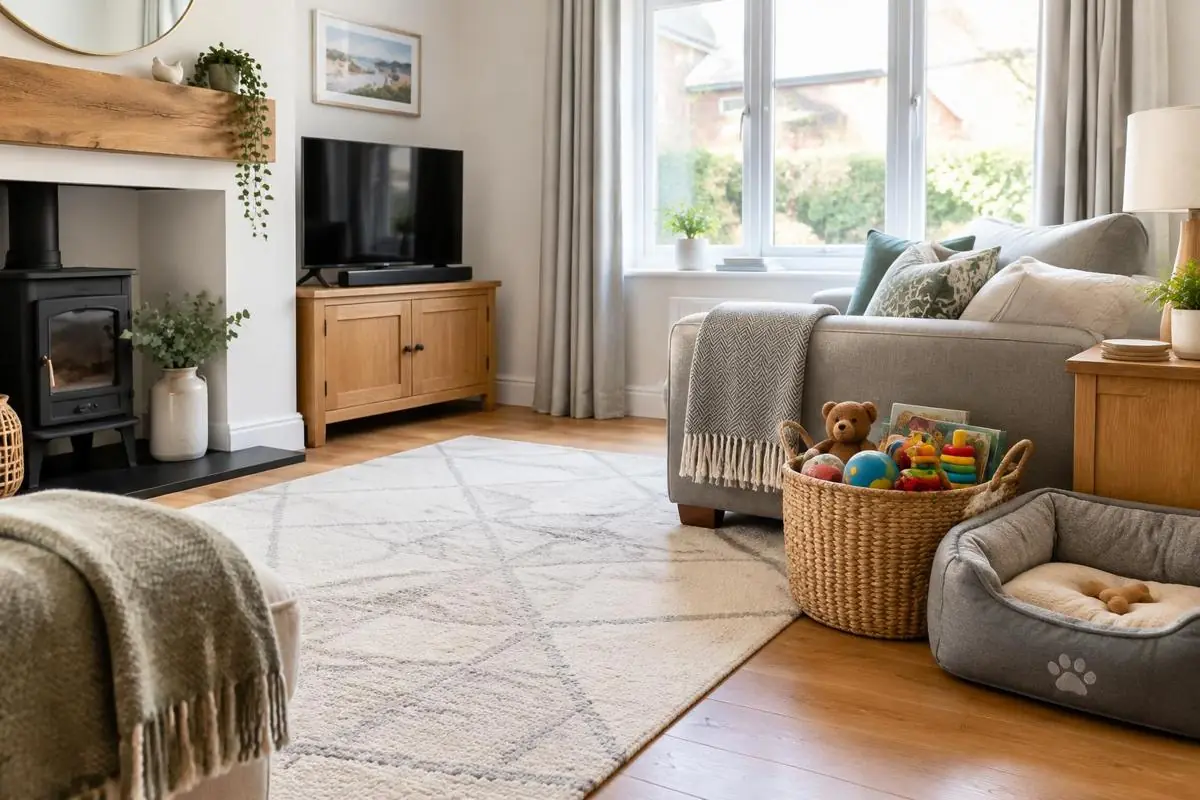
Plan an absence that works for the whole household, rather than assuming everyone can wait nearby and pop back inside. Children, adults and pets must leave the treatment area. Give the provider a complete picture of who normally occupies the property, including anyone who might arrive independently, such as a teenager returning from school or a regular visiting carer.
Bed Bug Heat Control UK describes a single-day process, subject to property assessment. That is not a fixed return appointment or a promise that your usual evening routine will be unaffected. Ask when a realistic schedule will be available, who will update you if it changes, and what arrangements must remain flexible until the property is released for return.
Choose somewhere suitable for the length of absence discussed, with permission for any animals accompanying you. Agree who collects children and who stays with pets if the timetable shifts. If you cannot arrange a workable absence, raise that before booking rather than hoping one room can remain available. The provider needs to assess the plan, not discover the obstacle on treatment day.
Continue the topic: Why DIY heating and quick bed bug remedies can make things worse
4. List every pet, including animals that cannot simply travel
Do not use 'we have pets' as shorthand for a dog or cat. Tell the provider about every animal, including those living in cages, tanks or other enclosures. The requirement to leave needs an actual relocation plan for each animal; closing a door or leaving an enclosure in an apparently separate corner is not an agreed safety arrangement.
Fish deserve an explicit discussion because moving them involves more than carrying a pet out of the front door. Describe the aquarium, its location and the practical difficulty of relocating its occupants and equipment. Ask what must happen before treatment can proceed. Do not assume that an aquarium may stay because the fish are surrounded by water.
Seek species-appropriate relocation advice from a vet or suitable animal-care professional where needed, rather than improvising changes to an animal's environment. The treatment provider should address compatibility with the treatment plan, not offer medical guarantees about animal welfare. If those arrangements cannot be reconciled, pause and discuss the options before agreeing a date. Practical difficulty is a reason to plan earlier, not to leave animals behind.
5. Raise plants and sensitive belongings before anything is moved
Plants are easy to overlook when attention is on children and animals. Tell the provider about indoor plants and ask whether they need to be removed or otherwise addressed before treatment. Do not assume a living plant will tolerate the planned conditions simply because it normally sits in a warm room or receives direct sunlight.
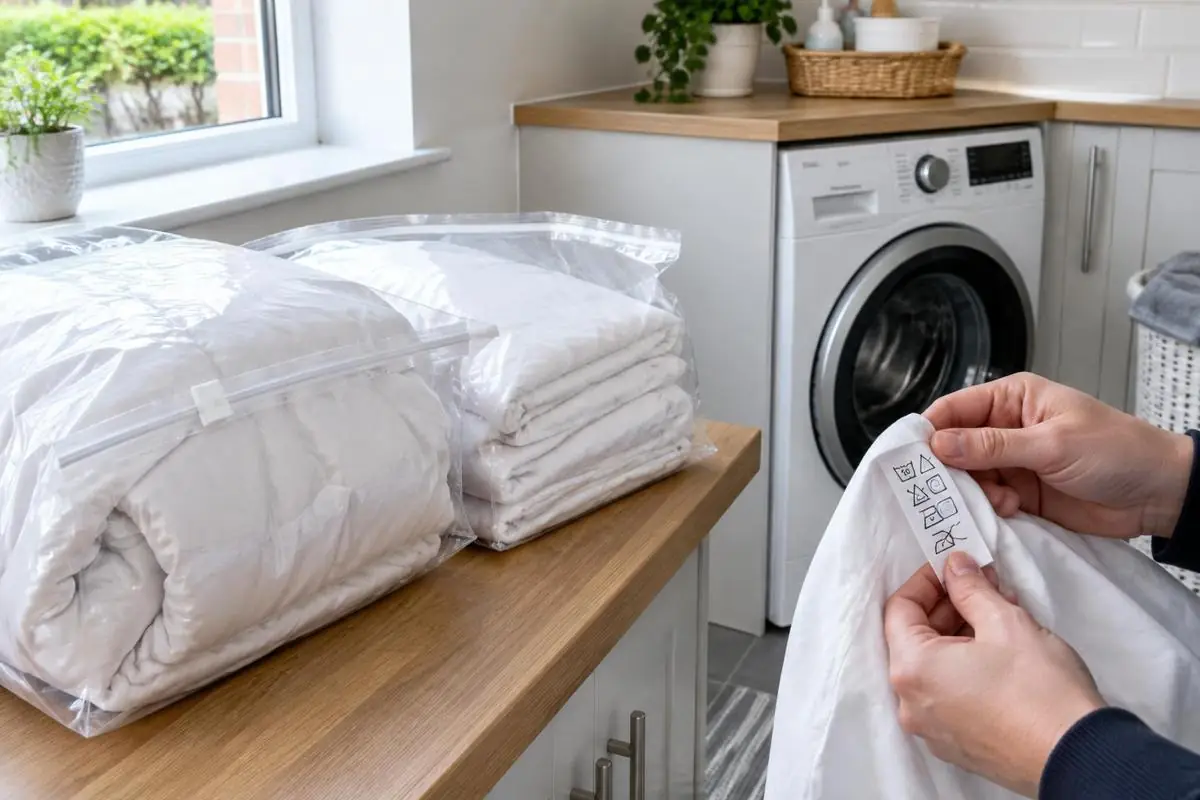
For sensitive belongings, start with items whose damage or unavailability would create an immediate household problem. These might include medicines, feeding supplies, medical equipment or an irreplaceable comfort object. Flag them for specific instructions, using storage information or manufacturer guidance where available. An item's importance does not make it heat-tolerant, and chemical-free is not a promise that every possession can remain.
Resolve the competing needs of protecting belongings and avoiding unnecessary movement of potentially affected items. Ask which things should leave, how they should be contained, and what happens before they come back. Do not quietly move everything into an untreated bedroom or another person's home. This is a targeted conversation about exceptions and essential possessions, not a reason to empty the property without instructions.
6. Pack for children and pets without creating uncontrolled transfers
A family leaving for the day will need practical supplies, but packing should follow the agreed containment plan. Ask how to select, check and contain the clothing, child essentials and pet equipment you intend to take. Do not assume that everything near a bed is affected, or that everything stored elsewhere is automatically clear of concern.
Keep the departure kit proportionate to the expected absence and any contingency discussed. A long list of toys, spare bedding and pet furnishings creates more items to make decisions about. Identify what is genuinely necessary, then get instructions for those items before departure. If a particular comfort object is essential, raise it early rather than making an improvised exception at the door.
Tell anyone providing childcare or animal care what arrangements have been agreed for bags and belongings. The point is calm coordination, not labelling a child or pet as a source of infestation. EPA guidance emphasises that bed bug control is complex and that care and containment matter. Cleaning or packing neatly cannot, by itself, guarantee that items are free of bed bugs.
For a property-specific assessment, see our bed bug heat treatment in Hampshire. Share your postcode and property details so the team can confirm coverage and availability.
7. Give children and other carers one clear access rule
Use a short, age-appropriate explanation: professionals are treating the home, everyone is spending time elsewhere, and nobody goes back until the responsible adult receives permission. Children do not need frightening descriptions or promises that nothing can go wrong. They do need to know where they are going, who will be with them and which familiar things they can take.
Agree one adult contact for communication with the treatment team, then make sure other carers know how updates will reach them. Include separated households, school collection arrangements or dog walkers where relevant. Avoid a situation in which one person hears an estimated finish time and another treats it as permission to enter. Estimates and access authorisation are different pieces of information.
Make the same rule apply to retrieving a forgotten charger, feeding an animal or collecting school equipment. Nobody should enter independently because the visit seems brief. Discuss keys and expected visitors with the provider so access arrangements are understood. Clear communication is more useful than repeatedly telling everyone to be careful without defining what they must actually do.
8. Require a clear handover before restoring normal routines
Ask before treatment how you will be told that people and pets may return, and whether any further instructions will apply. Do not use the end of an estimated working period, the departure of a vehicle or your own impression of room temperature as a substitute for an explicit handover. The access decision belongs with the treatment team.
At handover, check any instructions affecting children, animals and the belongings removed earlier. Ask whether anything remains temporarily out of use and who to contact if the written information is unclear. You should not have to infer whether normal play, sleeping arrangements or returning an animal's enclosure can resume. Get specific answers where your household's routine depends on them.
Explain the return plan to children without promising that every worry or skin symptom will disappear that evening. Keep household observations factual and follow the agreed aftercare instructions rather than adding unplanned remedies. If you are uncertain about something on arrival, contact the provider before acting. Medical or veterinary concerns need appropriate professional advice, not reassurance based only on the treatment being chemical-free.
Related practical reading: How to prepare your home for bed bug heat treatment
9. Separate professional monitoring from promises of certain success
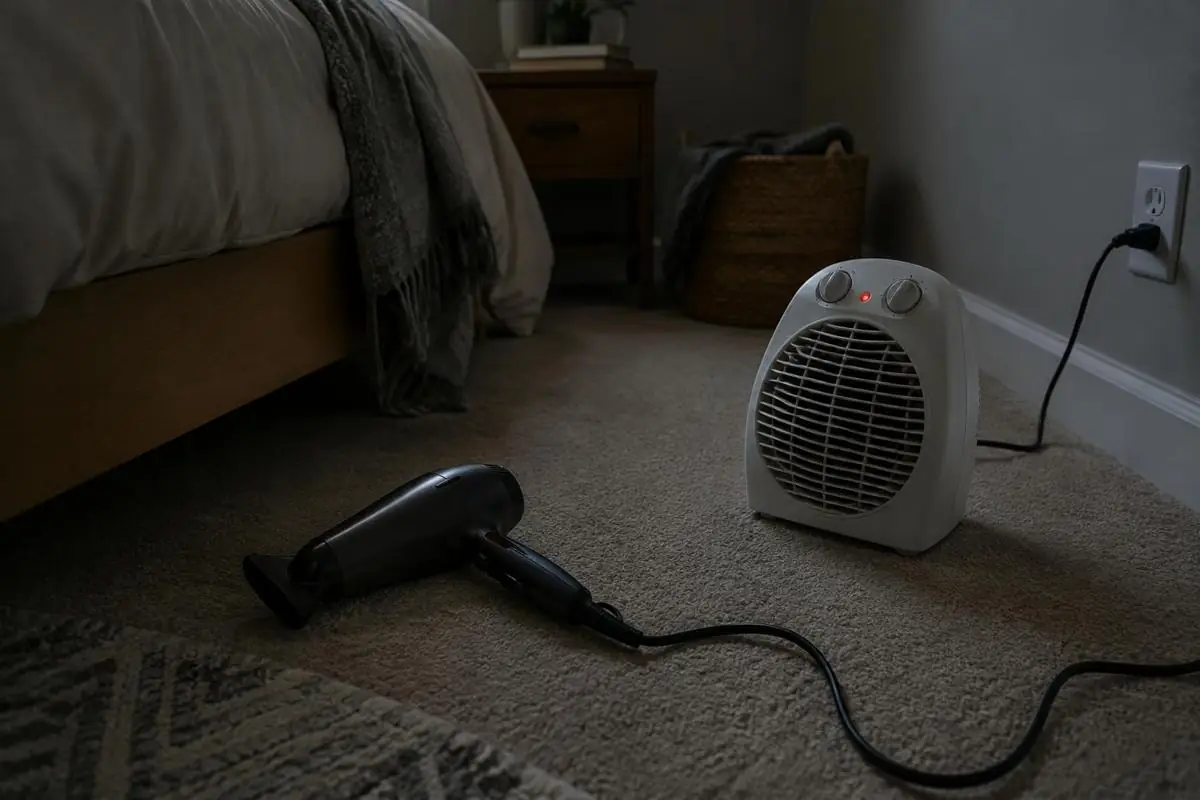
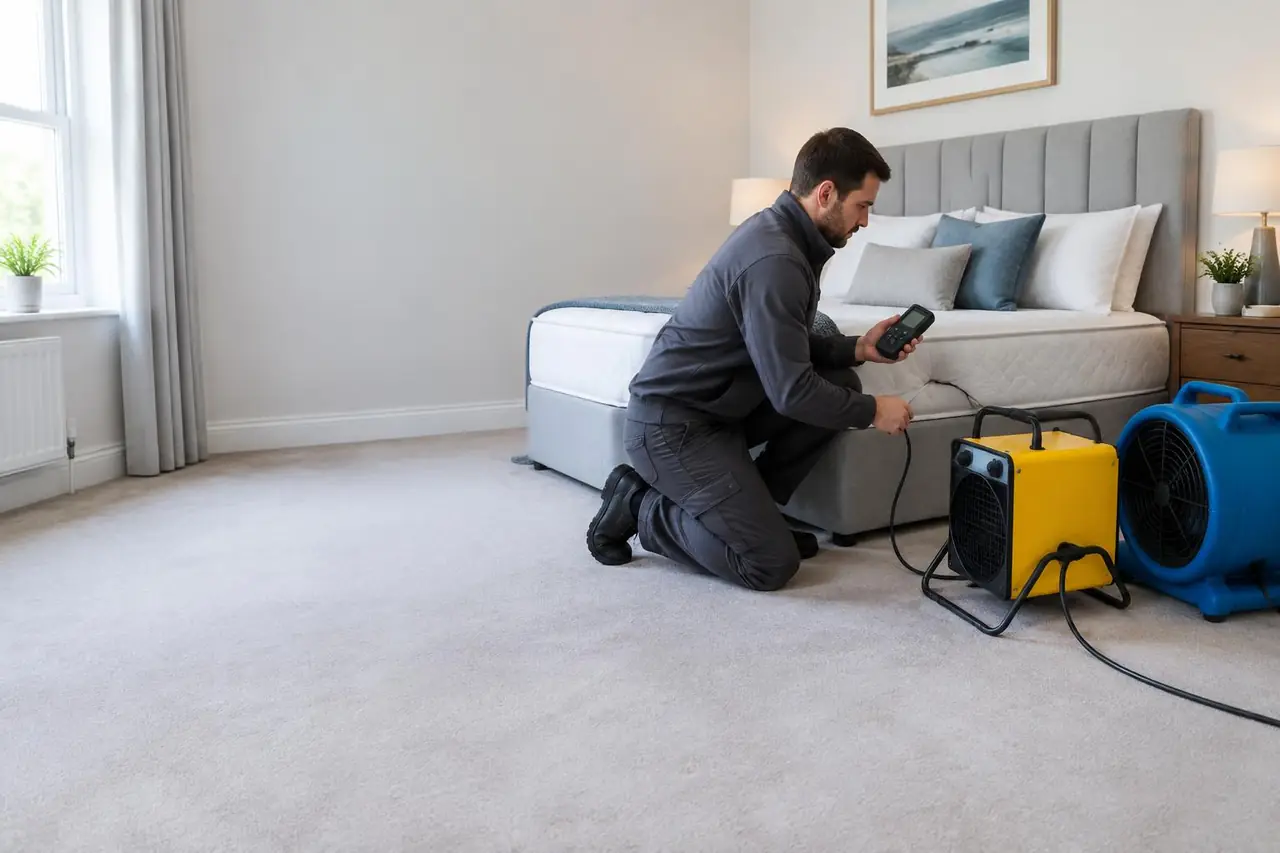
Professional heat is not the same as turning up household heating or bringing in space heaters. EPA technical guidance supports professionally monitored heat and warns that household heating is not reliable for this purpose. Its advice against DIY space-heater treatment is especially relevant when families are tempted to make one room ready before the main appointment.
These EPA materials are US technical references, not UK law. Their value here is explaining why controlled treatment and careful planning matter, not establishing a legal standard or a guaranteed result. Ask the provider how the assessed property will be treated and monitored. Avoid treating the stated temperature alone as proof that every possible hiding place will necessarily receive effective treatment.
No responsible household plan depends on professional heat being incapable of failure. Ask what follow-up is expected and what to do if concerns remain. Bed Bug Heat Control UK offers a three-month written guarantee, with full coverage and conditions explained before booking. Read those terms for what they actually cover; a treatment guarantee is not a medical assurance or an unconditional promise about every future sighting.
10. Make the enquiry about feasibility before agreeing a date
Prepare a short household summary for your enquiry: the evidence of bed bugs, who lives there, every pet, any aquarium, plants and essential sensitive belongings. Add anything that could prevent everyone leaving or delay their return. For a service enquiry in Hampshire, describe the property and these practical needs rather than assuming a standard family-home arrangement will fit.
Ask for a property-specific quote and clarity on the proposed scope, departure requirements, return authorisation and written guarantee. An enquiry is not a booking. Bed Bug Heat Control UK states that it has 40 years in the industry, is fully insured and uses unmarked vans. Those business details can inform your choice, but do not replace answers about your particular household.
Contact Bed Bug Heat Control UK on 0800 274 0156 or info@bedbugheatcontroluk.co.uk; opening hours are 7am–10pm, Monday–Sunday. Before agreeing a treatment date, resolve three points: where all people and animals will go, what must happen to sensitive items, and who will confirm that return is permitted. If any answer is missing, use the enquiry to settle it rather than leaving the decision until treatment day.
Sources & further guidance
General information, not a diagnosis, medical advice or legal advice. Research and US EPA references provide technical background, not UK law, and do not endorse our company. Your property assessment and the team’s written preparation instructions take priority.