Preparing for bed bug heat treatment is not a race to empty every room or wash everything you own. It is a coordinated task: work through our interactive preparation checklist, which is the definitive list for every Bed Bug Heat Control UK treatment, keep potentially affected belongings contained, and make a workable plan for everyone who lives in the property. The right preparation depends on the rooms, contents and treatment scope, so a general guide cannot replace an assessment. This guide explains how to turn professional instructions into household decisions without accidentally moving the problem elsewhere. It also identifies points where you should stop and ask rather than guess. Bed Bug Heat Control UK provides chemical-free, controlled professional heat treatment at 60–65°C, with a single-day process subject to property assessment. Those service details do not establish what your particular home needs; the assessed preparation plan does.
How to prepare your home for bed bug heat treatment: start with written instructions
Use our interactive preparation checklist as your instructions, rather than a generic checklist found elsewhere online, and tell us about anything specific to your property. Check that they identify the treatment areas and explain what must stay, what may need removing and what needs further discussion. If instructions arrive through several messages, ask which version is current before the household starts working.
Read the document once for understanding and again to assign tasks. Highlight anything you cannot safely complete, anything that conflicts with another instruction and any item whose suitability is uncertain. A useful question is: “Does this instruction apply to every room, or only the areas you assessed?” Get material changes confirmed in writing.
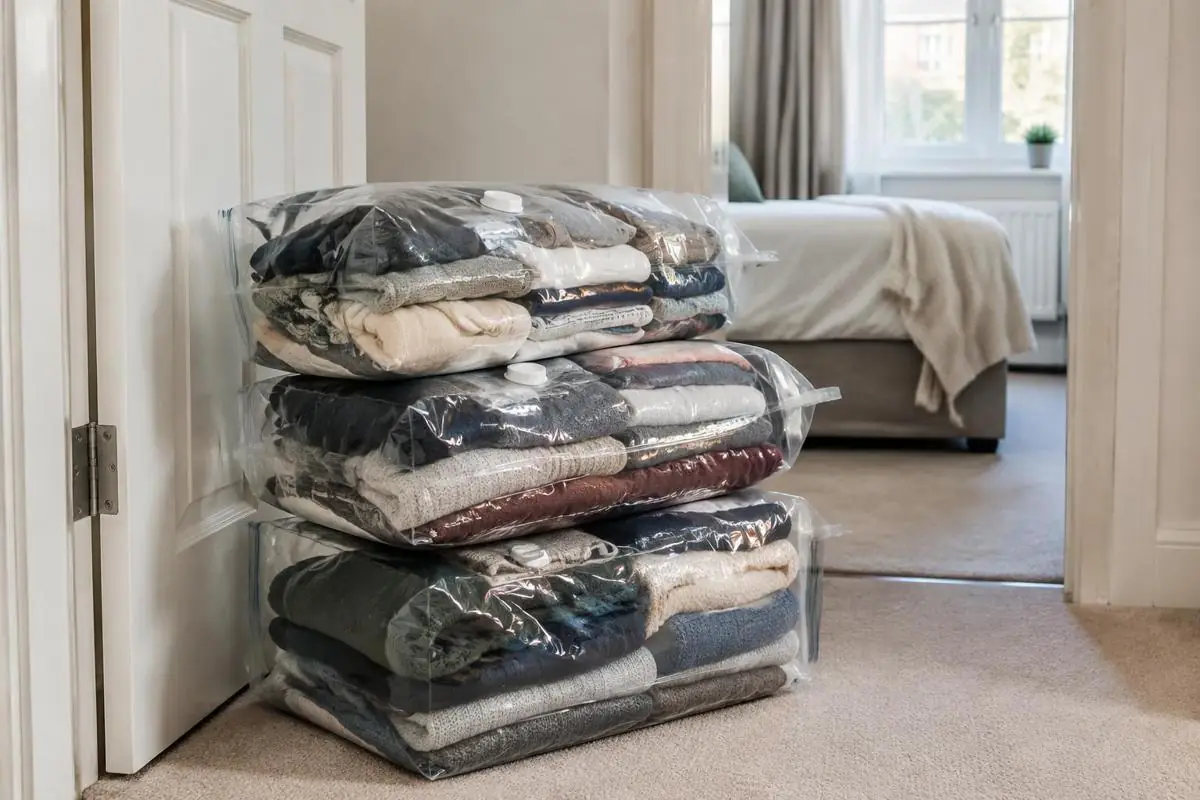
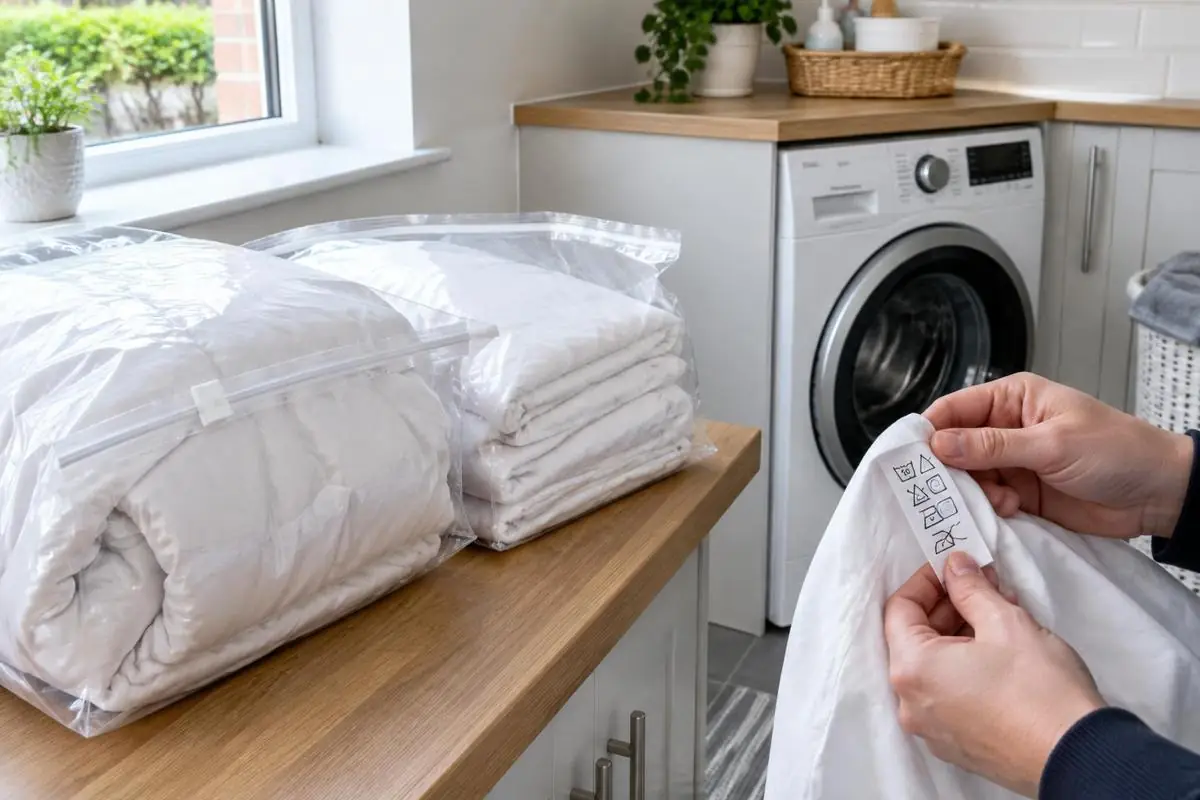
Do not resolve uncertainty by doing more than the checklist asks. Emptying every wardrobe or carrying belongings into rooms the checklist does not mention can move potentially affected contents; bedding should be bagged in black bags before it is moved and hot-washed, exactly as the checklist sets out. If preparation requirements remain unclear, pause that task and contact the provider. The aim is an agreed starting condition, not a home that merely looks tidier when the team arrives on treatment day.
Confirm room boundaries before belongings cross them
Establish exactly which rooms and connected spaces are included in the proposed treatment. Ask how belongings in a hallway, airing cupboard or storage area should be handled if those spaces sit outside the agreed scope. Do not assume that treating a bedroom automatically settles what to do with items stored immediately beyond its door.
Make a simple room list that matches the provider’s terminology. Record where uncertain belongings are now, without carrying them around to demonstrate the problem. Photographs or a description may help an initial discussion, but they do not replace any assessment the provider needs. Flag changes since assessment, including furniture deliveries or a room being used differently.
The checklist tells you which items go to the kitchen. If someone suggests moving anything else to an untreated room “just for the day”, seek approval first. The same applies to a shed, car or another household’s spare room. Ask where each category should remain and how exceptions will be managed. Treatment boundaries need a belongings plan alongside them, otherwise an apparently helpful move can undermine the preparation you have already completed.
Contain possessions without inventing a packing system
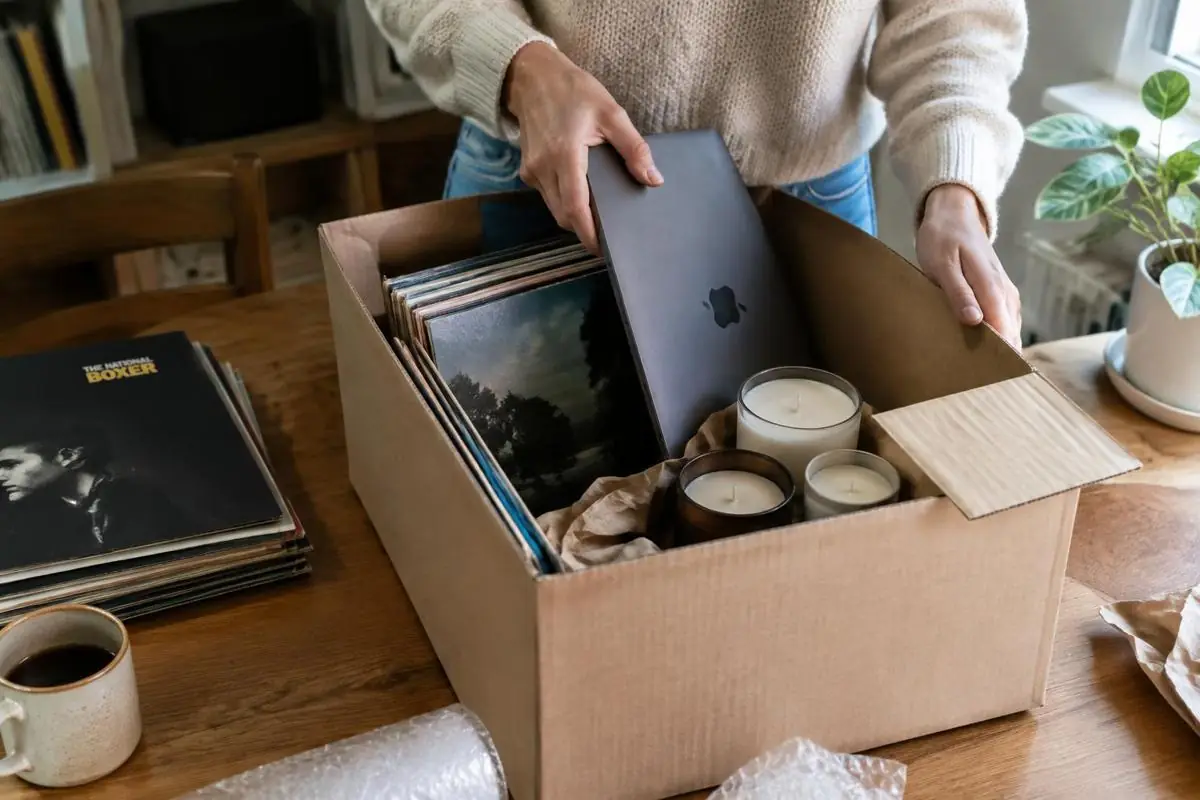
Containment matters, but the correct arrangement during heat treatment must come from the provider. Ask what should be bagged or otherwise contained while being handled, and what condition those items must be in when treatment begins. Do not assume that tightly packed bags, sealed boxes or open drawers are universally appropriate for professional heat.
Where instructed to contain items for movement, prepare the agreed containers before disturbing the contents. Label them with their room of origin and their status under the preparation plan. Avoid labels such as “clear” unless that description has been justified. A bag marked “awaiting provider instructions” communicates uncertainty more honestly and discourages someone from casually unpacking it elsewhere.
Keep the household’s handling rules consistent. One person should not seal items while another opens them to find clothes or chargers. Decide who can change the arrangement and how others will request access. If a container tears or something is moved by mistake, record what happened and tell the provider rather than silently returning everything and assuming the issue is resolved.
Continue the topic: Heat-sensitive belongings: questions to ask before treatment
Agree what may leave with you that day
Most households need some essentials while away from the property: keys, a phone, payment cards, necessary medicines and suitable clothing. Make that list early and ask how to prepare and contain those belongings. Something being essential does not establish that it can be taken out without a plan, particularly if it has been stored in an affected area.
Ask specifically about the bags, coats and footwear people intend to use. Avoid transferring contents into a different bag and treating that swap as proof of safety. The provider should explain the appropriate approach for your circumstances. Keep agreed departure belongings separate from items still awaiting instructions, using a location and arrangement the provider has approved.
Plan for forgotten items too. Tell everyone not to return independently for a laptop, toy or document once access is restricted for treatment. Identify one contact who can discuss an urgent need with the team. Packing thoughtfully in advance reduces last-minute rummaging and makes it easier to leave the treatment arrangement undisturbed when the household departs at the agreed time.
Give pets a separate, agreed departure plan
Tell the provider about every animal kept at the property, including pets that might otherwise be overlooked because they live in a tank, enclosure or quieter room. Ask what arrangements are required for both the animals and their equipment. Do not assume that a closed door or an area outside the treatment scope provides a suitable place to leave them.
Arrange an appropriate place for pets to stay and transport that meets their needs. Discuss carriers, bedding, leads and other equipment with the provider before moving them between locations. If an animal’s care needs make the proposed arrangements difficult, seek suitable professional advice about its care and explain the practical constraint to the treatment company.
Assign a named adult to each part of the pet plan: departure, transport, supervision and return. Include any feeding or care equipment needed during the absence, subject to the agreed belongings instructions. Confirm when animals may return rather than assuming their timetable is identical to yours. Resolve these points beforehand so no one has to improvise at the doorway.
Plan the household’s absence with room for delays
Confirm who needs to leave, when departure must be complete and how permission to return will be communicated. A single-day process, where suitable following assessment, is not a promised return hour. Arrange somewhere the household can remain if the schedule changes, rather than building the day around an appointment that requires access to the home.
Consider practical access needs, childcare, working arrangements and anyone who depends on support at home. Share relevant constraints early enough for the provider to explain whether the plan is workable. You do not need to circulate private household information widely; give the people organising treatment enough detail to understand the arrangements they must accommodate or clarify.
Choose one main contact and a backup whose phones will remain available. Explain the plan to children and other household members in straightforward language: where they are going, what they can take and who decides when they return. Avoid promises about exact timings that the provider has not made. A shared message prevents different people acting on different assumptions.
For a property-specific assessment, see our bed bug heat treatment in Bedfordshire. Share your postcode and property details so the team can confirm coverage and availability.
Flag uncertain belongings rather than removing them automatically
Walk through the assessed areas with the preparation instructions and note belongings that need a specific decision. These might include medicines, batteries, pressurised containers, valuables or items with manufacturer temperature restrictions. The purpose is not to create your own universal removal list. It is to ensure the provider knows what is present before deciding how it should be managed.
For each uncertain item, ask two separate questions: can it remain under the proposed treatment conditions, and if not, how should it be handled without spreading potentially affected contents? An instruction to remove something should include a workable destination or handling plan. Simply carrying it to another room does not answer the second question.
If there is conflicting advice from a product label, manufacturer or treatment instruction, flag the conflict rather than choosing whichever answer is easiest. Do not test suitability by heating the item yourself. Keep a short written record of agreed exceptions, including who will deal with them. This gives the arriving team something concrete to check against the room’s actual contents.
Limit cleaning and clearing to the agreed preparation
Ask what cleaning, laundry or furniture access work is actually required before treatment. Do not begin a whole-home clear-out simply because it feels productive. Cleaning alone cannot guarantee bed bug removal, and unnecessary sorting creates more handling decisions. Concentrate on the tasks the provider has identified as necessary for access and the assessed treatment arrangement.
Where laundry forms part of the instructions, clarify how it should be contained before movement and where it should go afterwards. Do not assume that any wash makes belongings suitable for unrestricted transfer. If vacuuming is requested, ask how the collected contents and equipment should be handled. Follow the agreed instructions rather than adding unverified cleaning steps.
Tell the provider if moving a bed or clearing access would require lifting you cannot safely manage. Do not dismantle appliances, sockets or building fittings to help treatment reach hidden spaces. Also disclose any recent pest-control products used and ask before adding more. A preparation task that creates an injury risk or changes the treatment conditions needs discussion, not determination.
Related practical reading: Decluttering without spreading bed bugs between rooms
Resolve incomplete tasks before the team arrives
Set a household review point early enough to report problems before treatment day. Compare the completed work with the written instructions, room by room. Check unresolved items, agreed exceptions, access arrangements and the departure plan. This is a check against your assessed instructions, not a separate checklist that overrides them or introduces new requirements.
If a task is unfinished, describe the situation plainly: which room, what remains and why. Ask whether the team can proceed, whether assistance can be arranged or whether the preparation plan needs changing. Do not guess at the consequences or conceal the gap. Only the provider can explain how that issue affects the proposed work and any relevant conditions.
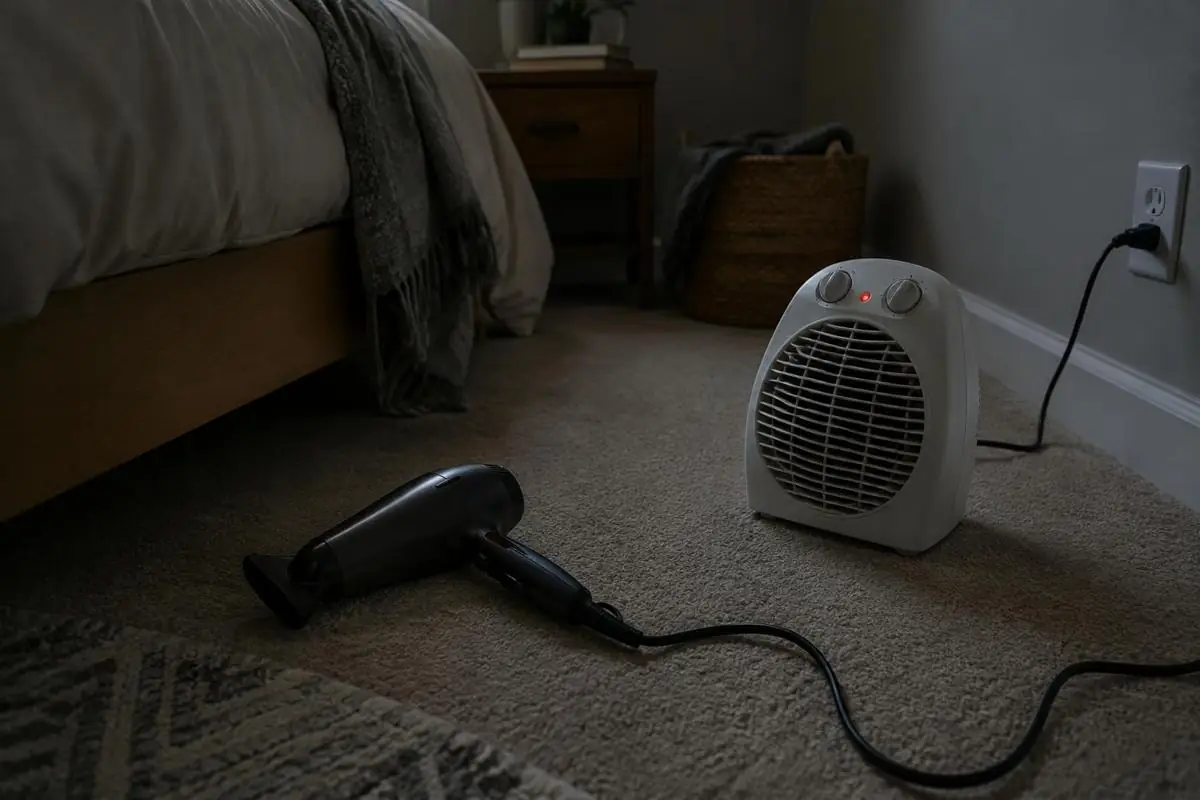
Avoid substituting DIY heat for an incomplete preparation task. EPA technical guidance describes bed bug control as complex and warns against DIY space-heater treatment; household heating is not a reliable substitute for professionally monitored heat. That is US technical guidance, not UK law. In practice, report obstacles and keep the home in the agreed condition rather than attempting an improvised fix.
Finish with a written handover and clear contact details
Prepare a brief handover containing the current instructions, unresolved questions, approved exceptions and any changes since assessment. Add the household contact numbers and confirm access arrangements directly with the provider. Ask who will authorise return and what instructions you should expect then. Leave monitoring and longer-term aftercare for the relevant guidance rather than anticipating those steps during preparation.
Before committing, make sure the quote reflects the property and proposed scope. Bed Bug Heat Control UK offers a three-month written guarantee, with full coverage and conditions explained before booking. Ask how preparation responsibilities relate to those conditions and retain the written explanation. A guarantee should not be read as a promise that professional heat cannot fail.
For a Bedfordshire service enquiry, contact Bed Bug Heat Control UK on 0800 274 0156 or info@bedbugheatcontroluk.co.uk, with opening hours of 7am–10pm Monday–Sunday. An enquiry is not a booking, and the quote is property-specific. Your next step is to obtain the assessed written plan, resolve exceptions and agree the household departure arrangements before moving belongings or starting preparation work.
Sources & further guidance
General information, not a diagnosis, medical advice or legal advice. Research and US EPA references provide technical background, not UK law, and do not endorse our company. Your property assessment and the team’s written preparation instructions take priority.