Dealing with a bed bug infestation is an exhausting experience for many homeowners and tenants across England and Wales. These resilient insects have developed significant resistance to traditional chemical sprays, often rendering domestic treatments ineffective. Professional heat treatment has emerged as a leading alternative, utilising controlled thermal energy to target insects at every stage of their life cycle. By raising the temperature of a property to a level that is lethal to bed bugs but safe for the structure, technicians can address hidden harbourage points that manual cleaning might miss. Understanding how this process works, the science of insect thermal death points, and the benefits of a chemical-free approach is essential for anyone currently facing the stress of an active infestation in their residence or business.
The Science of Thermal Death Points
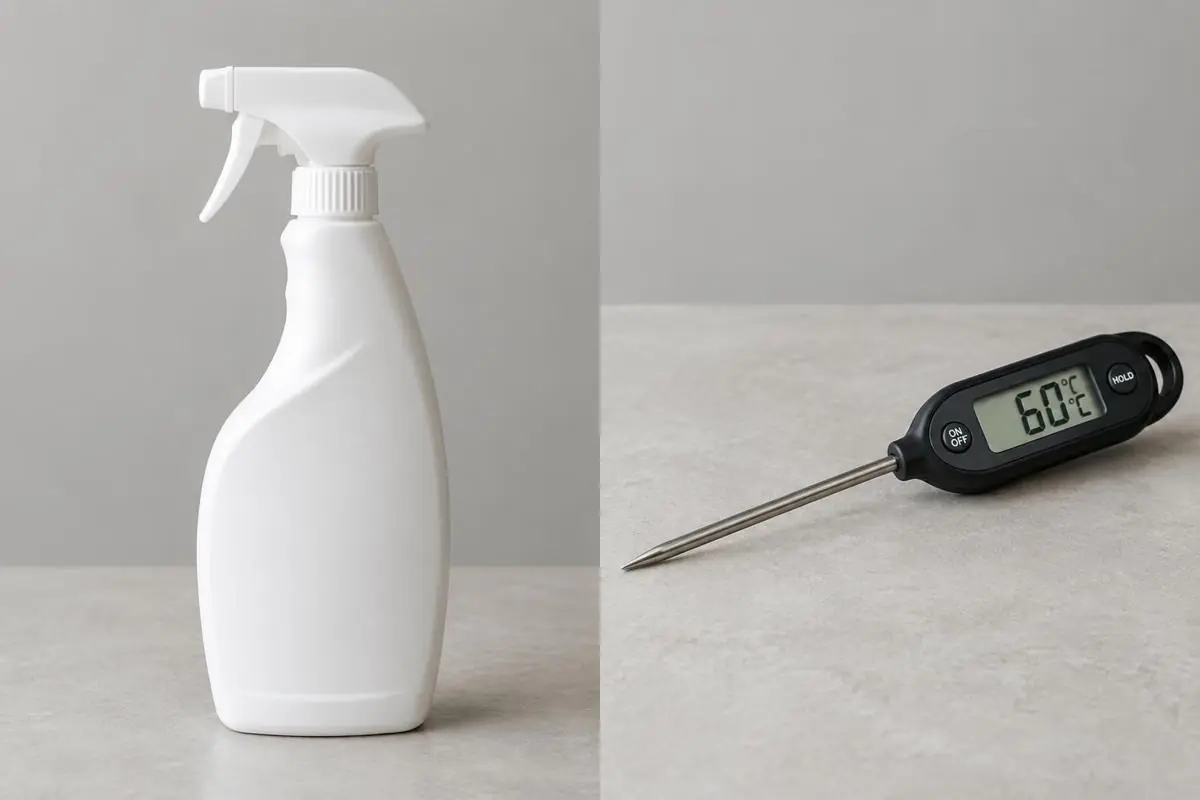
Bed bugs are ectotherms, meaning their internal body temperature is dictated by their surroundings. Research from institutions such as the University of Minnesota has shown that these insects cannot survive prolonged exposure to temperatures above 45 degrees Celsius. When the air temperature in a room is raised to a specific target range, typically between 50 and 60 degrees, the heat penetrates deep into the fabrics of mattresses, the internal cavities of furniture, and the cracks within floorboards where bed bugs naturally congregate during daylight hours.
The effectiveness of this method relies on the coagulation of essential proteins within the insect's body. Unlike chemical treatments that require the insect to physically touch a dried residue or ingest a toxin, heat radiates through all materials. This ensures that even the most reclusive individuals, which may be hidden behind skirting boards or inside electrical sockets, are reached. The process is designed to be thorough, ensuring that the entire volume of the room reaches a temperature that exceeds the biological limits of the pest's survival mechanisms.
A critical advantage of thermal remediation is its impact on bed bug eggs. Many traditional insecticides struggle to penetrate the protective casing of an egg, often leading to a secondary outbreak when the nymphs hatch weeks later. However, heat is incredibly effective at denaturing the embryos inside the eggs. By achieving the correct thermal death point and maintaining it for a specific duration, the life cycle is interrupted completely, preventing a resurgence of the population from unhatched eggs that were left behind after the initial intervention.
Challenges of Chemical Resistance
In recent decades, bed bug populations across the UK have demonstrated a marked increase in resistance to common pyrethroid-based insecticides. Scientific studies by experts such as Doggett and Romero have highlighted that these insects have evolved thicker cuticles and metabolic pathways that neutralise the toxins found in many over-the-counter products. This evolution means that repeated applications of chemicals may only kill the weakest members of a colony, inadvertently selecting for a more resistant population that is even harder to manage in the future.
Because heat treatment is a physical method rather than a chemical one, the insects have no biological defence against it. High temperatures disrupt the cellular structure of the bed bug regardless of its genetic resistance to toxins. This makes thermal remediation a highly reliable option for properties where previous chemical attempts have failed to yield results. It removes the uncertainty associated with identifying which specific insecticide might still be effective against a particular local strain of bed bug, providing a more universal approach to eradication.
Furthermore, relying solely on chemicals often necessitates multiple visits over several weeks or months, as the treatment depends on the insects emerging from hiding to cross a treated surface. If the bed bugs remain dormant or avoid the treated zones, the infestation persists. Heat treatment avoids this reliance on insect behaviour by bringing the treatment directly to their hiding spots. By heating the entire environment, there is no place for the insects to retreat that remains at a safe temperature, significantly increasing the likelihood of a successful outcome.
The Importance of Uniform Heat Distribution
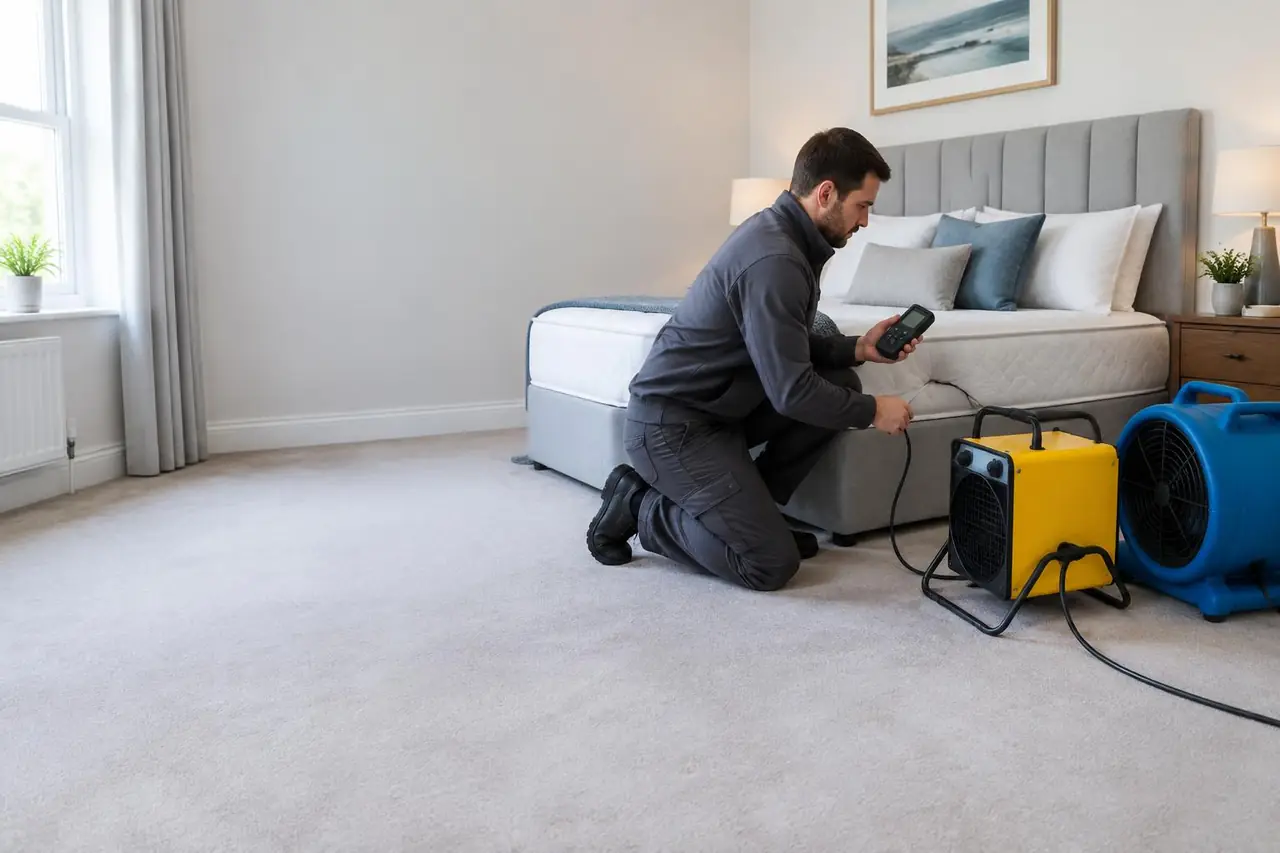
A successful heat treatment is not simply about making a room hot; it is about achieving uniform distribution of that heat. Bed Bug Heat Control UK uses specialised high-output heaters and powerful air-moving fans to circulate warm air throughout the affected spaces. This circulation is vital because it prevents 'cold spots' from forming in areas like corners, under large furniture, or inside cluttered cupboards. If even a small area remains below the lethal temperature, bed bugs may migrate there to survive the treatment process.
Professional technicians monitor the progress of the treatment using thermal imaging cameras to check surface temperatures and spot cooler areas, such as around piles of clothing or sofa cushions. This data is monitored in real-time, allowing the team to adjust the airflow or move furniture as needed to ensure every square inch reaches the required temperature. This level of precision is what separates professional thermal remediation from DIY attempts, which often lack the power to heat the core of dense objects where bugs hide.
The movement of air also serves to agitate the insects. As the temperature rises, bed bugs often become active and attempt to move away from the heat source. By ensuring the heat is applied to the entire room simultaneously, the insects are unable to find a refuge. This active management of the environment during the heating process is a technical skill that requires experience and specialised equipment, ensuring that the heat penetrates building materials like brick and timber which have high thermal mass and take longer to warm up.
Continue the topic: How professional bed bug heat treatment works
Preparing Your Property for Success
Preparation is a fundamental component of a successful thermal treatment, yet it must be done correctly to avoid spreading the infestation. We advise all clients to strictly follow the official preparation checklist provided on our website to ensure the environment is ready for the high-temperature air. Incorrect preparation, such as moving untreated items between rooms, can lead to re-infestation after the technicians have finished their work. Proper staging of the home allows the heat to flow freely and reach the insects without obstruction.
Items that are sensitive to heat, such as certain plastics, candles, or aerosol cans, must be managed according to the guidelines to prevent damage. However, the vast majority of household furniture and belongings can safely remain in the room during the process. In fact, it is often better for items to stay in the room so they can be treated alongside the structure, as bed bugs are notorious for hiding in small gaps within electronics, books, and decorative items that might be overlooked during a manual inspection.
While the preparation phase requires effort from the resident, it is significantly less disruptive than the requirements for many chemical treatments, which may involve washing every single item of clothing at high temperatures or disposing of expensive furniture. With heat, the primary goal is to create an environment where air can circulate. Once the preparation is complete, the technicians can focus on the technical aspects of the thermal delivery, knowing that the property is in the optimal state for a comprehensive and effective treatment cycle.
Chemical-Free Benefits for Sensitive Environments
One of the primary reasons many clients in England and Wales choose heat treatment is the desire to avoid the use of synthetic pesticides. This is particularly relevant for households with young children, elderly residents, or pets who may be more sensitive to chemical residues. Heat treatment is a purely physical process that leaves no lingering smells or toxic films on surfaces. Once the property has cooled down to a comfortable temperature, it is safe for immediate re-entry and use without concerns about chemical exposure.
For individuals with respiratory conditions or skin sensitivities, a chemical-free approach provides peace of mind. Traditional pest control often involves a cocktail of substances that may require the property to be vacated for extended periods, and even then, some residues remain active for weeks. Heat treatment offers a clean alternative that aligns with a more environmentally conscious lifestyle. It focuses on the biology of the pest rather than the chemistry of a toxin, providing an effective solution that respects the health of the occupants.
Commercial environments, such as hotels and care homes, also benefit greatly from this non-toxic approach. These spaces require a fast turnaround and a high standard of safety for their guests and residents. Using heat allows rooms to be returned to service quickly, often on the same day, without the risk of guests complaining about chemical odours or suffering allergic reactions. It is an efficient way to maintain a pest-free environment while upholding the highest standards of safety and hygiene in a professional setting.
Treating Multi-Room and Commercial Spaces
Bed bugs do not always stay confined to a single room, especially in high-density housing or commercial buildings like hostels and hotels. These insects can travel through wall voids, along pipework, and beneath door frames to inhabit adjacent spaces. Professional heat treatment is scalable, allowing for the simultaneous treatment of multiple rooms or even entire floors. This comprehensive coverage is essential for stopping the spread of an infestation within a large building where rooms are closely interconnected.
In a commercial context, the speed of heat treatment is a major logistical advantage. A hotel room that is out of commission due to bed bugs represents a direct loss of revenue. Because thermal remediation can typically be completed in a single day, the room can be back in the inventory by the evening. This 'one-and-done' nature of the service is highly valued by facility managers who need to resolve pest issues discreetly and rapidly to protect their business's reputation and bottom line.
Professional assessment is always recommended for larger buildings to identify the full extent of the problem. Technicians will look for signs of activity in communal areas and adjoining rooms to ensure that the heat treatment plan covers all potential hotspots. By taking a holistic view of the property, Bed Bug Heat Control UK can implement a strategy that addresses the source of the infestation rather than just the symptoms, providing a more robust long-term solution for complex commercial and residential structures.
For a property-specific assessment, see our bed bug heat treatment in Wales. Share your postcode and property details so the team can confirm coverage and availability.
The Role of Professional Assessment
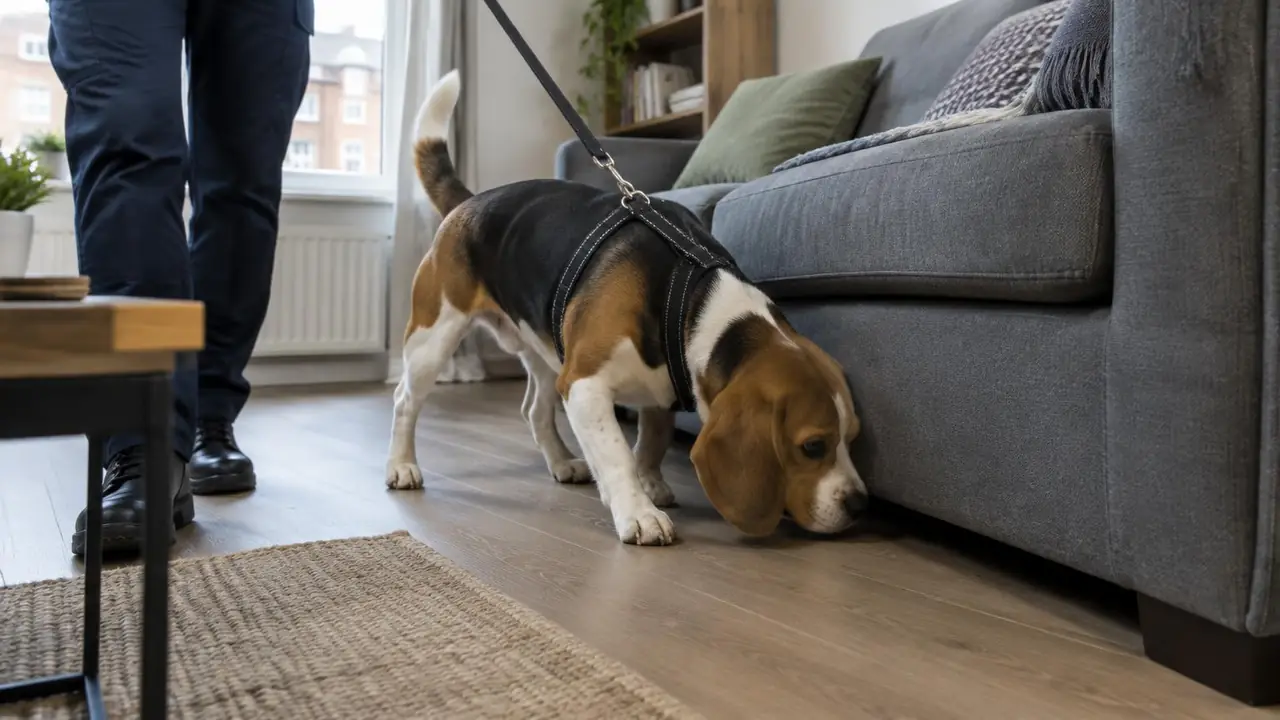
Accurately identifying a bed bug infestation is the first step toward eradication. Many other insects, such as carpet beetles or fleas, can be mistaken for bed bugs by the untrained eye. A professional assessment involves a thorough inspection of the property to confirm the presence of bed bugs, identify their primary harbourage points, and assess the suitability of the structure for heat treatment. This stage is crucial for developing an effective plan that addresses the specific needs of the property and its occupants.
During the assessment, technicians evaluate factors such as the property's insulation, the presence of delicate items, and the potential for heat loss. This information allows them to determine the correct equipment configuration and the estimated duration of the treatment. For clients in England and Wales, having a professional team evaluate the situation provides clarity and reduces the anxiety associated with an unknown pest problem. It ensures that the resources are deployed effectively and that the client understands what to expect during the process.
We encourage anyone who suspects they have an infestation to seek a professional evaluation rather than attempting to self-diagnose. Early detection can prevent a small problem from becoming a widespread infestation that requires a more extensive intervention. A professional assessment also offers the opportunity to discuss any specific concerns regarding the property or its contents, ensuring that the heat treatment is conducted with the highest level of care and attention to detail, tailored to the unique layout of the home or business.
Safety Protocols and Equipment Standards
Safety is the highest priority during any professional heat treatment. The equipment used by Bed Bug Heat Control UK is designed specifically for pest control and includes multiple safety features to prevent overheating or fire risks. The technicians are trained to manage the increase in temperature gradually, ensuring that the structure and its contents are not subjected to thermal shock. Continuous monitoring throughout the day ensures that the environment remains within the safe operating parameters for a residential or commercial building.
The power required for these treatments is significant, and professional teams often use external generators or specialised power distribution units to ensure a stable supply of energy. This avoids putting undue strain on the property's internal electrical system. By using high-grade, industrial equipment, the team can maintain the necessary temperatures even in large or poorly insulated spaces, which is something that consumer-grade heaters simply cannot achieve. This professional-grade approach is what ensures the lethal temperatures are maintained consistently.
Furthermore, the technicians remain on-site for the duration of the treatment. They are not simply setting up equipment and leaving; they are actively managing the process, moving air-movers to redirect heat and checking with thermal imaging cameras for cooler areas that need more heat. This constant oversight is a critical safety measure and a quality control step that ensures the treatment is both safe for the property and effective against the pests, providing a managed solution to a difficult problem.
Related practical reading: Bed bug heat treatment versus sprays: making an informed choice
Why Single-Visit Solutions Are Preferred
The psychological toll of a bed bug infestation is often linked to the duration of the problem. Chemical treatments that require multiple visits over several weeks can leave residents feeling stuck in a state of limbo, unable to fully relax in their own homes. Heat treatment is frequently preferred because it aims to resolve the issue in a single visit. This rapid resolution allows families to return to their normal routines much faster, significantly reducing the stress and disruption caused by the insects.
From a practical perspective, a single-visit solution also means less time taken off work for the resident and fewer instances of having to prepare the home for technicians. While the initial preparation for heat is thorough, it only needs to be done once. This is a major advantage over methods that require the home to be repeatedly cleared and treated. The ability to achieve high mortality rates across all life stages of the bed bug in one day is why thermal remediation has become a primary choice for many UK residents.
It is important to note that while the goal is a single-visit eradication, the success of the treatment is heavily dependent on the quality of the execution and the adherence to preparation guidelines. By choosing a specialist company like Bed Bug Heat Control UK, which focuses exclusively on heat-based solutions, clients benefit from a team that has refined this specific process. This expertise increases the likelihood of a successful outcome on the first day, providing a swift conclusion to a problem that might otherwise persist for months.
Long-Term Management and Peace of Mind
After a heat treatment is completed, the property is once again a safe and comfortable environment. However, bed bugs can be reintroduced to a home through travel, second-hand furniture, or visitors. We provide advice on how to monitor for new activity and how to prevent future introductions. While no treatment can stop a new bed bug from being brought into a home at a later date, starting from a baseline of zero insects is the best way to regain control of your living space.
The peace of mind that comes from knowing the infestation has been tackled with a scientifically proven, chemical-free method is invaluable. For residents across England and Wales, having access to a professional team that operates daily from 7am to 10pm means that help is always available. Whether you are a homeowner, a landlord, or a business manager, professional thermal remediation offers a path forward that avoids the pitfalls of chemical resistance and the hazards of DIY pesticide applications.
If you are currently struggling with bed bugs, we recommend a professional assessment to determine the best course of action. Our team at Bed Bug Heat Control UK is ready to provide expert guidance and deliver effective heat treatments tailored to your specific situation. By choosing a family-run team with a focus on high-quality service, you can be confident that your property is in good hands. Call us on freephone 0800 274 0156 to discuss your needs and take the first step towards a bed bug-free environment.
Sources & further guidance
General information, not a diagnosis, medical advice or legal advice. Research and US EPA references provide technical background, not UK law, and do not endorse our company. Your property assessment and the team’s written preparation instructions take priority.