When a household or business across England or Wales suspects the presence of bed bugs, the priority is always swift and accurate identification. While many property owners attempt to find these elusive insects themselves, the hidden nature of Cimex lectularius makes them notoriously difficult to spot during the early stages of an infestation. This has led to the development of various inspection methods, ranging from manual visual checks to the use of highly trained scent detection dogs. Understanding the capabilities and limitations of canine detection is essential for any homeowner or hotel manager considering how to proceed with a professional chemical-free heat treatment. While dogs offer an interesting technological parallel to human efforts, their role in modern pest management is specific and requires careful consideration within a broader integrated strategy.
The Biological Advantage of Canine Scent Detection
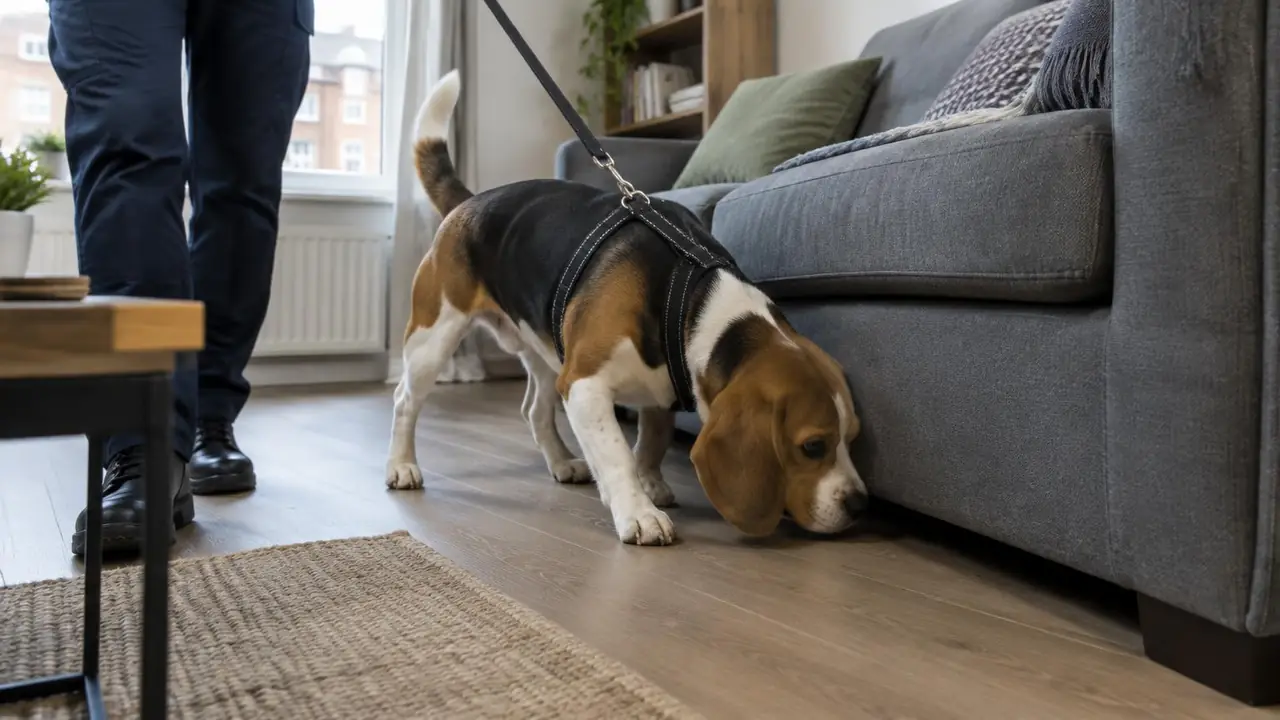
Dogs possess a sense of smell that is significantly more sophisticated than that of a human. Research into canine biology suggests that their olfactory bulbs are roughly forty times larger than ours relative to brain size, allowing them to distinguish complex scents even at minute concentrations. In the context of pest control, this means a trained dog may be able to identify the distinct pheromones emitted by live bed bugs and their viable eggs, which are often concealed behind skirting boards or deep within upholstery.
The training process for these animals is rigorous and mirrors the techniques used for narcotics or explosives detection. Trainers use positive reinforcement to ensure the dog associates the specific odour of live bed bugs with a reward. This specialisation is crucial because the dog must ignore 'distractor' scents, such as dead insects, cast skins, or food debris, which might otherwise lead to a false positive. A reliable detection dog is trained to alert its handler only when it identifies the scent of an active, living infestation.
While the biological capabilities of dogs are impressive, it is important to remember that they are living creatures subject to fatigue and environmental factors. Temperature, humidity, and airflow within a room in England or Wales can all influence how scent molecules move through the air. Therefore, while a dog can be a powerful tool for narrowing down the location of pests, it is rarely used as a standalone solution without the corroboration of a professional technician who understands the local environment.
Visual Inspections versus Canine Teams
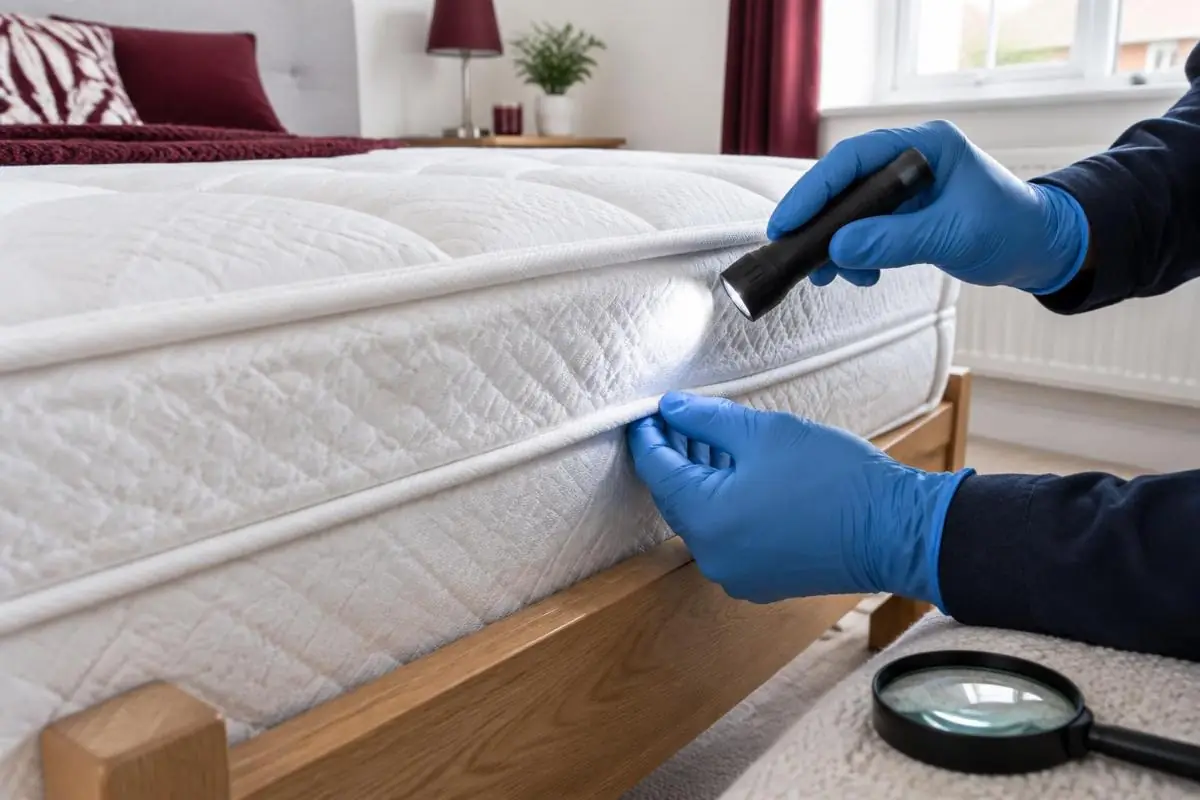
For the vast majority of residential call-outs, a thorough manual inspection by an experienced technician is the most practical first step. Human professionals look for a variety of physical indicators, including dark spotting on mattresses, translucent egg cases, and the insects themselves. A manual search allows the technician to assess the structural layout of the room, which is vital when planning a comprehensive heat treatment. They can identify specific heat sinks or areas where airflow might be restricted during the thermal process.
Canine detection teams are often viewed as a supplementary layer of verification rather than a replacement for human expertise. In large, complex environments like hotels or student accommodation, a dog can quickly scan multiple rooms to pinpoint hotspots that require immediate attention. This speed can be an advantage in commercial settings where time is of the essence. However, in a standard three-bedroom family home, a human inspector can usually cover the necessary ground with a high degree of accuracy without the added complexity of a canine team.
One must also consider the cost-to-benefit ratio of involving a dog. Training and maintaining a scent detection animal is an expensive endeavour, and these costs are typically passed on to the customer. For most domestic infestations where signs are already visible, the additional expense of a dog does not necessarily change the outcome. The primary goal remains the same: identifying the extent of the problem so that a professional heat treatment can be applied to eradicate the insects safely and effectively.
The Importance of Identifying Live Infestations
One of the biggest challenges in bed bug management is distinguishing between an old, dormant infestation and a current, active one. Following a successful heat treatment, evidence such as empty shells or dead insects may remain in deep crevices. A human inspector must use their judgement to determine if these signs are recent. A well-trained dog, however, is specifically taught to ignore the smell of dead insects and focus entirely on the volatile organic compounds produced by living ones.
This ability to detect life is particularly useful in scenarios where a resident continues to experience bites but no physical evidence can be found. In these 'hidden' cases, a dog might alert the handler to a specific piece of furniture or a section of flooring that had been overlooked. Once the dog has indicated a spot, the technician can perform a targeted search to confirm the presence of live insects. Confirming an active presence is a vital prerequisite before committing to a full-scale thermal remediation service.
It is also worth noting that dogs cannot tell you how many bed bugs are present; they can only indicate that the scent is detected. A positive alert by a dog should always be followed by a professional assessment to determine the severity of the situation. Knowing whether you are dealing with a single hitchhiker or a multi-room infestation is critical for the technician when setting up their heaters and monitoring equipment to ensure every area reaches the lethal temperature threshold.
Continue the topic: Can thermal imaging cameras find bed bugs?
When Should You Consider Canine Detection?
Canine teams are most frequently utilised in high-occupancy buildings where a proactive monitoring programme is in place. For example, a hotel in a major city might use a dog once a month to sweep guest rooms as a preventative measure. This allows them to catch potential problems before they escalate into a widespread issue that could damage their reputation. In these professional settings, the dog acts as a rapid screening tool that saves the staff from having to dismantle beds in every room.
For private homeowners, a dog might be considered if a professional technician has already performed a visual search but the results were inconclusive despite persistent symptoms. If you are unsure whether your home requires a full heat treatment, a secondary assessment by a specialist can provide peace of mind. However, it is important to verify that any dog team you hire is reputable and works in conjunction with a treatment provider who understands the intricacies of heat-based eradication.
In most standard cases across England and Wales, however, the presence of bed bugs becomes evident to the naked eye once a few weeks have passed. Because bed bugs tend to cluster near their host, focusing on the bed frame, mattress seams, and nearby furniture usually yields results. If you suspect an infestation, the most direct route to a solution is often contacting a professional heat treatment specialist for a consultation rather than seeking out niche detection methods first.
The Accuracy and Reliability Factor
While some studies suggest that dogs can achieve very high accuracy rates, it is important to manage expectations. A dog’s performance can be hindered by various factors, including the skill of the handler, the age of the dog, and even the presence of other pets in the home. If a dog is distracted by a resident cat or the smell of recent cleaning chemicals, its ability to pinpoint bed bugs may be compromised. Therefore, a dog’s alert should ideally be treated as a strong lead rather than absolute proof.
Professional pest controllers in the UK generally prefer to see 'physical evidence' before proceeding with a treatment plan. This evidence could be a live nymph, an adult bug, or viable eggs. The dog’s role is to lead the human to this evidence. If a dog alerts but no physical signs can be found even upon close inspection, it creates a dilemma for the property owner. This is why the integration of human experience and canine instinct is the most robust approach for those who choose to use both.
Accuracy also depends on the frequency of the dog's work. A dog that is used daily in varying environments remains sharp, whereas one that is only used occasionally may lose some of its focus. When choosing a service provider that offers canine detection, it is worth asking about their training protocols and how they verify their dogs' findings. Ultimately, the goal is to ensure that when the heat treatment equipment arrives, it is being deployed in the right areas to solve the problem completely.
Limitations of the Canine Approach
One significant limitation is that dogs cannot provide any help with the actual eradication of the pests. Once a dog has identified the problem, the heavy lifting of the treatment still requires professional equipment and expertise. Heat treatment remains the preferred method for many because it penetrates the very areas a dog might sniff out—such as the interior of sofas or behind baseboards—killing all life stages of the bed bug in a single session without the use of toxic chemicals.
Another consideration is the preparation required for a canine visit. Similar to a heat treatment, the area needs to be in a certain state for the dog to work effectively. Distracting smells, such as strong perfumes, air fresheners, or cigarette smoke, need to be minimised. If a property is cluttered, it may also prevent the dog from getting close enough to the scent source. While the dog doesn't require the same level of intensive prep as a heat treatment, the environment must still be conducive to olfactory work.
Furthermore, the availability of these specialised dogs in England and Wales is relatively low. There are only a handful of certified teams operating across the country. For a resident in a remote area, the travel costs alone for a canine team might be prohibitive. In contrast, professional heat treatment technicians are more widely available and can often provide a comprehensive assessment and treatment plan in a more cost-effective and timely manner.
For a property-specific assessment, see our bed bug heat treatment in Northumberland. Share your postcode and property details so the team can confirm coverage and availability.
Integration with Professional Heat Treatment
When an infestation is confirmed—whether by a dog or a human—the focus shifts to eradication. Heat treatment is a highly effective chemical-free method that involves raising the temperature of the affected rooms to between 50°C and 60°C. This range is lethal to bed bugs but safe for the structure of the building. The heat must be maintained for several hours to ensure that it reaches the core of furniture and structural voids where the insects hide.
The data gathered during the inspection phase is used to tailor the heat treatment. If a dog has alerted to a specific wall or a large wardrobe, the technicians will pay extra attention to those areas, perhaps using additional fans to ensure even heat distribution. This targeted approach is part of why professional heat treatments have such a high success rate. By combining the detection data with thermal monitoring technology, the team can ensure that no 'cold spots' remain where insects could survive.
Before any heat treatment begins, property owners must follow a specific preparation checklist. We advise all clients to refer to the official preparation guide on our website to ensure the space is ready for the thermal process. This involves tasks like removing heat-sensitive items and ensuring air can circulate freely. Proper preparation is just as important as the detection phase in ensuring the long-term success of the pest control effort.
Modern Technology in Pest Detection
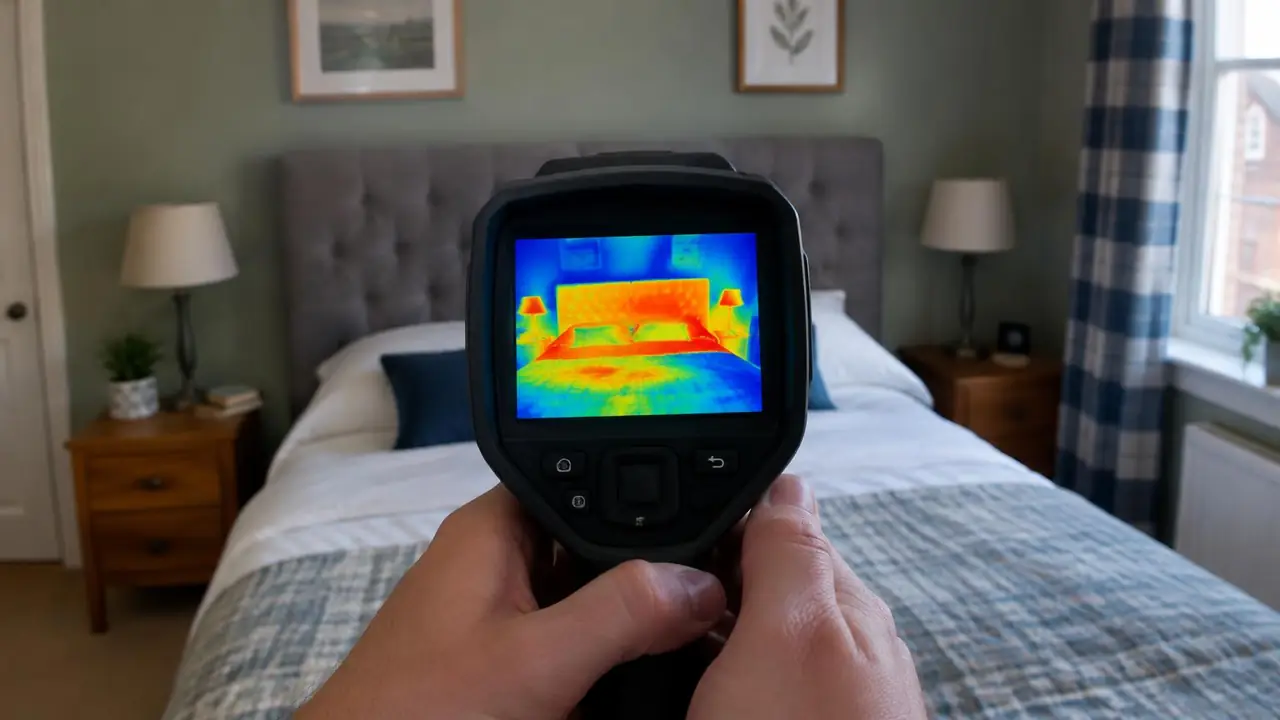
Canine scent detection is often grouped with other high-tech solutions like thermal imaging cameras. These tools all aim to solve the same problem: the fact that bed bugs are excellent at hiding. Some modern systems use CO2 lures or pheromone traps to monitor for activity over several nights. While these are useful, they are passive methods that rely on the bug moving towards the trap, whereas a dog or a human inspector is an active seeker.
In the UK, the move towards chemical-free solutions has made accurate detection even more vital. Because heat treatment is a decisive, one-time intervention, you want to be certain of where the pests are located before you begin. Checking with thermal imaging cameras during the treatment process helps ensure that the entire space reaches the required temperature. This technological oversight provides a level of precision that complements the initial detection work, whether performed by a dog or a specialist.
As the pest control industry evolves, we may see even more sophisticated electronic 'noses' that can mimic the dog's ability to detect pheromones. However, for now, the combination of a keen human eye and, in specific cases, a trained canine remains the gold standard for finding these pests. Technology serves to support the expertise of the technician, providing data that helps ensure a home is returned to a comfortable, pest-free state.
Related practical reading: How to spot bed bugs: a careful home inspection guide
Professional Assessment and Peace of Mind
If you are currently struggling with unexplained bites or have found suspicious spots on your bedding, the first step should always be a professional assessment. Jumping to conclusions can lead to unnecessary stress and expense. A qualified technician can often confirm the presence of bed bugs in a matter of minutes, or they may find that the culprit is actually a different pest entirely, such as carpet beetles or fleas, which require different management strategies.
For those who are particularly anxious or who live in large communal buildings, the use of a detection dog can provide a unique form of reassurance. Knowing that a specialist animal has swept the area and found nothing can be a great relief. Conversely, if the dog does find something, it allows for a targeted and rapid response. However, it is important to remember that a 'clear' from a dog is not a permanent shield; new bugs can be introduced at any time through travel or second-hand furniture.
Professional companies like Bed Bug Heat Control UK focus on providing clear, honest advice about the best course of action. We understand that every situation is different, and while dogs are a fascinating part of the industry, they are not always the most practical or necessary tool for every household. Our goal is to provide a reliable service that addresses the problem directly, using proven heat technology to ensure your home in England or Wales is cleared of bed bugs.
Final Thoughts on Choosing a Strategy
Deciding how to tackle a bed bug problem involves weighing up the speed, cost, and effectiveness of different methods. Canine detection is a specialised service that excels in specific environments, particularly where large areas need to be screened quickly. For the average homeowner, a detailed visual inspection by a professional who specialises in heat treatment is usually the most efficient way to confirm an infestation and move straight to a solution.
It is also vital to choose a treatment method that is thorough. Traditional chemical sprays often require multiple visits and may not affect eggs, leading to a cycle of re-infestation. Heat treatment, by contrast, is designed to be a comprehensive solution that addresses all life stages of the insect in one go. Whether you use a dog to find them or not, the eradication method should be one that you have confidence in and that fits your preference for a chemical-free home.
If you suspect you have bed bugs, do not hesitate to seek professional advice. You can contact us daily from 7am to 10pm on our freephone number, 0800 274 0156. We cover all of England and Wales, offering expert assessments and high-quality heat treatments. By taking a methodical approach to detection and choosing a robust thermal remediation strategy, you can resolve the issue safely and effectively, restoring the comfort of your living environment.
Sources & further guidance
General information, not a diagnosis, medical advice or legal advice. Research and US EPA references provide technical background, not UK law, and do not endorse our company. Your property assessment and the team’s written preparation instructions take priority.