When a bed bug infestation takes hold in a property across England or Wales, the immediate reaction for many residents is to seek the fastest possible eradication method. For decades, the industry standard involved heavy reliance on chemical interventions, often referred to broadly as fumigation or insecticidal spraying. However, as these parasitic insects have developed significant biological resistance to common synthetic pyrethroids, the effectiveness of traditional chemical routes has come into question. Simultaneously, growing public awareness regarding the environmental and health implications of pesticide residues has led many to seek chemical-free alternatives. This guide explores the fundamental differences between thermal remediation and chemical treatments, explaining why controlled heat is increasingly viewed as the gold standard for safety and efficacy in modern pest management.
The Core Differences Between Heat and Chemicals
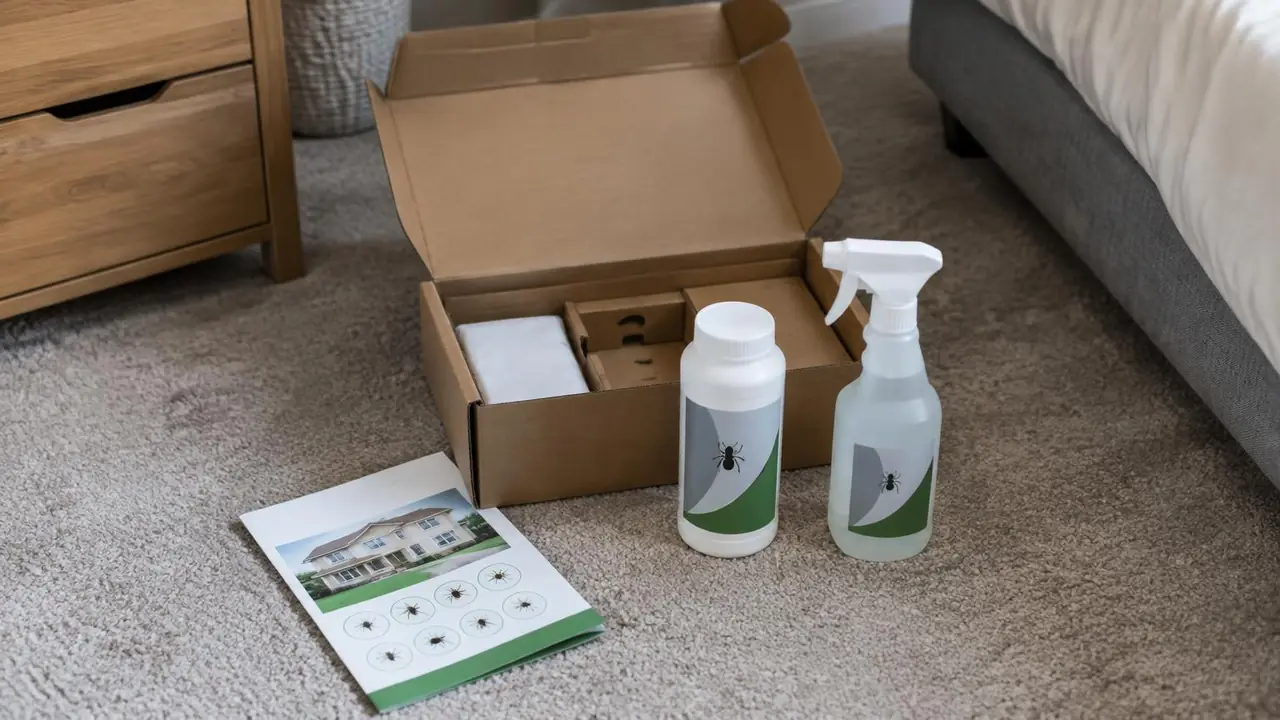
To understand why thermal solutions are becoming the preferred choice, one must first distinguish between a heat treatment and a chemical fumigation. Chemical treatments typically involve the application of residual insecticides or, in extreme commercial cases, the use of toxic gases to penetrate structural voids. These substances work by disrupting the nervous system of the insect upon contact or ingestion. However, because bed bugs are experts at hiding in deep crevices, behind skirting boards, and inside electrical sockets, liquid chemicals often fail to reach every individual in a single application.
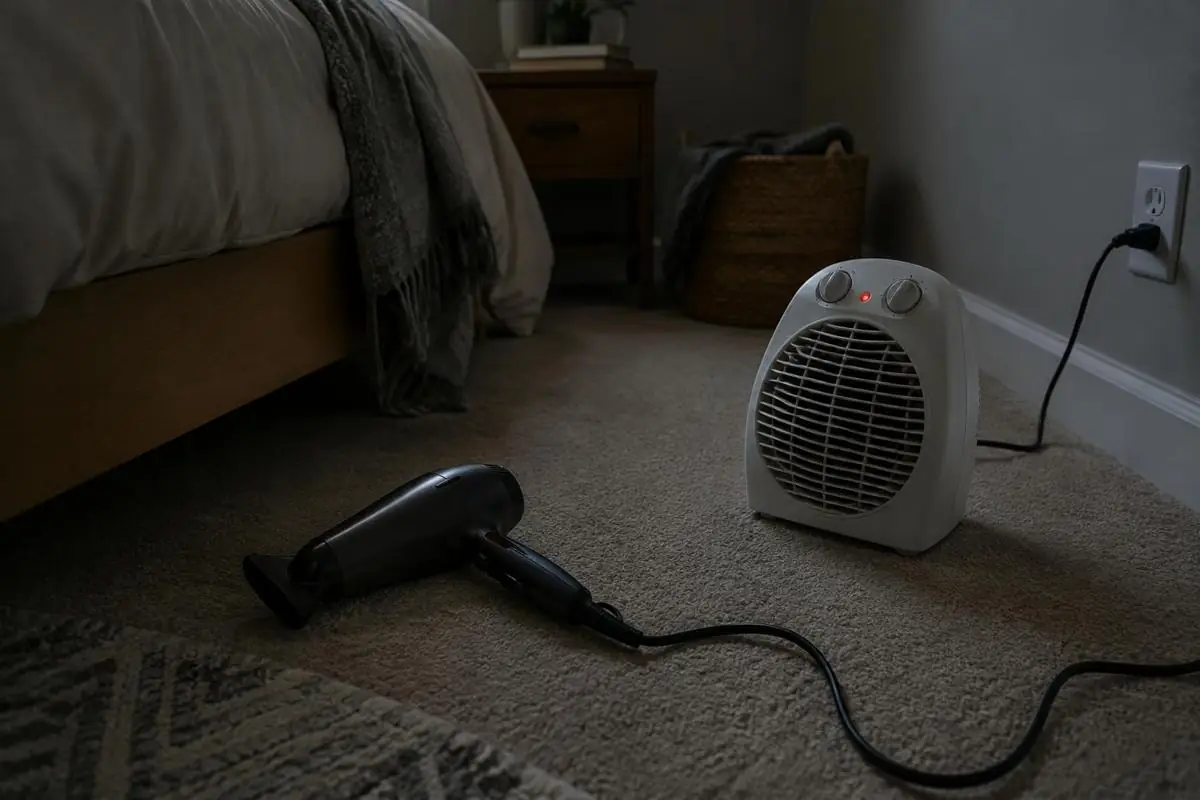
In contrast, heat treatment is a physical rather than chemical process. It involves the use of specialised mobile heating units that raise the internal temperature of a room to a specific range that is lethal to bed bugs at all life stages. Because air behaves as a fluid, the heat is able to penetrate thick mattresses, heavy upholstery, and structural gaps that liquid sprays simply cannot reach. This ensures that the treatment is thorough, targeting the hidden reservoirs of the infestation rather than just the insects visible on the surface of the furniture.
Another vital distinction lies in the duration of the process. Chemical treatments often require multiple visits spaced several weeks apart to account for the hatching of eggs, as most household insecticides are not 'ovicidal'—meaning they do not kill the unhatched embryos. Heat treatment, when monitored correctly by professionals using thermal imaging cameras, is designed to achieve total eradication in a single session. This eliminates the need for repeated disruption to the household and provides an immediate solution to what can otherwise be a long-drawn-out and stressful ordeal.
Understanding the Risks of Pesticide Exposure
While insecticides used by licensed professionals in the UK are regulated, the inherent nature of these substances means they carry certain risks if not managed with extreme care. Fumigants and residual sprays are designed to be toxic to biological organisms. When these chemicals are applied within a residential environment, there is an inevitable period where the inhabitants must vacated the property to avoid inhalation or skin contact. Even after the recommended re-entry period, microscopic residues can persist on carpets, furniture, and curtains, which may be a concern for families with young children or pets.
The potential for adverse reactions to pesticide exposure is well-documented in scientific literature. Some individuals may experience respiratory irritation, skin rashes, or more severe systemic reactions if they come into contact with treated surfaces prematurely. Furthermore, the risk of improper application by unqualified individuals can lead to dangerous concentrations of toxins within enclosed spaces. This is why many property owners are now looking towards heat as a way to circumvent the use of poisons entirely, ensuring that their living environment remains free from synthetic chemical traces.
A heat-based approach avoids these toxicological concerns by using nothing more than controlled, high-temperature air. There are no fumes to dissipate and no poisonous films left behind on kitchen surfaces or bedding. This makes it an ideal choice for sensitive environments such as hospitals, care homes, and nurseries where the health of vulnerable occupants is the primary priority. By choosing a thermal route, you are effectively removing the biological threat of the bed bugs without introducing a secondary chemical concern into your home or place of business.
The Challenge of Insecticide Resistance
One of the most significant hurdles in modern bed bug control is the evolution of pesticide resistance. Scientific studies have shown that bed bugs have developed thicker exoskeletons and internal enzymes that allow them to neutralise common toxins. In many urban areas across England and Wales, populations of bed bugs have been found to be almost entirely unaffected by standard retail sprays. This means that a homeowner could spend a significant amount of money on chemical treatments only to find that the infestation persists or returns within a few weeks.
When bed bugs are exposed to sublethal doses of chemicals, it can also lead to 'scatter'. This occurs when the insects detect the presence of a repellent substance and move deeper into the structure of the building, potentially spreading the infestation to adjoining rooms or neighbouring properties. This makes the eventual eradication much more difficult and expensive. Because chemicals rely on the insect's biology to work, any mutation that grants the bug a defensive advantage rendered the chemical useless, leading to a cycle of failed treatments.
Thermal remediation does not suffer from this limitation because it relies on basic thermodynamics. No insect can evolve a way to survive the proteins in its body coagulation due to extreme heat. If a bed bug is exposed to temperatures above 50°C for a sustained period, it will perish, regardless of its level of chemical resistance. This makes heat a reliable 'reset' button for infestations that have previously resisted multiple attempts at chemical control. It is a robust solution that tackles the problem through physical force rather than chemical interference.
Continue the topic: Do shop-bought bed bug killer kits work?
The Importance of Reaching All Life Stages
A successful eradication strategy must account for the entire life cycle of the bed bug, which includes the eggs, several nymphal stages, and the breeding adults. The eggs are particularly problematic because they are coated in a protective, sticky substance that shields them from many liquid insecticides. If a treatment only kills the active adults, the eggs will simply hatch a few days later, and the infestation will begin anew. This is the primary reason why chemical-only approaches frequently fail to provide a long-term solution.
Heat treatment is uniquely effective because it is naturally ovicidal. The high temperatures reached during a professional thermal session are sufficient to denature the proteins inside the eggs, effectively 'cooking' them before they have a chance to hatch. This allows the pest control technician to clear the entire population in one day. By destroying the next generation of insects simultaneously with the current one, the cycle of reproduction is broken instantly, which is a major advantage for both residential and commercial clients who need a quick resolution.
To achieve this, professional technicians use high-velocity fans to circulate the heated air into every corner of the room. They use thermal imaging cameras to monitor surface temperatures, identify cooler areas and assess heat distribution, helping to ensure that the 'cold spots'—such as the undersides of furniture or the middle of a pile of laundry—reach the required lethal temperature. This level of precision is difficult to achieve with sprays, which rely on the insect physically walking over a treated surface. With heat, the environment itself becomes lethal to the pest, leaving them with nowhere to hide.
Preparing Your Home for Thermal Treatment
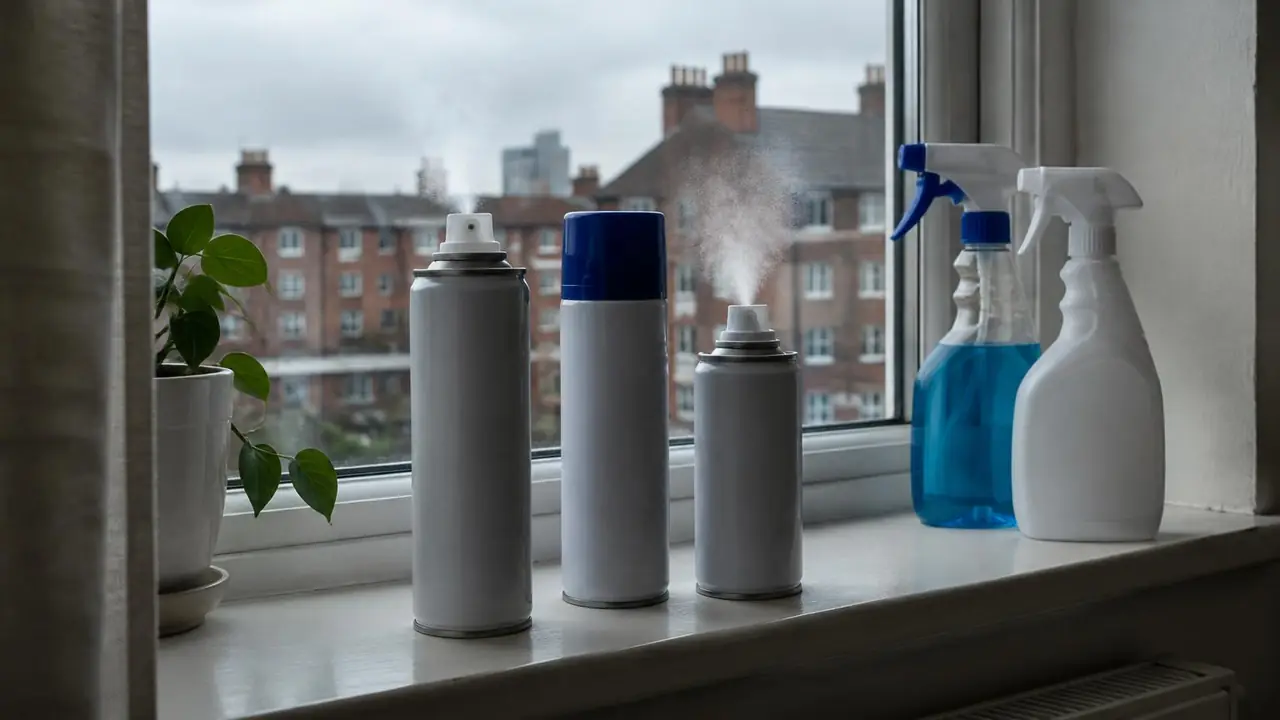
While heat treatment is highly effective, its success depends heavily on the preparation of the site. Because we are raising the temperature of the entire room, certain items that are sensitive to heat must be protected or removed. This might include delicate electronics, pressurized canisters, wax-based items like candles, and certain types of indoor plants. However, compared to the extensive washing and bagging often required for chemical treatments, the preparation for heat is often considered more straightforward and less invasive for the homeowner.
It is essential that readers do not attempt to guess what needs to be moved or protected. We provide a comprehensive, official preparation checklist on our website which must be followed precisely to ensure both the safety of your belongings and the success of the treatment. This list has been refined through years of experience to cover all common household items. Following these steps allows our technicians to focus on the technical aspects of the heat distribution without worrying about causing damage to heat-sensitive valuables.
The preparation process is a collaborative effort between the property owner and the professional team. By ensuring that air can circulate freely—for example, by opening wardrobe doors and slightly spacing out furniture—the heat can do its job more efficiently. Once the preparation is complete, the technicians take over, monitoring the process from start to finish. This professional oversight is what differentiates a high-quality thermal remediation from amateur attempts which may not reach the required temperatures to be effective.
The Role of Professional Monitoring and Technology
Executing a safe and effective heat treatment requires more than just a heater; it requires sophisticated monitoring technology. Professionals use thermal imaging cameras to check surface temperatures across the room. This helps the technician identify cooler areas and redirect heat where it is needed. This ensures that the heat is maintained for long enough to penetrate deep into mattresses and wall voids without overheating the more exposed areas of the room.
Without this level of monitoring, a heat treatment is mere guesswork. If the temperature does not stay high enough for long enough, some bed bugs may survive in a dormant state or in a protected pocket of air. Conversely, if the heat is not carefully managed, there is a risk of damage to the property. Professional companies like Bed Bug Heat Control UK use industrial-grade equipment designed specifically for this purpose, featuring safety cut-offs and precise thermostat controls that are far superior to generic space heaters or DIY equipment.
Furthermore, our technicians are trained to move furniture and 'flush out' insects during the process. As the temperature rises, bed bugs will often become active and try to move away from the heat source. A trained professional knows how to use this behavior to their advantage, ensuring that there are no 'thermal refugia' where the insects can wait out the treatment. This active management of the environment is a critical component of a professional service that cannot be replicated by untrained individuals.
For a property-specific assessment, see our bed bug heat treatment in East Yorkshire. Share your postcode and property details so the team can confirm coverage and availability.
Environmental Impact and Sustainability
In the modern world, many people are conscious of the environmental footprint of the services they use. Chemical pest control can have a wider impact than just the room being treated. The production, transport, and disposal of synthetic pesticides contribute to chemical runoff and can affect non-target species if the substances enter the wider ecosystem. For those committed to an eco-friendly lifestyle, the idea of pumping chemicals into their home is often a last resort that they would prefer to avoid.
Heat treatment is a significantly more sustainable choice. It relies on electricity or fuel to generate heat, but it introduces no persistent toxins into the environment. Once the treatment is over and the house cools down, there is absolutely no trace of the process left behind other than the dead insects. This makes it a 'green' alternative that aligns with the values of many contemporary homeowners and businesses looking to reduce their reliance on synthetic interventions.
Additionally, the efficacy of heat treatment reduces the need for repeated interventions. A single, successful heat treatment is often better for the environment than four or five failed chemical attempts that require multiple van journeys and multiple applications of poison. By getting the job done right the first time, thermal remediation offers a more efficient use of resources and a lower overall impact on the planet, while providing the property owner with a clean, insect-free living space.
Why DIY Chemical Attempts Often Fail
Many people try to tackle bed bugs themselves using over-the-counter sprays or 'bug bombs' found in hardware stores. Unfortunately, these products are often much weaker than professional-grade chemicals and can actually make the problem worse. Bug bombs, in particular, are notorious for failing to reach the cracks where bed bugs hide. Instead of killing the colony, the aerosolised mist often just irritates the insects, causing them to retreat into the walls or spread into other rooms of the house.
DIY chemical use also carries a significant risk of accidental poisoning or misuse. Without the proper personal protective equipment (PPE) and knowledge of application rates, homeowners can easily over-expose themselves or their families to harmful substances. Furthermore, without a professional assessment, it is easy to misidentify the source of the infestation or miss the key breeding sites, leading to a false sense of security while the population continues to grow in secret.
A professional assessment is always the recommended first step when bed bugs are suspected. A specialist can identify the scale of the problem and recommend the most appropriate course of action. In the vast majority of cases, they will advise that a professional heat treatment is the most reliable way to ensure the infestation is dealt with comprehensively. Trying to save money with DIY sprays often leads to higher costs in the long run as the infestation becomes more established and harder to treat.
Related practical reading: Chemical-free heat treatment for households with children and pets
Protecting Your Business Reputation
For businesses in the hospitality, healthcare, or housing sectors, a bed bug infestation is not just a maintenance issue; it is a threat to their reputation. In the age of online reviews, a single report of bed bugs can lead to a significant loss of revenue and guest trust. Therefore, speed and discretion are of the essence. Chemical treatments that require rooms to be out of service for several weeks or multiple visits are often impractical for a busy hotel or hostel.
Heat treatment offers a rapid turnaround that is ideal for commercial settings. Because the process is often completed in one day and leaves no chemical residue, the room can often be returned to service almost immediately after it has cooled down. This minimises the loss of 'room nights' and allows the business to get back to normal operations with minimal fuss. It also demonstrates to guests and staff that the management is taking a proactive, high-tech, and safety-conscious approach to pest control.
Moreover, choosing a chemical-free path can be a selling point for many modern guests who prefer to stay in eco-conscious or 'wellness' focused accommodations. Being able to state that your premises are maintained without the use of harsh pesticides can enhance your brand image. Professional heat treatment providers can work discretely, often using unmarked vehicles or quiet equipment to ensure that other guests are not alerted to the situation, protecting the business's public image while solving the problem.
Choosing a Professional Heat Treatment Partner
When selecting a company to handle a bed bug infestation, it is important to look for specialists who focus on thermal remediation. At Bed Bug Heat Control UK, we have dedicated ourselves to this specific technology because we believe in its superior results and safety profile. Our team operates across England and Wales, providing a reliable and expert service from 7am to 10pm daily. We understand the stress that bed bugs cause and strive to offer a service that is as non-invasive as possible.
It is always worth asking a potential provider about the specific equipment they use and how they monitor the temperatures throughout the property. A reputable company will be transparent about their process and will provide you with clear instructions on how to prepare. We recommend a professional assessment to determine the best approach for your specific property, as every building is different and requires a tailored thermal plan to ensure every hiding spot is addressed.
In conclusion, while the temptation to reach for a quick chemical fix is understandable, the evidence points toward professional heat treatment as the most effective, safest, and most thorough method available today. By choosing heat, you are opting for a solution that bypasses insecticide resistance, protects your family from chemical residues, and addresses the problem at every life stage. If you are struggling with an infestation, contact our experts on 0800 274 0156 for advice on how we can help you reclaim your home.
Sources & further guidance
General information, not a diagnosis, medical advice or legal advice. Research and US EPA references provide technical background, not UK law, and do not endorse our company. Your property assessment and the team’s written preparation instructions take priority.