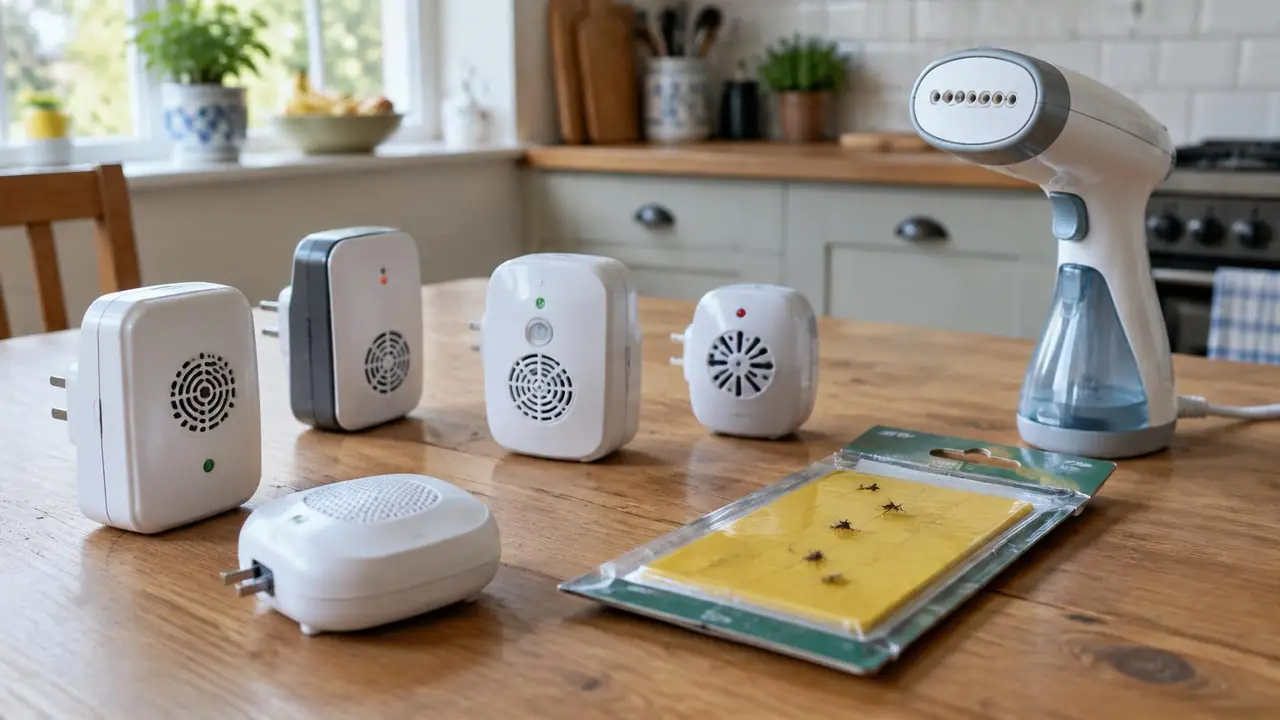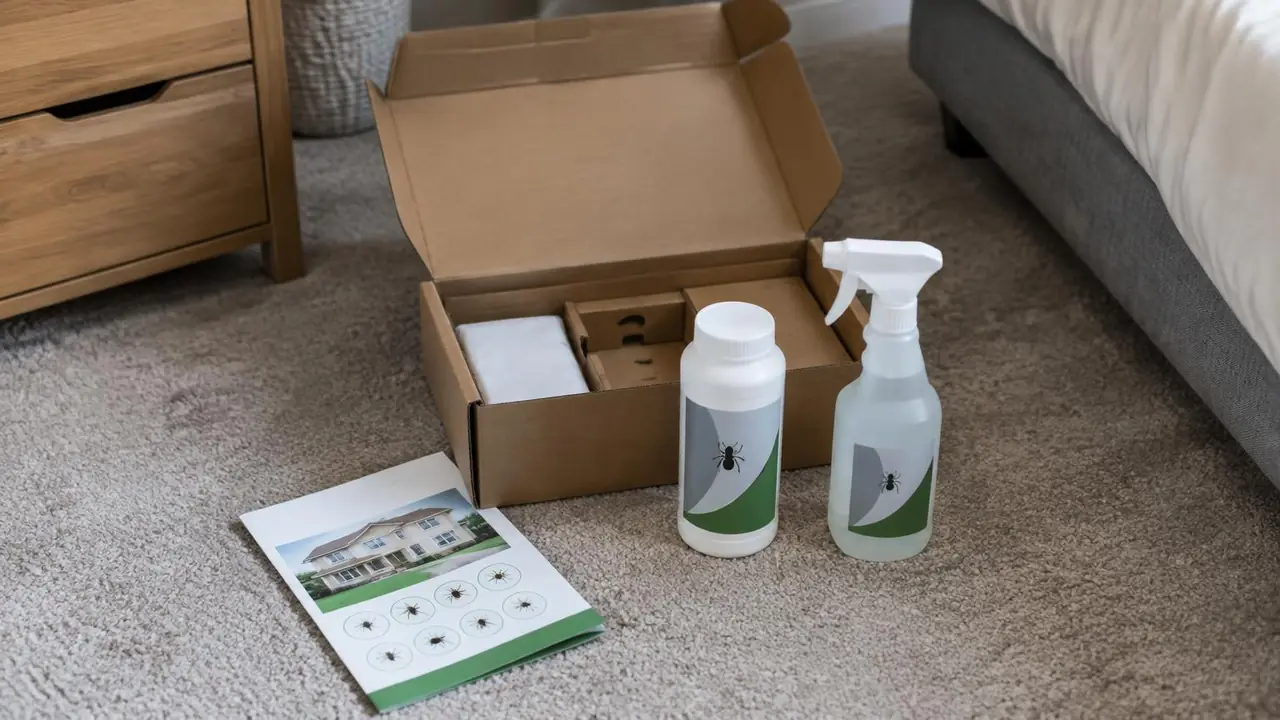
Discovering an infestation can be a distressing experience, often prompting a panicked search for the quickest and most affordable solution available. For many residents across England and Wales, the first port of call is the local hardware shop or an online marketplace to purchase a 'DIY bed bug killer kit'. These packages typically promise a complete solution using a combination of sprays, powders, and foggers. However, the reality of bed bug biology and their evolving resistance to common chemicals often means these kits provide a false sense of security. While the appeal of a low-cost, immediate fix is understandable, tackling these resilient parasites requires a level of precision that off-the-shelf products rarely achieve. This guide explores why DIY attempts frequently fall short and why a professional heat-based approach is increasingly necessary.
The Rise of Insecticide Resistance
One of the primary reasons retail bed bug kits struggle is the significant rise in insecticide resistance among modern bed bug populations. Scientific research has highlighted that these insects have developed thicker cuticles and internal mechanisms to neutralise common toxins found in household sprays. Many kits rely on pyrethroids, a class of chemicals that was once highly effective but has seen a marked decline in efficacy over the last two decades. When a homeowner applies these products, they may kill a few vulnerable individuals while leaving the resistant ones to thrive.
The survivors of a DIY chemical application are not just lucky; they are biologically predisposed to withstand the treatment. As these resistant bugs continue to breed, the resulting offspring inherit these survival traits, making the infestation even harder to clear in the long term. This creates a cycle where the homeowner applies more chemicals, yet the population persists. This phenomenon is well-documented in entomological studies, suggesting that relying solely on older chemical formulations is often a losing battle against a modern UK infestation.
Furthermore, many off-the-shelf products lack the residual strength required to manage a reproductive population. While a professional might have access to regulated substances, the general public is limited to lower concentrations that may only serve to irritate the bugs rather than eliminate them. This sublethal dosing can actually exacerbate the problem by encouraging the insects to seek shelter in deeper, more inaccessible areas of the building structure, such as behind skirting boards or inside electrical sockets.
The Limitation of Contact Sprays
The majority of liquids found in bed bug killer kits are classified as 'contact killers'. This means the substance must physically touch the insect's body while it is wet to be effective. Given that bed bugs are nocturnal and experts at hiding in tiny crevices, the chances of a non-professional hitting every single insect during a single application are extremely low. If even a few pregnant females or a small cluster of eggs remain untouched, the infestation will likely return to its original size within a few weeks.
Bed bugs do not spend their time out in the open; they wedge themselves into gaps as thin as a credit card. DIY enthusiasts often spray the visible surfaces of a mattress or bed frame, missing the insects tucked away inside the screw holes of the furniture or underneath the carpet edges. Because the chemicals in retail kits often lack a long-lasting residual effect, any bug that was hiding during the initial spray can simply walk over the dried surface later without being harmed.
This limitation turns DIY pest control into a game of 'hide and seek' where the insects have a significant advantage. Without professional-grade equipment and knowledge of insect harbourage patterns, it is difficult to ensure the product reaches the target. Consequently, many people find themselves in a repetitive cycle of spraying every few days, which leads to a build-up of chemical residues in the home environment without actually achieving a pest-free result.
The Problem with 'Bug Bombs' and Foggers
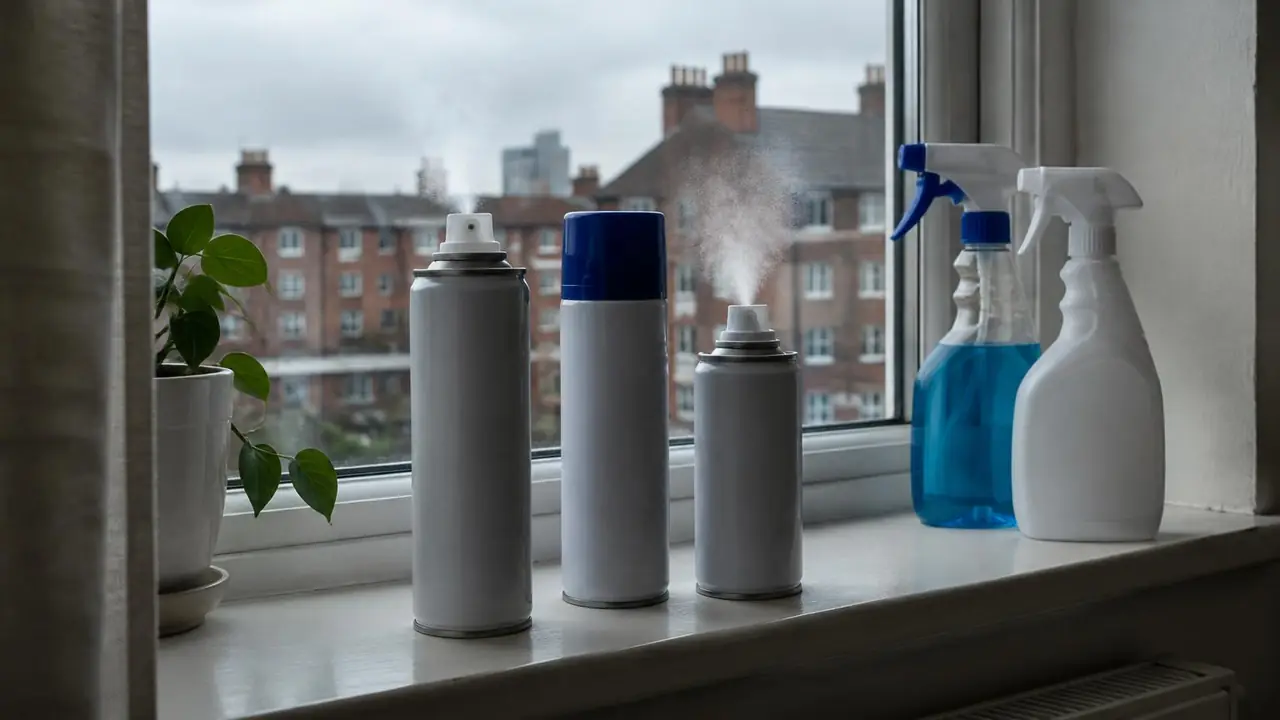
Total Release Foggers, commonly known as 'bug bombs', are a frequent inclusion in retail kits, but they are widely discouraged by experts for bed bug control. These devices release a fine mist of insecticide into the air, which then settles on horizontal surfaces. Unfortunately, bed bugs do not typically reside on open flat surfaces. Instead, they hide in vertical cracks, deep inside upholstery, and behind wall fixtures where the mist cannot penetrate. This lack of penetration makes foggers largely ineffective for reaching the core of an infestation.
More concerningly, the airborne irritants in foggers can trigger a 'dispersal' response. When the insects detect the chemicals in the air, they move away from the source of the irritation. This often causes the bed bugs to move deeper into wall voids or even into neighbouring rooms and properties. What was once a localised problem in a single bedroom can quickly become a multi-room or multi-flat issue because of an ill-advised DIY fogging attempt.
The use of foggers also presents significant safety considerations regarding air quality and flammable propellants. If not used with extreme caution, they can leave a sticky residue on all household items, from electronics to children's toys, without ever reaching the bed bugs hiding inside the bed frame. For these reasons, professional pest controllers generally avoid the use of total release foggers in favour of more targeted and penetrative methods like controlled heat.
Continue the topic: DIY bed bug gadgets: do any of them actually help?
The Difficulty of Eradicating Eggs
Perhaps the greatest hurdle for any DIY kit is the bed bug egg. These eggs are coated in a protective, cement-like substance that makes them highly resistant to most liquid insecticides. While a spray might successfully kill an adult bug, it often leaves the eggs completely unharmed. Since a single female can lay hundreds of eggs over her lifetime, any treatment that fails to address this stage of the life cycle is destined to fail eventually.
When homeowners use kits, they may see a temporary reduction in activity and assume the problem is solved. However, once the eggs hatch roughly ten days later, a new generation of nymphs emerges to begin feeding. These nymphs are tiny and translucent, making them almost impossible to see with the naked eye. This leads to the common 'rebound' effect, where an infestation seemingly disappears only to return with renewed vigour a fortnight later.
Achieving total elimination requires a solution that can neutralise the eggs where they sit. Professional heat treatment is one of the few methods capable of doing this effectively. By raising the temperature of the entire room to a level that is lethal to all life stages, heat bypasses the chemical protection of the egg shell. DIY kits simply do not have a mechanism to ensure that every hidden egg is rendered unviable, which is why infestations often persist for months.
Hidden Hazards of Chemical Misuse
Using a bed bug killer kit often involves introducing significant quantities of pesticides into sensitive areas like bedrooms and living rooms. Without professional training, there is a risk of over-application, which can lead to unnecessary exposure for residents, children, and pets. Many people, in their desperation to stop the biting, may use products in ways not specified on the label, such as spraying mattresses excessively or using outdoor-rated chemicals indoors, which is highly inadvisable.
Exposure to pesticide residues can cause skin irritation, respiratory issues, or allergic reactions in sensitive individuals. Because DIY kits often require multiple applications to see any results, the cumulative amount of chemical used can become quite high. This is particularly problematic in modern, well-insulated homes where ventilation might be limited. The desire for a quick fix should never overshadow the need for a safe and healthy living environment.
In contrast, professional heat treatments offer a chemical-free alternative that avoids these risks entirely. By using thermodynamic principles rather than toxins, the home remains a safe space immediately after the process is complete. Those with young children, elderly relatives, or respiratory conditions often find that the professional heat-based approach provides peace of mind that a chemical-heavy DIY kit simply cannot offer.
The False Economy of DIY Solutions
On the surface, a shop-bought kit seems like a bargain compared to the cost of professional intervention. However, many homeowners find that they end up buying several kits over several months as the infestation refuses to die out. When you factor in the cost of replacing ruined bedding, the time spent laundering clothes, and the ongoing stress of being bitten, the 'cheap' option often becomes very expensive. The incremental costs of failed DIY attempts can quickly add up to a significant sum.
Beyond the financial cost, there is the emotional toll of a prolonged infestation. Bed bugs are known to cause significant sleep deprivation and anxiety. Every week that a DIY kit fails to resolve the issue is another week of discomfort and worry. Many of our clients at Bed Bug Heat Control UK contact us only after they have spent months trying to solve the problem themselves, often expressing regret that they did not opt for a professional assessment much sooner.
A professional heat treatment is an investment in a definitive resolution. By addressing the problem comprehensively in a single day, it prevents the long-term drain on resources associated with ineffective sprays. In the context of property management or the rental sector, a fast resolution is also essential to protect the reputation of the landlord and ensure the comfort of the tenants, making professional services the more pragmatic financial choice.
For a property-specific assessment, see our bed bug heat treatment in Staffordshire. Share your postcode and property details so the team can confirm coverage and availability.
Why Heat Succeeds Where Kits Fail
The fundamental advantage of heat over the items found in a killer kit is its ability to penetrate. Air carries heat into every corner of a room, including the insides of furniture, behind wallpaper, and deep within mattresses. Unlike a spray that only works if it hits a bug directly, heat creates an environment where the bug has nowhere to hide. Once the ambient temperature reaches the lethal threshold, the insect's biology simply cannot survive.
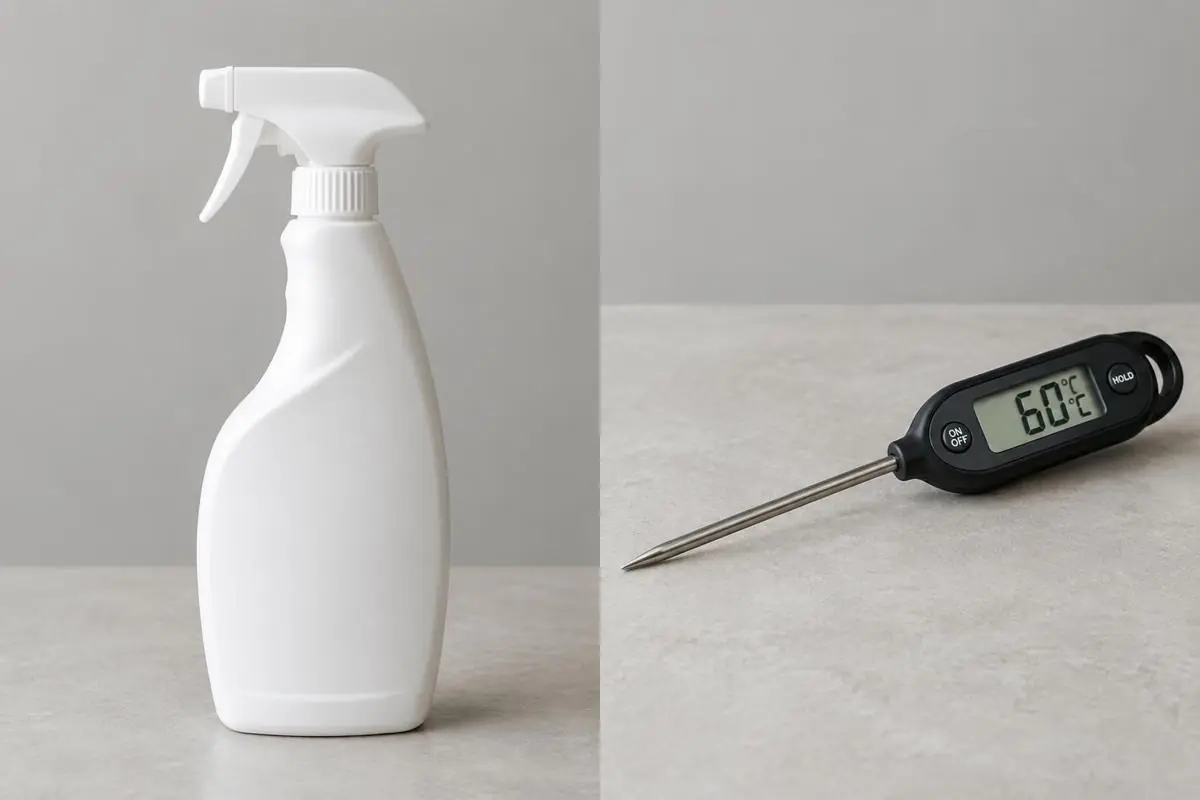
Heat works by denaturing the proteins within the bed bug's body and dehydrating it instantly. This is a physical process rather than a chemical one, which means that the bed bug's aforementioned insecticide resistance is completely irrelevant. Whether a bug is resistant to every spray on the market or not, it will succumb to the heat. This makes heat treatment a highly reliable method for modern, 'super-resistant' strains of bed bugs found across the UK.
During a professional heat treatment, thermal imaging cameras are used to check surface temperatures, ensuring that even the deepest 'cold spots' reach the required level. This level of monitoring and precision is impossible to achieve with a DIY kit. The process is thorough, scientific, and designed to tackle the entire environment at once, providing a level of comprehensive coverage that hand-held sprays cannot hope to match.
The Importance of Professional Assessment
One of the biggest mistakes made when using DIY kits is failing to identify the full extent of the infestation. Bed bugs are experts at hitchhiking, and they may have spread to other rooms via laundry, vacuum cleaners, or wall voids. A homeowner might treat their bed but ignore the sofa in the next room, leading to a quick re-infestation. A professional technician is trained to spot the subtle signs of activity that an untrained eye might miss.
At Bed Bug Heat Control UK, we believe that an accurate assessment is the foundation of any successful treatment plan. Understanding the movement patterns of the insects and identifying all potential harbourage points allows for a more effective heat application. DIY kits do not come with this expertise; they are simply tools that are only as effective as the person using them. Without the context of how bed bugs behave, these tools are often misused.
A professional assessment also helps to rule out other biting insects that might be causing the issue, such as fleas or bird mites, which might require different management strategies. Using a bed bug kit for a flea problem, or vice versa, is a waste of time and money. By choosing a professional service, you ensure that the treatment is correctly targeted from the very beginning, saving you from unnecessary frustration.
Related practical reading: The dangers of DIY foggers and fumigation for bed bugs
Preparing for a Professional Treatment
If you decide to move away from DIY kits and choose a professional heat treatment, the success of the process relies heavily on proper preparation. This is not about spraying chemicals, but about ensuring the heat can circulate effectively and that sensitive items are protected. We provide our clients with a detailed official preparation checklist that must be followed to ensure the best possible outcome for the property.
The preparation involves tasks such as de-cluttering and managing laundry in a specific way. It is important to note that you should not try to 'pre-treat' the area with your own chemicals before the professionals arrive, as this can interfere with the heat process or cause the bugs to scatter into deeper recesses. Simply follow the guidance provided by the experts to create the ideal conditions for a successful thermal eradication.
By focusing on the official preparation checklist on our website, residents can play an active role in clearing their home. This collaborative approach ensures that when the heat equipment is deployed, there are no barriers to the thermal energy reaching the insects. It is a streamlined process that, while requiring some effort from the resident, results in a much higher success rate than the chaotic application of various shop-bought sprays.
Long-Term Protection and Peace of Mind
Once a professional heat treatment has been completed, the focus shifts to preventing a future re-introduction. Unlike DIY kits, which often leave you wondering if the bugs will return tomorrow, a professional service provides a clear 'day zero' where the infestation has been addressed. This allows you to implement preventative measures, such as being more cautious with second-hand furniture or checking luggage after travelling, with a clean slate.
We operate from 7am to 10pm daily, providing support to homeowners and businesses throughout England and Wales. If you are currently struggling with a bed bug kit that isn't working, or if you have just discovered an infestation and want to avoid the DIY trap, you can reach out to us on our freephone number, 0800 274 0156. We are here to offer professional advice and a more effective path to a bed bug-free home.
Choosing Bed Bug Heat Control UK means choosing a family-run team with extensive experience in chemical-free eradication. We understand the stress these pests cause and are dedicated to providing a service that is both thorough and respectful of your home environment. Forget the complicated instructions and ineffective chemicals of retail kits; modern heat technology is the most reliable way to reclaim your bedroom and your sleep.
Sources & further guidance
General information, not a diagnosis, medical advice or legal advice. Research and US EPA references provide technical background, not UK law, and do not endorse our company. Your property assessment and the team’s written preparation instructions take priority.