The modern homeowner faces a daunting challenge when confronted with a bed bug infestation, often leading to a desperate search for the latest technological solutions. As these resilient parasites become increasingly resistant to traditional chemical applications, the market has become saturated with various gadgets promising quick results. However, there is a significant divide between consumer-grade electronic devices and the sophisticated industrial technology used by professionals. Understanding what actually works requires looking past marketing claims and examining the biological realities of Cimex lectularius. While some innovations provide useful monitoring capabilities, others offer little more than a false sense of security. This guide explores the effectiveness of current technologies, from DIY traps to professional-grade heat monitoring systems, helping you navigate the complex landscape of modern pest management.
The Rise of Chemical Resistance and New Tech
Over the last several decades, bed bug populations across England and Wales have demonstrated a remarkable ability to adapt to common pesticides. Scientific research indicates that many strains have developed thickened exoskeletons or metabolic changes that render standard pyrethroid sprays largely ineffective. This biological evolution has necessitated a shift in how we approach pest control, moving away from simple chemical applications toward more integrated and technology-driven methodologies.
As a result, both consumers and professionals are looking for alternatives that bypass the bug's natural defences. Heat treatment has emerged as a primary solution because it targets the insect's thermal limits rather than its nervous system, which is where chemical resistance usually occurs. By raising the temperature of a room to a specific threshold, every life stage, including the notoriously resilient eggs, can be addressed in a single session without leaving toxic residues behind.
However, the move toward technology has also opened the door for many unproven products. From electronic repellers to smartphone apps claiming to detect infestations, the digital age has brought a mix of genuine innovation and ineffective gimmicks. To protect your home and your budget, it is vital to distinguish between tools that assist in a professional integrated pest management plan and those that claim to be a 'magic bullet' for a complex biological problem.
The Truth About Ultrasonic Repellents
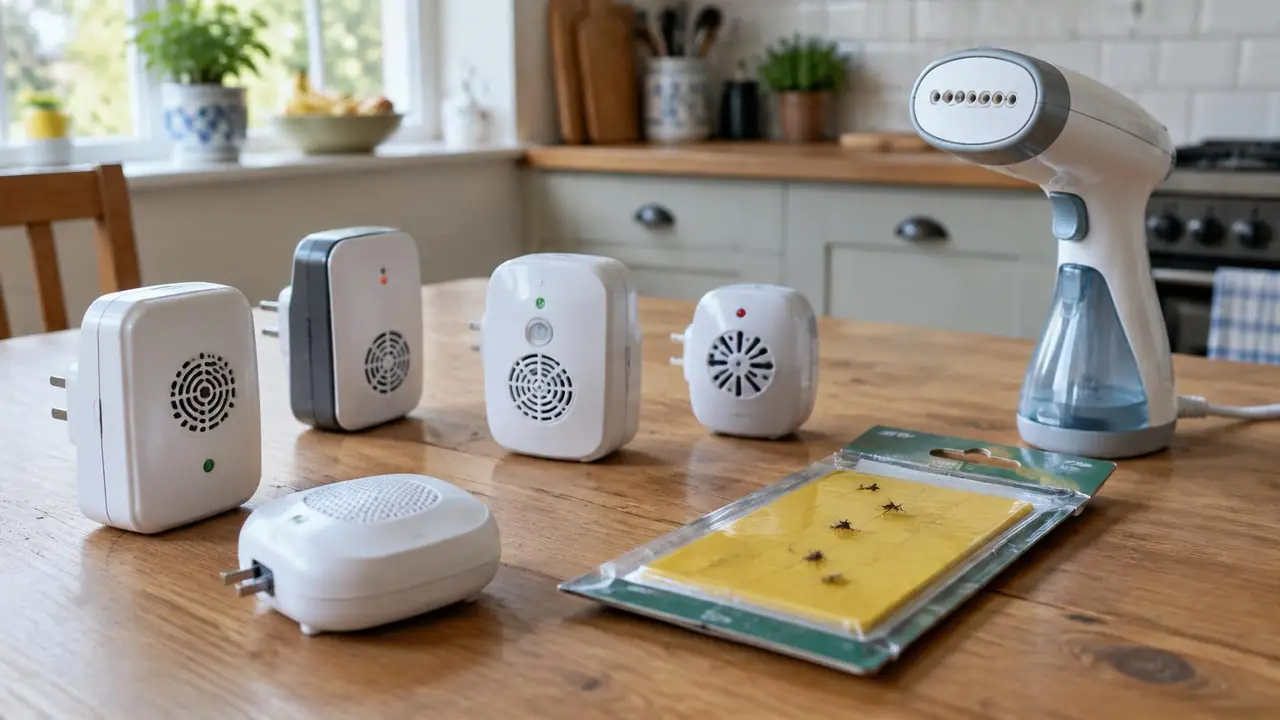
One of the most widely marketed technological solutions is the ultrasonic pest repeller. These devices are designed to be plugged into a standard wall socket, where they supposedly emit high-frequency sound waves that are uncomfortable for insects but inaudible to humans and pets. The theory suggests that the noise creates a hostile environment, forcing bed bugs to flee the area or preventing them from entering in the first place.
Despite their popularity on e-commerce platforms, multiple scientific studies have cast doubt on the efficacy of ultrasonic devices for bed bug control. Research suggests that bed bugs do not show a significant behavioral response to these frequencies. Because bed bugs have evolved to hide in deep crevices, behind skirting boards, and within furniture, sound waves often fail to reach them even if they were sensitive to the noise, as the sound does not penetrate solid objects.
Relying on these gadgets can often exacerbate an infestation. If a homeowner believes the device is working, they may delay seeking professional intervention, allowing the population to grow and spread to other rooms. When dealing with a pest as prolific as the bed bug, wasting time on unproven electronic repellers can lead to a much larger and more expensive problem to solve later on. Professional assessment remains the most reliable first step.
Monitoring with Interceptor Technology
While they may seem low-tech compared to electronic gadgets, bed bug interceptors are a highly effective application of physical technology. These devices are essentially specialized plastic wells that sit under the legs of beds or sofas. They utilize a 'pitfall' design with a smooth inner surface that the bugs can climb into but cannot climb out of, effectively trapping them as they attempt to move between the floor and your sleeping area.
Interceptors serve two primary functions: they provide an early warning system and help to identify the extent of an infestation. By checking the traps regularly, a resident can confirm the presence of live insects and even determine which direction they are travelling from. This data is invaluable for professionals, as it helps map out the 'hot spots' within a property that require the most intensive treatment during a heat session.
It is important to remember that interceptors are monitoring tools, not an eradication method. They will not stop an infestation that is already established within a mattress or headboard. However, when used as part of a post-treatment strategy, they offer peace of mind by showing that no new bugs are migrating onto the furniture. They represent a simple but scientifically sound piece of equipment in the fight against these pests.
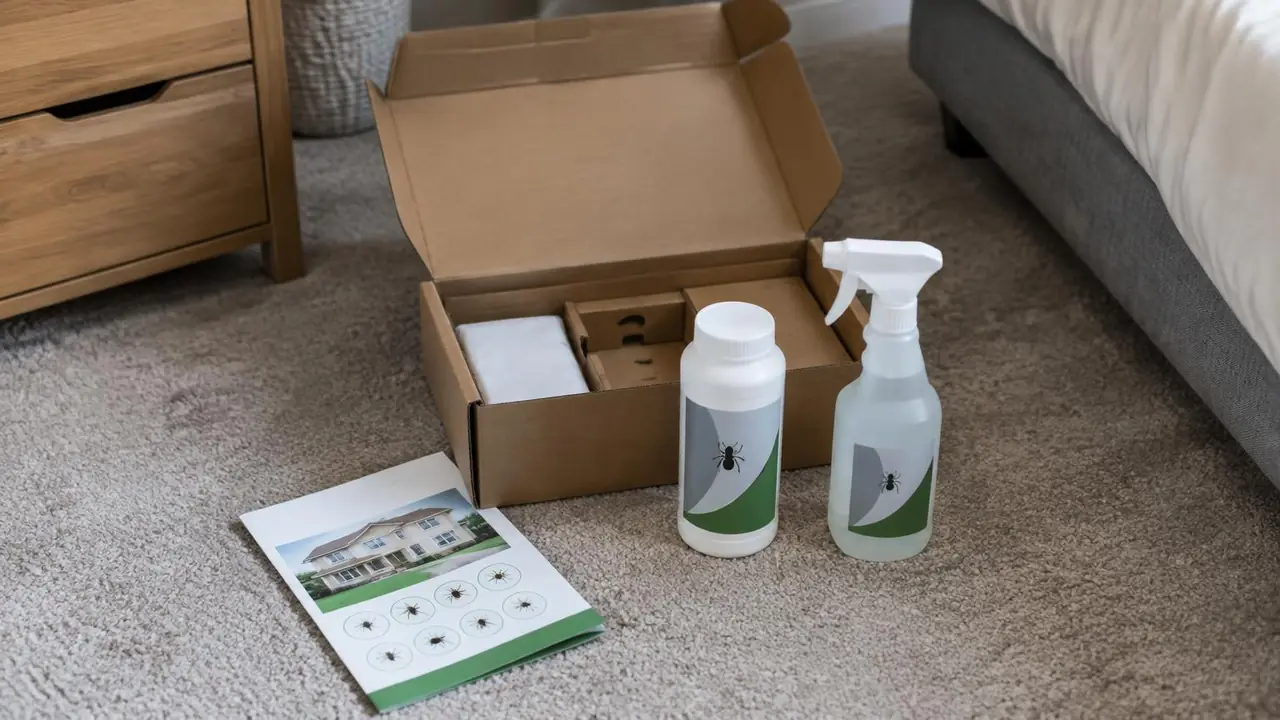
Continue the topic: Do shop-bought bed bug killer kits work?
The Role of Pheromone and CO2 Traps
Bed bugs are attracted to their hosts primarily through the detection of heat and carbon dioxide (CO2). Technology has sought to replicate these attractants to lure bugs into traps. Active monitors use small canisters of CO2 or chemical lures that mimic the scent of human skin or 'aggregation pheromones,' which are the natural chemicals bed bugs use to signal to one another that a location is safe for harbourage.
These traps can be more effective than passive glue boards because they actively draw the insects out of their hiding spots. In a room that is currently unoccupied, a CO2 trap can be particularly useful as there is no human presence to compete with the lure. This makes them an excellent tool for property managers or hotel operators who need to verify that a room is clear before new guests arrive.
However, DIY versions of these traps, such as those using yeast and sugar to produce gas, are often inconsistent. They may produce too little CO2 to be effective or run out of fuel quickly. Professional-grade active monitors are more reliable but are still primarily diagnostic tools. They help us understand the problem, but the heavy lifting of eradication still requires a comprehensive thermal approach to ensure all life stages are removed.
Professional Thermal Imaging Technology
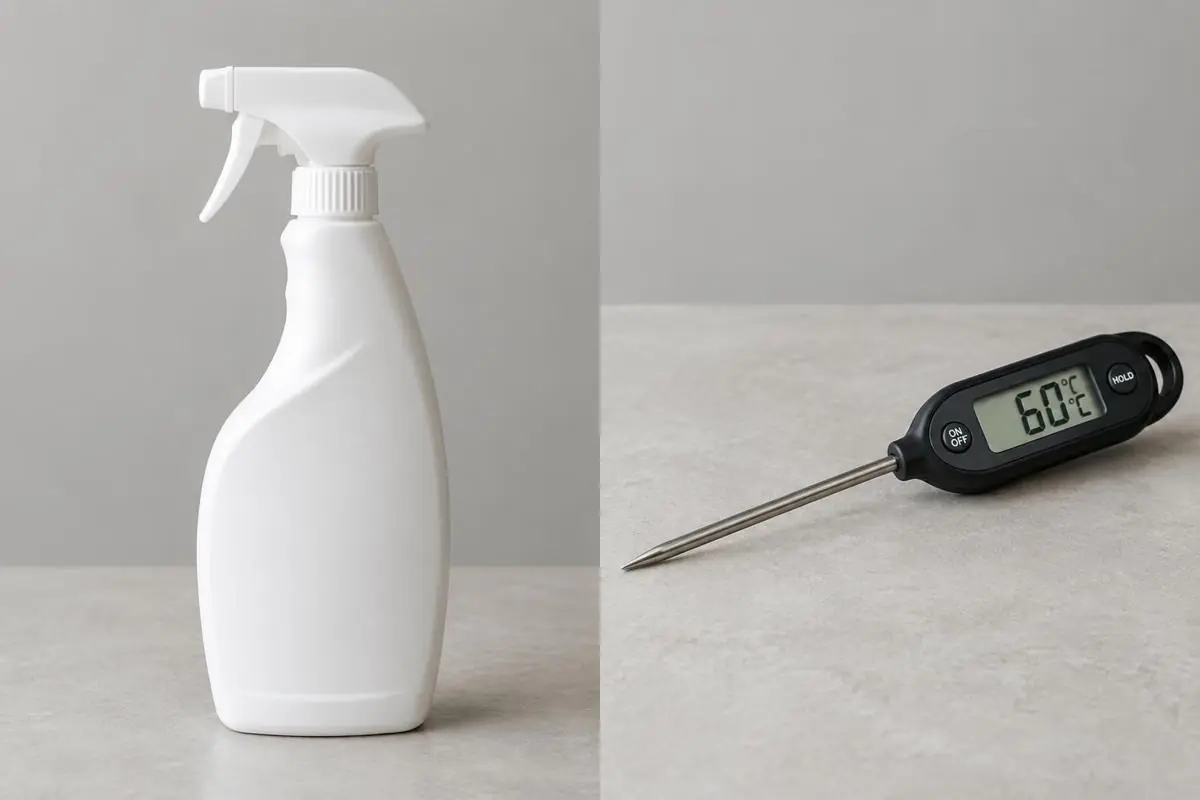
The most significant technological advancement in modern bed bug control is the use of remote thermal monitoring. During a professional heat treatment, the goal is to raise the ambient temperature to between 50°C and 60°C. However, it is not enough for the air to be hot; the heat must penetrate deep into mattresses, behind wall hangings, and into the structural voids where bugs hide to ensure a successful outcome.
Technicians now use thermal imaging cameras to monitor surface temperatures, identify cooler areas and assess heat distribution throughout the treatment. This allows the operator to see how heat is spreading across different zones of the property. If a 'cold spot' is identified—perhaps behind a heavy wardrobe or inside a thick sofa—the technician can adjust the airflow or move heaters to ensure that area reaches the lethal temperature.
This data-driven approach removes the guesswork from the process. Instead of simply leaving a heater running for a set number of hours, the treatment is guided by precise measurements. This level of technological oversight ensures that the heat is applied safely and effectively, protecting the building's contents while ensuring that no pocket of insects survives due to insufficient thermal exposure.
Thermal Imaging in Detection
Infrared and thermal imaging cameras are another high-tech tool used in the industry. While these cameras cannot 'see through' walls to find individual bed bugs, they are incredibly useful for identifying areas of poor insulation or heat loss during a treatment. By visualizing the heat distribution across a room, a technician can ensure that every corner is being adequately reached by the thermal energy.
In some cases, thermal imaging can help identify large clusters of insects if they are creating a significant enough thermal signature, though this is rare in domestic settings. More commonly, these cameras are used to inspect the perimeter of a room to ensure that the heat isn't escaping through gaps or poorly sealed windows, which could prevent the room from reaching the necessary temperature for total eradication.
Using thermal imaging represents a move toward a more scientific and transparent method of pest control. It allows the service provider to demonstrate to the homeowner that the heat has been distributed evenly. By using these visual tools throughout the treatment, a professional service can provide a comprehensive overview of the treatment's progress, ensuring a higher level of precision than traditional methods.
For a property-specific assessment, see our bed bug heat treatment in Shropshire. Share your postcode and property details so the team can confirm coverage and availability.
The Limitations of Consumer Steamers
Steam technology is frequently recommended as a chemical-free way to kill bed bugs on contact. The high temperature of steam instantly destroys the insects and their eggs. Many homeowners attempt to use small, handheld clothes steamers or domestic floor cleaners to tackle an infestation, believing the 'tech' of steam is enough to solve the problem throughout their home.
The limitation of domestic steam technology lies in its reach. Steam only kills the bugs it directly touches. Because it has very little penetrative power compared to whole-room convection heating, it often misses bugs hidden deep inside a box spring or behind a baseboard. Furthermore, the moisture introduced by steam can sometimes lead to mould issues if not managed correctly, or the high pressure can actually blow the lightweight bugs away into new hiding spots.
Professional-grade dry steam cleaners operate at much higher temperatures and lower moisture levels, making them a useful tool for spot-treating specific items like delicate chairs. However, even the best steam technology is usually just a supplement to a larger heat treatment. It is the ability to heat the entire volume of a room simultaneously that ensures the bugs have nowhere to hide, whereas steam is limited to where the nozzle is pointed.
Smart Technology and IoT in Pest Control
The 'Internet of Things' (IoT) is beginning to make its way into the pest control industry. Some companies now offer smart traps that connect to a building's Wi-Fi network. When an insect enters the trap, a notification is sent to a smartphone or a central dashboard. This is particularly useful for commercial environments, such as hotels or care homes, where early detection is critical to preventing a widespread outbreak.
These smart systems allow for 24/7 monitoring without the need for manual inspections of every room. While this technology is currently more common in commercial settings, it highlights the direction the industry is heading. The faster a bed bug is detected, the less intrusive the eventual treatment needs to be. Early, professional intervention can prevent the need for multiple site visits and significantly reduce the stress on the occupants.
However, for the average residential property in England or Wales, these systems may currently be an unnecessary expense. A professional assessment by a specialist is usually more cost-effective for a one-off infestation. Technology is a powerful ally, but it still requires human expertise to interpret the data and decide on the best course of action based on the specific layout and contents of a home.
Related practical reading: Why DIY heating and quick bed bug remedies can make things worse
Why 'Total Home' Heat is the Ultimate Tech
When people think of technology, they often think of microchips and software. However, the engineering behind industrial-scale heaters and air-movement systems is just as vital. Whole-room heat treatment is a sophisticated process that involves calculating the British Thermal Units (BTUs) required to heat a specific volume of air, taking into account the thermal mass of the furniture and the heat loss of the building materials.
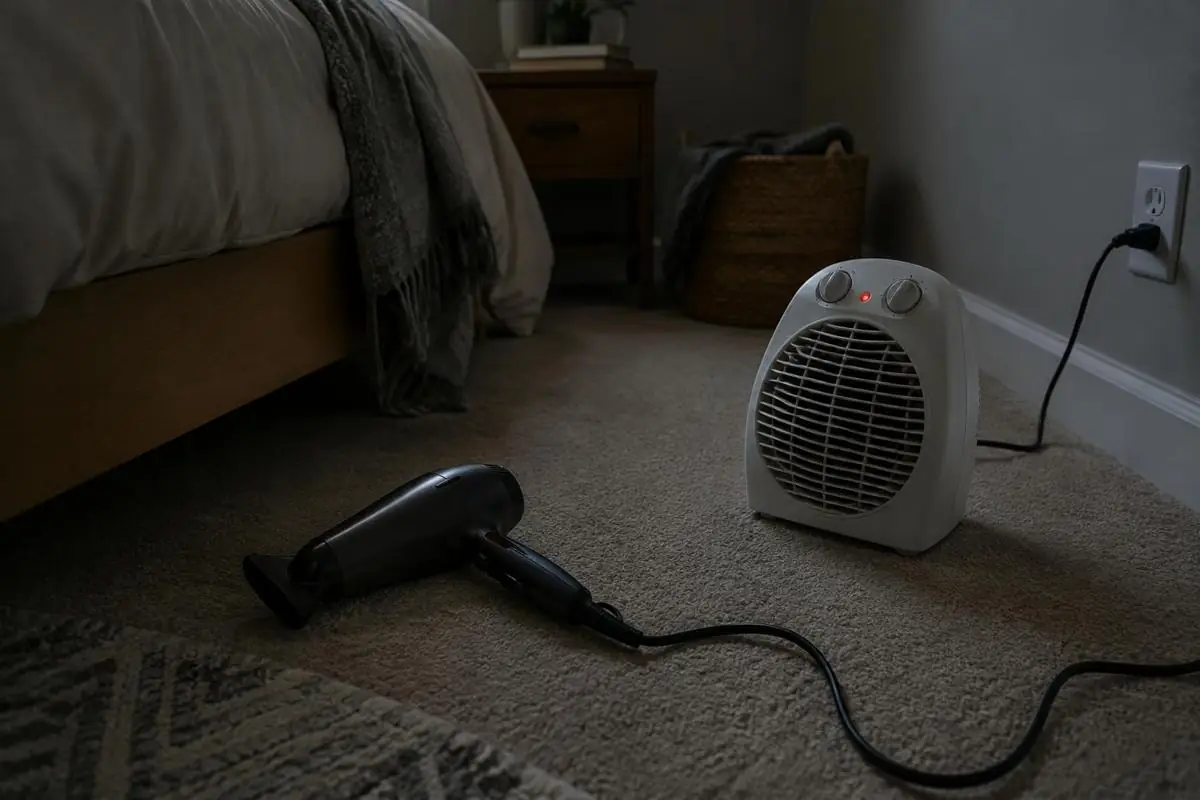
This technological approach is what sets professional heat control apart from DIY attempts. Using high-powered, mobile heating units, professionals can safely circulate massive amounts of hot air throughout a property. The fans used are not standard domestic fans; they are high-velocity air movers designed to create a vortex of heat that reaches into every possible crack and crevice, ensuring there is no 'safe zone' for the insects.
The success of this technology relies heavily on the preparation of the site. To allow the heat technology to work its magic, residents are asked to follow a specific protocol. Rather than listing those steps here, we advise all clients to strictly follow the official preparation checklist provided on our website. Proper preparation ensures that the heat can circulate freely and that cooler areas can be identified with thermal imaging.
Navigating the Future of Bed Bug Control
As we look to the future, the reliance on technology in pest control will only increase. We are seeing developments in biological lures, more sensitive electronic noses that can 'smell' bed bugs, and even more efficient heating elements. However, the core principle remains the same: bed bugs are biological entities that are extremely good at hiding and surviving. Technology is most effective when it is used to target these biological vulnerabilities.
For residents in England and Wales dealing with an infestation, the best approach is a cautious one. Be wary of 'as seen on TV' gadgets that promise impossible results for a low price. Instead, look for services that use proven industrial technology like monitored heat treatment. This method has a long track record of success because it uses physics to overcome the biological advantages that bed bugs have developed over centuries.
If you suspect you have bed bugs, the most effective next step is to seek a professional assessment. A specialist can use their experience alongside modern tools to identify the extent of the problem and recommend a targeted heat treatment plan. Bed Bug Heat Control UK operates daily from 7am to 10pm, covering England and Wales, and can be reached on freephone 0800 274 0156 for expert advice on utilizing the best technology for your home.
Sources & further guidance
General information, not a diagnosis, medical advice or legal advice. Research and US EPA references provide technical background, not UK law, and do not endorse our company. Your property assessment and the team’s written preparation instructions take priority.