Discovering a bed bug infestation is a distressing experience for any homeowner, but for those with beloved cats, dogs, or other small animals, the concern often extends to their furry companions. While these parasitic insects are primarily known for their preference for human hosts, the reality is that they are opportunistic feeders. If you have noticed your pet scratching more than usual or have spotted mysterious welts on their skin, you might be wondering if these resilient pests have expanded their territory. Understanding the relationship between bed bugs and household pets is crucial for effective management. This guide explores whether bed bugs bite pets, how they move through your home, and why professional heat treatment is often the most appropriate solution for pet-friendly households across England and Wales.
The Biological Preference for Human Hosts
Bed bugs are biologically programmed to seek out the specific cues provided by human beings, such as the carbon dioxide we exhale and the unique heat signature of our bodies. In a typical domestic setting, humans are the primary target because our skin is relatively thin and hairless, making it much easier for the insect to access a blood meal. However, bed bugs are not exclusively limited to humans and will seek nourishment from other warm-blooded animals if their preferred food source is unavailable or if the population density is high.
Unlike fleas or ticks, which have evolved to navigate through thick fur and remain attached to a host for long periods, bed bugs are 'nest parasites.' This means they prefer to live near where their host sleeps, emerging only briefly to feed before retreating to a dark, secluded crack or crevice. While a dog or cat can certainly be bitten, the insect finds it significantly more difficult to navigate through dense animal fur to reach the skin. This physical barrier usually makes pets a secondary choice when a human is nearby.
It is also important to note that bed bugs do not live on the skin or fur of animals. If you find an insect that is permanently attached to your pet or crawling through its coat throughout the day, it is far more likely to be a flea or a tick. Bed bugs are transient visitors to the host, typically feeding for five to ten minutes before scurrying back to their hiding places in furniture, skirting boards, or pet bedding, where they begin the process of digestion and reproduction.
Identifying Bed Bug Bites on Animals
Detecting bed bug bites on pets can be a significant challenge due to their fur. On humans, bites often appear as small, red, itchy welts, frequently arranged in a linear pattern or cluster. On dogs and cats, these signs are often obscured. You may notice your pet biting, licking, or scratching at a specific area of their body more frequently than usual. If you part the fur, you might see small red bumps or localized skin irritation, particularly on the belly, inner thighs, or other areas where the hair is naturally thinner.
Because these symptoms overlap heavily with other common issues such as flea allergy dermatitis, mite infestations, or seasonal skin allergies, it is difficult to confirm bed bugs based on skin reactions alone. Pets can also experience allergic reactions to the saliva injected by the bed bug during feeding, which can lead to increased swelling or secondary skin infections if the pet scratches the area excessively. A professional assessment is often necessary to distinguish between a pest problem and a veterinary dermatological issue.
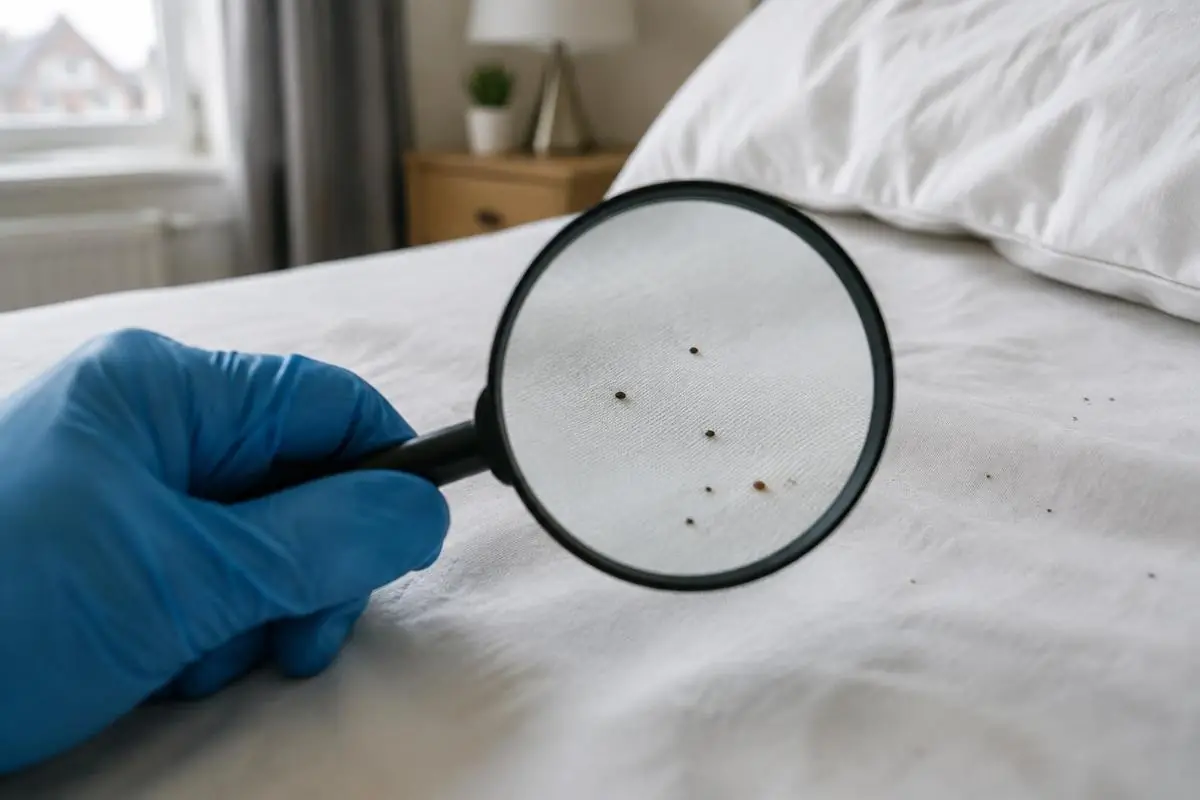
If you suspect your pet is being bitten, the best course of action is to inspect their primary sleeping areas. Check the seams of their beds, the underside of mats, and any nearby cracks in the flooring or skirting boards. Look for the tell-tale signs of bed bug activity, such as small dark spots of excrement, translucent shed skins, or the tiny white eggs of the insects. Finding these physical markers in your pet's environment is a much more reliable indicator of an infestation than observing skin marks on the animal itself.
How Pets Accidentally Transport Pests
One of the most common misconceptions is that bed bugs travel on pets in the same way that fleas do. While fleas are adapted to jump onto a passing animal and stay there, bed bugs are relatively slow-moving crawlers. However, pets can still act as accidental vehicles for these pests. If a pet spends time in a highly infested environment, a bed bug might crawl onto their collar, lead, or even into their thick fur, eventually being dropped off in a new location, such as your living room or bedroom.
More frequently, bed bugs are introduced to a home via pet-related accessories rather than the animals themselves. Second-hand pet crates, bedding from a boarding kennel, or even bags of equipment used during a visit to a groomer can harbour hidden insects. Because bed bugs are experts at hiding in tiny voids, they can easily go unnoticed on these items. Once inside the home, they will quickly seek out a safe harbourage, which often ends up being the cracks and crevices near where your pet sleeps.
If you regularly travel with your pet or use communal pet facilities, it is wise to be vigilant. Regularly inspecting pet carriers and washing fabric items on a high heat setting can help mitigate the risk. However, once bed bugs have established a presence in the structural elements of your home, such as behind the skirting boards near a dog basket, simple cleaning measures are rarely sufficient to eliminate the entire population, as the insects can survive for many months without a meal.
Continue the topic: Chemical-free heat treatment for households with children and pets
The Risks to Pet Health and Wellbeing
While bed bugs are not known to transmit diseases to humans or pets, their presence can cause significant stress and physical discomfort. For a pet, constant biting can lead to irritability and sleep disruption. In severe cases, the itching can cause the animal to scratch or bite at their own skin so intensely that they create open sores. these lesions can then become vulnerable to bacterial infections, which may require veterinary intervention to treat with antibiotics or topical creams.
There is also the psychological impact on the household to consider. The anxiety of knowing that pests are active in the home can affect the overall atmosphere, impacting both the owners and the pets who are sensitive to their owners' stress levels. Unlike fleas, which can be managed with monthly spot-on treatments, there is no preventative medicine that you can give a pet to stop bed bugs from biting them. The only way to protect the pet is to completely remove the infestation from the property.
For small animals like kittens, puppies, or caged birds, a very heavy infestation could theoretically lead to anaemia due to blood loss, although this is extremely rare in domestic settings. The primary concern remains the irritation and the potential for secondary skin issues. Owners should avoid using over-the-counter insecticidal sprays directly on pet bedding or near their animals, as many of these chemicals can be toxic to pets if inhaled or ingested during self-grooming.
Challenges of Chemical Treatments in Pet Homes
When faced with a bed bug problem, many homeowners first turn to DIY chemical sprays or hire traditional pest control services that rely on residual insecticides. However, using chemicals in a home with pets presents several challenges. Pets spend a significant amount of time close to the floor and frequently lick their paws and fur, increasing their risk of exposure to chemical residues. Some pets, particularly cats and certain breeds of dogs, can be highly sensitive to the pyrethroids often found in standard insecticidal treatments.
Furthermore, bed bugs have developed significant resistance to many common chemical treatments. This means that even if you apply these substances, the surviving insects may simply move deeper into the wall voids or furniture, prolonging the infestation. For a pet owner, this can lead to a frustrating cycle of repeated chemical applications with limited success, all while continuing to expose the household to potentially irritating substances. This is why many are now seeking more modern, physical methods of control.
Traditional liquid treatments also require significant 'down time,' where pets and humans must vacate the premises for several hours, and specific precautions must be taken for fish tanks or exotic animals. The logistics of coordinating these treatments in a multi-pet household can be complex. In contrast, seeking a solution that does not rely on long-lasting chemical residues provides a much higher level of peace of mind for those who are concerned about the long-term health of their animals and the environment.
The Advantages of Professional Heat Treatment
Professional heat treatment, also known as thermal remediation, has become the preferred method for many UK pet owners. This process involves raising the temperature of the infested rooms to a level that is lethal to bed bugs at every stage of their life cycle, from eggs to adults. Because bed bugs have no biological resistance to heat, this method is highly effective at eradicating the entire population in a single session, provided the heat is monitored and distributed correctly throughout the space.
For pet owners, the most significant advantage is that heat treatment is entirely chemical-free. There are no toxic residues left behind on carpets, furniture, or pet bedding, meaning your dog or cat can safely return to their favourite spots immediately after the house has cooled down. This eliminates the worry of your pet ingesting harmful substances. The heat is able to penetrate deep into the areas where bed bugs hide, such as inside pet furniture, mattress seams, and even behind the skirting boards.
At Bed Bug Heat Control UK, we use specialised equipment to ensure the heat is maintained at the correct level throughout the treatment area. Our technicians monitor the process closely to ensure that the environment reaches the necessary temperature to achieve success without causing damage to your home. This comprehensive approach is particularly beneficial for pet owners because it addresses the infestation in the structure of the building as well as in the items the pets use daily, providing a thorough solution.
For a property-specific assessment, see our bed bug heat treatment in Somerset. Share your postcode and property details so the team can confirm coverage and availability.
Why Heat is Effective for Pet Bedding
Pet bedding is a notorious hiding spot for bed bugs because it is often placed in dark, quiet corners and provides plenty of folds and seams for the insects to tuck themselves into. While washing bedding at 60 degrees Celsius can kill the bugs present on the fabric, it does nothing to address the insects hiding in the floorboards beneath the bed or in the nearby furniture. Furthermore, many high-quality pet beds are bulky or contain foam that does not fare well in a standard washing machine.
Heat treatment solves this problem by treating the bed in situ as part of the wider room. The rising air temperature permeates the filling of the pet bed, reaching the insects that may be burrowed deep inside. This ensures that you do not have to throw away expensive pet furniture, which can be a significant cost saving for owners. The dry heat is far more effective at reaching these hidden voids than any liquid spray could ever be, as liquids often cannot penetrate dense materials where eggs are laid.
Additionally, heat treatment is a highly efficient way to deal with the accessories that often accompany pets. Collars, leads, soft toys, and even scratching posts for cats can all be treated within the heated zone. This ensures that no life stages of the bed bug are left behind to cause a re-infestation later. By treating the entire environment and all its contents simultaneously, the cycle of infestation is broken far more effectively than through localised cleaning or spot treatments.
Preparing Your Pet for a Treatment Visit
When you book a professional heat treatment, preparation is key to ensuring the process goes smoothly and safely. For the duration of the treatment, all pets must be removed from the property. This includes not just dogs and cats, but also birds, fish, and reptiles, as the temperatures reached are specifically designed to be lethal to biological organisms. The duration of the treatment can vary, so it is important to make arrangements for your pets to be elsewhere, perhaps at a day-care facility or with a friend.
Rather than trying to guess what needs to be moved or protected, all clients should strictly follow the official preparation checklist provided on our website. This list contains essential instructions on how to set up your home to allow for maximum airflow and heat penetration while protecting sensitive items. Following these guidelines ensures that the treatment is as effective as possible and that your home is ready for your return. Proper preparation is the foundation of a successful eradication process.
For owners of exotic pets or fish, additional care may be needed. Large aquariums can sometimes remain in the property if they are properly insulated and managed, but this must be discussed with a professional technician beforehand. Our team can provide guidance on the best way to handle these specific situations. Once the treatment is complete and the house has returned to a normal temperature, your pets can safely re-enter the home without any risk of chemical exposure or lingering smells.
Related practical reading: Bed bug bites or something else? Evidence before conclusions
Monitoring for Future Pests After Treatment
After a successful heat treatment, it is natural to remain cautious. While the treatment is designed to eliminate the existing population, bed bugs can always be reintroduced to a home from external sources. For pet owners, this means remaining vigilant when returning from holidays, boarding kennels, or even busy public areas where your pet might have spent time. Regularly inspecting your pet's sleeping area during your routine cleaning is a good habit to adopt to ensure early detection of any new issues.
You may wish to use passive monitors or interceptor traps under the legs of your bed and near pet furniture. These devices help to catch any wandering insects, providing an early warning sign before a full infestation can establish itself. If you notice your pet starting to itch again, do not immediately assume it is bed bugs, but do take the time to conduct a thorough inspection. A professional assessment is always recommended if you are unsure, as early intervention is far simpler than dealing with an established problem.
Maintaining a clutter-free environment around pet areas also makes it much harder for bed bugs to find suitable harbourage. By keeping the floor clear and vacuuming regularly, you reduce the number of places where an insect can hide undisturbed. If you do suspect that bed bugs have returned, contact a professional immediately rather than attempting to use DIY methods, which often only serve to spread the insects further into the building's structure, making future treatments more difficult.
Professional Support Across England and Wales
Bed Bug Heat Control UK offers a dedicated, professional service for residential and commercial properties throughout England and Wales. We understand the unique challenges that pet owners face when dealing with an infestation and are committed to providing a safe, chemical-free solution that protects both your family and your animals. Our family-run team has extensive experience in managing complex infestations in a variety of settings, ensuring a discreet and effective service.
If you are worried about bed bugs in your home, we encourage you to call our freephone number, 0800 274 0156. Our lines are open from 7am to 10pm daily, allowing you to speak with an expert who can offer advice and arrange a professional assessment of your property. We pride ourselves on our transparent communication and our ability to explain the heat treatment process in detail, so you know exactly what to expect and how to prepare your home and your pets.
Eradicating bed bugs requires a specialised approach that takes into account the biology of the pest and the specific needs of the household. By choosing a professional heat treatment, you are opting for a modern, efficient, and environmentally friendly method that achieves results without the use of harsh insecticides. Contact us today to discuss how we can help you reclaim your home and ensure a comfortable, pest-free environment for you and your pets.
Sources & further guidance
General information, not a diagnosis, medical advice or legal advice. Research and US EPA references provide technical background, not UK law, and do not endorse our company. Your property assessment and the team’s written preparation instructions take priority.