Bed bug bites or something else? Evidence before conclusions starts with a simple distinction: a skin symptom is a reason to pay attention, not proof of an infestation. For UK households, that distinction matters because discomfort, uncertainty and disrupted sleep can quickly turn into unnecessary purchases or arguments about where a problem began. The NHS notes that bed bug bites can be grouped, but bites alone cannot identify bed bugs. This guide keeps two questions separate: what help does the affected person need, and what evidence is there in the home? You can seek medical advice without first finding an insect, and you can record a household concern without diagnosing anyone’s skin. The aim is a useful record, proportionate decisions and clear communication, rather than certainty that the available evidence cannot support.
Grouped marks are a clue, not an identification
The NHS says bed bug bites can be grouped. That wording matters: “can be” describes a possibility, not a test that identifies the cause of someone’s symptoms. A photograph of several marks together therefore cannot settle the question. Neither should an online image that looks familiar become the basis for declaring that a bedroom needs treatment.
Keep the distinction visible in your notes. “Three marks noticed on my arm on Tuesday morning” records an observation. “Bed bugs bit me overnight” adds an explanation and a time of exposure that the observation does not establish. The first wording remains useful if later evidence points elsewhere; the second can steer every subsequent conversation towards an unconfirmed conclusion.
The practical decision is not whether the marks look convincing enough to name. It is whether the person needs healthcare advice and whether there is separate household evidence worth assessing. Those decisions can proceed alongside each other. You do not need to dismiss the symptoms in order to remain uncertain about their cause.
Give the skin concern its own route to care
Do not make healthcare depend on proving that bed bugs are present. If you need advice about symptoms or what is appropriate for the affected person, speak to a pharmacist or GP. Describe what you have noticed and what concerns you, rather than presenting a suspected insect as an established diagnosis. This guide cannot determine the cause of a skin reaction.
When contacting a healthcare professional, have a short account ready: when the symptoms were first noticed, whether they have changed, and any products or medicines already used. Explain that bed bugs are a concern but have not been confirmed, if that is the situation. Let the professional decide what further information or assessment is needed.
For urgent medical help when you are unsure which service to use, NHS 111 can direct you; use 999 for a medical emergency. Do not wait for a pest inspection before seeking urgent help. Equally, a pest controller’s opinion about an insect does not replace clinical assessment or establish why a particular person has symptoms.
Describe symptoms without creating a home diagnosis
A useful symptom record captures the person’s experience in ordinary language. Note the date, the area affected and what they report, such as itching or soreness, without turning those descriptions into a checklist for bed bugs. Record changes as changes, not as evidence that insects must still be feeding. Interpretation belongs with an appropriate healthcare professional.
If photographs would help explain a change, take them with the person’s consent and retain the original date information. A clear image can support a conversation about what was visible, but it does not identify the cause. Avoid repeatedly comparing the photograph with search results until one seems to match; resemblance is not confirmation.
Keep personal health information separate from material shared for a property enquiry. An insect photograph or a description of where something was found may be relevant to identification, while identifiable photographs of someone’s skin may not be necessary. Ask what information is actually needed before sending it, especially when recording symptoms affecting children or another household member.
Continue the topic: Bed bug eggs and life stages: why an inspection needs detail
Keep household evidence separate from skin observations
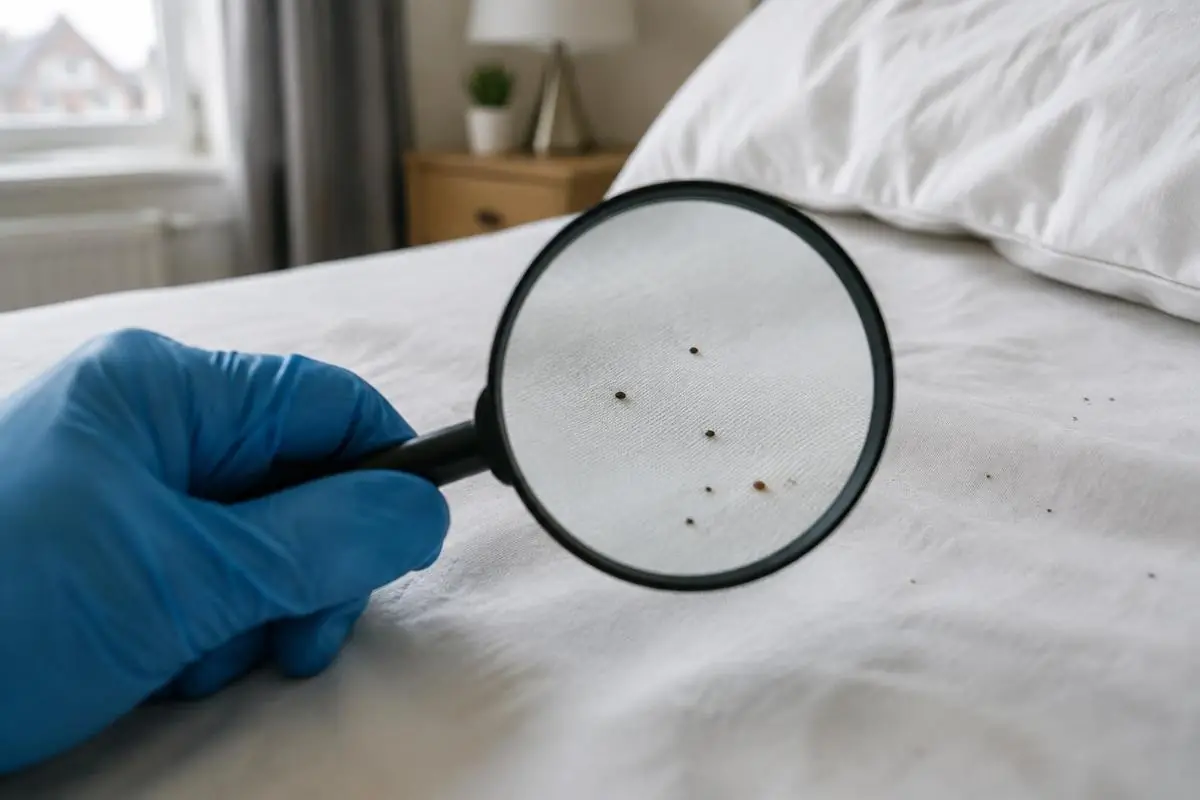
Use a second part of your record for observations about the home. Give each entry a date, location and plain description: for example, “small insect photographed beside the bedframe; identity unknown”. This keeps physical evidence distinct from symptoms. It also makes the record easier for someone else to review without first untangling assumptions from observations.
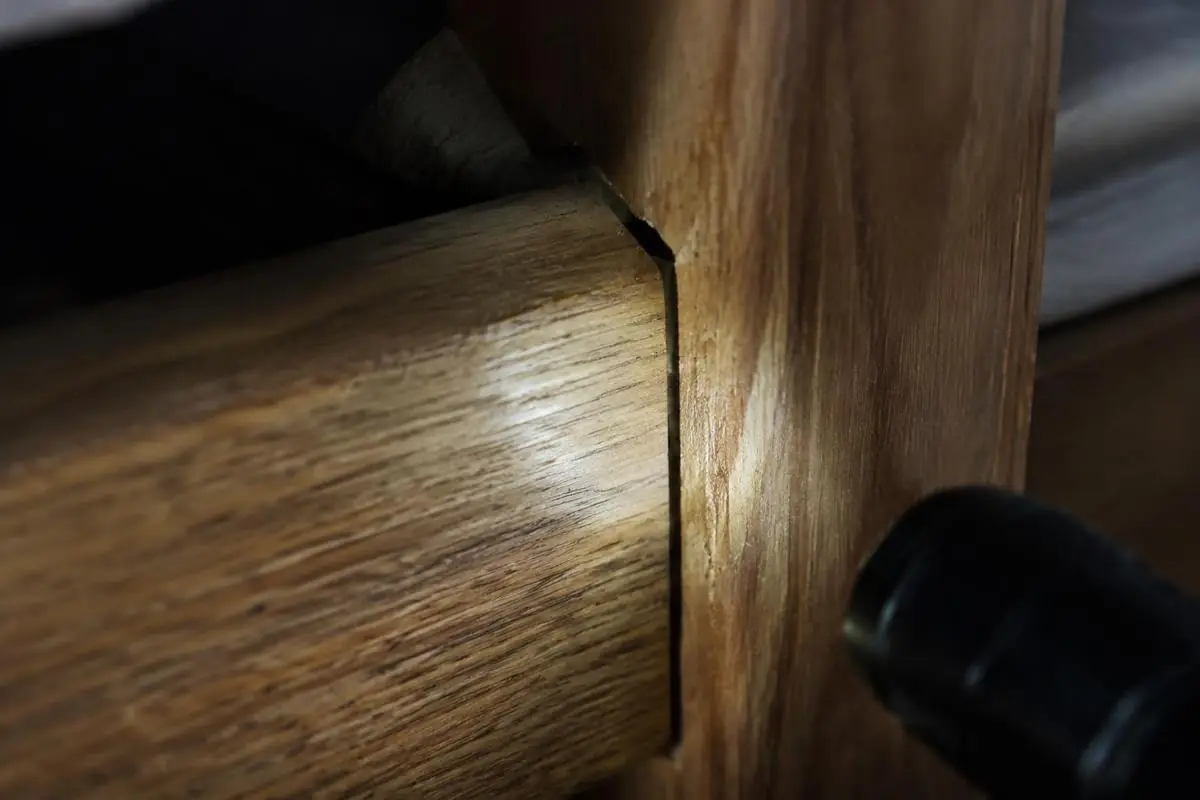
The NHS describes adult bed bugs as approximately 5mm long and notes that they can hide in bedframes, clothing, pictures and loose wallpaper. These facts provide context, not a shortcut to identification. An insect being small, or appearing near a bed, does not by itself establish that it is a bed bug.
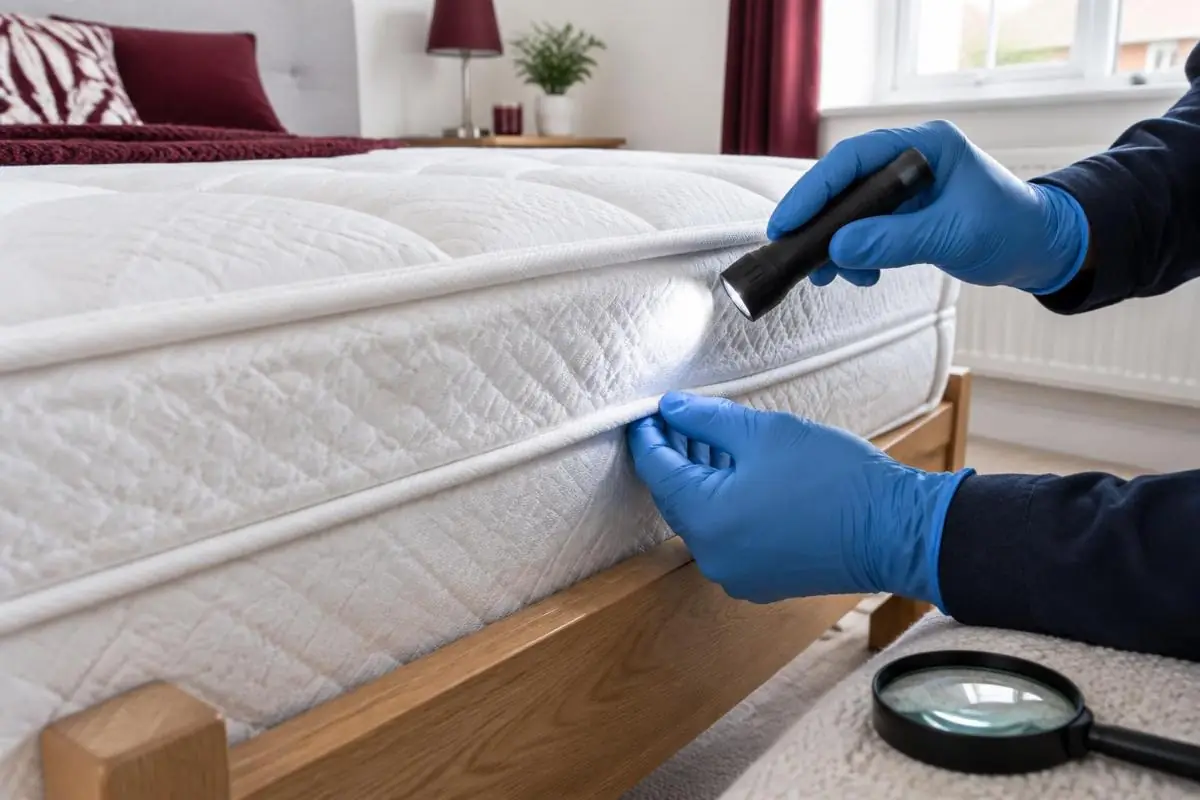
If you notice something relevant, photograph it where it was found if practical and note its position. Do not dismantle appliances or sockets to strengthen the evidence. Detailed inspection is a separate task within the wider identification journey; here, the priority is preserving an accurate account of what prompted concern, rather than searching every possible hiding place or declaring a result.
Record when you noticed something, not when you assume it happened
Timing can become misleading when a household is anxious. A mark noticed after waking establishes when it was noticed, not necessarily when or where its cause occurred. Similarly, spotting an insect after returning from a trip does not prove the trip introduced it. Keep those distinctions explicit rather than allowing a timeline to become a story of blame.
A compact log can use four fields: date and time noticed, observation, location, and action taken. Add “unknown” where information is missing. Record healthcare advice separately from identification advice, with the source and date of each. This helps prevent a comment about symptom care being remembered later as confirmation of an infestation.
Review the record when there is new information or a decision to make. Rewriting the same suspicion more forcefully does not add evidence. If nothing new has been found, say so plainly: “No additional household evidence recorded.” That is a description of the current record, not proof that bed bugs are absent or an instruction to ignore continuing health concerns.
Use neutral language with everyone sharing the home
A helpful opening is: “Someone has symptoms, and we do not yet know the cause. We are seeking appropriate advice and recording anything relevant in the home.” This acknowledges discomfort without announcing an infestation. It also gives other household members a clear role: share observations, avoid speculation and respect the affected person’s privacy.
Agree who will maintain the household record and who will contact professionals if needed. People can contribute separate observations without debating whose account proves more. Avoid treating one person’s symptoms, or another person’s lack of reported symptoms, as a deciding vote. Skin observations alone cannot identify bed bugs, regardless of how strongly the household feels about them.
If you need to notify a landlord, managing agent or accommodation provider, keep the first message factual. State what was noticed, what remains unconfirmed and what assessment you are requesting. Do not assign responsibility for an introduction without evidence. Questions about tenancy responsibilities belong in the separate rented-home guidance; this message should make an uncertain concern understandable, not attempt to settle liability.
For a property-specific assessment, see our bed bug heat treatment in Essex. Share your postcode and property details so the team can confirm coverage and availability.
Choose identification advice before discussing a treatment package
An identification enquiry becomes more useful when you can describe physical evidence independently of the skin concern. Explain what was found, where it was found and whether you have photographs. Ask whether the information is sufficient for an opinion or whether a property inspection is needed. An honest answer may be that the evidence remains inconclusive.
Useful questions include: “What observation supports your view?”, “What cannot be determined from these photographs?” and “What further evidence would change the next step?” These questions invite a reasoned assessment rather than a confident label. Ask the provider to distinguish identification, inspection and treatment recommendations so you understand which stage you have actually reached.
If the concern consists only of skin marks, make that clear from the outset. Do not describe bed bugs as confirmed to obtain a quicker treatment conversation. A provider can explain how an assessment works, but that conversation cannot diagnose the marks. Keep medical care moving on its own track while deciding whether further household assessment is justified by the available information.
Avoid improvised treatment while the cause is uncertain
Uncertainty can make immediate action feel essential, but action is not automatically useful evidence or effective control. The EPA describes bed bug control as complex and emphasises care and containment. Its material is US technical guidance, not UK law. It supports a measured response rather than treating every unexplained mark as a reason to start a home treatment.
Do not attempt a DIY space-heater treatment or rely on household heating to resolve a suspected problem. The EPA warns that household heating is not reliable and supports professionally monitored heat. Raising room temperature yourself is not equivalent to a controlled professional process, and this guide does not provide heating or pesticide instructions.
Cleaning may be part of household care, but it cannot alone guarantee removal. Before undertaking disruptive changes or moving belongings between rooms, ask what is appropriate to the evidence and any planned assessment. The immediate decision is whether identification or medical advice is needed, not which improvised remedy to try first. Detailed preparation should follow relevant professional instructions rather than assumptions about an unconfirmed problem.
Related practical reading: Where bed bugs hide beyond the mattress
Make a property enquiry without treating it as a booking
If you contact Bed Bug Heat Control UK, start with the uncertainty: symptoms only, an unidentified insect, or evidence already assessed. For a service enquiry about a property in Essex, provide the location and explain what information you have. Ask what assessment is needed before treatment can reasonably be discussed. An enquiry is not a booking, and any quote is property-specific.
The business can be contacted on 0800 274 0156 or at info@bedbugheatcontroluk.co.uk, with opening hours of 7am–10pm Monday–Sunday. Have your brief household record ready rather than a conclusion you feel obliged to defend. Ask what photographs or property details are useful and whether any further assessment is required before a recommendation can be made.
If treatment is recommended, the business offers chemical-free controlled professional heat at 60–65°C, with a single-day process subject to property assessment. Ask why that approach is appropriate to the evidence. The three-month written guarantee’s full coverage and conditions should be explained before booking; it should not be read as proof that professional heat cannot fail or that every subsequent symptom establishes continuing bed bugs.
Finish with the next unanswered question
Before doing anything further, identify what is unresolved. If the main question is about symptoms, arrange appropriate healthcare advice and take your symptom record. If the main question is the identity of something found in the home, organise the photographs and location notes for assessment. If both remain uncertain, pursue both routes without asking either professional to answer outside their role.
Write down the next action and who will take it. That might be contacting a pharmacist, asking a provider whether an insect photograph is adequate, or sending a factual message requesting property assessment. Avoid vague commitments to “keep checking everything”. A defined action is easier to complete and less likely to turn into repeated searches that add no useful information.
Keep the original record and add any professional response with its limits intact. “Identification not possible from this image” is not a positive identification or an all-clear. Once evidence supports a property decision, move to the relevant inspection or treatment guide. Until then, take the person’s discomfort seriously, describe the household evidence accurately and leave the cause open.
Sources & further guidance
General information, not a diagnosis, medical advice or legal advice. Research and US EPA references provide technical background, not UK law, and do not endorse our company. Your property assessment and the team’s written preparation instructions take priority.