Understanding the thermal limits of Cimex lectularius is essential for any homeowner facing an infestation in England or Wales. While bed bugs are notoriously resilient, they are not invincible; they have specific biological tipping points where their internal systems fail due to extreme temperature fluctuations. Many people wonder whether they can simply leave infested items outside during a British winter or use a domestic freezer to resolve the issue. However, the science of thermal mortality is complex, involving specific durations and consistent temperature thresholds that are often difficult to achieve without specialist equipment. Bed Bug Heat Control UK provides professional solutions that leverage these biological vulnerabilities, but understanding both cold and heat applications is the first step in effective management.
The Biological Limits of Bed Bug Survival
Bed bugs are ectotherms, meaning their body temperature is regulated by their external environment. In temperate climates like the UK, they have evolved to survive in a variety of conditions, often entering a state of diapause or reduced activity when temperatures drop. This allows them to endure periods of scarcity. However, like all living organisms, they possess a 'lower lethal temperature' and an 'upper lethal temperature' beyond which their cellular structures begin to break down.
To achieve a complete kill, every single life stage—from the translucent, resilient eggs to the mobile adults—must be exposed to these lethal limits. Research indicates that while bed bugs can survive for months at 10°C, their mortality rate increases significantly as temperatures move toward extremes. The challenge for residents is that these pests are experts at finding 'cold spots' or 'heat sinks' within a room, such as deep inside a mattress or behind a skirting board, to buffer themselves against environmental changes.
Scientific studies conducted by university entomology departments have shown that bed bugs can actually produce 'antifreeze' proteins to protect their cells from ice crystal formation. This makes them surprisingly hardy against moderate cold. Consequently, a simple dip in temperature is rarely enough to eradicate a population. Professional intervention is usually required to ensure that the thermal energy reaches every hidden crevice where these insects might be harbouring.
Using Domestic Freezers for Infested Items
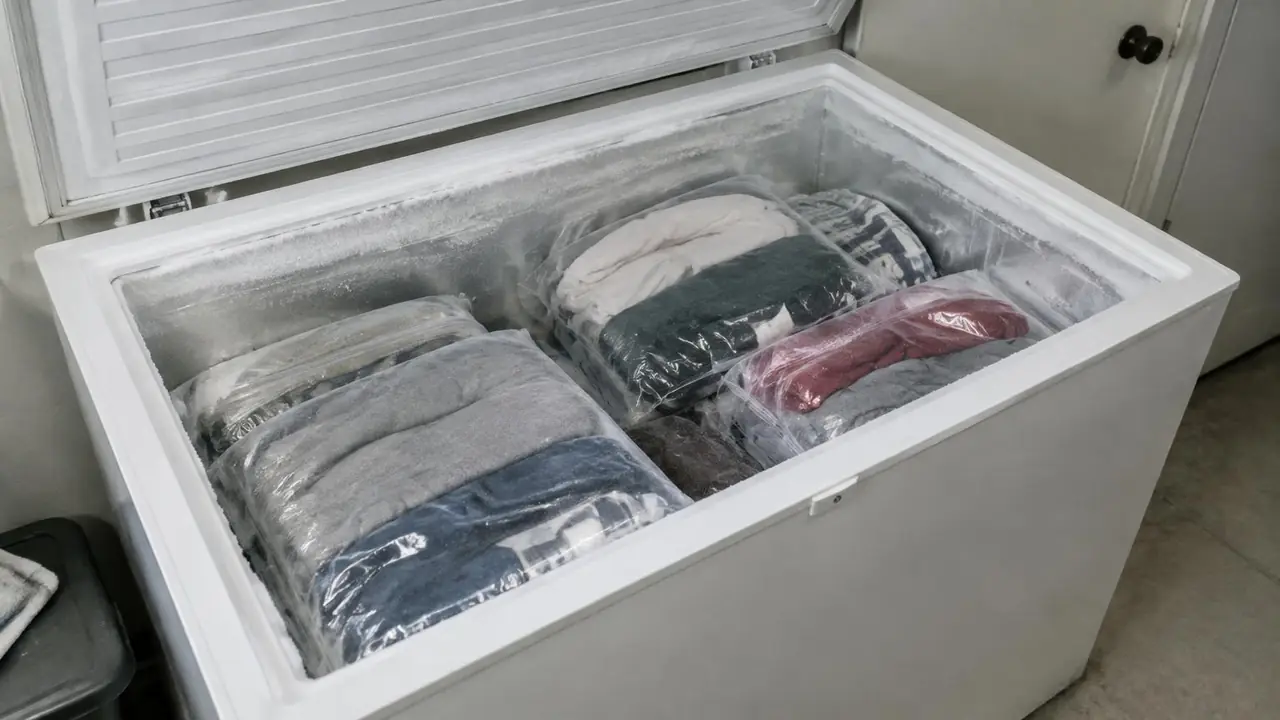
A common question posed to our team at Bed Bug Heat Control UK is whether a standard kitchen freezer can be used to treat infested belongings. While it is theoretically possible to kill bed bugs through freezing, the process is far more demanding than many realise. Most domestic freezers are set to around -18°C, but for a reliable kill, temperatures typically need to reach -20°C or lower throughout the entirety of the item being treated.
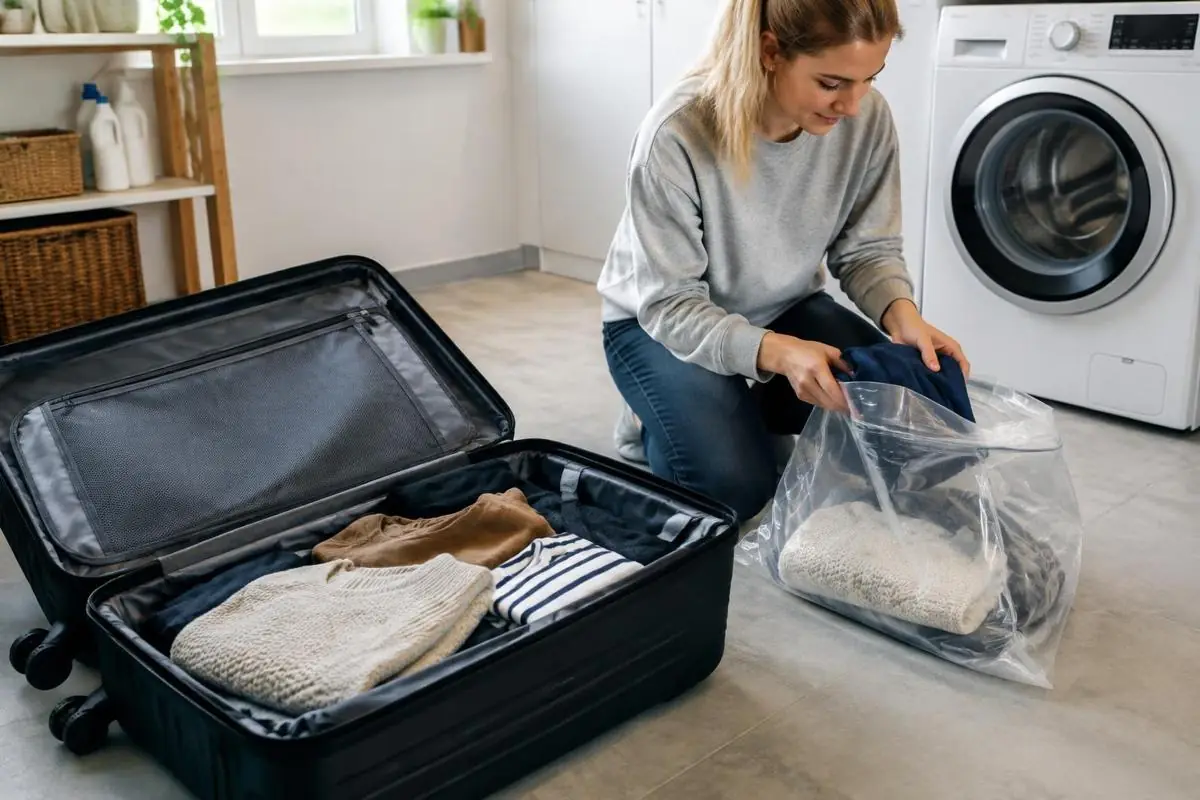
The insulation properties of fabrics, books, and household clutter mean that the core of a bagged item may stay relatively warm for a long time. If you choose to attempt this, items must be placed in sealed bags to prevent moisture damage and left for a minimum of four days to a week. Even then, the success of this method depends entirely on the freezer's ability to maintain a constant, deep-freeze temperature without frequent door opening, which can cause fluctuations.
It is also important to note that many household items are susceptible to damage from extreme cold. Electronics, delicate antiques, and certain plastics can become brittle or suffer from condensation issues once they are removed from the freezer. Because of these risks and the limited capacity of domestic appliances, freezing is generally only recommended as a supplementary measure for small, non-washable items rather than a primary solution for a whole-room infestation.
Why UK Winters Are Not Cold Enough
In England and Wales, homeowners sometimes attempt to 'starve out' or freeze bed bugs by leaving furniture or suitcases outside or in unheated garages during the winter months. Unfortunately, the UK climate is rarely consistent or cold enough to achieve a total kill. Bed bugs are capable of surviving temperatures just above freezing for extended periods, and the insulation provided by a sofa or a pile of clothes often keeps them shielded from the worst of the weather.
Furthermore, bed bugs have a remarkable ability to adapt to gradual cooling. If the temperature drops slowly over several weeks, the insects can adjust their physiology to become more cold-tolerant. This acclimation process makes them much harder to kill than if they were suddenly plunged into a sub-zero environment. Relying on the British weather to solve an infestation usually results in the pests simply waiting for the return of warmer conditions to resume feeding.
Leaving infested items outside also presents the risk of spreading the infestation. Bed bugs may migrate from the item back towards the warmth of the house, or they may be picked up by wildlife or neighbours, complicating the local pest situation. For these reasons, professional thermal remediation is a much more controlled and reliable approach for residents in urban or rural areas across the country.
Continue the topic: Can heat treatment reach bed bugs in rugs, carpets and bedding?
The Superior Efficacy of Heat Treatment
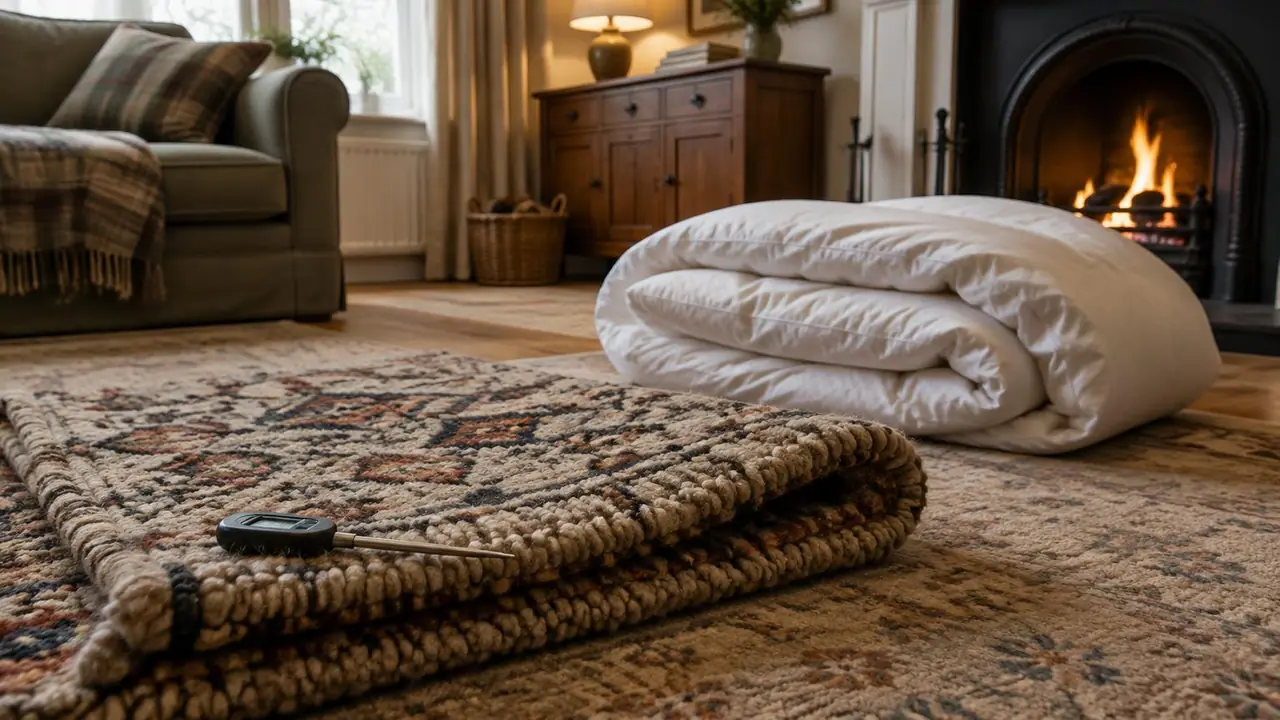
While cold can kill bed bugs, heat is widely regarded by entomologists as a more efficient and faster method of eradication. The upper lethal temperature for bed bugs is approximately 48°C to 50°C. When exposed to these temperatures, the proteins in the insect's body begin to denature, and their waxy exoskeleton melts, leading to rapid dehydration and death. Unlike chemical treatments, heat can penetrate into areas where sprays cannot easily reach.
Professional heat treatments involve raising the temperature of an entire room to between 50°C and 60°C. This range is high enough to be lethal to all life stages, including the eggs, which are often resistant to many common insecticides. The air is circulated using high-volume fans to ensure that the heat reaches into the depths of furniture, wall voids, and floorboards. This holistic approach ensures that no survivors are left to restart the colony.
One of the primary benefits of heat is the speed of results. While freezing can take a week and chemical sprays may require multiple visits over several months, a professional heat treatment can often resolve an infestation in a single day. At Bed Bug Heat Control UK, we use thermal imaging cameras to check surface temperatures throughout, ensuring that every corner of the target area reaches the necessary threshold for the required duration.
Egg Mortality and Thermal Thresholds
The most difficult part of any bed bug eradication programme is dealing with the eggs. These tiny, sticky structures are often tucked away in the narrowest cracks, such as the screw holes of a bed frame or the piping of a mattress. Many DIY methods fail because they only target the visible, mobile adults, leaving the eggs to hatch a few weeks later. Eggs are particularly resistant to many environmental stressors, including moderate cold.
Heat treatment is uniquely effective against eggs because it does not rely on the insect being active or feeding to work. As soon as the ambient temperature exceeds the thermal death point, the developing embryo inside the egg is destroyed. Scientific data suggests that at 50°C, death occurs in less than a minute for eggs, provided the heat is direct. In a room-wide treatment, we maintain these temperatures for several hours to ensure the core of all materials is heated.
Because cold treatments require much longer exposure times and much lower temperatures to affect eggs, they are often less practical for large-scale issues. If even a single cluster of eggs survives a cold snap, the infestation will inevitably return. By opting for a professional heat assessment, you can ensure that the thermal energy is applied evenly and thoroughly, addressing the next generation of pests before they have a chance to emerge.
The Risks of DIY Temperature Control
Attempting to heat a room using domestic heaters or hair dryers is not only ineffective but also extremely dangerous. Domestic heaters are not designed to raise ambient temperatures to the levels required for bed bug eradication and lack the necessary safety cut-offs for such use. Overheating electrical circuits or placing flammable materials too close to a heat source creates a significant fire risk in residential properties.
Furthermore, DIY heat attempts often backfire by causing the bed bugs to scatter. If the heat is applied unevenly or is not intense enough, the insects will sense the rising temperature and flee towards cooler areas, such as neighbouring rooms or wall cavities. This can take a localised infestation in one bedroom and spread it throughout the entire house, making the eventual professional cleanup much more difficult and costly.
Similarly, using dry ice or liquid nitrogen for 'spot freezing' requires specialist training and handling. These substances can cause severe frostbite to the skin and can displace oxygen in poorly ventilated rooms, posing a suffocation risk. For the safety of your family and the integrity of your home, thermal treatments should always be conducted by trained professionals who use industrial-grade, monitored equipment.
For a property-specific assessment, see our bed bug heat treatment in North Yorkshire. Share your postcode and property details so the team can confirm coverage and availability.
Preparing Your Home for Thermal Treatment
Success in thermal remediation depends heavily on how well the environment is prepared before the technicians arrive. The goal is to allow for maximum airflow while protecting items that might be sensitive to high temperatures. However, it is vital that residents do not move items between rooms before a professional assessment, as this is the most common way bed bugs are spread to previously uninfested areas of the home.
We advise all our clients to follow the official preparation checklist available on the Bed Bug Heat Control UK website. This guide provides clear instructions on what should stay in the room and what needs to be removed or specially handled. Proper preparation ensures that the heat can circulate freely under beds, behind wardrobes, and through piles of clothing, leaving no 'cold spots' where bed bugs could potentially hide.
Our team will guide you through this process during the initial consultation. We understand that preparing for a treatment can feel overwhelming, but following the established protocols is the best way to ensure the treatment is effective. By tidying the space and arranging belongings according to the checklist, you help us deliver the most thorough service possible across England and Wales.
Why Chemical-Free Methods are Growing in Popularity
In recent years, there has been a significant shift towards chemical-free pest control. One of the primary reasons for this is the increasing resistance of bed bugs to traditional pyrethroid-based insecticides. Scientific studies, including those by researchers like Doggett and Romero, have documented how bed bugs have developed thicker exoskeletons and metabolic changes that allow them to survive exposures that would have killed them decades ago.
Heat treatment offers a physical solution that bypasses chemical resistance. A bed bug cannot develop 'resistance' to heat in the same way it can to a toxin; the biological laws of protein denaturation apply to all of them. This makes heat an excellent choice for those who have tried chemical sprays in the past without success, or for those who wish to avoid the use of synthetic pesticides in their sleeping environments.
Additionally, chemical-free methods are often preferred by families with young children, pets, or individuals with respiratory sensitivities. Because heat leaves no lingering residues, the room can be safely reoccupied shortly after the treatment has concluded and the area has cooled down. This makes it a convenient and environmentally conscious choice for modern UK households looking for a decisive response to a pest problem.
Related practical reading: Heat-sensitive belongings: questions to ask before treatment
Commercial Applications for Heat and Cold
For businesses such as hotels, hostels, and care homes in England and Wales, a bed bug infestation can be a major disruption to operations. In these settings, the speed and discretion of heat treatment are invaluable. A room can be treated and returned to service within 24 hours, minimising lost revenue and protecting the reputation of the establishment. Professional heat monitoring ensures that the high standards required for commercial properties are met.
While some commercial laundries use industrial-scale freezers for guest luggage or specific textiles, the primary method for room-wide clearance remains heat. The ability to treat the entire structure, including the mattress, headboard, and soft furnishings in situ, is a major advantage. It eliminates the need to discard expensive furniture, which can be a significant cost-saving measure for business owners.
If you manage a commercial property and suspect a bed bug presence, a professional assessment is the first step. Our team can help identify the extent of the infestation and recommend a thermal strategy that minimises downtime. Whether it is a single guest room or an entire floor, we provide a structured approach to ensure the environment is returned to a pest-free state efficiently.
Choosing the Right Professional Service
Selecting a company to handle a bed bug infestation requires careful consideration. You need a team that understands the specific nuances of thermal dynamics and has experience operating in various types of UK housing, from Victorian terraces to modern apartments. At Bed Bug Heat Control UK, we specialise exclusively in heat treatments, giving us a deep level of expertise in this specific technology.
We operate a freephone service on 0800 274 0156, which is open from 7am to 10pm daily to provide advice and schedule assessments across England and Wales. When you contact us, we focus on providing accurate information based on the latest pest control research. We do not use high-pressure sales tactics; instead, we offer a transparent overview of how our heat technology works and what you can expect during the process.
Effective bed bug control is about more than just applying heat; it is about thoroughness, monitoring, and support. From the initial call to the final post-treatment advice, our family-run team is dedicated to helping you reclaim your home from these invasive pests. If you are struggling with an infestation and want to explore chemical-free thermal options, we are here to provide a professional and discreet service.
Sources & further guidance
General information, not a diagnosis, medical advice or legal advice. Research and US EPA references provide technical background, not UK law, and do not endorse our company. Your property assessment and the team’s written preparation instructions take priority.