Discovering a bed bug infestation often leads to concerns regarding the extent of the problem within the home. Homeowners frequently worry that while a treatment might address the bed itself, pests hiding deep within thick carpet piles, under heavy rugs, or inside complex furniture joints might survive the process. This is a common anxiety, as bed bugs are notorious for their ability to seek refuge in the smallest of gaps. However, professional heat treatment, or thermal remediation, is specifically designed to overcome these physical barriers. By raising the ambient temperature to a level lethal to all life stages of the insect, heat flows into the very areas where traditional methods often struggle. This comprehensive approach ensures that the heat penetrates fabrics and flooring, providing a thorough solution for those seeking to reclaim their living space without the use of harsh chemicals.
The Science of Thermal Penetration in Flooring
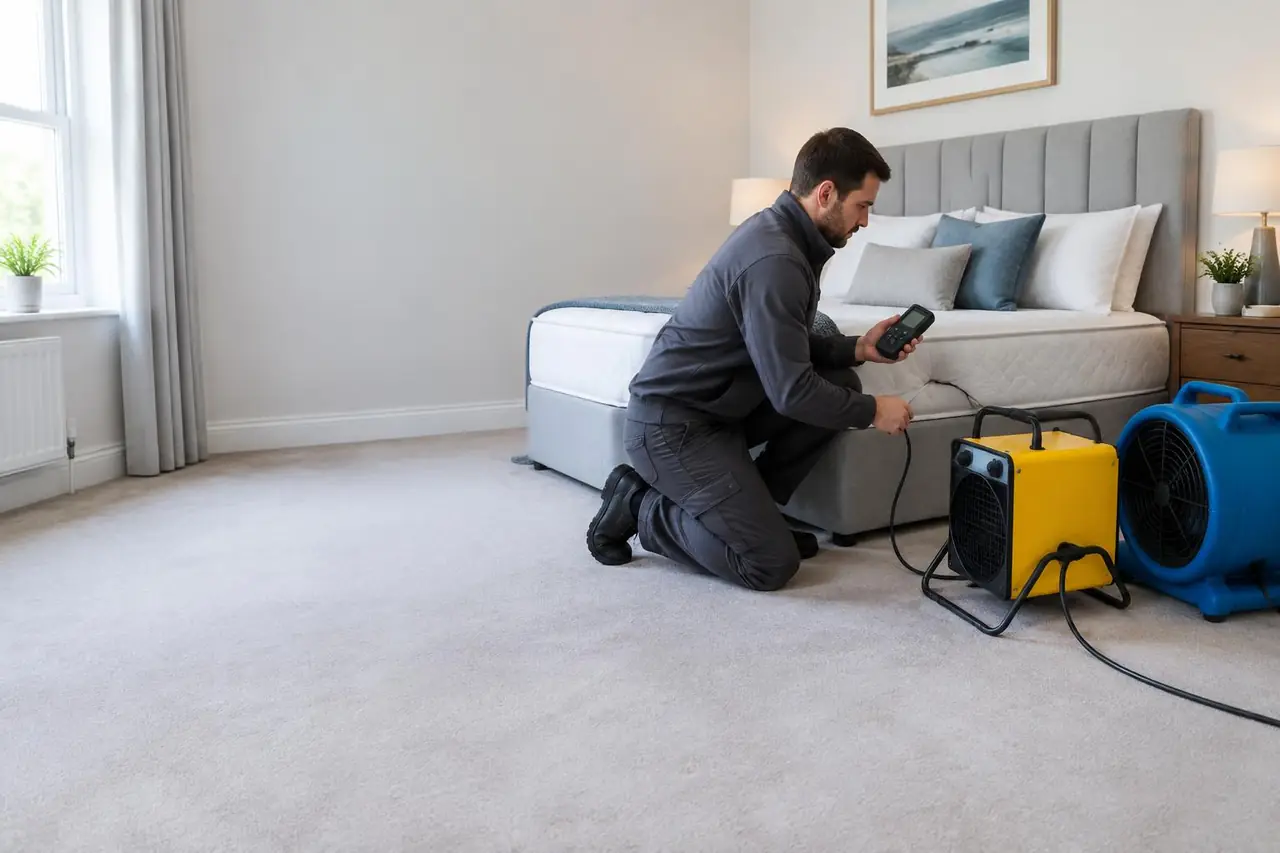
Bed bugs are highly adapted to finding refuge in the most inaccessible parts of a room. While the mattress is a primary site, the floor surrounding the bed is often equally infested. Carpets, particularly those with a deep pile or shaggy texture, offer thousands of microscopic hiding spots for eggs and nymphs. The challenge for any pest control method is reaching these depths. Thermal remediation works by utilising high-capacity heaters and industrial-grade air movers to circulate dry, heated air throughout the entire volume of the room, ensuring the temperature rises uniformly.
Unlike topical applications, heat does not rely on direct contact with a liquid or powder. Instead, it relies on the laws of thermodynamics. As the air in the room reaches the target temperature—typically between 50°C and 60°C—the energy begins to transfer into solid objects. This includes the floorboards, the underlay, and the carpet fibres themselves. Because heat naturally moves toward cooler areas, the energy is driven deep into the substrate of the flooring, eventually reaching the insects regardless of how far they have burrowed into the weave.
The duration of the treatment is critical for success in these areas. While a bed bug may perish quickly at high temperatures, professionals maintain these elevated levels for several hours. This sustained heat soak ensures that the core temperature of thick rugs and heavy furniture reaches the lethal threshold. By checking surface temperatures with thermal imaging cameras around difficult-to-heat areas, such as rugs and wardrobes, technicians can confirm that every potential harbourage has been sufficiently treated.
Why Bed Bugs Retreat to Rugs and Skirting Boards
Understanding why bed bugs end up in your carpets is essential to understanding why heat is the preferred method for eradication. These insects are photophobic, meaning they naturally move away from light and toward dark, sheltered environments. The gaps beneath skirting boards and the dense fibres of a rug provide the perfect sanctuary. When a room is occupied, these pests will stay close to their host, but as an infestation grows, they migrate outward, often settling in the perimeter of the room where the carpet meets the wall.
Traditional chemical treatments often face difficulties in these zones. Spraying large areas of carpet can be problematic due to potential staining or the sheer volume of product required to reach the base of the pile. Furthermore, bed bugs have shown increasing biological resistance to many common insecticides, which can render some surface treatments less effective. Heat bypasses these biological defences by targeting the insect's basic physiology; their proteins simply cannot withstand the thermal energy, regardless of their resistance to chemicals.
When heat is introduced, the insects may initially try to move deeper into their hiding spots to escape the rising temperature. However, because the entire room is being heated simultaneously, there is nowhere for them to find a cool refuge. The heat eventually reaches them in the cracks of the floorboards or the backing of the rug. This holistic approach is why thermal remediation is often considered a more robust solution for modern infestations in domestic and commercial properties across England and Wales.
The Role of Air Circulation in Reaching Hidden Pests
Simply turning up the thermostat is not enough to eliminate a bed bug problem. Professional heat treatment involves the strategic placement of powerful fans that create a high-velocity vortex of air. This movement is essential for breaking through the 'boundary layer' of air that clings to surfaces like carpets and curtains. By constantly moving the heated air, technicians prevent cold spots from forming in the corners of a room or underneath low-profile furniture.
The circulation of air also ensures that heat is forced into the weave of shaggy rugs and heavy upholstery. In a stagnant room, these materials might act as insulators, protecting the insects inside. However, with the use of high-volume air movers, the heated air is constantly refreshed, stripping away the cooler air and replacing it with energy. This process is monitored in real-time by the Bed Bug Heat Control UK team, who can adjust the equipment to focus on particularly stubborn areas.
This active management of the environment is what differentiates a professional service from a DIY attempt. Professionals understand the airflow dynamics of a standard British bedroom or lounge. They know that furniture must be spaced and air directed specifically toward the floor-wall junction. This meticulous attention to detail ensures that the heat treatment is not just a surface-level fix but a deep-reaching intervention that addresses the entire ecosystem of the infestation.
Continue the topic: Heat-sensitive belongings: questions to ask before treatment
Addressing Bedding and Soft Furnishings
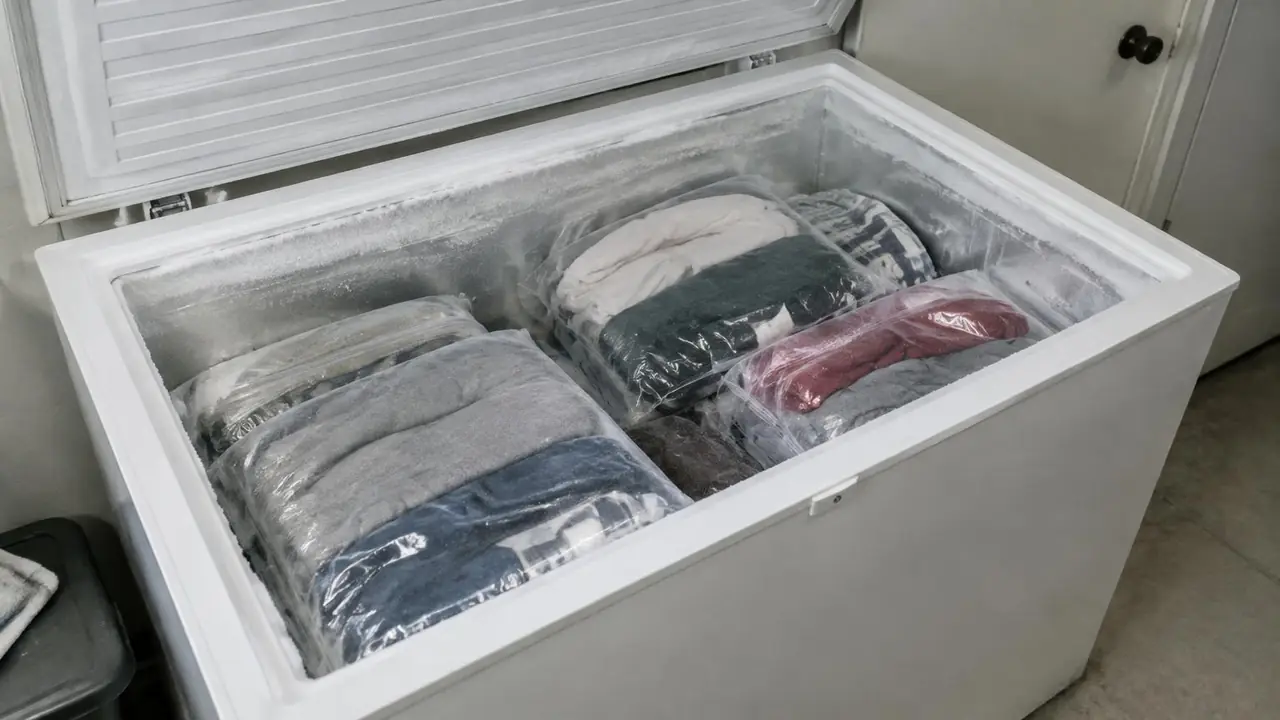
Bedding is often the most heavily infested area, yet it is also one of the most sensitive. Duvets, pillows, and linens can provide significant insulation for bed bugs, potentially allowing them to survive if the heat does not penetrate fully. To mitigate this, professionals often recommend specific ways to arrange these items. Rather than leaving bedding tightly tucked in, it is often spread out or placed in a way that allows the heated air to flow through the various layers of fabric.
It is important to note that while the heat treatment is exceptionally effective, there are steps the property owner must take to facilitate the process. We provide a comprehensive preparation checklist that outlines how to handle clothing, bedding, and delicate items. Following this official guidance is vital, as it ensures the heat can circulate freely and that sensitive belongings are protected from the high temperatures required to kill the pests.
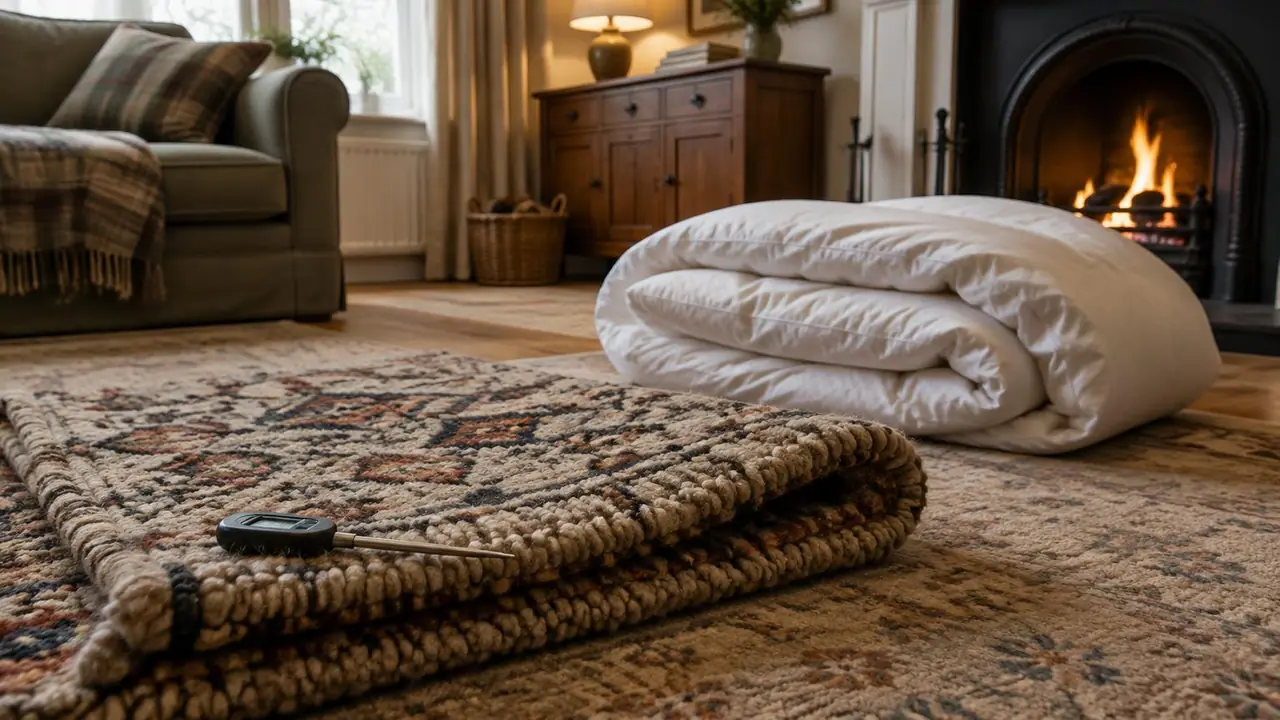
For items like thick memory foam mattresses or heavy winter duvets, the 'heat soak' period is particularly important. These materials are designed to be poor conductors of heat, so they require a longer exposure time to ensure the internal temperature reaches the necessary level. A professional assessment will determine the best layout for your specific furnishings, ensuring that the thermal energy reaches every nymph and egg hidden within the folds of your soft goods.
Why Eggs and Nymphs are Vulnerable to Heat
One of the greatest challenges in bed bug control is the resilience of their eggs. Many chemical treatments are not ovicidal, meaning they do not kill the eggs, requiring a second visit once the next generation has hatched. Heat, however, is naturally ovicidal. The proteins and enzymes within a bed bug egg are highly sensitive to thermal changes. When exposed to temperatures above the lethal threshold, the developing embryo is destroyed, preventing the cycle of infestation from continuing.
Nymphs, the juvenile stages of the bed bug, are also highly susceptible. Because they are smaller and have a thinner exoskeleton than adults, they have less protection against desiccation and heat stress. When a professional heat treatment is conducted, it targets all life stages simultaneously. This is a significant advantage, as it reduces the likelihood of a resurging population weeks after the initial treatment has been completed.
By focusing on the entire life cycle, thermal remediation provides a level of thoroughness that is difficult to achieve with other methods. Whether the eggs are glued to the underside of a rug or tucked into the piping of a mattress, the heat penetrates the shell. This biological vulnerability is the cornerstone of why companies like Bed Bug Heat Control UK choose heat as their primary weapon against these persistent household pests.
Preparing Your Carpets for Effective Treatment
While the heat itself does the heavy lifting, the condition of the home can influence the speed and efficiency of the process. A room cluttered with items on the floor can create 'shadows' where the heat takes longer to reach. This is why we emphasise the importance of our official preparation checklist. By clearing the floor area and ensuring that air can circulate around the perimeter of the room, you significantly enhance the effectiveness of the thermal remediation.
Some homeowners ask if they should steam clean their carpets before a heat treatment. While steam is effective at killing bed bugs on contact, it does not provide the ambient heat required to clear an entire room. In fact, adding moisture to the environment can sometimes be counterproductive, as the heat treatment relies on dry air to desiccate the insects. It is usually best to wait until after a professional assessment before undertaking any major cleaning of the floors or furniture.
Professional technicians will often move furniture slightly during the treatment process to ensure that the areas of carpet previously covered by heavy wardrobes or beds are exposed to the full force of the heated air. This dynamic approach ensures that no 'cold spots' remain. By working with the natural layout of the room and following a structured protocol, the treatment can be tailored to the specific needs of each property, from modern flats to historic homes.
For a property-specific assessment, see our bed bug heat treatment in Leicestershire. Share your postcode and property details so the team can confirm coverage and availability.
The Importance of Monitoring and Verification
A key component of a successful heat treatment is the use of high-tech monitoring equipment. At Bed Bug Heat Control UK, we use thermal imaging cameras to check surface temperatures in different parts of the room. This helps us find cooler spots—such as around rugs or stacks of linens—so heat can be redirected.
This data-driven approach removes the guesswork from pest control. Rather than simply hoping the heat has reached the bugs in the carpet, we have empirical evidence that the lethal threshold has been surpassed. If the thermal imaging camera shows that a particular corner is lagging behind, the technician can redirect the air movers or adjust the heater placement to compensate. This active management is what ensures a high success rate in a single visit.
The verification process also gives property owners peace of mind. Knowing that the treatment was monitored throughout the day and that the data supports a successful outcome is invaluable. It transforms the service from a simple procedure into a controlled scientific process designed to eradicate the infestation at its source, regardless of where the insects have chosen to hide within the home.
Dealing with Large Commercial Spaces and Hotels
In commercial settings, such as hotels or hostels, the challenges are often scaled up. Large rooms with wall-to-wall carpeting and numerous pieces of upholstered furniture provide endless hiding spots. Heat treatment is particularly well-suited to these environments because it allows for a rapid turnaround. Because there are no chemical residues to worry about, rooms can often be reoccupied shortly after they have cooled down to a comfortable temperature.
For hospitality managers, the ability to treat the entire room—including the carpets, curtains, and furniture—in one go is a significant benefit. It minimises the disruption to the business and ensures that the reputation of the establishment is protected. Our team at Bed Bug Heat Control UK is experienced in managing these larger projects, ensuring that the thermal energy is distributed effectively across multiple rooms or large communal areas.
The same principles apply regardless of the size of the space. Whether it is a small bedroom or a large hotel suite, the goal remains the same: to raise the temperature of all potential harbourages to a level that no bed bug can survive. By using professional equipment and experienced technicians, commercial properties can be cleared of infestations quickly and discreetly, without the need for prolonged vacancies.
Related practical reading: How professional bed bug heat treatment works
Why Chemical-Free is Better for Your Home Environment
One of the primary reasons people choose heat treatment over traditional methods is the desire for a chemical-free home. For families with young children, pets, or individuals with respiratory sensitivities, the idea of saturating carpets and bedding with insecticides is often unappealing. Thermal remediation offers a clean alternative that uses only heat and air to achieve the desired results.
Beyond the health considerations, a chemical-free approach also avoids the issue of pesticide resistance. Many modern bed bug populations have developed thick cuticles or metabolic changes that allow them to survive exposure to common sprays. Heat works on a physical level, causing systemic failure in the insect's body that cannot be overcome by evolutionary adaptations. This makes it a more reliable choice for modern infestations in the UK.
Furthermore, heat treatment is an environmentally friendly option. It does not leave behind any persistent synthetic compounds in your carpets or upholstery. Once the heaters are turned off and the room returns to its normal temperature, your home is exactly as it was before—only without the bed bugs. This makes it an ideal solution for those who are conscious of their environmental footprint and want a sustainable way to manage pest problems.
Bed Bug Heat Control UK operates daily from 7am to 10pm, covering England and Wales. If you are concerned that bed bugs have taken up residence in your carpets or furniture, a professional assessment is the first step toward a clear home. By contacting our team at 0800 274 0156, you can speak with experts who understand the nuances of thermal remediation and how to apply it effectively to your specific situation.
Long-Term Protection and Post-Treatment Care
After a successful heat treatment, the focus shifts to preventing a re-infestation. While the heat has cleared the existing bugs and their eggs from your rugs and bedding, bed bugs can always be reintroduced from outside sources. Being mindful of where you travel and what items you bring into your home is the best way to maintain a pest-free environment. Regular inspections of your sleeping areas can also help catch any new arrivals before they become a larger problem.
Post-treatment care is relatively simple. Once the house has cooled down, you can vacuum your carpets to remove any debris. Some people choose to have their carpets professionally cleaned at this stage to freshen up the fibres, though this is not strictly necessary for pest control purposes. The most important thing is to maintain the hygiene of the home and remain vigilant for any signs of new activity, such as small dark spots on bedding.
If you ever suspect that bed bugs have returned, it is important to act quickly. A professional assessment can determine if a new infestation has begun or if you are seeing the remnants of a previous problem. Our team is always available to provide advice and support, ensuring that you feel confident in the safety and comfort of your home. With the right approach and a professional partner, managing bed bugs becomes a manageable task rather than an overwhelming burden.
Sources & further guidance
General information, not a diagnosis, medical advice or legal advice. Research and US EPA references provide technical background, not UK law, and do not endorse our company. Your property assessment and the team’s written preparation instructions take priority.