Heat-sensitive belongings: questions to ask before treatment Before professional bed bug heat treatment, the question is not simply what must leave the house. It is which belongings need individual assessment, how they should be handled, and whether moving them could undermine the treatment plan. Aerosols, medication, electronics, adhesives and wax products all deserve a conversation with the treatment team; none belongs on a universal safe or unsafe list based on its name alone. Bed Bug Heat Control UK uses controlled professional heat at 60–65°C, making advance disclosure more useful than last-minute assumptions. This guide helps you prepare a practical belongings discussion without attempting to replace the team’s property-specific instructions. Use it once treatment is being considered, alongside the main preparation guidance, to resolve uncertain items before anyone starts packing or moving them.
1. Ask what the proposed heat means for your belongings
A treatment temperature is not a compatibility certificate for everything in a room. Bed Bug Heat Control UK describes its process as controlled professional heat at 60–65°C. Ask how the proposed treatment will account for belongings with storage limits, uncertain materials or manufacturer warnings, rather than assuming that professional monitoring removes every possible concern about an individual item.
Start with three questions: which items need assessment, which must be handled differently, and who makes the final decision? Give the team enough information to distinguish a product from its packaging or accessories. A device, its battery, its case and anything attached to it may need separate discussion rather than one instruction for the whole collection.
Request clear instructions before treatment day, especially where advice depends on a label or photograph you have not yet supplied. The EPA’s US technical guidance supports professionally monitored heat and warns that household heating is unreliable. It is not UK law, nor does it establish that a particular household possession can tolerate the proposed professional process without further assessment.
2. Build an item record that answers the team’s questions
Make a short record of questionable belongings rather than a full household inventory. For each item, note its name, usual location, material if known, and any storage or temperature warning. Photograph labels clearly enough to read. Include objects inside drawers or cupboards when you know they contain something needing review; being out of sight does not resolve uncertainty.
Prioritise items that are essential, expensive to replace, sentimental or difficult to identify. This is a discussion order, not a prediction of damage. Tell the team if instructions are missing, a label is unreadable, or an object has been repaired. An honest unknown is more useful than an assumed material or a guessed temperature limit.
Give each unresolved item a simple status: awaiting advice, assessed with instructions, or needing clarification. Record who provided the instruction and what it covers. This helps when several household members are preparing rooms, and prevents a casual comment such as ‘that should be fine’ from becoming an agreed decision about something nobody has properly identified for the treatment team.
3. Aerosols: identify the container before deciding where it goes
Flag aerosols explicitly rather than listing them under toiletries or cleaning supplies. Deodorants, household sprays and other pressurised products may be scattered between bathrooms, bedrooms and storage areas. Read their existing warnings and share those details with the team. Do not assume that a small container, or one that feels nearly empty, needs no assessment before treatment.
Our checklist asks for aerosols, including deodorant, hairspray and cooking spray, to be moved to the kitchen; tell us about any you are unsure of. The container’s heat-related instructions and the bed bug containment plan both matter. Resolving one issue by casually carrying products elsewhere can create a separate concern that still needs professional attention.
Keep products in their original containers with labels available. Do not puncture, empty or alter them to make them suitable for treatment. If a container is damaged or its contents cannot be identified, tell the team rather than improvising. Agree the destination and handling arrangements in advance, including who will check that the agreed items have been accounted for.
Continue the topic: Decluttering without spreading bed bugs between rooms
4. Medication: separate storage advice from treatment logistics
Medication needs a specific conversation, not a blanket instruction to leave it in a drawer or remove every packet. Gather the storage information on its original packaging and identify anything needed during the household’s absence. Ask a pharmacist about medicine storage uncertainties; the treatment team can address preparation logistics but should not replace advice about the medicine itself.
Tell the team where medicines and related supplies are kept, including bags or organisers used beside the bed. Ask how to handle those belongings without simply relocating an unassessed collection. Keep the discussion factual: the product’s stated storage requirements, its usual location, and whether you need access to it while treatment takes place that day.
Do not change medication use or discard supplies solely because heat treatment is planned. If exposure outside stated storage conditions becomes a concern, seek product-specific advice from a pharmacist rather than judging suitability by appearance. Before treatment day, agree who will retain essential supplies, where they will be kept, and how their containers fit the team’s containment instructions.
5. Electronics: ask about the whole setup, not just the device
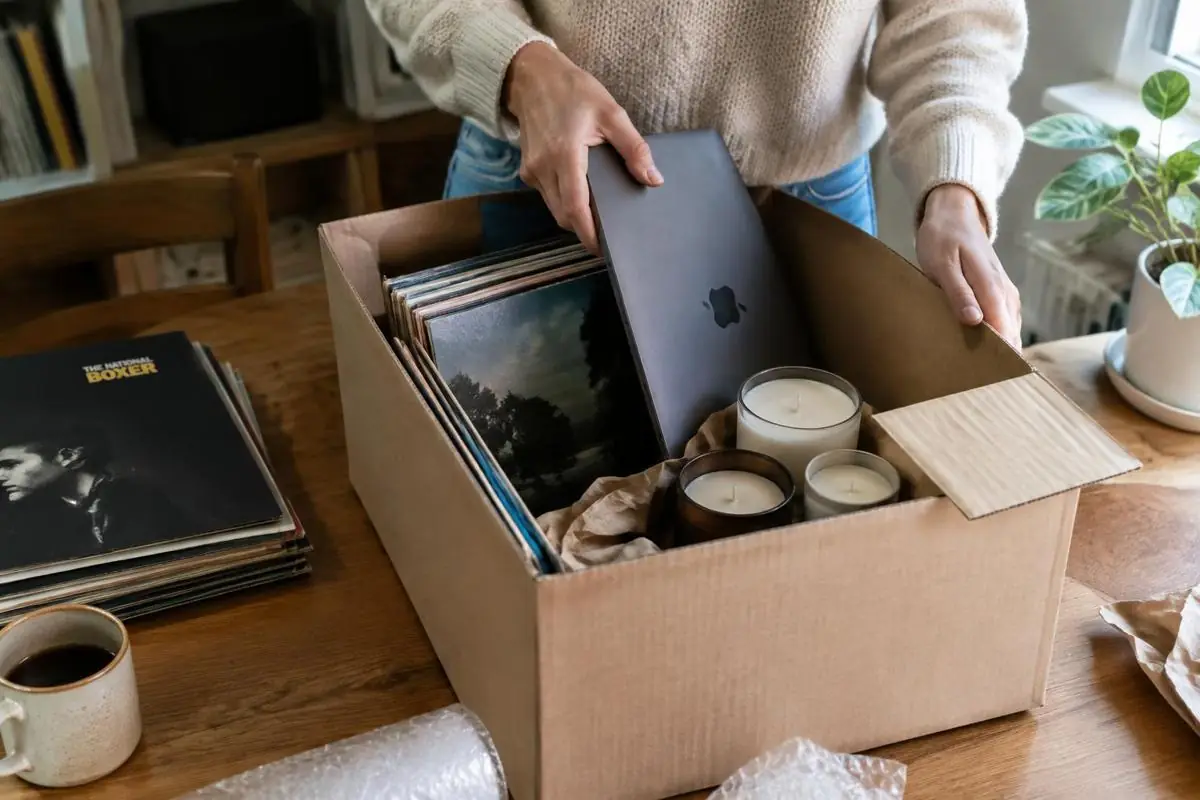
For our treatments the rule is simple: all electronics — TVs, computers, laptops, phones, tablets, chargers and games consoles — must be removed from treated rooms, as our interactive preparation checklist sets out. Make a list of any devices about which you are uncertain, with model details where available. Include attached accessories, removable cases and battery information you already have. Share manufacturer storage warnings rather than assuming normal operating conditions answer the treatment question.
Ask whether the team needs photographs, product documentation or a closer assessment before deciding how a device will be handled. Explain if it is essential for work, communication or accessibility, so arrangements can be discussed early. Do not test its tolerance yourself, and do not open appliances, sockets or equipment to prepare them for heat.
Clarify any question about fixed equipment that cannot be moved, including who should handle it. A direction concerning one device should not automatically be applied to every device in the home. If something must leave the treatment area, ask how its location and possible exposure to bed bugs affect the handling plan and subsequent return.
6. Adhesives: disclose repairs, mountings and layered materials
Adhesives are easy to overlook because they are often part of an object rather than a labelled product on a shelf. Tell the team about known glued repairs, adhesive-mounted decorations and belongings made from bonded layers. You do not need to diagnose how they will behave; the useful step is making their presence and uncertainty visible before assessment.
For adhesive products in tubes, bottles or other packaging, photograph the storage instructions and identify the product as precisely as possible. For a repaired object, explain what you know about the repair and what you do not. Ask whether the team needs manufacturer guidance or another assessment before deciding where that object belongs in the treatment plan.
Do not start peeling fixtures away or separating layers to solve an uncertain heat question (wooden bed frames are the exception: the checklist asks you to unscrew them). Those actions may create avoidable damage without resolving the treatment issue. Instead, ask for a decision about the object as it stands, including any limits to the advice. Make sure valuable or sentimental repairs receive explicit attention rather than disappearing into a general room checklist.
For a property-specific assessment, see our bed bug heat treatment in Gloucestershire. Share your postcode and property details so the team can confirm coverage and availability.
7. Wax products: identify more than obvious candles
Candles and wax melts go to the kitchen, as the checklist sets out, but the conversation should not stop there. Include belongings you know contain wax or have a wax finish, particularly where staining or a change in appearance would matter. Do not guess that every polished object contains wax; describe the finish as unknown when that is all you know.
Ask whether packaging, a holder or a storage box changes the handling instructions, rather than treating it as protection by default. A container around a product does not establish compatibility with the proposed conditions. Tell the team about nearby surfaces or fabrics you are concerned about, so the question addresses the item’s actual position rather than an isolated product name.
Avoid experimenting with warming a sample or wrapping an uncertain object in the hope of shielding it. Neither establishes a professionally agreed plan. If the team advises a different location or exclusion, clarify the handling arrangements and how they apply to any associated box or holder. Record the answer for that item, not as permission for every wax-containing possession.
8. Exclusion from heat is not clearance to move freely
An item can need protection from heat while still requiring consideration within the bed bug control plan. These are separate questions. The NHS identifies clothing and several household locations as places where bed bugs can hide. That does not mean every possession is affected, but it explains why removing belongings without discussing their location is an incomplete preparation strategy.
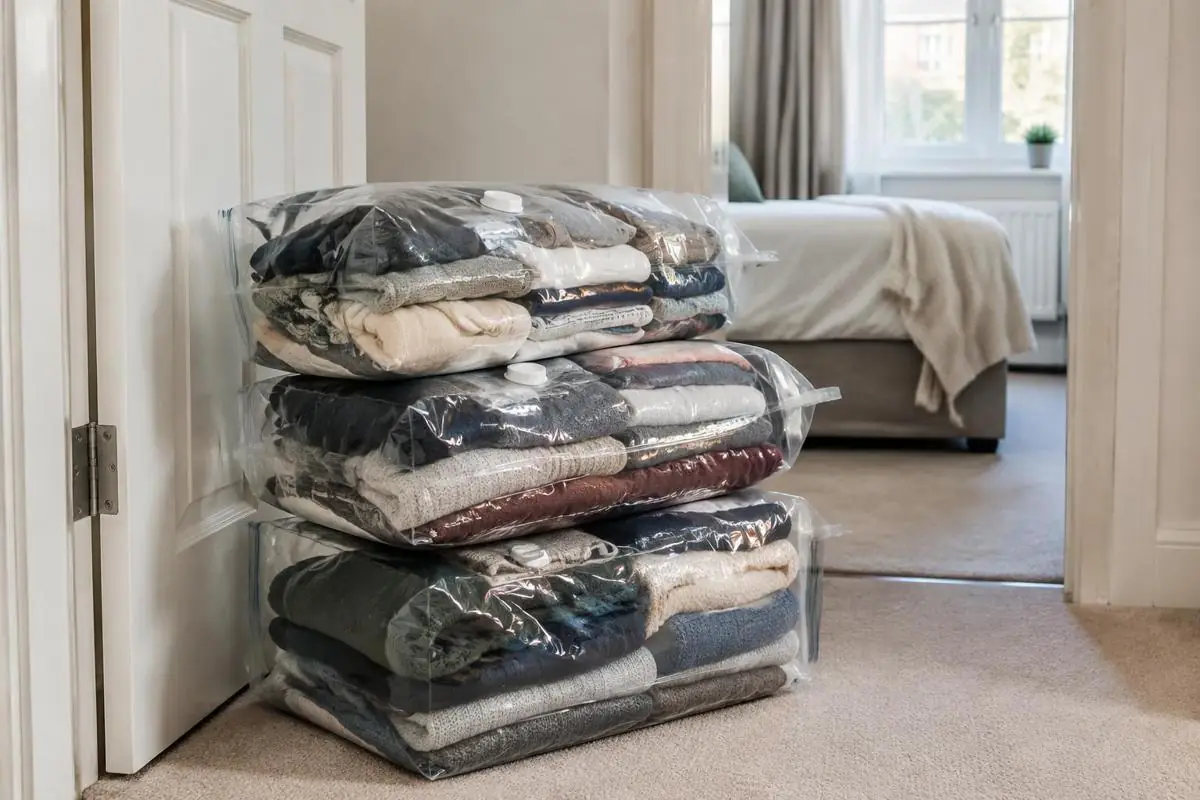
Before moving anything out, ask: where should it go, how should it be contained, and what must happen before it returns? Do not transfer uncertain items to another bedroom, a neighbour’s home or a vehicle simply because those places are outside the treatment area. Obtain instructions suited to the item rather than inventing a storage solution.
Also ask what exclusion means for the overall treatment plan. An item that does not receive heat may require a separate decision; setting it aside does not establish that it is clear of bed bugs. Cleaning alone cannot guarantee removal. The EPA’s guidance emphasises the complexity of control and the importance of care and containment, supporting a coordinated approach rather than improvised removal.
Related practical reading: What to expect on bed bug heat treatment day
9. Agree responsibilities, exceptions and cover before booking
Once the team has reviewed your list, ask for the important decisions in writing. Distinguish between instructions for you, actions the team will take, and questions still awaiting an answer. If an item cannot yet be assessed, ask whether that uncertainty changes the proposed treatment arrangements rather than leaving the decision until equipment is being brought inside.
Bed Bug Heat Control UK is fully insured and offers a three-month written guarantee, with full coverage and conditions explained before booking. Ask specifically how excluded belongings and preparation requirements relate to those conditions. Do not treat insurance as confirmation that every material is heat-compatible, or assume a treatment guarantee answers every question about possessions and possible damage.
The process is described as single-day, subject to property assessment. Discuss any item arrangements that could affect that plan, including essential belongings that cannot be made available as expected. A quote is property-specific, and an enquiry is not a booking. Use this stage to resolve practical uncertainties, not to accept instructions you do not understand or cannot carry out safely.
10. Finish with an agreed belongings handover
Choose one household contact to maintain the item record and share the final instructions with everyone involved. Ask people not to add, remove or repack flagged belongings without checking. On the final review, account for aerosols, medication, electronics, adhesive-related concerns and wax products individually. The aim is a clear handover, not a claim that these categories cover every possible concern.
If you discover another questionable item shortly before treatment, report it before moving it or leaving it for the team to find. Give its location, label information and any immediate access requirement. Ask whether the existing plan still applies. A newly identified object deserves a specific answer; it should not inherit permission from a superficially similar item.
For a Gloucestershire service enquiry, contact Bed Bug Heat Control UK on 0800 274 0156 or info@bedbugheatcontroluk.co.uk, 7am–10pm Monday–Sunday. Have your unresolved item list ready and ask how to submit photographs or labels. Before ending the conversation, confirm the next decision, who will provide it, and whether anything must remain untouched meanwhile. That leaves your household with actionable instructions rather than an assumed universal safe list.
Sources & further guidance
General information, not a diagnosis, medical advice or legal advice. Research and US EPA references provide technical background, not UK law, and do not endorse our company. Your property assessment and the team’s written preparation instructions take priority.