Second-hand furniture: checking for bed bugs before bringing it home is a guide to making a careful purchase, not avoiding every used item. A bedside cabinet, bed frame or upholstered chair deserves a closer look than a quick check of its condition. The useful questions are where it has been, what can actually be inspected and whether there is evidence that needs expert assessment. No viewing can certify that furniture is free of bed bugs, particularly where seams or enclosed construction limit access. Equally, a stain or a seller’s uncertain answer is not proof of infestation. The aim is to make a proportionate decision before collection: inspect what is safely accessible, ask direct questions, record anything suspicious and pause when uncertainty matters. If an item is already home, containment and advice are more useful than hurried disposal.
1. Make inspection a condition of collection
Before travelling, ask whether you can inspect the furniture in good light before agreeing to take it. Explain that you want to examine joints, seams and accessible undersides, rather than simply judge appearance. For a delivery purchase, establish what inspection opportunity exists before transport; do not assume a doorstep glance will provide the same access.
Request clear photographs of the actual item, including its back, underside and any upholstery seams. Pictures can help you decide whether a viewing is worthwhile, but they cannot clear an item of concern. A listing photograph usually shows saleable surfaces, not every narrow recess where evidence could be concealed. Ask for missing views rather than guessing.
Agree within your household that anyone collecting can walk away or postpone the decision. A hired vehicle, a long journey or an attractive price should not override unresolved evidence. If the seller will not allow a reasonable inspection, that does not establish a bed bug problem, but it may leave too much uncertainty for you to accept the purchase.
2. Ask about the item’s history without demanding certainty
Ask where the furniture was used and where it has been stored since. Useful wording is: ‘Are you aware of any bed bug concerns affecting this item or the room it came from?’ Follow with whether it has moved between properties or shared storage. Keep questions factual; blame or embarrassment makes a useful conversation harder.
If the seller mentions previous pest treatment, ask what prompted it, whether bed bugs were identified and whether this particular item was included in the work. Request any available written information explaining the treatment and follow-up. A statement that something was ‘treated’ is incomplete without context, while an honest account of past concerns is not evidence of current activity.
Distinguish reassurance from information. ‘It looks clean’, ‘nobody complained’ and ‘it has been in storage’ do not answer whether bed bugs were found or professionally assessed. Equally, a seller may genuinely lack the earlier history. Record that as unknown, not as deception, and decide whether the inspection access and other evidence justify proceeding with the purchase.
3. Start with seams, joints and accessible recesses
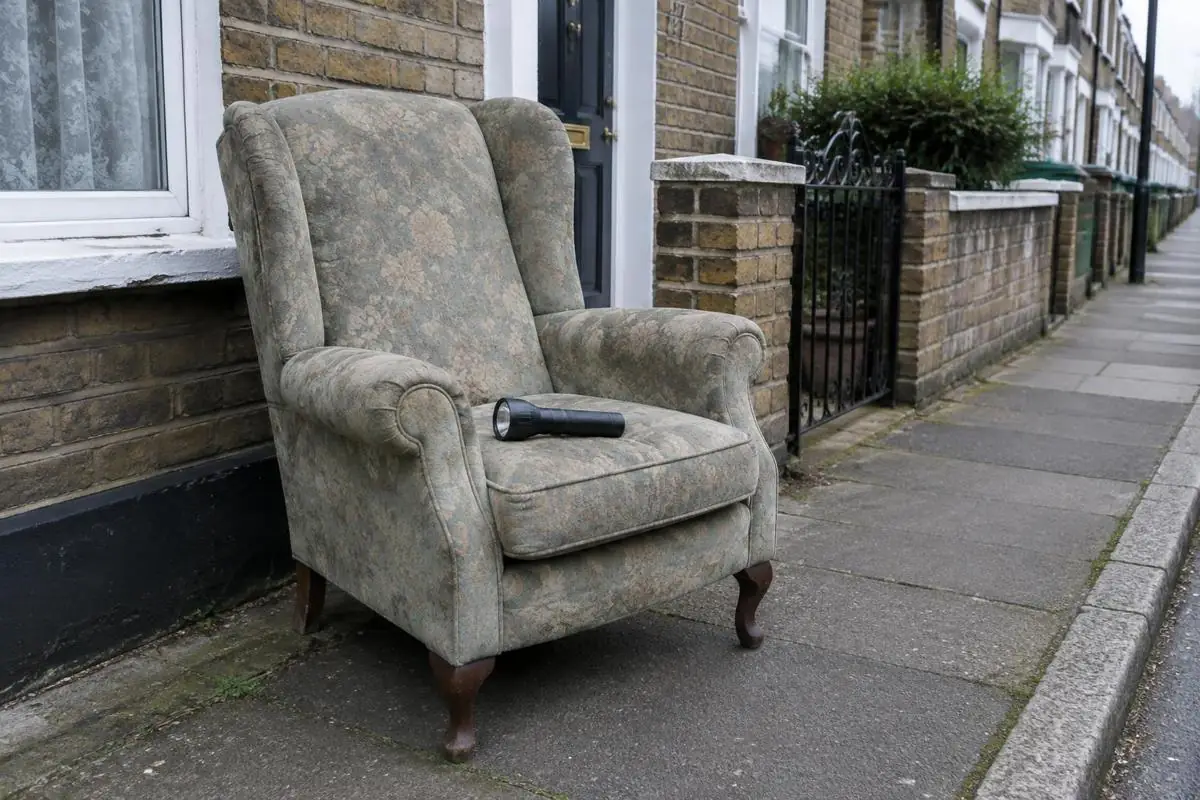
Take a torch and use the viewing to examine construction, not just cleanliness. On upholstered furniture, look along seams, piping, folds and the edges around removable cushions. On a bed frame, focus on joints and connection points. On cabinets or drawers, check accessible corners, runners and the back, with the owner’s permission and without damaging the item.
Ask the seller to help make accessible areas visible. Do not lift heavy furniture alone, crawl beneath an unstable item or tear away fixed coverings. If viewing the underside requires unsafe handling, leave that area unchecked and acknowledge the limitation. Inspection should not become destructive dismantling, especially where powered furniture includes electrical parts or mechanisms.
Look methodically rather than repeatedly scanning the same surface. Work from top to bottom, then front to back, noting any area you could not see. The NHS describes adult bed bugs as approximately 5mm long, so a distant glance is insufficient. Size alone is not identification, however: a small insect needs closer assessment rather than an immediate confident label.
Continue the topic: Bed bug prevention in shared spaces and everyday travel
4. Treat marks as clues, not a verdict
Visible insects deserve attention, but photographs or marks may remain ambiguous. Dark spotting, pale fragments or small objects caught in a seam should prompt a closer look rather than an instant diagnosis. Furniture also accumulates ordinary dirt and wear. A useful decision rests on the nature and location of the evidence, not simply whether a surface looks unpleasant.
If you notice something suspicious, stop moving cushions or shifting the furniture around. Take a clear close photograph and a wider image showing exactly where it was found. Include a size reference nearby if that can be done without disturbing the material. Avoid brushing, crushing or cleaning away the evidence before someone suitably experienced can assess it.
Do not use anyone’s account of bites to settle the question. The NHS notes that bites can be grouped, but bites alone cannot identify bed bugs. Likewise, the absence of reported bites does not replace an inspection. Ask for the purchase to be paused while evidence is reviewed; there is no need to accuse the seller or announce a confirmed infestation.
5. Decide what inaccessible construction means for you
Some furniture offers much better inspection access than other pieces. A frame with visible joints may allow a more informative check than upholstery with enclosed internal spaces. That is a difference in visibility, not a guarantee of safety. Do not assume hard furniture is automatically clear: the NHS lists bed frames among places where bed bugs can hide.
Separate ‘nothing suspicious found’ from ‘every relevant area inspected’. Those are different statements. Note fixed fabric bases, enclosed backs or other construction that prevents a useful view. Ask yourself whether you would still want the item if a professional later advised assessment or treatment. If that possibility would be unmanageable, declining before collection may be the sensible choice.
Choose between proceeding, seeking advice and declining, rather than forcing a yes-or-no answer immediately. Proceeding means accepting the limits of the available evidence, not receiving a certificate of freedom from bed bugs. Seek advice when a specific sign needs identification. Decline when unresolved concerns exceed your comfort or practical capacity, without presenting uncertainty as proof that the furniture is infested.
6. Plan collection without using wrapping as reassurance
Complete the inspection before loading. If suspicious evidence appears during collection, stop and reconsider rather than bringing the item home to investigate later. Agree this with anyone helping, including a delivery driver where relevant. A simple message such as ‘Please wait while we check this mark’ is clearer than conflicting instructions once furniture is already being carried.
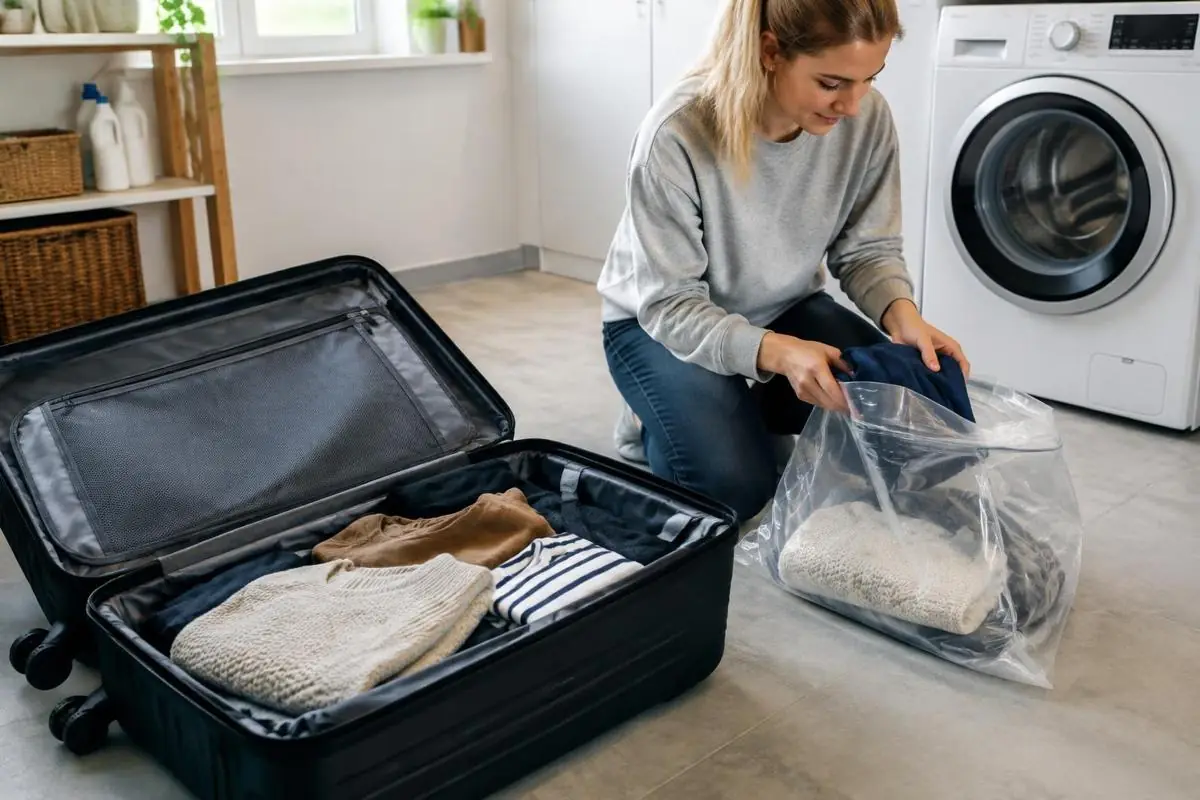
Where a professional has recommended containment for a suspect item, follow their advice about materials and handling. Wrapping is not treatment and should not become a reason to accept furniture you otherwise consider unsafe. Nor does removing packaging at home establish that an item is clear. Keep the purchase decision separate from any measures intended to limit movement.
If you proceed, arrange a direct route to the intended room and avoid unnecessary stops or temporary storage among other households’ belongings. Keep the seller’s listing, messages and your inspection photographs together. These records preserve the item’s history if a later concern arises; they do not establish where any eventual bed bug problem began or who is responsible for it.
For a property-specific assessment, see our bed bug heat treatment in Oxfordshire. Share your postcode and property details so the team can confirm coverage and availability.
7. Reject the ‘bring it home and heat it’ plan
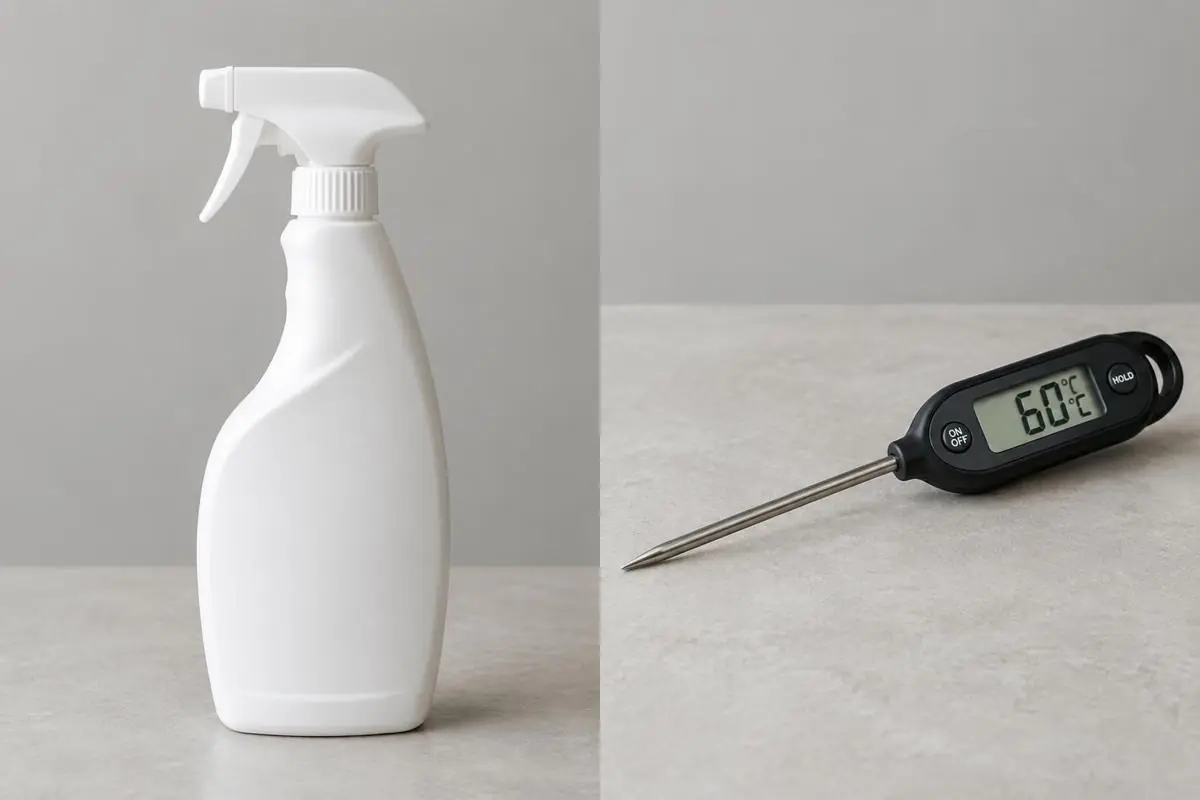
A suspicious item is not a sensible salvage project simply because someone suggests a quick heating method. Do not attempt a room treatment with space heaters or improvise heating around furniture. The US Environmental Protection Agency warns against DIY space-heater treatment and explains that household heating is not reliable bed bug control. These are technical references, not UK legal requirements.
Surface warmth tells you little about conditions within furniture. Professionally monitored heat is different from leaving an item somewhere hot or directing heat at visible areas. Do not assume that a brief household cleaning routine, a spray or an unverified seller remedy has resolved concealed activity. Cleaning can remove dirt and some material, but cannot alone guarantee removal.
If the piece is valuable to you, ask a pest professional whether assessment and treatment are practical before taking possession. Describe its materials, construction and any evidence already found. Do not request a guaranteed rescue from a photograph. The options may include professional treatment or simply declining the purchase; there is no obligation to salvage an item through unsafe experimentation.
8. If furniture is already inside, pause before moving it
Finding a suspicious sign after delivery changes the next step, not the need for evidence. Leave the furniture where it is while you obtain advice rather than carrying it through several rooms. Ask household members not to move, dismantle or clean it yet. Photograph the finding and record when the item arrived and where it has stood.
Contact the seller calmly with a description and photographs, avoiding a claim that the furniture definitely caused an infestation. Ask whether any further history or treatment information is available. Keep that conversation separate from professional identification: a dispute about a purchase cannot establish what the insect or mark actually is. Do not arrange a return journey without considering containment.
Tell a pest professional which areas were checked before collection and which were inaccessible. Explain whether the item has been moved since arriving. Ask what to do while awaiting assessment, including whether containment is appropriate. Avoid undertaking a whole-house clear-out in response to one uncertain finding; the immediate task is to understand the evidence and prevent unnecessary movement of belongings.
Related practical reading: Bed bug heat treatment versus sprays: making an informed choice
9. Avoid turning uncertainty into unnecessary disposal
Throwing furniture away does not answer whether bed bugs are present elsewhere, and an uncertain mark is not enough reason to discard a usable item. Seek identification and discuss whether treatment is appropriate. The EPA describes bed bug control as complex; removing one object should not be mistaken for a complete control plan where an infestation has been confirmed.
Do not donate, sell or leave a suspect item for someone else to collect without addressing the concern. Passing it on transfers uncertainty to another household. If disposal is recommended, ask the pest professional and the relevant collection service how it should be contained, identified and collected. Avoid dragging it through shared areas or leaving it available for reuse.
Keep the decision specific to the affected item and the evidence available. There is no automatic reason to discard nearby furnishings merely because they occupied the same room. Ask what can remain in place, what needs assessment and what handling is necessary. This approach protects useful belongings while keeping attention on the actual problem rather than a costly, disruptive purge.
10. Take evidence-led questions to a professional
Before your next viewing, prepare three things: questions about history, a torch and a clear agreement that collection can be postponed. If evidence is already present, gather photographs, dimensions, construction details and the item’s current location. Ask whether identification is possible from those records or whether an inspection is needed before deciding about purchase, movement or treatment.
For a service enquiry in Oxfordshire, Bed Bug Heat Control UK can be contacted on 0800 274 0156 or info@bedbugheatcontroluk.co.uk, 7am–10pm Monday–Sunday. Explain whether the furniture is still with the seller or already home. A quote is property-specific, and an enquiry is not a booking. Ask what can be assessed before making any commitment to transport or treatment.
If treatment is proposed, the business offers chemical-free controlled professional heat at 60–65°C, with a single-day process subject to property assessment. Ask about suitability for the furniture, monitoring and follow-up rather than assuming success is automatic. Request the full coverage and conditions of its three-month written guarantee before booking. Your immediate decision remains focused: inspect, pause for evidence, or decline before collection.
Sources & further guidance
General information, not a diagnosis, medical advice or legal advice. Research and US EPA references provide technical background, not UK law, and do not endorse our company. Your property assessment and the team’s written preparation instructions take priority.