Discovering a possible bed bug problem before moving home can turn an already demanding week into a difficult set of decisions. Should you pack, postpone the removal van or arrange treatment first? There is no single answer for every household, but the order of those decisions matters. Bed bugs can travel with belongings, so a move needs more than fresh boxes and a quick clean. This guide explains how to coordinate professional assessment, packing, transport and arrival without treating every possession as contaminated. The aim is a manageable relocation plan based on evidence, with clear responsibilities and fewer opportunities to carry a problem into your next home.
1. Establish what is known before changing the moving plan
Start by separating a suspected exposure from evidence of an infestation. An unexplained mark on your skin, a recent hotel stay or an unfamiliar speck on bedding does not establish that bed bugs are present. Equally, a confirmed finding deserves attention before belongings leave the property. Record what you have noticed, where it was found and when your move is scheduled. If you can safely retain a suspected insect in a secure container, ask a professional how best to provide it for identification.
Arrange an assessment early enough for the findings to influence the move, rather than treating it as a final check after everything has been loaded. Explain which rooms are occupied, where packed items are being kept and whether furniture has already been dismantled. An assessor may need access to areas that become difficult to inspect once boxes fill the room. Avoid rearranging the whole property to make it look ready; useful evidence and access matter more than presenting a perfectly tidy home.
Ask for a practical summary of what is confirmed, what remains uncertain and what should happen next. That distinction helps prevent two opposite mistakes: transporting belongings without addressing a known problem, or discarding possessions because of an unverified concern. If no firm conclusion is possible immediately, agree how uncertainty will be managed before removal day. The assessment should guide the scope of action, but it cannot offer an absolute promise that every concealed insect or affected object has been identified.
2. Build one timeline for assessment, treatment and removals
A house move usually has several fixed appointments, including key collection, property access, removal crews and cleaning. Put these alongside any proposed inspection or treatment rather than managing them as separate tasks. The important question is whether belongings will be assessed and, where necessary, treated before they travel. Give the treatment company the actual deadlines, including the last time you can enter the old property. A plan that depends on access you will no longer have is not a workable plan.
Where an infestation is confirmed, resolving it before relocation may reduce the chance of carrying bed bugs into the new home. However, the right sequence depends on the property, the affected belongings and the available treatment arrangements. Ask whether packed boxes need reopening, whether dismantled furniture should remain accessible and when packing can resume. Do not assume that treating a room automatically addresses every tightly packed container within it. The professional needs to understand the packing conditions when planning and evaluating treatment.
If the move cannot be delayed, say so plainly and ask for a coordinated alternative. This might involve separate arrangements for particular belongings or a revised transport and receiving plan, but those decisions require professional input. Avoid improvising an overnight solution in a borrowed garage or a friend's spare room. Temporary stops can create additional locations that need consideration. Keep a written timetable with named contacts so that changes to treatment, packing or van collection reach everyone who depends on that information.
3. Tell the right people without making unsupported claims
Your removal company needs relevant information before its crew arrives, particularly when bed bugs have been confirmed or professional assessment is pending. Explain the situation accurately and ask about its procedures, acceptance conditions and any restrictions on packing or transport. Do not hide the issue inside a vague request for extra wrapping. A provider may need time to decide whether it can undertake the move and how it will protect staff, equipment and other customers' belongings. Get agreed arrangements in writing.
If other people manage either property, coordinate access and practical responsibilities with them as appropriate. This could include a landlord, letting agent, managing agent or another household member. Keep messages factual: describe the evidence, the assessment appointment and the proposed next steps. Avoid claiming that a particular neighbour or previous occupant caused the problem when that is unknown. Questions about contractual responsibilities or disclosure obligations require advice suited to your circumstances; a pest-control guide cannot determine those obligations for you.
Use one short update that can be revised as the position changes, rather than forwarding a long chain of worried messages. Include the move date, the professional contact, the status of assessment or treatment and any instructions affecting access or belongings. Distinguish clearly between 'assessment booked', 'treatment completed' and 'follow-up still required'. These phrases are not interchangeable. Accurate communication allows other people to make informed arrangements without either exaggerating the concern or offering reassurance that the available evidence does not support.
Continue the topic: How to prepare your home for bed bug heat treatment
4. Create a packing system based on item status
Before packing at scale, agree a simple way to distinguish belongings that have completed the recommended process from those still awaiting attention. Labels might record the source room, contents and the action taken, with dates where useful. Avoid using a label such as 'bug-free', which implies more certainty than a visual check or routine wash can provide. A factual description, such as 'laundered and bagged on Monday', is more useful because it tells the next person exactly what has happened.
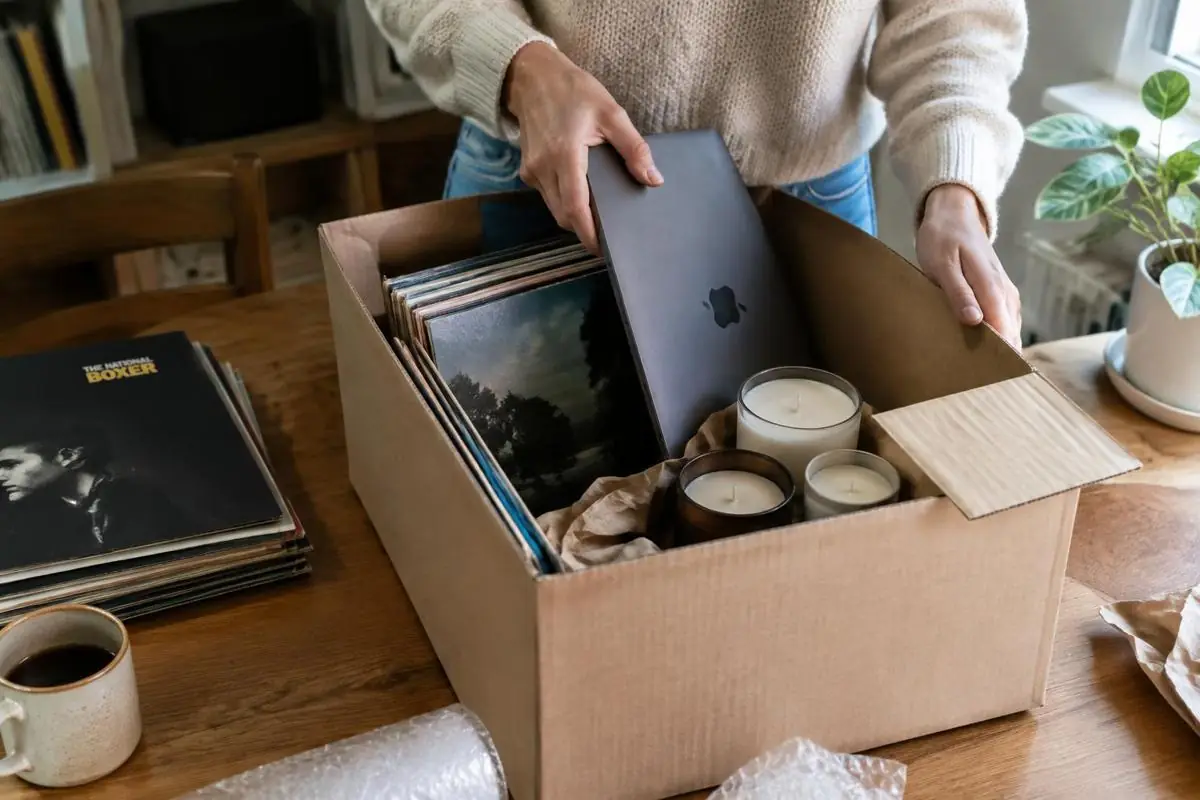
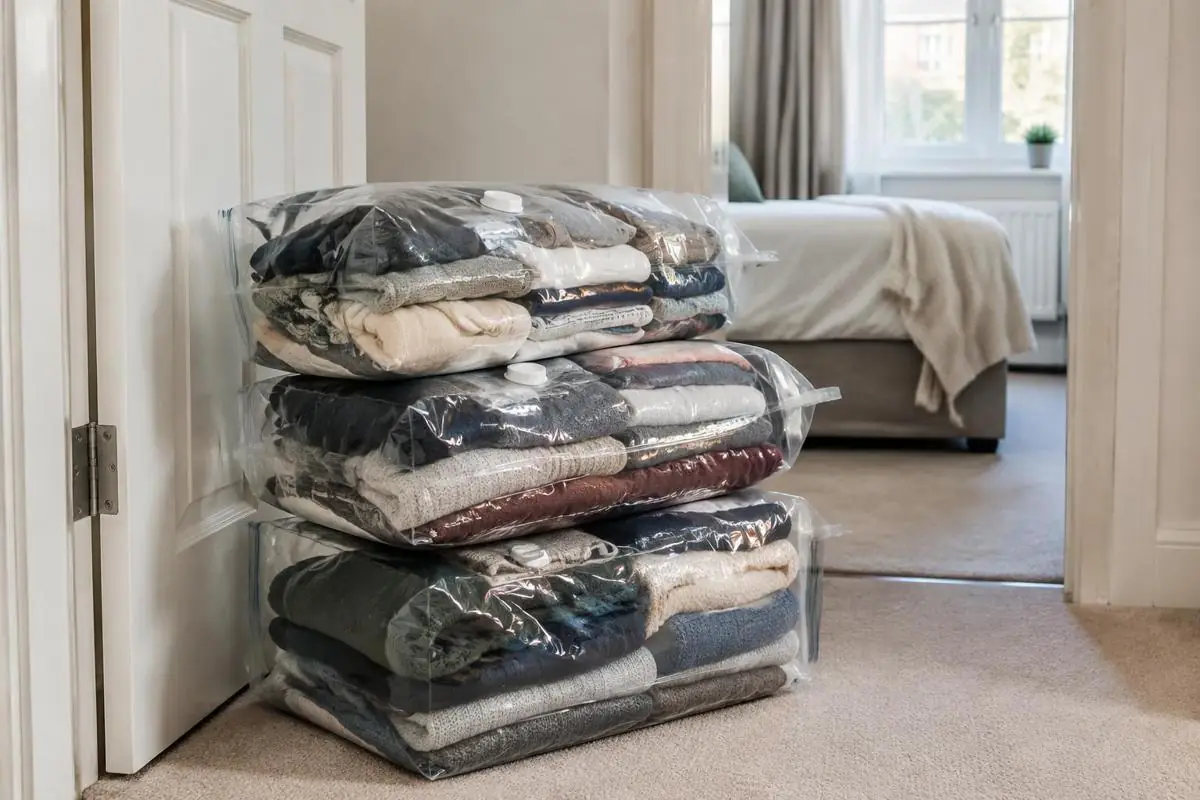
Use sound containers that can be securely closed, selecting bags, boxes or lidded crates according to the contents and professional instructions. Inspect reusable containers before bringing them into the packing process, and avoid collecting discarded boxes from uncertain sources. Remember that sealed packaging is a containment measure, not a treatment. Bed bugs may remain alive inside stored belongings for extended periods. A tightly closed bag should therefore carry a clear status rather than becoming an unrecorded item that is eventually opened elsewhere.
Keep the number of packing categories manageable so that everyone in the household can follow them. A complicated colour system is less useful than clear labels and a shared list. Designate a suitable packing area with professional guidance, but do not assume that a different room is unaffected simply because nobody sleeps there. Keep completed packages closed and minimise unnecessary movement through the property. If something is reopened or mixed with unprocessed belongings, update its status rather than relying on the original label.
5. Plan for furniture and possessions that cannot be easily contained
Large furniture presents different problems from clothing because joints, undersides and internal spaces can be difficult to assess or access. Tell the professional which beds, sofas, upholstered chairs and storage units will move with you. Ask whether dismantling is helpful, when it should happen and how components should be handled afterwards. Taking furniture apart without a plan can release concealed insects or leave pieces scattered across rooms. It can also remove useful context before the assessor has examined the original arrangement.
Wrapping furniture may help contain an item during a specifically agreed transfer, but it does not establish that the furniture is safe to unpack. Protective blankets and ordinary stretch wrap also have limitations, particularly around feet, torn corners and awkward shapes. Ask both the treatment provider and removal company what they require. Do not describe a wrapped sofa as treated unless it has actually undergone an appropriate process. The condition of the item and the purpose of the wrapping should remain clear throughout transport.
Disposal is not automatically necessary, and replacing furniture without addressing the wider problem can be an expensive distraction. If an item cannot reasonably be retained, seek local collection guidance and professional advice on containment and handling. Do not sell or donate a suspected or confirmed infested possession as though it were unaffected. Avoid leaving it where someone may unknowingly take it home. Any marking or packaging should follow the collection provider's requirements, with a route out of the property that minimises unnecessary contact.
6. Give storage a specific role, not a hopeful deadline
Storage can look like a convenient pause button when treatment and moving dates do not align. However, putting possessions into a unit does not reliably eliminate bed bugs, and ordinary storage conditions are not a controlled treatment. Survival depends on factors including temperature and access to a host, so a calendar guess is not a sound release criterion. Before booking storage, explain the concern to the operator and ask whether the items can be accepted and what conditions would apply.
If storage forms part of a professionally advised plan, keep an inventory showing which containers entered, their status and what must happen before they are opened. Avoid combining assessed belongings with items still awaiting action simply to save space. Access matters too: a stack that cannot be reached without opening or shifting everything can make later work difficult. Agree how any inspection or treatment would be arranged, recognising that not every storage facility can accommodate the necessary equipment or operating conditions.
Do not move uncertain belongings into a relative's loft, workplace cupboard or shared garage without discussing the risk and obtaining an appropriate plan. These locations may be harder to inspect later and can involve other people's possessions. A temporary destination should have a defined purpose, an agreed handling method and a clear next step. If nobody can explain how the contents will eventually be assessed or processed, storage is likely postponing the decision rather than helping you complete the move safely.
For a property-specific assessment, see our bed bug heat treatment in Cornwall. Share your postcode and property details so the team can confirm coverage and availability.
7. Prepare a small essentials kit for the transition
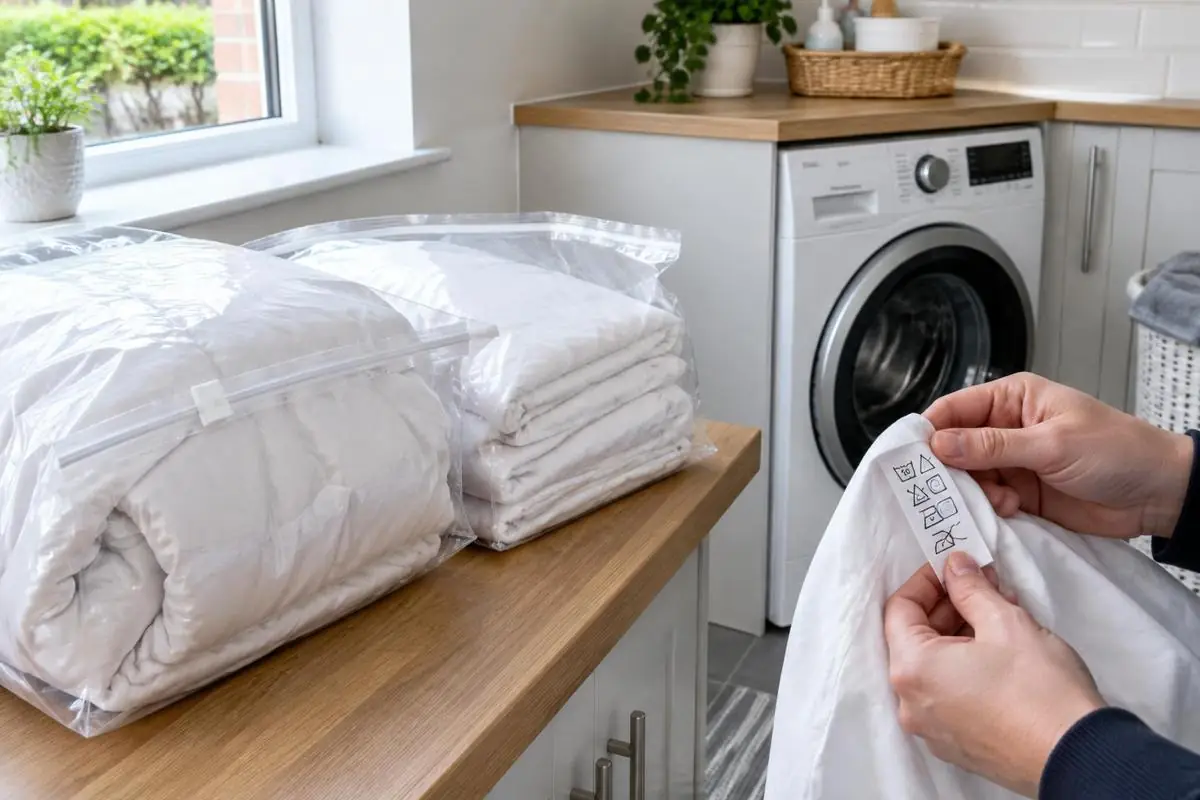
A separate essentials kit reduces the need to reopen moving boxes while travelling or waiting for access to the new property. Include a limited selection of clothes, toiletries, chargers and everyday necessities, handled according to the professional plan. For suitable textiles, follow the recommended laundering or tumble-drying process while respecting care labels and appliance instructions. Keep processed items separate from those awaiting attention. Do not assume that a cool wash or a brief tumble is an effective substitute for an appropriate process.
Choose a bag or container whose status is understood rather than automatically using the suitcase that was stored beside the bed. Packing processed clothes into an unassessed carrier can undermine the purpose of separating them. The same principle applies to coats, shoes, handbags and work bags that will accompany you personally. Ask how these should be managed, particularly if they cannot be laundered. Avoid improvised heating of electronics, footwear or accessories, as unsuitable temperatures can damage materials or create safety hazards.
If you must stay somewhere temporarily, factor that stop into the relocation plan before leaving. Take only what you need and keep uncertain possessions out of the temporary accommodation. Ask the professional what handling steps are appropriate and discuss relevant concerns with the accommodation provider where needed. Do not move all your luggage into another bedroom simply because the removal van is delayed. The aim is to make the transition with a small, clearly managed set of belongings rather than recreating the whole packing problem elsewhere.
8. Keep removal day controlled and predictable
Before loading starts, confirm that the crew has received the agreed information and that no last-minute substitutions have changed the arrangements. Walk through which items are ready to move, which must remain and any specific handling instructions. Use labels that can be understood without opening containers. Keep the inventory accessible rather than buried in a box. If the crew discovers an unlisted item or a damaged package, pause to clarify its status instead of quietly adding it to the load.
Where possible, organise a straightforward route from the property to the vehicle without staging belongings across unnecessary rooms or communal seating areas. Keep packages securely closed and avoid dragging them over rough surfaces that could tear bags or wrapping. Follow the removal company's agreed procedures for protective equipment and vehicle loading. There is no universal wrapping method that makes every uncertain item suitable for shared transport, so any arrangement involving combined loads should be discussed explicitly rather than assumed to be acceptable.
Unexpected findings need a simple escalation route. If a suspected insect appears during dismantling or loading, stop handling the immediate item and contact the professional for advice. Photograph or retain the specimen securely if practical, without chasing it through the property or applying an improvised spray. A finding may affect the plan, but it does not automatically tell you which other possessions are involved. Record the item and location so the response is based on useful information rather than hurried guesses.
Related practical reading: Heat-sensitive belongings: questions to ask before treatment
9. Unpack in a sequence that preserves the plan
At the new property, avoid opening everything simply to check that it survived the journey. Place containers in the locations agreed during planning and begin with essentials that have completed the recommended process. Keep items awaiting action closed and clearly identified, following professional instructions about where they should remain. An empty room is not automatically a safe containment area once packages are opened. The important distinction is the status of the contents, not whether the receiving space looks clean or unused.
Check labels against your inventory as larger furniture and boxes arrive. If packaging has torn or the status of an item is unclear, seek advice before putting it into everyday use. Do not assume that a fresh address resets the problem, or that a general clean of the new home compensates for untreated belongings. Conversely, uncertainty about one package does not justify treating every room as infested. A targeted response should follow the evidence and the professional's assessment of the circumstances.
Keep the documents from the original assessment and any treatment where they can be found easily. Record which possessions were covered, what instructions remain outstanding and whether a follow-up appointment is due. If concerns arise after arrival, tell the provider that a move has taken place and explain the sequence of events. Skin reactions alone cannot establish when or where exposure occurred. Clear records make it easier to investigate without automatically attributing every new concern to either the old property or the new one.
10. Confirm treatment scope and support before you commit
When booking professional help around a move, ask exactly what the proposed service covers. Clarify which property, rooms and belongings are included, how packing affects access and what must be completed before the removal crew arrives. Whole-room heat requires planning, monitoring and attention to how heat reaches potential harbourages; a stated air temperature alone does not describe every item's exposure. Heat-sensitive possessions need agreed handling arrangements, and anything excluded from treatment should have a clear next step rather than disappearing from the plan.
Bed Bug Heat Control UK provides 100% chemical-free heat treatment at 60–65°C, with a 3-month written guarantee, full insurance and discreet unmarked vans. For a relocation, discuss the treatment scope and written guarantee terms before booking, including whether moving belongings changes any conditions or follow-up arrangements. Do not assume that cover automatically transfers between addresses. Readers in Cornwall can request a property assessment. A professional assessment is the starting point for deciding how the service fits the move and which preparations are appropriate.
To discuss your dates and circumstances, call Bed Bug Heat Control UK on 0203 6000980, open 7am–10pm daily. Have your planned move date, property access arrangements and a short account of the evidence ready. You do not need a perfect inventory before making contact, but explain whether packing, storage or removals have already begun. The most useful outcome is a clear sequence: establish the concern, agree the necessary action, preserve each item's status during transport and complete any outstanding steps before routine unpacking.
Sources & further guidance
General information, not a diagnosis, medical advice or legal advice. Research and US EPA references provide technical background, not UK law, and do not endorse our company. Your property assessment and the team’s written preparation instructions take priority.