Discovering a bed bug infestation often triggers an immediate sense of social anxiety and the urge to withdraw from the world. Many residents in England and Wales wonder if they should effectively quarantine their households to prevent spreading the problem to friends, family, or colleagues. While the instinct to isolate is understandable, managing a bed bug situation requires a balanced approach rather than total social withdrawal. Understanding how these insects actually travel is key to maintaining your lifestyle while responsibly addressing the issue. Bed Bug Heat Control UK offers professional thermal remediation services that resolve infestations quickly, often negating the need for long-term lifestyle changes. This guide explores the practicalities of social interaction during an infestation and why professional heat treatment is the most efficient path back to normality.
The Distinction Between Pests and Pathogens
In public health terms, a quarantine is typically a restrictive measure used to prevent the transmission of communicable diseases. It is important to clarify that according to the NHS and various health bodies, bed bugs are not known to transmit blood-borne pathogens or infectious diseases to humans. Because they are parasitic insects rather than a viral or bacterial threat, the medical justification for a strict quarantine does not exist in the traditional sense. You are not 'contagious' when you have bed bugs in the way you might be with a seasonal flu.
The psychological impact of these pests often leads people to feel like they are carrying a disease, but this is a misconception. Bed bugs are 'hitchhikers' that move through the passive transport of items rather than jumping or flying from person to person. Consequently, you can still engage with the outside world provided you take sensible precautions. Total isolation can often lead to increased stress and a sense of loneliness, which only compounds the difficulty of dealing with a domestic pest issue.
Instead of focusing on a medical-style quarantine, householders should focus on containment and eradication. The goal is to ensure that the insects remain within the affected property until a professional can intervene. By shifting the perspective from 'quarantining people' to 'containing the insects,' you can manage the situation more logically. This involves being mindful of what leaves the property rather than trapping yourself inside, allowing for a more manageable recovery process.
How Bed Bugs Actually Spread to New Locations
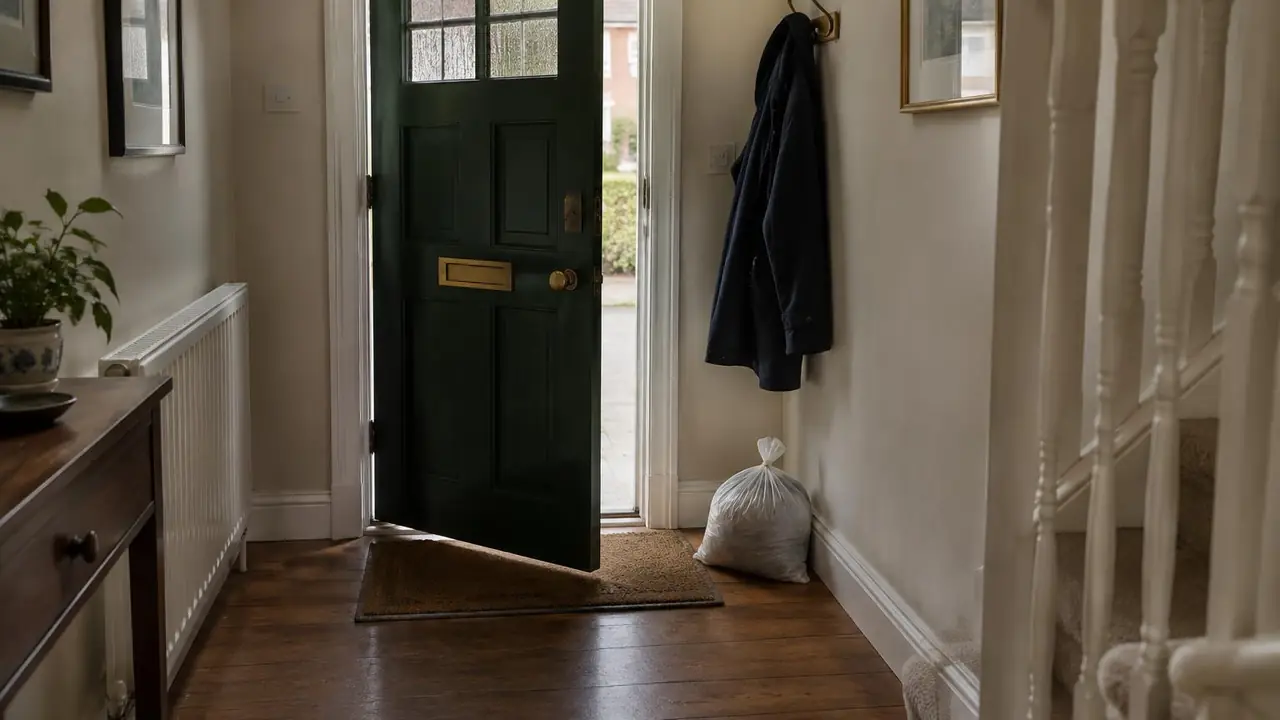
Bed bugs are masters of concealment, preferring to hide in seams, zips, and folds of fabric. They do not live on the human body like lice do; instead, they visit the host to feed and then retreat to a nearby hiding spot. This means that you are unlikely to be carrying a bug on your skin when you leave the house. The risk of transmission primarily comes from items that have been left near sleeping or seating areas, such as handbags, backpacks, laptop cases, or coats.
When a bed bug hitches a ride, it is usually because an object was placed in a high-activity zone. For example, if a rucksack is left on a bed that is infested, a bug might crawl into a pocket or seam. When that person goes to a friend's house or sits on public transport, the bug may then crawl out and establish a new colony. Understanding this mechanism is vital because it highlights that transmission is preventable through careful inspection rather than total social avoidance.
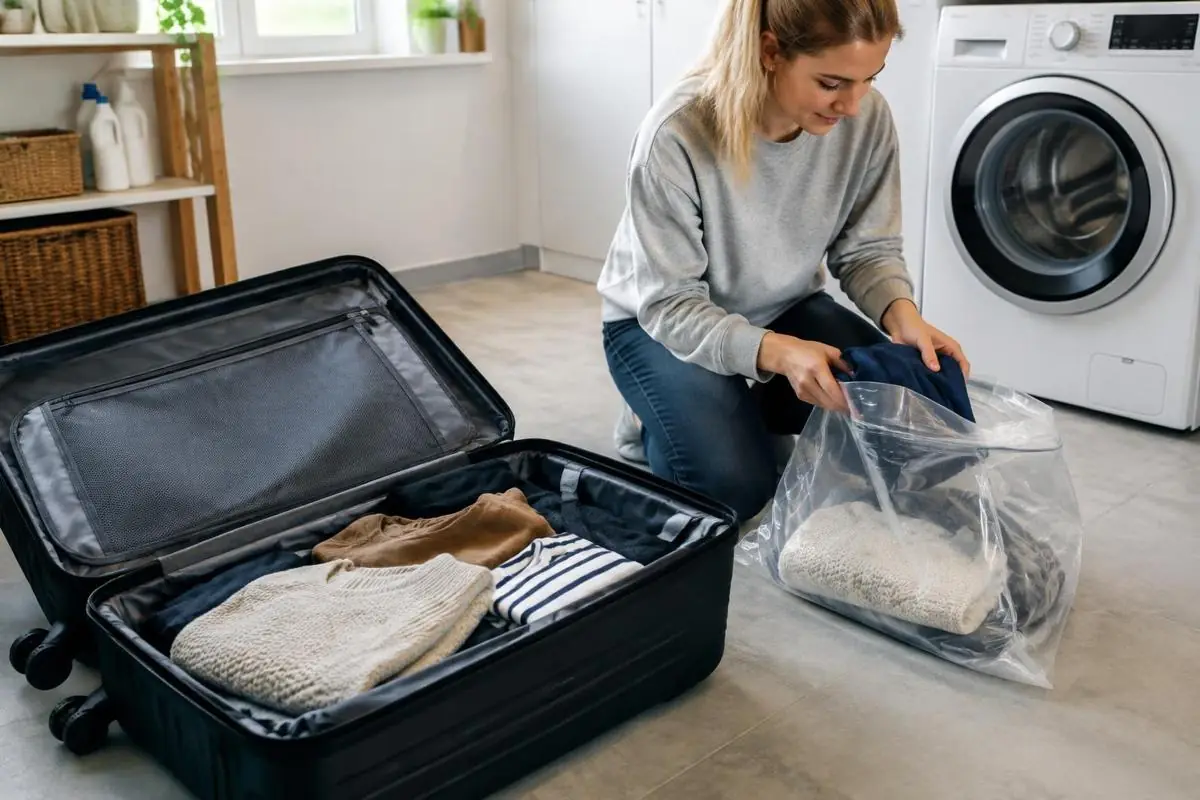
Responsible pest management involves being aware of these pathways. If you are planning to visit someone or go to work, checking your outer clothing and bags is a highly effective way to reduce the risk of spreading the infestation. Many experts suggest keeping 'clean' clothes in sealed plastic containers once they have been laundered and dried on a high heat. By changing into these clothes just before leaving, you significantly diminish the chance of a bug accompanying you on your travels.
The Social Etiquette of Bed Bug Infestations
Deciding whether to tell others about your situation is a personal choice, but it carries ethical considerations. You do not need to announce the issue to every acquaintance, but if you have regular visitors or people who frequently bring bags and coats into your home, it is often wise to pause those visits temporarily. This is not a formal quarantine but a practical measure to protect your social circle from the inconvenience of an infestation while you wait for professional treatment.
Inviting people over during an active infestation is generally discouraged by pest control professionals. The more people that enter an infested environment, the higher the statistical likelihood that a bug will find a new host or a piece of luggage to hide in. It is far better to meet friends in a neutral, public location after you have thoroughly inspected your own attire. This allows you to maintain your social life without compromising the homes of your loved ones.
If you have children, the question of school and playdates often arises. Schools generally do not require children to stay home if bed bugs are found at their residence, but it is essential to be vigilant. Checking school bags and ensuring that children are wearing freshly laundered clothes that haven't been sat on an infested sofa is key. Communication with school staff can sometimes be helpful, though many choose to handle it privately while following strict hygiene protocols.
Continue the topic: What to do with luggage after suspected bed bug exposure
The Risks of Self-Imposed Isolation
Self-imposed isolation can have a negative effect on mental health during what is already a trying time. The 'stigma' associated with bed bugs often drives people to cancel all social engagements, but this can lead to a sense of being trapped with the problem. Maintaining a routine is important for morale. As long as you are following basic precautions regarding your clothing and belongings, there is no reason to stop going to work or engaging in outdoor activities.
Furthermore, total isolation can sometimes lead to homeowners attempting to solve the problem themselves using ineffective methods. Without the distraction of social interaction, some people become obsessed with DIY sprays or 'foggers' that rarely reach the deep harbourages where bed bugs hide. These chemical attempts can often make the problem worse by scattering the insects into other rooms or wall voids, making the eventual professional treatment more complex.
Professional intervention from Bed Bug Heat Control UK can provide the reassurance needed to end any self-imposed quarantine. Our technicians understand the emotional toll these pests take and work to clear the infestation in a single visit. Knowing that the problem is being handled by experts using high-temperature thermal technology can alleviate the guilt and anxiety that often lead to social withdrawal, allowing you to return to your normal life much faster.
Why Chemical Treatments Can Prolong the Issue
Many people find themselves in a cycle of isolation because they are relying on traditional chemical treatments that take weeks or months to work. Most insecticide programmes require multiple visits and rely on the bugs crossing a treated surface. This means the infestation persists for a significant period, during which the occupants feel they must remain 'quarantined' to avoid spreading the lingering pests to others. This extended duration is one of the biggest drawbacks of chemical-only approaches.
Research has shown that many bed bug populations in the UK have developed a level of resistance to common pyrethroid insecticides. This means that even after a professional chemical spray, some bugs and their eggs may survive. The uncertainty of whether the treatment has worked often keeps residents in a state of high alert, afraid to resume normal social activities for fear that they are still 'infested.' This prolonged state of flux is exhausting and often unnecessary.
In contrast, heat treatment is a physical process rather than a chemical one. Because it targets the biology of the insect by denaturing the proteins within their bodies, resistance is not a factor. When the entire room or property is raised to the target temperature, every life stage—from egg to adult—is eliminated simultaneously. This immediate result removes the need for a 'recovery period' and allows the household to return to social normality immediately following the service.
The Science of Professional Heat Remediation
Heat treatment works by utilising powerful heaters and air movers to circulate air at temperatures between 50°C and 60°C. This range is lethal to bed bugs but safe for the structure of most homes. Unlike chemicals, which may not reach bugs hidden deep inside a mattress or behind a skirting board, heat radiates into every crack and crevice. This ensures that no hidden survivors are left behind to restart the colony, providing a level of thoroughness that sprays struggle to match.
During the process, technicians check surface temperatures around furniture and voids using thermal imaging cameras. This ensures that the 'cold spots' where bed bugs might hide are successfully brought up to the required thermal threshold. By treating the entire environment at once, the need for homeowners to worry about which items are 'safe' is greatly reduced. Once the treatment is complete and the house has cooled down, the infestation is effectively over.
This method is particularly beneficial for those who are sensitive to chemicals or have children and pets. Since there are no toxic residues left behind, there is no need to avoid certain rooms or worry about skin contact with treated surfaces. The speed and safety of heat remediation make it the gold standard for those who want to resolve their bed bug problem without the long-term disruption of a traditional pest control schedule.
For a property-specific assessment, see our bed bug heat treatment in County Durham. Share your postcode and property details so the team can confirm coverage and availability.
Preparing Your Home for a Successful Treatment
While you don't need to quarantine yourself, you do need to prepare your environment to give the heat treatment the best chance of success. Proper preparation is the most important factor in a successful thermal remediation. It allows the heated air to circulate freely and reach every possible hiding place. However, it is vital not to move items out of the infested area before the treatment, as this is a primary way that bugs are accidentally spread to 'clean' parts of the house or to other properties.
Before our team arrives, we ask that you follow the official preparation checklist available on our website. This list provides clear instructions on how to arrange your belongings to facilitate the flow of heat. It covers everything from clothing management to the protection of heat-sensitive items. Following these steps carefully ensures that our technicians can focus on the technical aspects of the heat cycle, providing you with the best possible outcome.
It is important to resist the urge to throw away furniture or bedding before the treatment. Many people dispose of expensive mattresses in a panic, but professional heat treatment is designed to save your belongings. The heat penetrates deep into mattress fibres and sofa frames, killing any insects within. By keeping your items in place and preparing them according to our guidelines, you save money and prevent the accidental spread of bugs during the disposal process.
Maintaining Normalcy During the Process
On the day of the heat treatment, you will need to vacate the property for several hours. This is the only time a 'quarantine' of sorts is required, as the high temperatures are not suitable for people, pets, or houseplants. This is a perfect opportunity to spend time away from the home, perhaps visiting a park or enjoying a meal out, provided you have checked your clothing as previously discussed. By the time you return in the evening, the property will be safe to re-enter.
When you return, you will find that your home is free of live bed bugs. There is no need to stay away overnight or wait for chemicals to dry. You can sleep in your own bed that very night with the peace of mind that the infestation has been addressed. This rapid turnaround is one of the most significant advantages of the services provided by Bed Bug Heat Control UK, especially for those who find the presence of pests deeply distressing.
After the treatment, you can resume your normal social life without the fear of being a 'carrier.' You can once again invite guests over and visit others with confidence. The transition from 'infested' to 'clear' happens in a single day, which is far more efficient than the weeks of uncertainty associated with other methods. This allows you to regain control of your home and your social life with minimal delay.
Related practical reading: Bed bug prevention in shared spaces and everyday travel
When to Seek a Professional Assessment
If you suspect you have bed bugs but aren't sure, it is best to seek a professional assessment rather than going into a state of panic or isolation. Early detection is incredibly important. A professional can identify the subtle signs of an infestation, such as small dark spots on bedding or discarded skins in mattress seams, which might be missed by an untrained eye. We cover all of England and Wales and can offer expert advice on the scale of the problem.
Trying to self-diagnose often leads to unnecessary worry or, conversely, a delay in treatment that allows the infestation to grow. If you have bites but cannot find any bugs, a professional can help determine if the culprit is indeed bed bugs or another pest entirely. Our team is available from 7am to 10pm daily on our freephone number, 0800 274 0156, to discuss your concerns and help you decide on the best course of action.
A professional survey not only confirms the presence of bed bugs but also identifies the primary harbourages. This information is used to tailor the heat treatment to your specific property layout. By choosing an expert assessment, you are taking the first proactive step toward resolving the issue, which is a far more productive response than withdrawing from society and hoping the problem will disappear on its own.
A Sustainable, Chemical-Free Solution
Choosing a chemical-free heat treatment is not just about speed; it is also about sustainability and health. In an era where many are concerned about the over-use of pesticides in the domestic environment, thermal remediation offers a clean alternative. It leaves no lasting impact on the air quality of your home and is safe for the most vulnerable members of your family. This makes it the ideal choice for modern households in England and Wales.
Bed Bug Heat Control UK specialises in this advanced technology, providing a discreet and effective service. We understand that our clients want the problem solved quickly and without fuss. Our family-run team brings years of experience to every job, ensuring that the heat is applied safely and effectively. We pride ourselves on helping people reclaim their homes from these persistent pests so they can get back to their normal lives.
In summary, while the idea of a bed bug quarantine is a common thought, it is neither necessary nor particularly helpful. By taking simple precautions when leaving the house and opting for a professional heat treatment, you can manage the situation responsibly. You don't have to live in isolation; you just need the right professional support to eliminate the problem at its source. Contact us today to learn how we can help you move past this infestation with confidence.
Sources & further guidance
General information, not a diagnosis, medical advice or legal advice. Research and US EPA references provide technical background, not UK law, and do not endorse our company. Your property assessment and the team’s written preparation instructions take priority.