A bed bug concern can make ordinary conversations feel unexpectedly difficult. You may wonder what to tell relatives, whether to postpone a visit, or how to explain a professional appointment without inviting speculation. The most useful approach is neither secrecy nor a broadcast to everyone you know. It is a calm, proportionate conversation with the people who need information to make practical decisions. This guide explains how to separate suspicion from confirmation, agree a consistent household message and speak to visitors without blame. It also covers privacy, questions you cannot yet answer and when a professional assessment should guide what you say next.
1. Start with what is known, not what is feared
Before speaking to anyone else, put the situation into one of three broad categories: a concern awaiting assessment, evidence being reviewed, or a professionally confirmed problem. These are not interchangeable. An unexplained skin mark or an uncertain photograph does not justify telling people that your home definitely has bed bugs. Equally, a confirmed finding should not be described as a vague possibility merely to make the conversation easier. Accurate language helps everyone understand what decisions are reasonable at that particular stage.
Keep your initial explanation short enough that the central point cannot get lost. State what prompted the concern, whether a professional has assessed it, and what you are arranging next. Avoid adding a detailed theory about where the insects came from. Unless there is clear evidence, that theory may be impossible to establish and can distract from the immediate task. You do not need to provide a complete account of every recent outing, purchase or visitor to explain that you are seeking advice.
Uncertainty is something you can communicate honestly rather than something you must eliminate before speaking. If an assessment has not happened, say so. If you have been given advice but are waiting for clarification about a particular visit, distinguish that unanswered question from the information already established. This prevents a common problem: people interpreting a tentative reassurance as a promise. A careful update can be reassuring precisely because it makes clear where the limits of your current knowledge lie.
2. Remove blame from the household conversation
Bed bugs are not evidence that someone is dirty or has failed to care for their home. They can be transported with belongings, and the presence of a problem does not establish who introduced it or when. Begin household discussions on that basis. Accusations about a holiday, a guest or a particular family member rarely help organise an assessment. They can also make people less willing to mention relevant information, especially if they expect an ordinary travel detail to become an argument.
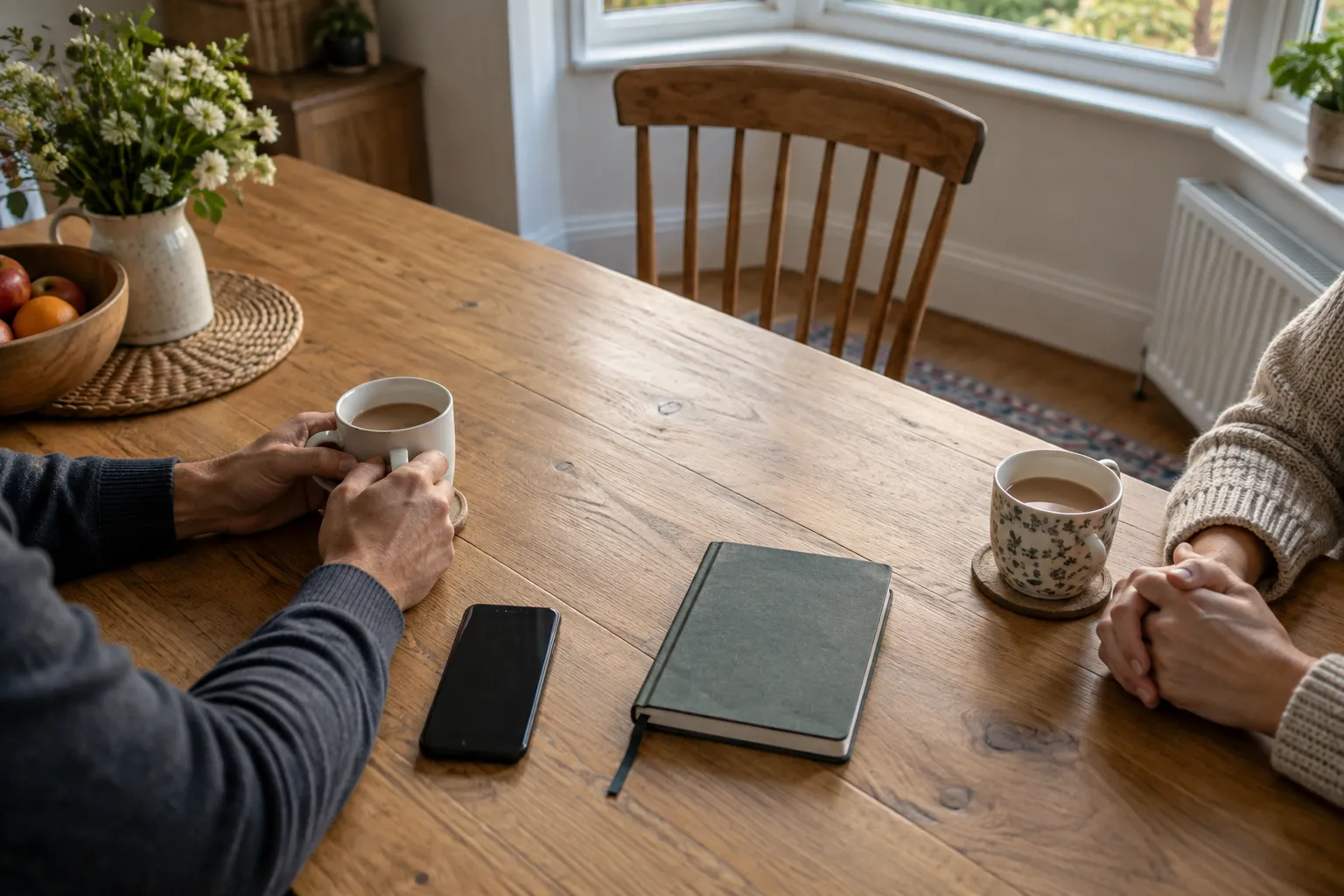
A useful household meeting focuses on decisions rather than a reconstruction of fault. Agree who will contact the treatment company, who needs an update and how changes to planned visits will be handled. Give everyone an opportunity to mention practical concerns, but avoid repeatedly questioning one person about a suspected source. Where accounts differ, record the uncertainty instead of trying to settle it through persistence. A professional can assess the pest problem without the household first reaching agreement about its origin.
People may react differently even when they have heard exactly the same facts. One person may want to tell everyone immediately; another may feel deeply embarrassed and say very little. Neither reaction needs to become the household policy. Aim for a shared rule: provide relevant information to people whose plans may be affected, protect unnecessary personal details and seek professional guidance where exposure is uncertain. This gives the conversation a practical boundary without demanding that everyone feel equally calm or comfortable.
3. Decide who needs an update and why
There is no useful universal rule that everyone you have recently met must be contacted. Start with the reason someone might need information now. They may have an upcoming overnight visit, have stayed at the property during a relevant period, or be due to carry out work inside the home. A professional assessment can help you judge the significance of those circumstances. The aim is a targeted conversation linked to a practical decision, not an expanding list driven only by worry.
Think separately about people who live in the property, people who visit and people who simply know you. Household members need enough information to coordinate the response. An expected guest needs enough to discuss their plans. A distant acquaintance generally does not need your appointment details, photographs or a running account of findings. These different levels of information are not contradictory. They reflect the difference between giving someone a meaningful choice and making private household information available without a clear purpose.
When you are unsure whether a previous visitor should be contacted, explain the circumstances to the assessor rather than guessing at a risk level yourself. Relevant context might include whether they stayed overnight and whether belongings were exchanged. Do not interpret an assessment of your home as proof of what happened in somebody else's property. If a conversation is advised, describe your own finding and the reason for the update, leaving any assessment of their home to an appropriate professional.
Continue the topic: Hotel room bed bug checks without the panic
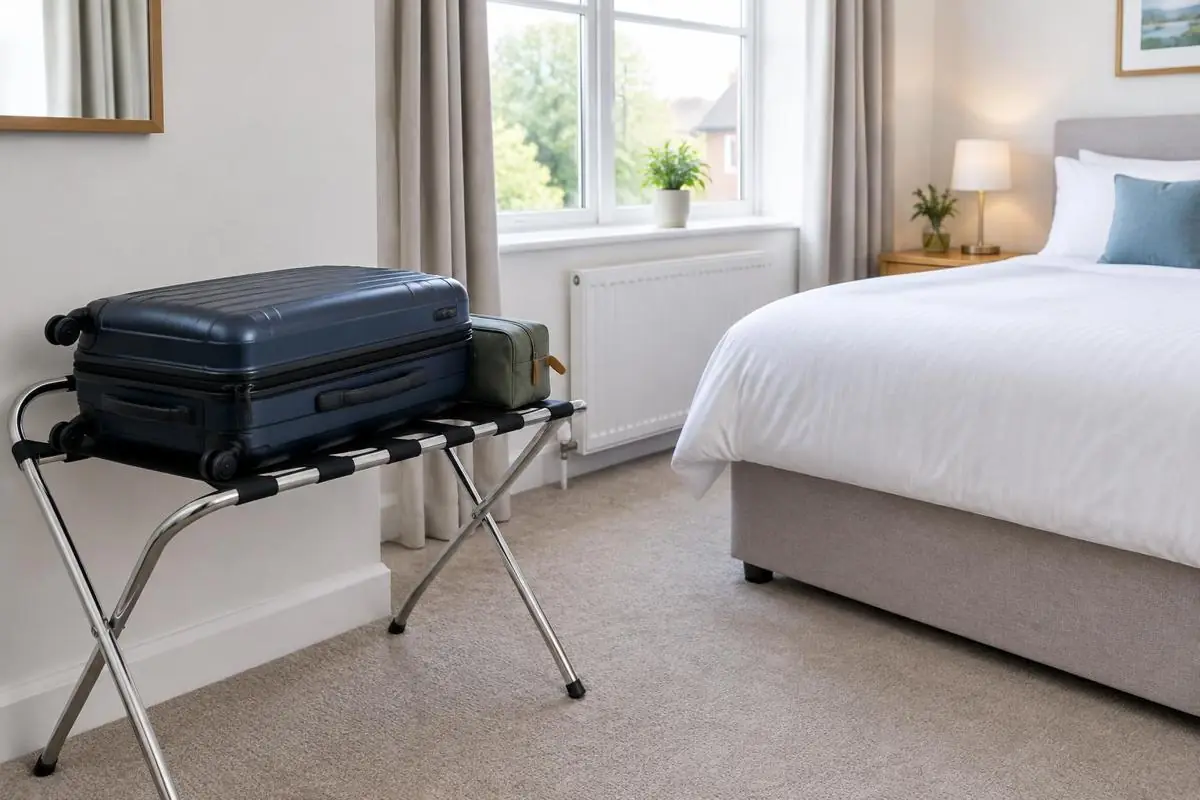
4. Discuss upcoming visits before people travel
If a planned visit could be affected, raise the issue before the visitor is on the doorstep. Advance notice allows a genuine discussion without the pressure of someone having already travelled or arrived with bags. Explain whether the concern is confirmed and whether you are waiting for advice about the visit. Avoid declaring that a particular room or arrangement is safe without a basis for doing so. Decisions about using the property should follow an assessment of the actual situation.
Postponing a non-essential visit can be a straightforward scheduling choice rather than a dramatic announcement. You can explain that a household pest concern is being assessed and that you would prefer to rearrange once you have clearer guidance. If the person needs more information to understand why their visit is affected, identify bed bugs plainly rather than relying on a misleading euphemism. The balance is to be candid about the relevant issue without supplying unrelated details about other household members.
An alternative meeting elsewhere should not be presented as automatically resolving every possible concern. Bed bugs can travel with belongings, so ask the professional whether any proposed arrangements require specific guidance. Do not improvise a complicated routine and then promise another person that it removes all risk. Where plans remain uncertain, leaving the visit undecided may be more honest than offering immediate reassurance. A calm change of date often creates less confusion than several last-minute changes based on assumptions.
5. Tell previous overnight guests without creating alarm
Contacting someone who has already stayed can feel especially awkward because the visit cannot be changed. If professional advice indicates that an update is appropriate, keep it factual and direct. Explain what has been found at your property and when you became aware of it, while acknowledging that the discovery does not prove the guest encountered or transported anything. That distinction matters. Giving useful information is different from telling someone that their own home must now have a bed bug problem.
Share any relevant recommendation accurately, including its limits. If you have been advised that the guest should seek assessment if they find concerning evidence, do not turn that into an instruction to book treatment immediately. Likewise, avoid sending an assortment of internet remedies alongside the update. The recipient needs a clear account of what is known, not an urgent list of purchases or tasks. Encourage professional assessment of any concern at their own property rather than trying to diagnose it remotely.
A previous guest may ask you to identify the exact date the problem began or guarantee that their belongings were unaffected. Those answers may not be available. Say what you can establish and resist filling the gap with an estimate that sounds more certain than it is. If further information becomes available, agree how you will pass it on. One clear update followed by a relevant follow-up is generally more useful than repeated speculative messages that add no new facts.
6. Give children and teenagers a simple, consistent explanation
Children usually need an explanation that matches the disruption they can see, not a detailed account of pest biology. Tell them that adults are arranging professional help for a household insect problem and will explain any changes to their plans. Make clear that they have not caused it by being untidy or doing something wrong. Avoid using bed bugs as a reason to criticise their room or habits. Mixing reassurance with blame can make a simple practical message much harder to understand.
Younger children may ask the same question repeatedly, particularly if a visit or family routine changes. Keep the answer consistent and acknowledge when you are still waiting for information. Teenagers may want more detail and may have already searched online. Discuss which information applies to your home and which claims have not been checked. There is no need to promise that nothing inconvenient will happen. A more credible reassurance is that the household has a plan and is getting appropriate guidance.
Privacy should not become a demand that a child carry a frightening secret. Explain that household information does not need to be posted online or discussed widely, while making it clear they can speak to a trusted adult if worried. Adults should manage conversations with other families when social plans are affected. This keeps responsibility where it belongs and reduces the chance of a child having to answer difficult questions or make claims about safety that they cannot reasonably assess.
For a property-specific assessment, see our bed bug heat treatment in Herefordshire. Share your postcode and property details so the team can confirm coverage and availability.
7. Coordinate regular visitors and people working in the home
A cleaner, tradesperson, tutor or other regular visitor may need an update because their work takes place inside the property. Explain the relevant concern before their next appointment so they can discuss arrangements with you or their organisation. Do not assume that every service will make the same decision. The information they need may depend on where they work, what they bring and whether the visit can be rescheduled. Ask the assessor for guidance specific to the proposed activity.
Keep this conversation separate from any request to prepare the home for treatment. A regular visitor should not be given an improvised set of tasks because they happen to be available. If treatment preparation is being discussed, the official checklist at /bed-bug-heat-treatment-preparation is the one list to follow. Check any uncertainty with the technicians rather than mixing that checklist with suggestions from visitors, forums or another provider. This avoids well-intended help creating conflicting instructions for the household.
Where several people visit regularly, nominate one household contact to handle scheduling and updates. This reduces the chance of someone arriving because they received an earlier version of the plan. Share only the information relevant to their appointment, and confirm changes directly rather than assuming a group message has been read. If a visit is essential or difficult to rearrange, explain that constraint to the treatment company. Seek a practical assessment rather than attempting to settle the question through guesswork.
8. Protect privacy in messages and online discussions
Written messages are useful because recipients can return to the details, but they can also be forwarded without context. Before sending an update, remove information that does not help the recipient make a decision. Names of other visitors, private household disagreements and speculation about the source are rarely necessary. A concise message covering the status of the concern, the effect on plans and the next update is easier to understand. It is also less likely to create confusion when read later.
Be cautious about posting photographs or requests for identification in public community groups. Images can reveal addresses, family photographs or other personal details in the background, and confident replies are not necessarily reliable assessments. If you need professional input, use the company's agreed contact method and ask what information would be useful. Avoid publishing another person's home details while trying to establish where a problem originated. Public speculation can travel much further than the original practical question ever required.
Discretion from a treatment provider can help, but it is not a guarantee that nobody will notice an appointment. Bed Bug Heat Control UK uses discreet unmarked vans, allowing a visit without prominent pest-control branding outside the property. You can ask about access and communication preferences when booking. At the same time, do not let a wish for complete secrecy prevent relevant conversations with household members or affected visitors. Privacy works best alongside accurate, selective information rather than promises of invisibility.
Related practical reading: What to do with luggage after suspected bed bug exposure
9. Answer questions without making promises you cannot support
Friends and relatives may ask whether treatment will work, whether chemicals are involved or when everything will return to normal. Give the details supplied by your chosen provider rather than general assurances gathered online. Bed Bug Heat Control UK provides professional, 100% chemical-free heat treatment at 60–65°C and is fully insured. Those facts describe the service, but they do not replace an assessment of your particular property or justify a personal promise about every future visit and possible exposure.
The company also provides a 3-month written guarantee. Ask for the written terms and let those terms define the cover rather than describing the guarantee as protection against every possible future event. In conversations with visitors, keep the distinction between completed treatment and unlimited certainty clear. A guarantee is not a reason to dismiss a new concern without assessment. Equally, someone else's anxiety does not mean you should invent extra treatment requirements beyond the professional advice you have actually received.
When a question falls outside what you know, offer a route to clarification rather than a confident guess. You can ask the company whether advice applies to a specific arrangement and then relay the answer accurately. Avoid becoming the informal assessor for several friends' homes simply because you have dealt with a concern yourself. Their circumstances may differ. It is reasonable to be helpful while maintaining the boundary that identification, treatment recommendations and property-specific decisions belong with an appropriately qualified professional.
10. Close the conversation with a clear next step
Every useful update should leave the recipient understanding what happens next. That might be waiting for an assessment, rearranging an overnight stay or confirming an appointment once guidance is available. You do not need to commit to daily updates if nothing is changing. Agree to share information when it affects the other person's plans. This gives the conversation an endpoint and helps prevent the household from spending each evening responding to the same questions with slightly different versions of an unchanged situation.
Once the relevant professional advice has been received, communicate it with the same care as the initial concern. Say what has changed and what that means for the arrangement you are discussing. Avoid presenting a treatment date alone as a universal answer to every question about visiting. If you are still uncertain about a particular activity, ask before confirming it. The objective is a return to ordinary decisions based on clear guidance, not an endless requirement to justify your home to everyone.
If you need help establishing the facts before speaking to family or visitors, contact Bed Bug Heat Control UK on 0800 274 0156, open 7am–10pm daily. Readers in Herefordshire can request a property assessment. Explain what is known, which plans may be affected and what you need clarified. A focused conversation with the company can give you a sounder basis for the conversations that follow. You do not need a perfect explanation or a proven source before asking for professional help.
Sources & further guidance
General information, not a diagnosis, medical advice or legal advice. Research and US EPA references provide technical background, not UK law, and do not endorse our company. Your property assessment and the team’s written preparation instructions take priority.