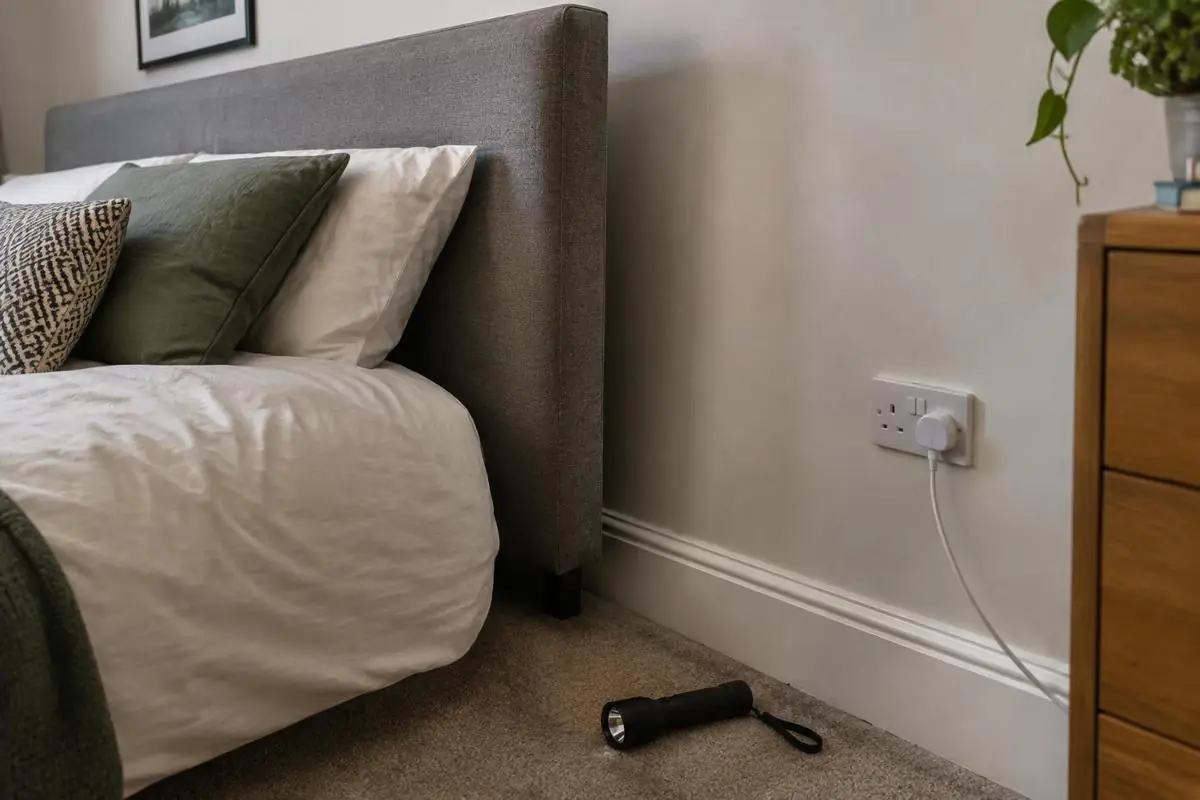
Discovering an insect infestation in your sleeping quarters often leads to a sense of urgency and distress. In the search for a rapid and affordable solution, many residents across England and Wales consider unconventional DIY methods. One of the most common suggestions found in online forums involves using sticky tape or adhesive barriers around furniture and skirting boards to capture pests as they move. While the logic seems sound on the surface, bed bugs are evolutionary specialists that have adapted to survive alongside humans for millennia. This guide examines the limitations of adhesive barriers, the biological resilience of these insects, and why professional heat treatment from Bed Bug Heat Control UK offers a more reliable, chemical-free path to clearing your home.
The Logic Behind Adhesive Barriers
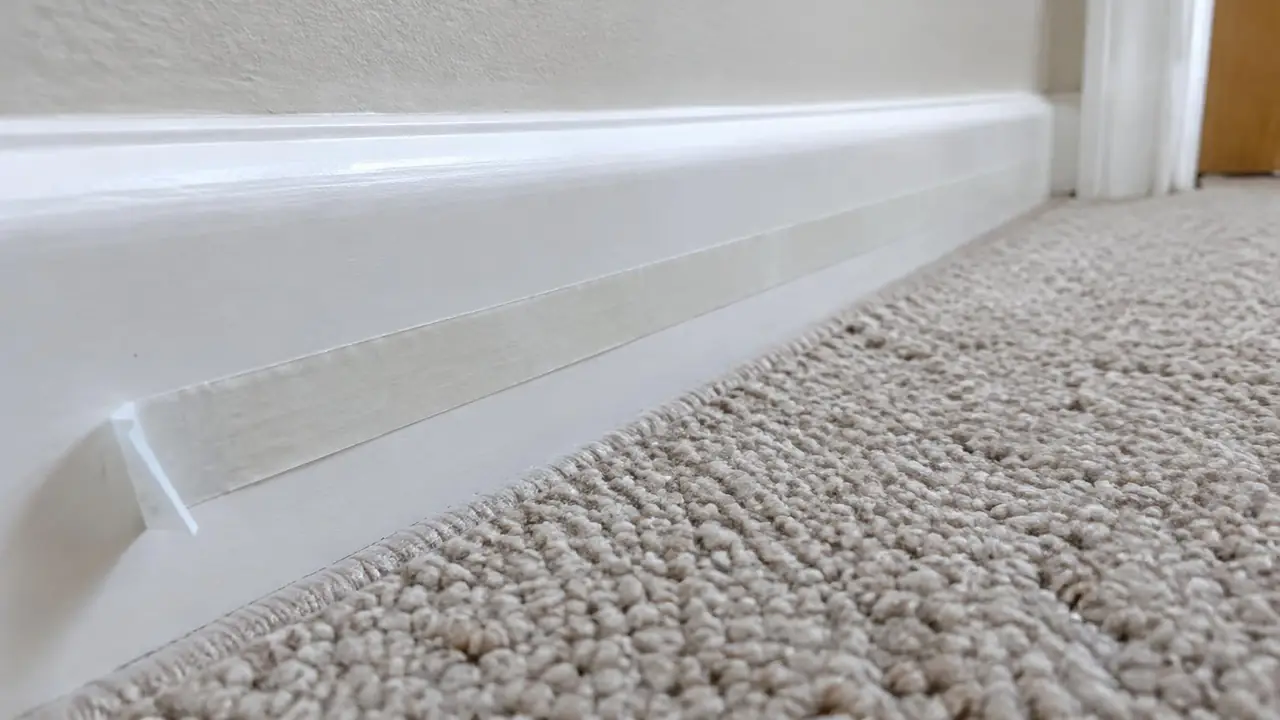
The concept of using sticky tape as a pest control measure is rooted in the idea of physical exclusion. By placing double-sided tape or specialised glue traps around the legs of a bed or along the perimeter of a room, the goal is to create a 'no-go zone' that insects cannot traverse without becoming stuck. For many homeowners, this provides a visual sense of security and a way to monitor whether insects are moving from the floor to the mattress. In theory, if the insect cannot reach its host, it cannot feed, and if it cannot feed, the population will eventually dwindle.
However, this approach ignores several key aspects of bed bug biology. Unlike many other household pests, bed bugs are exceptionally flat and can navigate incredibly narrow crevices. They do not always follow a predictable path across the floor; instead, they often remain hidden within the structural components of the bed frame itself. If the insects are already established in the mattress, headboard, or bed slats, a tape barrier on the floor or skirting board will do nothing to prevent them from reaching a sleeping host during the night.
Furthermore, the efficacy of tape is highly dependent on the surface it is applied to and the environmental conditions of the room. Dust, pet hair, and lint quickly accumulate on adhesive surfaces, creating a bridge that allows insects to walk over the tape without getting caught. In a typical British home, the sheer amount of airborne particulates can render a fresh strip of tape ineffective within just a few days. This necessitates constant maintenance and replacement, which rarely addresses the root of the infestation hidden deep within furniture or walls.
Limitations of Sticky Tape as a Solution
One of the primary reasons sticky tape fails to resolve bed bug issues is that it is a passive monitoring tool rather than an active eradication method. While you might occasionally trap a stray insect, the vast majority of the population remains safely tucked away in cracks, behind electrical sockets, or under wallpaper. Because bed bugs can survive for months without a blood meal, simply blocking their path temporarily does not lead to the collapse of the colony. They are patient pests that can wait out temporary obstacles until the adhesive fails.
Another significant drawback is the potential for property damage. High-tack tapes can pull away paint, varnish, and wood grain from skirting boards and antique furniture when removed. This often leaves behind a sticky residue that attracts dirt and becomes even harder to clean. For those living in rented accommodation, this can lead to disputes over security deposits. When compared to the clean, non-invasive nature of a professional heat treatment, the DIY tape method often results in more aesthetic harm to the property than actual benefit to the pest situation.
Finally, rely on tape can lead to a false sense of security. If a homeowner does not see any bugs on the tape for a few days, they may incorrectly assume the problem is solved. In reality, the insects may simply be feeding less frequently or have found alternative routes, such as climbing walls and dropping from the ceiling. This delay in seeking professional assessment allows the infestation to grow in size and complexity, making the eventual professional intervention more difficult and time-consuming than it would have been at the start.
Understanding Bed Bug Resilience
Bed bugs are notoriously hardy and have developed significant resistance to many traditional chemical treatments over the last few decades. Their exoskeletons are designed to protect them from environmental stressors, and their flat bodies allow them to exert pressure and wiggle out of minor traps. Research into insect behavior suggests that while some may get stuck in high-grade adhesives, many are capable of sensing a change in the surface texture and will simply turn back to find a different route to their target.
The reproductive rate of these pests is another factor that makes DIY tape methods insufficient. A single female can lay hundreds of eggs during her lifespan, and these eggs are often tucked away in protected areas where tape cannot reach. Even if a few adult insects are trapped, the next generation is already developing in the safety of the bed frame or nearby furniture. Without a method that reaches into every void and kills all life stages, including the resilient eggs, the cycle of infestation will inevitably continue.
Unlike chemicals, which bed bugs can sometimes detect and avoid, heat is a physical kill mechanism that no insect can resist. When temperatures are raised to the lethal threshold throughout a room, there is nowhere for the bugs to hide. They cannot develop a biological resistance to heat in the same way they have to common insecticides. This is why professional thermal remediation is considered a gold standard, as it penetrates the very areas where tape and sprays fail to reach, ensuring a comprehensive result.
Continue the topic: Is there anything bed bugs hate? Repellent myths explained
The Importance of Early Professional Assessment
If you suspect the presence of bed bugs, the most effective first step is to seek a professional assessment rather than attempting to manage the situation with household items. Experts at Bed Bug Heat Control UK can identify the specific signs of an infestation that a layperson might miss, such as cast skins, faecal spotting, and tiny eggs. Early detection is vital because it prevents the spread of the insects to other rooms in the house or neighboring properties, which is a common occurrence in terraced homes and flats.
A professional technician can also evaluate the structural layout of the building to determine the best approach for heat treatment. They use specialised equipment, including high-powered heaters and industrial fans, to ensure that the thermal energy is distributed evenly. This process is far more sophisticated than simply placing tape or using a domestic steamer. It involves monitoring temperatures in real-time to ensure that every square inch of the treated area reaches the temperature required to neutralise the pests.
By opting for an assessment early, you avoid the frustration and expense of failed DIY attempts. Many people spend weeks or even months trying different tapes, powders, and sprays, only to find the problem getting worse. A professional intervention provides clarity and a clear plan of action, saving you from the psychological toll of living with an ongoing infestation. Our team is available daily from 7am to 10pm on 0800 274 0156 to discuss your concerns and provide guidance on the next steps.
How Professional Heat Treatment Works
Professional heat treatment, or thermal remediation, involves raising the temperature of an affected room to between 50°C and 60°C. This range is lethal to bed bugs at all stages of their life cycle, including the eggs, which are often the hardest to kill with traditional methods. The process is entirely chemical-free, making it an ideal choice for families with children, pets, or individuals with respiratory sensitivities. It allows the home to be safely inhabited shortly after the treatment is complete and the rooms have cooled down.
The equipment used by Bed Bug Heat Control UK is designed to safely circulate hot air into every corner, including inside wardrobes, behind baseboards, and deep within upholstered furniture. This is a critical advantage over tape, as heat travels through surfaces and into voids where insects naturally congregate. Because bed bugs are attracted to heat as a way of finding a host, they often do not try to flee the area initially, and by the time the temperature reaches lethal levels, they are unable to escape the rising thermal energy.
During the treatment, our technicians use thermal imaging cameras to check surface temperatures across items in the room. This ensures that even the centre of a thick mattress or the interior of a sofa reaches the required heat level. This level of precision is impossible to achieve with DIY methods. Once the target temperature has been maintained for a sufficient duration, the infestation is effectively neutralised, providing a level of thoroughness that adhesive strips could never replicate.
Preparation for Effective Results
To ensure the highest success rate for a heat treatment, a certain level of preparation is required by the resident. This involves removing items that might be sensitive to high temperatures and ensuring that air can circulate freely around the room. We provide a comprehensive guide to help you through this process. It is important to follow the official preparation checklist on our website carefully, as proper site readiness is a significant factor in the overall effectiveness of the thermal process.
Preparation is not just about protecting your belongings; it is also about creating the ideal conditions for the heat to penetrate. For example, reducing clutter allows the hot air to flow more efficiently into the crevices where bed bugs hide. Unlike the application of tape, which is often done haphazardly, the preparation for heat treatment is a structured part of a professional pest control strategy. It ensures that the heat reaches every hidden harbourage, leaving no survivors behind to start a new colony.
We understand that preparing for a treatment can feel overwhelming, but our team is here to support you. By following the designated steps, you are actively contributing to the success of the service. Once the preparation is complete, our technicians handle the heavy lifting, setting up the equipment and monitoring the process from start to finish. This collaborative approach is what allows us to achieve such high-quality results for residents throughout England and Wales.
For a property-specific assessment, see our bed bug heat treatment in Herefordshire. Share your postcode and property details so the team can confirm coverage and availability.
Why Chemicals Are Often Ineffective
Many homeowners who try sticky tape also experiment with over-the-counter chemical sprays. Unfortunately, these products often fall short of expectations. Bed bugs have evolved physiological mechanisms to survive exposure to many common insecticides, such as thickened cuticles and enzymes that break down toxins. This chemical resistance means that even if you spray a bug directly, it might not perish. Furthermore, these sprays can sometimes act as a repellent, causing the insects to scatter and hide deeper in the walls.
In contrast, professional heat treatment is a physical process. There is no biological way for an insect to develop resistance to the breakdown of its cellular proteins caused by heat. This makes thermal remediation a much more robust solution in the long term. It avoids the risks associated with chemical residues in the home, such as potential skin irritation or the lingering smell of pesticides. For those seeking an eco-friendly and health-conscious approach, heat is the most logical choice.
Additionally, many DIY chemical kits do not include the necessary tools to reach the bugs where they actually live. A spray bottle cannot reach the interior of a wall or the deep foam of a mattress. Heat, however, is pervasive. It moves through conduction and convection, ensuring that the thermal energy reaches the pests regardless of how well they are hidden. This comprehensive coverage is the reason why professional heat treatment is the preferred method for high-occupancy buildings like hotels and hostels.
The Hidden Costs of DIY Methods
While a roll of sticky tape or a pack of glue traps might seem like a bargain compared to professional services, the hidden costs can mount up quickly. The time spent applying, monitoring, and replacing tape is time that the infestation is allowed to grow. The psychological stress of continuing to find bites despite your efforts can also be significant. When a DIY method fails, the problem often spreads to other rooms, eventually requiring a larger and more expensive professional intervention than if the issue had been addressed correctly at the start.
There is also the cost of replacing damaged furniture or redecorating rooms where adhesive has ruined the finish. Many people also end up throwing away perfectly good mattresses or sofas in a desperate attempt to get rid of the bugs, which is usually unnecessary if a professional heat treatment is used. Heat can safely treat furniture that would otherwise be destined for the landfill, saving you the expense of buying new household items and the hassle of disposal.
By choosing Bed Bug Heat Control UK, you are investing in a service that addresses the problem at its source. We offer a transparent approach for residential and commercial properties across England and Wales. Our goal is to provide a service that is efficient and effective, minimizing the disruption to your life. When you weigh the potential for ongoing failure and property damage against a professional one-day heat treatment, the value of the expert approach becomes clear.
Related practical reading: Where bed bugs hide beyond the mattress
Professional Technology and Monitoring
The technology used in professional heat treatments is far removed from domestic heating solutions. We use thermal imaging cameras to check surface temperatures in different parts of the room. This information is monitored via advanced systems, allowing our technicians to make adjustments to the airflow and heat output as needed. This ensures that 'cold spots' are eliminated, which is essential because bed bugs will migrate to any area that remains below the lethal temperature threshold.
This level of monitoring is what sets professional services apart from DIY attempts. Using sticky tape provides no data on the extent of the infestation or the success of the control measure. In contrast, thermal remediation gives us a scientific certainty that the conditions required for eradication have been met. Our technicians are trained to interpret this data and ensure that the heat treatment is conducted safely and effectively, protecting your home while eliminating the pests.
Furthermore, our equipment is designed for high-capacity performance, capable of treating large areas in a single session. This is particularly important for commercial clients, such as hotel owners, who need to return rooms to service as quickly as possible. The speed and reliability of our technology mean that you can get back to your normal routine with the peace of mind that the infestation has been addressed by experts using the best tools available in the industry.
Why Choose Bed Bug Heat Control UK?
Bed Bug Heat Control UK is a family-run business with extensive experience in the pest control industry. We specialise specifically in chemical-free heat treatments, providing a safe and effective alternative to traditional methods. Our team covers all of England and Wales, bringing professional-grade thermal remediation to both private homes and commercial properties. We pride ourselves on our discreet and professional service, understanding the sensitive nature of bed bug infestations.
We are available to take your calls every day from 7am to 10pm on our freephone number, 0800 274 0156. Whether you are dealing with a small residential issue or a large-scale commercial problem, we offer the expertise and technology required to resolve the situation. We do not rely on gimmicks like sticky tape; we use proven thermal science to ensure your environment is clear of pests. Our commitment to a chemical-free approach means your home remains a healthy space for you and your family.
Don't let the frustration of an infestation lead you down the path of ineffective DIY solutions. While the idea of a simple fix like sticky tape is appealing, the reality of bed bug control requires a more robust and professional strategy. Contact us today to discuss how our heat treatment services can help you regain control of your home. With our expert team and state-of-the-art equipment, you can move forward with confidence, knowing you have chosen the most effective method for bed bug eradication.
Sources & further guidance
General information, not a diagnosis, medical advice or legal advice. Research and US EPA references provide technical background, not UK law, and do not endorse our company. Your property assessment and the team’s written preparation instructions take priority.