Where bed bugs hide beyond the mattress A mattress check is only one part of understanding a suspected bed bug problem. The NHS lists bedframes, clothing, pictures and loose wallpaper among possible hiding places, so a clean-looking sleeping surface does not settle the question. This guide concentrates on the surrounding furniture: upholstered beds and chairs, frame joints, bedside units and other places that deserve a careful, limited look. The aim is not to dismantle your bedroom or carry everything elsewhere. It is to identify accessible areas of concern, record what you find and recognise when further inspection needs professional help. Bites alone cannot identify bed bugs, and an unexplained mark on furniture is not a diagnosis either. Work from evidence, keep belongings contained and agree a simple household plan before anyone starts moving things.
1. Set the inspection boundary before moving anything
Begin with the bed and the furniture immediately around it, rather than emptying the room. Decide which accessible surfaces you can examine without lifting heavy pieces, disturbing electrical fittings or taking furniture apart. A torch and a way to record observations are more useful at this stage than an ambitious plan to expose every concealed space.
Agree with everyone at home that suspect belongings will not be carried into another bedroom, the lounge or a shared hallway while you investigate. This includes cushions, bedding and objects removed from drawers. Choose a place within the room for anything that must be set down, and avoid creating loose piles that someone else might move.
Make the decision point explicit: if checking an area requires force, awkward lifting or dismantling, stop there and note the limitation. An incomplete but controlled inspection gives a professional useful information. A hurried search that redistributes furniture and belongings can make the situation harder to assess, especially when nobody remembers where each item originally stood before the inspection.
2. Look at upholstered headboards without stripping them
An upholstered headboard deserves attention separately from the mattress. Look along accessible seams, folds, piping and the edges where fabric meets a supporting structure. These are practical places to inspect for visible evidence, not proof that upholstery is affected. Photograph anything questionable in position before handling it, so its location remains clear when you seek advice.
Inspect the rear only if it is already accessible or can be viewed safely without moving a heavy bed. Do not tear off backing fabric, pull out staples or unbolt a wall-mounted headboard simply to complete the check. Record concealed areas instead, including whether the headboard is attached to the frame or fixed separately to the wall.
If you find something suspicious, leave the headboard in the room rather than transferring it to a landing or spare bedroom. Ask an assessor whether its construction warrants closer examination and who should arrange any necessary access. The useful question is not just whether the fabric looks clean, but whether the inspection has covered enough of the item to support a decision.
3. Follow bed-frame joints, not just exposed rails
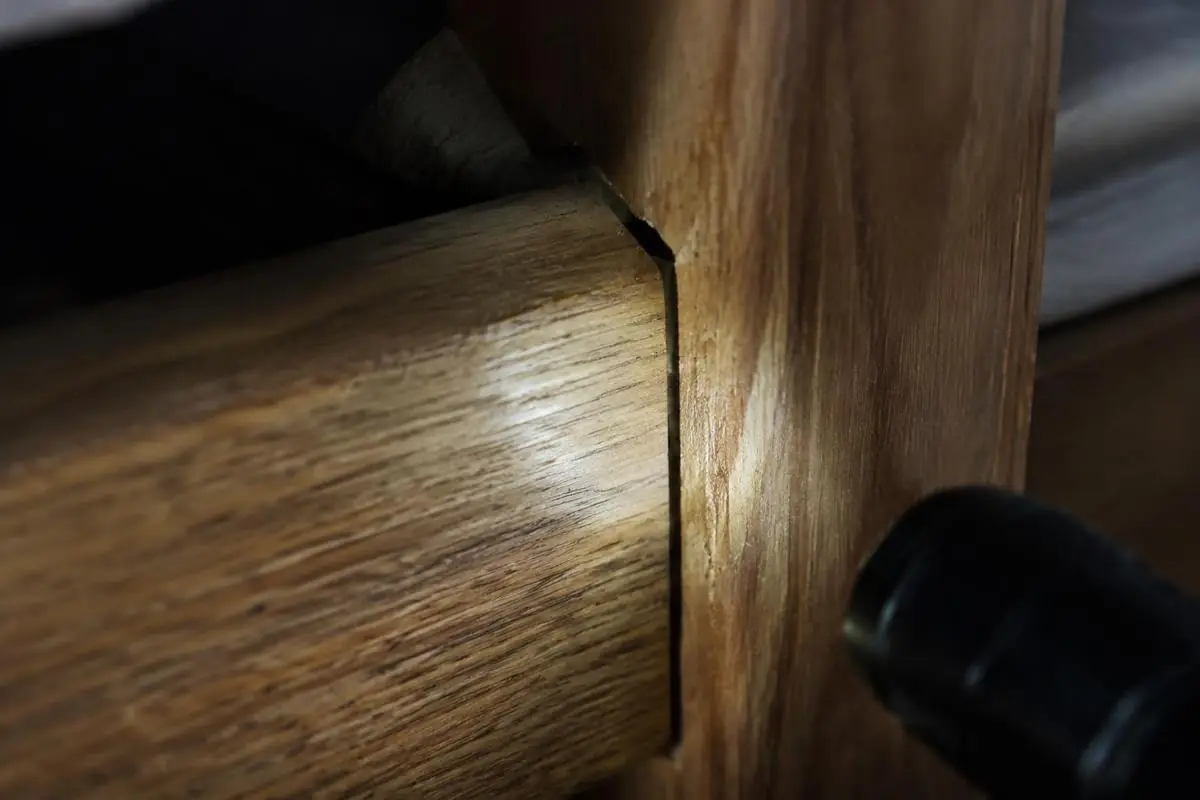
The NHS specifically identifies bedframes as possible hiding places. Give accessible joints, corners and connections a closer look, rather than judging the frame from its broad surfaces alone. Note where the headboard joins the frame and where different parts meet. Keep the inspection visual unless a component is intended to be accessed safely during ordinary use.
For a bed with built-in storage, separate the question of furniture access from the question of its contents. Open only what you can operate safely according to the bed's instructions. Do not crawl beneath an unsupported lifting platform or balance raised sections while inspecting. If contents obstruct the view, record that instead of unloading everything onto another bed.
A visible gap does not establish an infestation, and an inaccessible joint should not become a DIY dismantling project. Tell the assessor what type of frame you have, which areas you checked and which remain hidden. Ask whether access will be needed later and whether anything should remain untouched until then, particularly if the structure is heavy, damaged or difficult to operate.
Continue the topic: Hotel room bed bug checks without the panic
4. Check bedroom chairs and sofas without relocating them
Include upholstered seating in your account of the room, especially where it sits close to the bed or holds bedding and clothes. Examine accessible cushion seams, edges and folds without assuming that every upholstered item is affected. Describe the furniture's position and use when asking for advice; this gives context without turning suspicion into a confirmed finding.
Where cushions are designed to lift off easily, look at the surfaces they normally cover and keep the cushions beside their own chair or sofa. Do not carry them elsewhere for better light. Avoid tipping large seating, reaching into moving mechanisms or removing fixed covers. Hidden undersides and internal spaces can be listed as areas requiring professional judgement.
Finding nothing on the seating does not explain away evidence elsewhere, while finding an uncertain speck does not justify throwing the chair out. Pause and seek identification rather than deciding between those extremes. Ask whether the seating should form part of the assessment, and explain if anyone has already moved cushions or used that chair in another room during the investigation.
5. Inspect bedside furniture without emptying every drawer
Bedside tables, chests and nearby shelving belong on the inspection map, but the task is not a complete room clearance. Look at accessible edges, joins and the furniture surfaces nearest the bed. If a drawer opens normally, inspect what is visible without spreading its contents across the floor or transferring them to storage in a different room.
Keep belongings associated with their original unit while checking. If an item genuinely needs to be moved out of the way, contain it before moving it and label its source. Containment is a precaution against spread, not a treatment or evidence that the contents are affected. Do not mix unchecked bedside belongings with items from other rooms.
Use a clear stopping rule for drawers: if removal is awkward, the unit could become unstable or the contents cannot be handled without dispersing them, leave the next step to advice. Tell the assessor which drawers were opened and whether anything was removed. Ask specifically how to manage the contents rather than assuming every object needs disposal or immediate cleaning.
6. Notice pictures and loose wallpaper without opening walls
The NHS also lists pictures and loose wallpaper as possible hiding places. That makes nearby wall features worth noting, but it does not make stripping wallpaper a sensible first response. Look at accessible edges and record visible concerns. Distinguish between an actual observation and a feature that merely offers a concealed space and has not been inspected.
Do not pull wallpaper away to see how far a gap extends, or remove fixed trim in pursuit of an answer. Similarly, avoid taking down a heavy picture above the bed without appropriate help. A photograph showing the position of the feature can be useful alongside a closer image of any visible evidence you want assessed.
The decision here is whether a feature needs attention during a professional inspection, not whether you can expose every surface yourself. Mention loose wallpaper, fixed panels or inaccessible picture backs when describing the room. Ask what access is genuinely necessary and who should provide it. This keeps a furniture-focused check from becoming unnecessary decorating work that disturbs materials before there is a clear plan.
For a property-specific assessment, see our bed bug heat treatment in Surrey. Share your postcode and property details so the team can confirm coverage and availability.
7. Keep sockets and electrical equipment firmly off limits
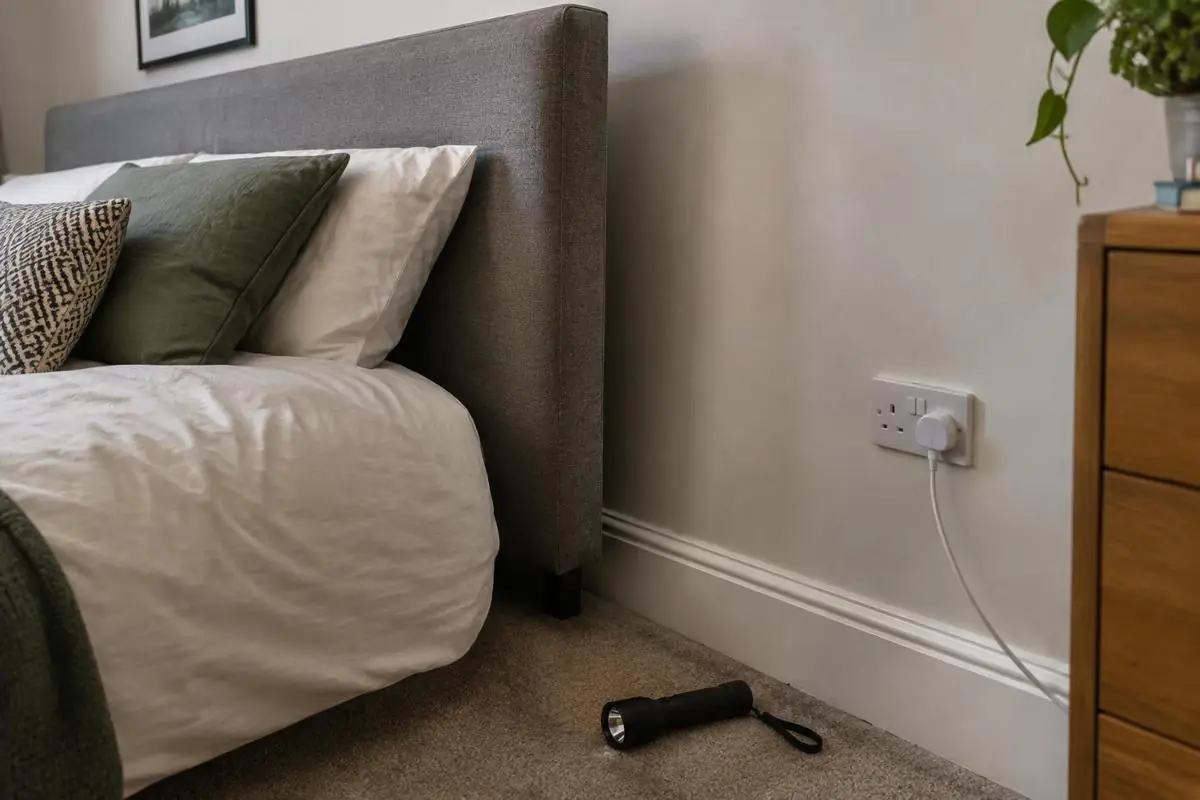
A suspected hiding place near a socket is not permission to open it. Never open live sockets, remove faceplates or insert a tool into an electrical fitting during a bed bug check. Household investigation should remain external and visual. If something concerning is visible nearby, record its location from a safe position without touching the fitting.
Do not spray liquids, apply heat or push cleaning equipment into socket openings, switches or electrical appliances. Unplugging a bedside appliance does not make dismantling it an appropriate inspection step. Leave equipment intact and describe the concern to the assessor. If access to electrical fittings is proposed, ask how electrical safety will be managed by an appropriately qualified person.
Keep this boundary clear for other household members too: no one should try to finish the inspection by undoing covers later. A simple note in your inspection record can say that the area was not opened for safety reasons. That is useful information, not a failed check. Any signs of an electrical fault require appropriate electrical attention, separately from pest identification or treatment decisions.
8. Stop a furniture check becoming room-to-room movement
Before starting, agree that furniture will stay where it is unless there is a clear reason and a safe, advised method for moving it. Do not shift a suspect bedside table into the lounge to create inspection space. Avoid swapping chairs, cushions or storage boxes between rooms while the evidence is still being assessed and its significance remains uncertain.
Use factual language with the household: something needs checking; it has not yet been identified; these items should remain here for now. This is more useful than announcing that every room is affected. Make sure anyone cleaning or tidying knows which belongings have been examined, which remain unchecked and which should not be carried elsewhere without discussion.
If movement has already happened, record the original and current locations rather than repeatedly moving things back. Tell the assessor about the route and destination, without assuming that spread has occurred. Ask whether the receiving room needs assessment. The priority is to stop further unplanned transfers and provide an accurate account, not to blame whoever moved an item before the concern was understood.
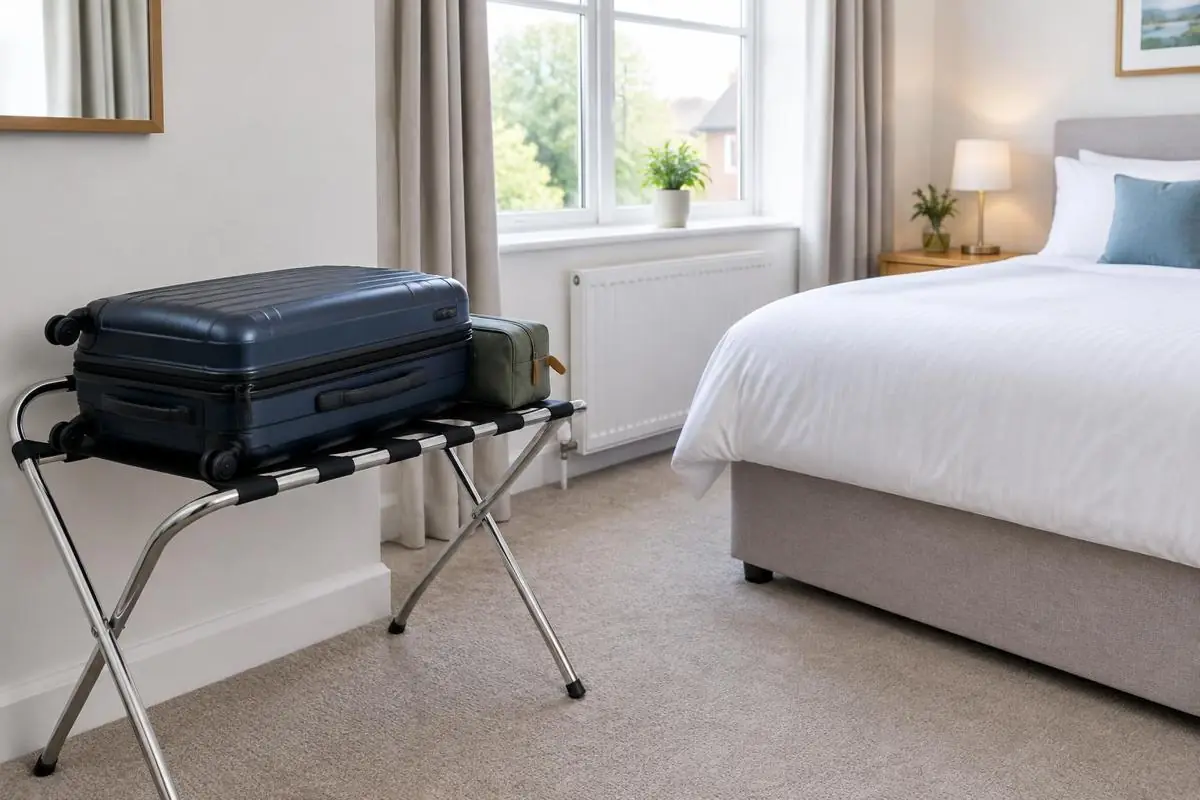
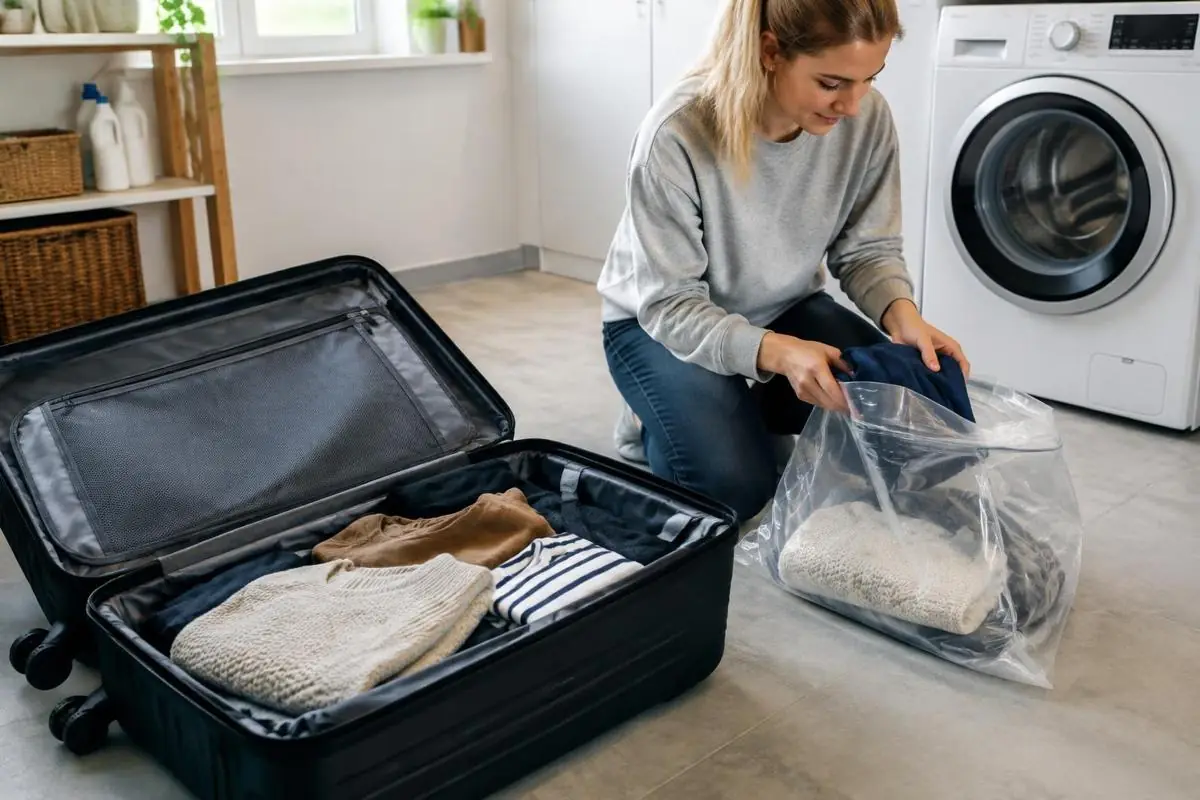
Related practical reading: What to do with luggage after suspected bed bug exposure
9. Turn observations into a usable furniture record
For each item checked, record its name, position, accessible areas examined and any areas you could not reach safely. Keep photographs linked to those notes. A close image may help with identification, while a wider image explains where the finding was made. Avoid labelling an uncertain mark as confirmed bed bug evidence in the record.
The NHS says adults are approximately 5mm long and that bites can be grouped, but bites alone cannot identify bed bugs. Do not let a skin reaction decide which furniture is affected. Keep the inspection focused on what is actually present and ask for assessment when you cannot confidently identify a suspected insect or interpret a finding.
An absence of visible evidence should also be recorded accurately: nothing seen in the areas checked is different from the whole item being cleared. Ask the assessor whether your findings justify further inspection, which furniture matters most and what should remain undisturbed. This produces a practical handover without requiring you to become an identification expert or repeat the same disruptive search each time concern returns.
10. Arrange the next inspection, not an improvised treatment
Once you have checked accessible furniture and documented concerns, stop expanding the search without a reason. Seek advice on identification and the next inspection boundary. Cleaning alone cannot guarantee removal. The EPA's US technical guidance describes control as complex and warns against DIY space-heater treatment; it is technical context, not UK law or a household heating instruction.
If professional heat is discussed, ask how hidden furniture areas will be assessed and temperatures monitored. EPA guidance supports professionally monitored heat and warns that household heating is unreliable. Neither an apparently clear surface nor a treatment label guarantees success. Keep this conversation focused on your furniture, access limitations and evidence rather than trying to choose a remedy before assessment.
For a service enquiry in Surrey, contact Bed Bug Heat Control UK on 0800 274 0156 or info@bedbugheatcontroluk.co.uk, 7am–10pm Monday–Sunday. Have your furniture notes and photographs ready, and mention any movement between rooms. Quotes are property-specific, and an enquiry is not a booking. Your immediate next steps are to keep suspect items in place, preserve the record and obtain clear instructions before moving or dismantling anything.
Sources & further guidance
General information, not a diagnosis, medical advice or legal advice. Research and US EPA references provide technical background, not UK law, and do not endorse our company. Your property assessment and the team’s written preparation instructions take priority.