When faced with the unsettling discovery of bed bugs in a UK home, many residents immediately seek out domestic remedies to deter these nocturnal parasites. The natural impulse is to find a substance or scent that these insects find repulsive, hoping to drive them away from sleeping areas. While there are various household items and essential oils often cited as deterrents, understanding the biological reality of Cimex lectularius is crucial. Bed bugs are remarkably resilient and have evolved over millennia to stay close to their human hosts. This guide explores the substances bed bugs are said to hate, the efficacy of natural repellents, and why thermal eradication remains a preferred method for those seeking a chemical-free solution to infestations in England and Wales.
The Biological Drive Versus Environmental Aversion
To understand what a bed bug truly 'hates', one must first understand what they love: the warmth and carbon dioxide emitted by a resting human. This biological drive is exceptionally powerful, often overriding minor environmental discomforts. While certain scents might be unpleasant to the insect, their need for a blood meal to survive and reproduce usually outweighs their desire to avoid a specific smell. This is why many over-the-counter repellent sprays often fail to provide long-term relief.
In the scientific community, the distinction between a repellent and a lethal agent is important. A substance that a bed bug avoids might simply cause the colony to relocate to another part of the room or an adjacent apartment. This movement can actually complicate professional treatment efforts later on. Rather than eliminating the problem, using 'hated' substances might inadvertently scatter the insects, making the primary nesting sites harder for a technician to identify during a visual assessment.
Furthermore, bed bugs do not have the same olfactory system as humans. What we perceive as a pungent or refreshing aroma might not translate to a meaningful deterrent for an insect hidden deep within a structural crevice. When homeowners apply various oils or powders based on the idea of aversion, they are often treating the surface while the heart of the infestation remains protected behind headboards, under carpets, or inside electrical sockets.
The Role of Essential Oils and Natural Scents
Essential oils like lavender, peppermint, and tea tree are frequently recommended in online forums as natural bed bug deterrents. The theory is that the strong aromatic compounds in these oils interfere with the insect's ability to track human scents. While some laboratory studies have shown that highly concentrated essential oils can kill bed bugs on direct contact, the reality in a domestic setting is quite different. The volatility of these oils means their scent and efficacy dissipate rapidly.
Applying tea tree oil to furniture or bedding might provide a temporary sensory barrier, but it rarely acts as a barrier that a hungry bed bug won't cross. Additionally, there is the risk of staining delicate fabrics or causing skin irritation for the human occupants of the room. Because bed bugs can survive for months without feeding, they can simply wait until the scent of the essential oil has faded before emerging from their hiding spots to feed again.
Lavender is another popular choice, often praised for its calming properties for humans while supposedly being loathed by insects. While it may make a bedroom smell pleasant, there is little empirical evidence to suggest it can manage an established infestation. Relying on these scents can provide a false sense of security, allowing the population to grow larger and more difficult to manage before a professional heat treatment is eventually sought.
Acidity and Kitchen Remedies: Lemon and Vinegar
Lemon juice and white vinegar are common household items that people use in an attempt to repel bed bugs. The high acidity of these liquids is thought to be unpleasant or even harmful to the insect’s exoskeleton. While a direct spray of concentrated vinegar might kill a bed bug by disrupting its pH balance, it has no residual effect. Once the liquid dries, the bed bugs will comfortably walk over the previously treated surface without hesitation.
Using lemon juice can also lead to unintended consequences, such as attracting other pests like ants or fruit flies due to the sugar content, or leaving sticky residues that trap dust and debris. In a professional context, these methods are not considered viable for eradication. They serve more as a localized irritant than a strategic tool for pest management. If a homeowner finds themselves reaching for the lemon juice, it is usually a sign that a more robust assessment is required.
The fundamental issue with kitchen remedies is their inability to reach the hidden voids where bed bugs actually live. Bed bugs spend the vast majority of their time tucked away in cracks narrower than a credit card. A surface spray of vinegar or lemon water will never penetrate these deep harbourages, leaving the reproductive members of the colony entirely unaffected and free to continue the infestation cycle.
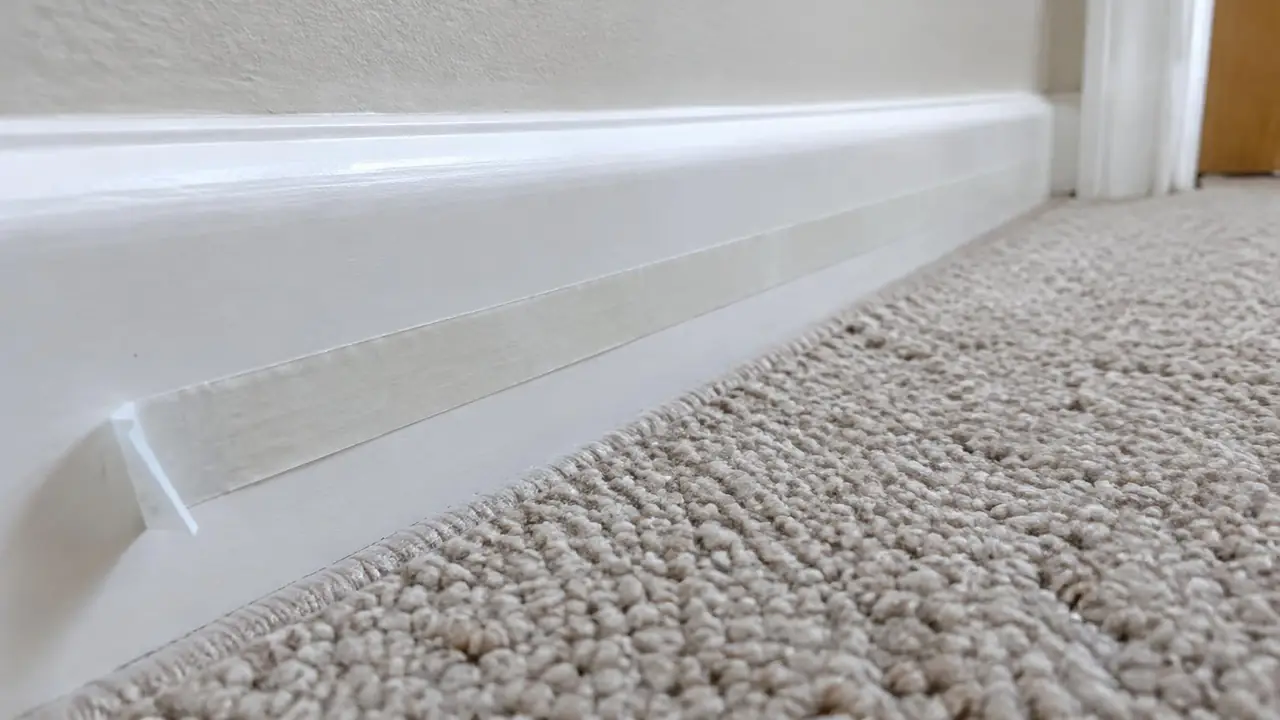
Continue the topic: Does tape on skirting boards stop bed bugs?
Diatomaceous Earth and Desiccants
Diatomaceous earth (DE) is a powder made from the fossilised remains of tiny aquatic organisms called diatoms. It is often cited as something bed bugs 'hate' because it acts as a desiccant, scratching their waxy outer shells and causing them to dehydrate. Unlike chemical sprays, DE works mechanically. However, its effectiveness is often compromised by improper application. Many people apply thick piles of the powder, which bed bugs will simply walk around.
To be effective, DE must be applied in a very fine, almost invisible layer. Even then, it is not an instant solution; it can take several days for an insect to die after contact. Furthermore, there are health considerations regarding the inhalation of fine particulates in sleeping areas. While bed bugs may not 'like' crossing a barrier of DE, it does not address the eggs, which are unaffected by desiccants until they hatch and begin moving.
In many cases, the use of powders can make a professional heat treatment more difficult. Excess dust can interfere with the movement of hot air and may need to be cleaned up before a thermal technician begins their work. It is always advisable to consult with a specialist before applying any powders to ensure they do not conflict with a comprehensive chemical-free eradication plan.
The Impact of Rubbing Alcohol
Isopropyl alcohol, or rubbing alcohol, is perhaps the most well-known substance for killing bed bugs on contact. It works by dissolving the insect's outer cells and drying them out instantly. Because of this, many believe that spraying alcohol around the bed will keep the pests away. However, alcohol is highly flammable and poses a significant fire risk when sprayed liberally in a bedroom environment, especially near electrical outlets or bedding.
While a bed bug might 'hate' being sprayed with alcohol, the substance evaporates almost immediately. It provides zero residual protection. An hour after spraying, a bed bug can walk across the same spot without any ill effects. This makes it an inefficient tool for controlling a population that is largely hidden from view. The danger of using such a volatile substance often far outweighs the minimal impact it has on the overall infestation.
Furthermore, frequent use of alcohol can damage furniture finishes and fabrics. It is a reactive measure rather than a preventative one. For residents in England and Wales, relying on alcohol sprays often leads to frustration as the biting continues despite the effort. Professional heat treatments offer a safer and more thorough alternative, reaching the temperatures necessary to neutralize the insects without the risks associated with flammable liquids.
Spices and Peppers in Pest Control
The use of cayenne pepper or black pepper is another myth in the realm of DIY bed bug control. The idea is that the capsaicin or the strong aroma will irritate the bed bugs' sensors and drive them out of the room. In practice, this is largely ineffective. Bed bugs do not have the same pain receptors for spicy compounds that mammals do, and there is no evidence that pepper acts as a meaningful barrier to a hungry insect.
Spreading spices around a bedroom can be messy and can cause respiratory irritation for the human occupants or pets. It does not address the root of the problem, which is the reproductive cycle of the bugs hidden within the bed frame or walls. Bed bugs are capable of navigating through very difficult environments to reach their host, and a sprinkling of pepper is unlikely to deter them for long.
When homeowners experiment with spices, they often delay the necessary professional intervention. This delay allows the bed bugs to lay more eggs, potentially spreading the infestation to other rooms in the house or even to neighbouring properties. A professional assessment can determine the true extent of the problem, moving beyond folklore and into evidence-based eradication strategies.
For a property-specific assessment, see our bed bug heat treatment in Lincolnshire. Share your postcode and property details so the team can confirm coverage and availability.
Why Bed Bugs Truly Hate Heat
If there is one thing that bed bugs objectively cannot survive, it is extreme heat. Unlike scents or powders, which the insects might avoid or resist, thermal energy is inescapable when applied correctly. Bed bugs are cold-blooded, and their internal proteins begin to break down once they reach specific high temperatures. This applies to every stage of their life cycle, including the resilient eggs that many other treatments miss.
Professional heat treatment involves raising the temperature of a room to a level that is lethal to bed bugs but safe for the structure and most household items. Using specialized heaters and high-volume fans, the warm air is circulated into every corner, including inside mattresses, behind skirting boards, and within wall voids. This method ensures that there is nowhere for the insects to hide, as the heat penetrates their deepest harbourages.
The efficiency of heat lies in its ability to provide a comprehensive solution in a single visit. Because bed bugs have developed resistance to many traditional chemical treatments, heat has become a primary choice for chemical-free eradication. It doesn't rely on the insect's 'dislike' of a substance; it relies on a biological limit that the insect cannot evolve past. This makes it a highly effective option for properties across England and Wales.
Preparing for Professional Heat Treatment
To ensure the success of a thermal treatment, proper preparation is essential. The process is a partnership between the homeowner and the technician. While heat is a powerful tool, its effectiveness depends on the air being able to circulate freely throughout the treated area. This means that clutter must be managed and certain items must be handled with care to ensure they are not damaged by the elevated temperatures.
Instead of attempting to use repellents or DIY sprays, homeowners should focus their energy on following the official preparation guidelines provided by their service provider. These steps are designed to maximize the reach of the heat and ensure that no 'cool spots' remain where an insect could potentially survive. A well-prepared room allows the heat to do its job quickly and thoroughly.
For those working with Bed Bug Heat Control UK, a detailed preparation checklist is available on our website. Following this list is the most important step a customer can take to help resolve their infestation. It covers everything from clothing management to the protection of sensitive electronics, ensuring that the treatment is both safe and effective for the entire household.
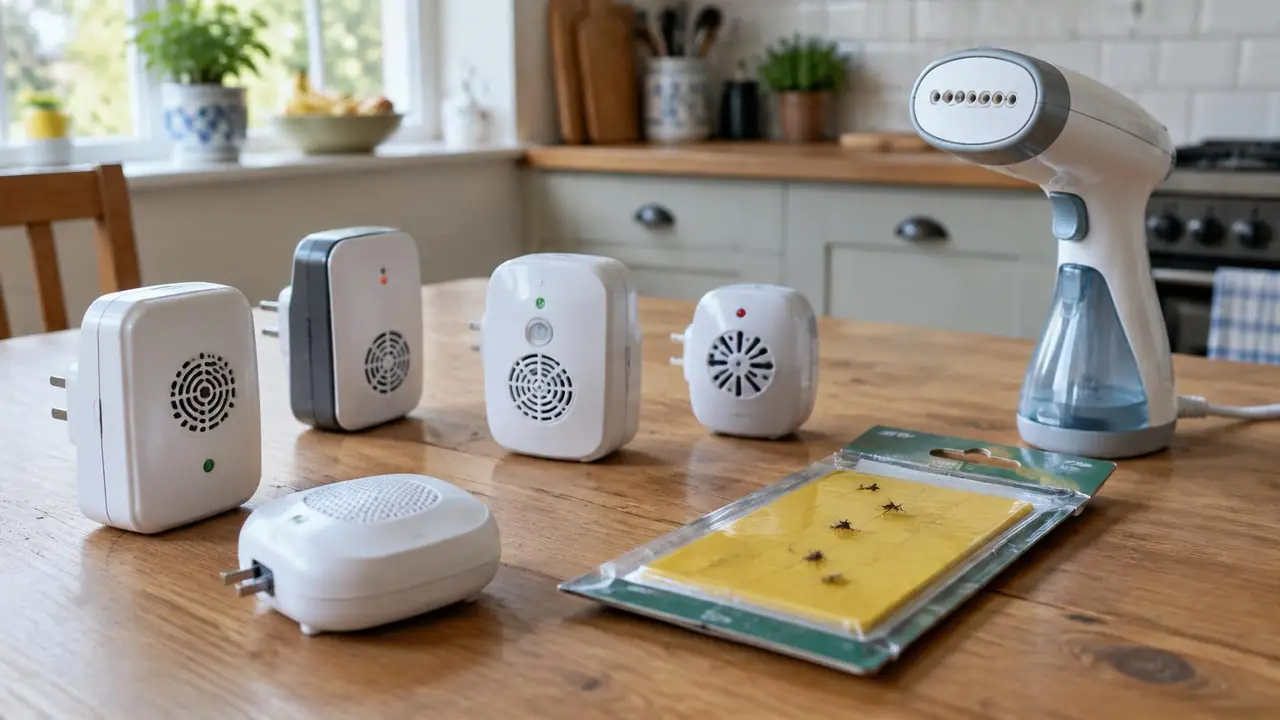
Related practical reading: DIY bed bug gadgets: do any of them actually help?
The Problem with 'Repelling' Pests
The concept of 'repelling' bed bugs is fundamentally flawed because it assumes the insects have somewhere else to go. In a domestic setting, repelling them from the bed usually just pushes them into the sofa, the curtains, or the cracks in the floorboards. They remain in the home, waiting for the repellent to lose its potency. True eradication means removing the population, not just moving it.
Many people find that after using 'natural' repellents, they start getting bitten in different rooms or at different times of the day. This is a sign that the bed bugs have been disturbed and are searching for new, untreated areas to hide and feed. This 'budding' of the colony can make the eventual professional treatment more complex, as the insects are no longer concentrated in one primary location.
Choosing a chemical-free, heat-based approach avoids the pitfalls of repellents. Rather than trying to make the bed bug 'hate' its environment, heat changes the environment into one where the bug cannot exist. This proactive stance is much more effective than the reactive use of oils, juices, or spices, providing a clearer path to a bed-bug-free home.
Seeking a Professional Assessment
If you suspect you have bed bugs, the most effective first step is to seek a professional assessment. Identifying these pests can be difficult, as they are experts at hiding and their bites can be confused with those of other insects or skin conditions. A trained technician can look for the subtle signs of an infestation, such as cast skins, faecal spotting, and eggs, providing a clear diagnosis.
Professional services like Bed Bug Heat Control UK offer expert advice and treatment across England and Wales. We operate from 7am to 10pm daily, providing flexibility for busy households. By choosing a specialist who understands the unique challenges of bed bug biology, you can move away from unreliable home remedies and toward a proven thermal solution.
If you are concerned about bed bugs, do not wait for the problem to escalate while trying various substances they might 'hate'. Contact us on our freephone number, 0800 274 0156, for a professional consultation. We focus on chemical-free heat treatments that address the problem at its source, helping you reclaim your home and your peace of mind.
Sources & further guidance
General information, not a diagnosis, medical advice or legal advice. Research and US EPA references provide technical background, not UK law, and do not endorse our company. Your property assessment and the team’s written preparation instructions take priority.