When facing a bed bug infestation in England or Wales, the natural instinct for many homeowners is to attempt to outsmart these elusive pests. Bed bugs are nocturnal, cryptic, and notoriously difficult to spot during the daylight hours, leading many to wonder if they can be actively drawn out of their hiding spots using lures. While there are various methods involving carbon dioxide, heat, and chemical pheromones designed to mimic a human host, understanding the science behind these attractants is crucial. At Bed Bug Heat Control UK, we recognise that while 'tricking' a bed bug might help with identification, it rarely addresses the root of a widespread infestation. This guide explores the mechanisms of bed bug lures and the realities of using them as part of a wider management strategy.
The Science of Bed Bug Attraction
Bed bugs have evolved sophisticated sensory organs to locate their blood meals with high precision. Their primary method of navigation involves thermotaxis and chemotaxis, which means they are attracted to heat and specific chemical signatures emitted by living organisms. The most significant of these is carbon dioxide (CO2), which humans exhale in concentrated plumes during sleep. Bed bugs can detect minute changes in CO2 levels from several metres away, using it as a signal that a host is nearby and ready to be fed upon.
In addition to respiratory gases, these insects are drawn to kairomones, which are chemical signals such as lactic acid and other skin odours. They also respond to body heat, though this is generally a short-range attractant used once the bug is within close proximity of the host. Understanding these biological triggers is the foundation for almost every trap or lure currently available on the market, as manufacturers attempt to replicate the 'signature' of a sleeping human to draw the insects out of their harbourage.
It is important to note that while these attractants are powerful, they compete with the presence of a real human. If a person is sleeping in a bed, a DIY trap or a small electronic monitor may not be sufficient to distract the insects from the much larger and more complex chemical profile of a living host. This is why lures are often most effective in unoccupied rooms or when used as a monitoring tool rather than a primary method of eradication.
DIY Carbon Dioxide Traps: How They Work
One common DIY method involves creating a fermentation-based CO2 generator using household items. By mixing yeast, sugar, and warm water in a plastic bottle, a chemical reaction occurs that slowly releases carbon dioxide over several hours. The theory is that bed bugs, sensing the gas, will crawl toward the bottle. If the exterior of the container is textured—perhaps with masking tape or paper towels—the insects can climb up and eventually fall into a collection chamber from which they cannot escape.
While this method is based on sound entomological principles, its practical application is often limited. The amount of CO2 produced by a small yeast culture is significantly lower than that produced by a resting adult human. Furthermore, the concentration of the gas may not remain consistent throughout the night, potentially failing to lure bugs that are deep within crevices. While it might capture a few specimens, confirming their presence, it is unlikely to significantly reduce the overall population of a colony.
Moreover, DIY traps do not address the issue of eggs. Bed bug eggs are stationary and do not respond to lures, meaning that even if every mobile adult were somehow 'tricked' into a trap, a new generation would hatch shortly after. For residents in England and Wales, these traps should be viewed as a basic diagnostic tool rather than a solution. If you suspect an infestation, a professional assessment is always recommended to determine the true scale of the problem.
The Role of Pheromone Lures in Detection
Pheromones are another tool used to influence bed bug behaviour. In the wild, bed bugs use aggregation pheromones to signal to others that a particular crevice or fold in a mattress is a safe place to hide. Synthetic versions of these chemicals are often used in commercial traps to encourage bed bugs to enter a specific area. Unlike CO2, which acts as a 'hunger' signal, aggregation pheromones appeal to the insect's need for harbourage and safety.
Some advanced monitoring systems combine pheromones with heat and CO2 to create a multi-sensory lure. These are often used by professionals to confirm the success of a treatment or to monitor for new activity in high-risk environments like hotels or hostels. However, the effectiveness of these pheromones can vary depending on the environment and the specific species of bed bug present. They are designed to be highly targeted, but they do not act as a 'magnet' that can pull insects through walls or from long distances.
Relying solely on pheromone traps can lead to a false sense of security. If a trap remains empty, it does not necessarily mean the room is clear; it may simply mean the bugs are not currently in a mobile phase or that the lure is not competing effectively with other biological signals. At Bed Bug Heat Control UK, we suggest using the official preparation checklist on our website before any professional intervention to ensure the environment is optimal for both monitoring and treatment.
Continue the topic: Where bed bugs hide beyond the mattress
Interceptors and Passive Pitfall Traps
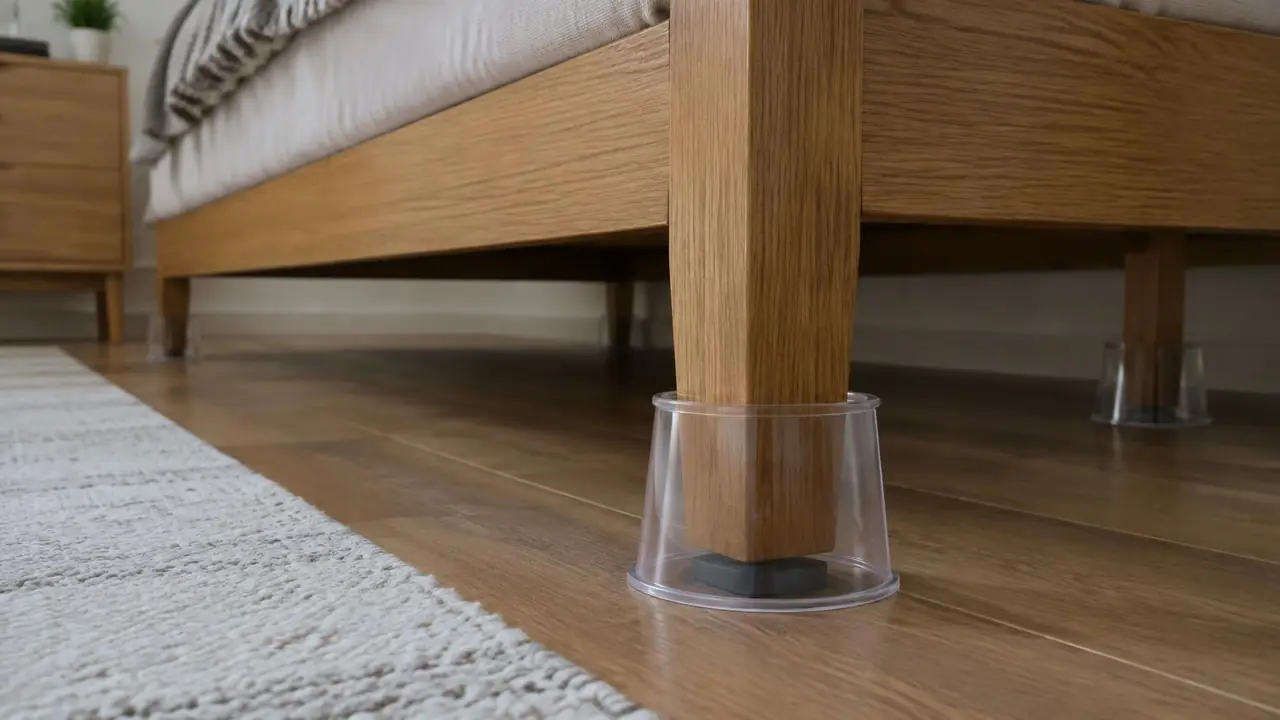
Interceptor traps are a passive form of 'tricking' bed bugs that rely on the insect's movement patterns rather than active lures. These are typically small plastic wells placed under the feet of beds or sofas. The outer surface is textured to allow the bugs to climb in, while the inner well is polished and smooth, often coated with a fine dusting of talc to prevent the insects from climbing back out. As the bugs attempt to reach the host in the bed, they become trapped in the well.
These devices are excellent for monitoring because they catch bed bugs moving both toward and away from the bed. By checking the interceptors regularly, a homeowner can identify which furniture items are infested and track the direction of travel. However, like other trapping methods, interceptors are not a standalone cure. They only catch insects that happen to cross the specific path of the furniture legs, leaving those hidden in headboards, curtains, or skirting boards untouched.
Interceptors are most effective when the bed is 'islanded'—meaning it does not touch the walls and all bedding is tucked up so it doesn't reach the floor. Even with these precautions, bed bugs can still reach a host by dropping from the ceiling or crawling across other connected surfaces. While they are a valuable component of an integrated pest management plan, they should be used in conjunction with more robust methods like professional heat treatment.
Electronic Monitoring and Active Lures
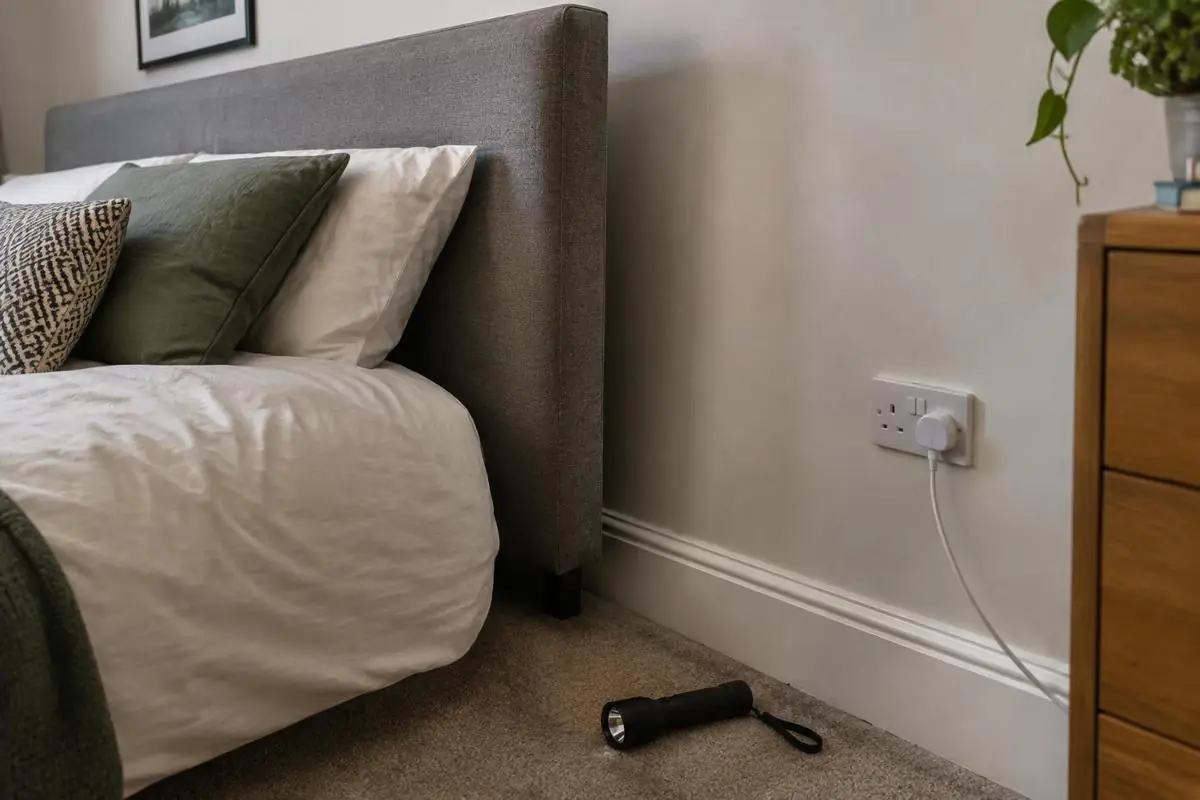
In recent years, electronic monitors have become available for both commercial and residential use. These devices are designed to mimic the heat and gas output of a human body more accurately than DIY yeast bottles. Some models plug into a wall socket and use a heating element to reach temperatures that bed bugs associate with a warm-blooded host. These are often left in a room for several nights to gather data on the level of activity.
The advantage of electronic monitors is their consistency. They do not rely on a chemical reaction that fades over time, and they can be programmed to activate during the hours when bed bugs are most active. For businesses in the hospitality sector across England and Wales, these can be a proactive way to detect issues before guests report them. However, for a private home, the cost of these devices can be high relative to their limited role in total eradication.
It is also worth noting that some bed bugs may show 'lure fatigue' or simply not be in a state where they are searching for a host. If a bed bug has recently fed, it may remain in a deep state of harbourage for several days, ignoring any lures or traps placed in the room. This biological reality is why professional heat treatment is often preferred, as it does not rely on the insect's cooperation or hunger to be effective.
Why 'Tricking' Them Often Fails as a Solution
The primary reason that lures and traps often fail to solve an infestation is the sheer resilience and reproductive rate of the Cimex lectularius. A single female can lay hundreds of eggs in her lifetime, and these eggs are tucked away in microscopic cracks where lures have no influence. Even if a trap captures fifty adult bugs, there could be hundreds more in various life stages hidden within the structure of the building or inside electrical fittings.
Furthermore, bed bugs have developed behavioural and physiological resistances to many common deterrents. If a DIY trap is poorly constructed or uses the wrong concentration of attractants, it may even act as a repellent or cause the colony to scatter further into the property. This 'budding' effect can make a localised problem much harder to treat by spreading the insects into adjacent rooms or even neighbouring properties through wall voids.
Attempting to lure bugs out can also delay the implementation of truly effective measures. Every week spent experimenting with sugar, yeast, or glue traps is a week where the population continues to grow. We advise against relying on these methods for anything other than basic confirmation of a suspected problem. If you find a bug in a trap, the next step should always be to consult with a specialist who can provide a comprehensive treatment plan.
For a property-specific assessment, see our bed bug heat treatment in Derbyshire. Share your postcode and property details so the team can confirm coverage and availability.
The Limitations of Glue Traps and Tapes
Glue traps are frequently marketed as an easy way to catch and kill bed bugs. These consist of a cardboard or plastic base with a sticky adhesive layer. While they are effective for catching cockroaches or spiders, bed bugs are often able to detect the adhesive or simply avoid the flat, open surfaces where these traps are typically placed. Bed bugs prefer to travel along edges and within tight spaces, meaning a glue trap in the middle of a floor is often ignored.
Some people attempt to use double-sided tape around bed frames or skirting boards as a DIY barrier. While this might occasionally snag a stray insect, it is rarely a reliable defence. Dust and lint quickly coat the tape, rendering it non-sticky within a matter of hours. Furthermore, bed bugs are incredibly lightweight and can sometimes navigate across sticky surfaces that would trap larger insects, or they may simply find a gap in the tape to bypass the barrier entirely.
Using tape or glue can also make professional inspection more difficult. It can damage furniture finishes and leave residues that interfere with other treatment methods. Instead of creating sticky barriers, focusing on reducing clutter and following a professional preparation checklist is a far more productive use of time. If you are concerned about bugs moving between rooms, a professional assessment can identify the actual pathways they are using.
Using Heat to Draw Bugs Out
Heat is a unique attractant because, unlike CO2 or pheromones, it can also be the tool for destruction. Some people try to use hairdryers or small space heaters to 'flush' bed bugs out of cracks. While the sudden increase in temperature may cause them to scurry out of a crevice, this is often counterproductive. The bugs will simply run to the nearest cool spot, which might be even deeper into a wall or under floorboards, making them harder to reach later.
Professional heat treatment operates on a completely different scale. Rather than using a small heat source to lure or flush the bugs, we raise the temperature of the entire room to a level that is lethal to all life stages of the bed bug, including the eggs. This eliminates the need to 'trick' the insects into coming out; wherever they are hiding, the heat will penetrate and reach them. This is the only chemical-free method that addresses the population in its entirety in a single session.
For those in England and Wales, understanding this difference is key. A DIY attempt to use heat as a lure is likely to spread the infestation, whereas a controlled, professional heat treatment provides a uniform environment that leaves the insects with no place to escape. If you are considering how to use heat, it is vital to avoid localized heating and instead look at a holistic, room-wide approach managed by experts with the correct monitoring equipment.
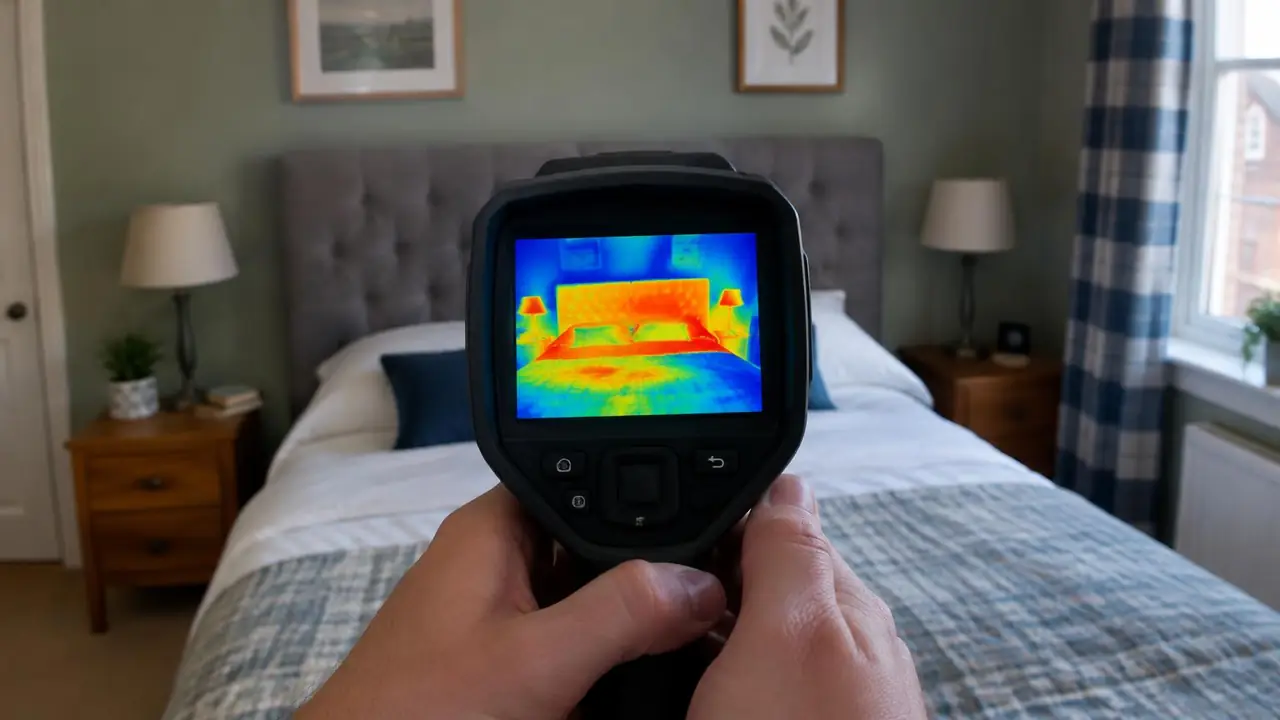
Related practical reading: Can thermal imaging cameras find bed bugs?
The Importance of Professional Preparation
Regardless of whether you use traps or lures for monitoring, the success of any professional intervention depends heavily on the environment. One of the most common mistakes is moving items between rooms in an attempt to find the bugs, which only serves to spread the infestation. Before any treatment or high-level assessment, it is essential to follow a structured approach to the living space.
We strongly recommend that all clients refer to the official preparation checklist available on the Bed Bug Heat Control UK website. This guide provides clear instructions on how to handle laundry, clutter, and sensitive items without accidentally relocating the pests. Proper preparation ensures that if lures are used, they are not obstructed, and if heat treatment is applied, the air can circulate freely into every potential hiding spot.
A well-prepared room also makes it much easier to spot the signs of bed bugs, such as cast skins or faecal spotting, which are often more reliable indicators than the bugs themselves. By following a professional protocol, you move away from the 'hit and miss' nature of DIY trapping and toward a systematic eradication process. Preparation is the bridge between confirming you have a problem and actually solving it.
Conclusion: Monitoring vs. Eradication
In summary, while it is possible to 'trick' bed bugs into coming out using CO2, heat, and pheromones, these techniques are primarily useful for detection rather than control. A DIY trap may confirm your suspicions, but it lacks the reach and power to eliminate a colony. The biological complexity of bed bugs, combined with their ability to hide in inaccessible areas, means that a few captured insects are usually just the tip of the iceberg.
For residents and businesses across England and Wales, the goal should be total eradication. Bed Bug Heat Control UK provides a professional, chemical-free heat treatment service that addresses the limitations of traps. By using state-of-the-art technology to monitor and maintain lethal temperatures throughout a property, we ensure that no bug—no matter how well hidden—can survive. This approach removes the need for guesswork and the frustration of ineffective DIY lures.
If you are currently struggling with an infestation or are unsure if your DIY traps have worked, we invite you to contact us for a professional assessment. Our team is available daily from 7am to 10pm on freephone 0800 274 0156. Don't waste time trying to outsmart a pest that has spent millions of years evolving to survive; let the experts provide the comprehensive solution you need to reclaim your home.
Sources & further guidance
General information, not a diagnosis, medical advice or legal advice. Research and US EPA references provide technical background, not UK law, and do not endorse our company. Your property assessment and the team’s written preparation instructions take priority.