A common question for anyone facing the sudden arrival of biting insects is whether the problem will eventually resolve itself. Many people hope that by ignoring the issue, moving to a different room, or waiting for a change in season, the pests might simply move on or die out. Unfortunately, biological reality dictates otherwise. Bed bugs are highly specialised parasites that have evolved specifically to coexist with humans within indoor environments. Unlike other household pests that might wander in from the garden and leave if conditions become unfavourable, bed bugs find everything they need for survival inside our homes. Understanding why these resilient insects persist is the first step toward reclaiming your property through professional intervention and effective thermal control methods.
The Biological Imperative for Staying
Bed bugs are not accidental visitors in our homes; they are obligate haematophages, meaning they rely entirely on blood for sustenance. Unlike mosquitoes or fleas, which may have alternative hosts or outdoor life stages, the common bed bug (Cimex lectularius) has adapted almost exclusively to living alongside human beings. As long as a property is occupied, these insects have a consistent food source, providing them with no biological motivation to migrate elsewhere.
The internal environment of a modern home, typically maintained at temperatures between 18°C and 24°C, is ideal for their reproductive cycle. In these stable conditions, a single female can produce hundreds of eggs during her lifespan. Because they do not require moisture beyond their blood meals and thrive in the dry, sheltered crevices of a bedroom, there is no environmental pressure that would cause a colony to naturally decline or relocate.
Waiting for an infestation to 'starve out' is also an ineffective strategy. Research indicates that adult bed bugs can enter a state of semi-dormancy when food is scarce. Depending on the ambient temperature and the life stage of the insect, they can survive for several months without a single meal. Consequently, leaving a room vacant for a few weeks rarely solves the underlying issue; the insects simply wait for a host to return.
The Risk of Infestation Expansion
One of the primary dangers of delaying professional treatment is the rapid expansion of the colony. What begins as a localised problem in a single mattress seam can quickly spread throughout an entire property. As the population grows, competition for hiding spots increases, prompting pregnant females to seek harborage in other rooms, such as lounges, spare bedrooms, or even adjacent apartments in multi-occupancy buildings.
This movement is often exacerbated by well-meaning but ineffective DIY attempts. Using over-the-counter bug bombs or repellent sprays can often cause a 'scatter' effect. Instead of eradicating the colony, these chemicals may drive the insects deeper into wall voids, electrical sockets, or behind skirting boards. This makes the eventual professional eradication more complex as the insects have been dispersed across a wider area.
Furthermore, bed bugs are excellent hitchhikers. The longer an infestation remains active, the higher the probability that insects will be transported to other locations via clothing, handbags, or luggage. This not only risks spreading the problem to friends and family but also increases the likelihood of re-introducing the pests to your own home even if you eventually manage to clear one specific area.
Why Seasonality Does Not Help
There is a common misconception that bed bugs are a seasonal problem that will die off during a cold British winter. While it is true that extreme cold can kill bed bugs, the temperatures required are far lower than those found inside a heated home. Even in an unheated room, the insulation provided by carpets, furniture, and building materials usually keeps the insects safe from lethal frost.
In fact, modern central heating ensures that bed bugs remain active all year round. In summer, higher temperatures can actually accelerate their metabolism and reproductive rate, leading to faster population growth. In winter, they may slow down slightly, but they do not hibernate in the traditional sense. They continue to feed and breed as long as a host is present and the indoor climate remains habitable.
Relying on the weather to solve an infestation is therefore a futile strategy. Because these insects spend their entire lives indoors, they are shielded from the environmental shifts that naturally control outdoor insect populations. Professional intervention remains the only consistent way to disrupt their life cycle regardless of the time of year or the outside temperature.
Continue the topic: How long can bed bugs survive without feeding?
The Limitation of Discarding Furniture
When faced with a severe infestation, many homeowners feel the urge to immediately throw away their mattress, bed frame, or sofa. While this may remove a large portion of the visible population, it rarely eliminates the infestation entirely. Bed bugs are not confined to the bed itself; they are frequently found in carpet edges, behind picture frames, and within the cracks of bedside furniture.
Discarding furniture can also be counterproductive and expensive. Moving infested items through the house can drop eggs or live insects into hallways and other rooms, inadvertently spreading the problem. Furthermore, if a new mattress is brought into an infested room before the environment has been professionally treated, the new item will likely become infested within a matter of days.
Rather than disposing of expensive belongings, professional heat treatment offers a way to sanitise these items in situ. High temperatures penetrate deep into the materials, reaching the insects where they hide. We recommend that customers consult with a professional to assess the situation before deciding to throw away any furniture, as most items can be successfully salvaged through proper thermal application.
Searching for Signs of Activity
Conducting a thorough visual inspection is an important first step in confirming an infestation. Homeowners should look for small dark spots of excrement on bedding, tiny translucent eggshells, and the shed skins of developing nymphs. While live insects are the most definitive proof, they are notoriously difficult to spot during the day due to their nocturnal habits and ability to hide in paper-thin gaps.
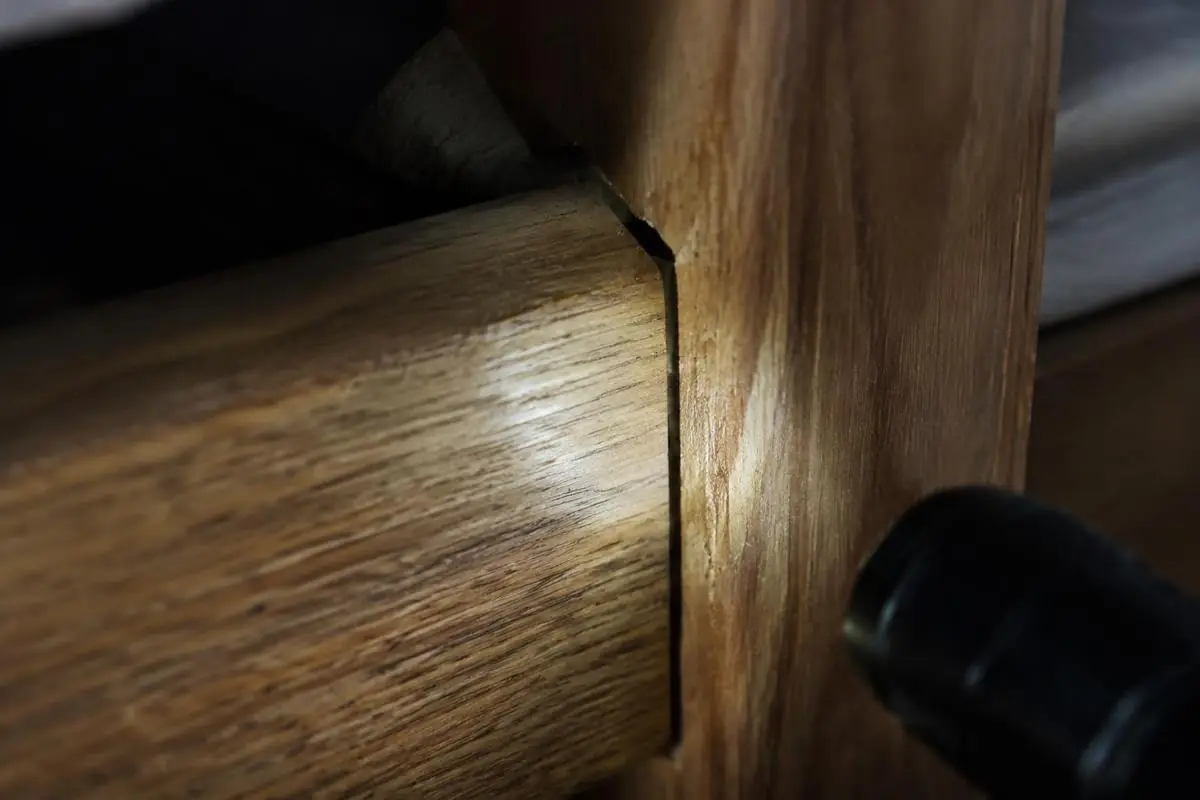
Focus your search on the 'primary zone', which includes the piping of the mattress, the joints of the bed frame, and the area behind the headboard. Using a bright torch and a thin object like a credit card to check inside crevices can sometimes dislodge hiding insects. However, a lack of visible sightings does not necessarily mean the room is clear, as bed bugs can remain hidden for long periods.
If you suspect an infestation but cannot find definitive proof, a professional assessment is highly recommended. Technicians have the experience to identify subtle signs that a layperson might miss. Early detection is vital for preventing a minor issue from turning into a widespread domestic crisis that requires more extensive remediation efforts.
The Rise of Chemical Resistance
In recent decades, bed bugs have developed significant resistance to many of the traditional insecticides used by both consumers and some pest control operators. Scientific studies have shown that certain populations possess thicker cuticles or metabolic enzymes that neutralise the effects of pyrethroids, the most common class of chemicals used in sprays.
This resistance means that even if a spray kills some insects on contact, it may fail to eliminate the eggs or the more resilient members of the colony. Furthermore, the repellent nature of some chemicals can drive the survivors into deeper recesses of the building structure, making them even harder to reach with future liquid applications. This often leads to a cycle of repeated treatments with diminishing returns.
Because of these biological defences, relying solely on chemicals is increasingly viewed as an outdated approach in the industry. Thermal remediation bypasses the issue of chemical resistance entirely. No insect, regardless of its genetic makeup or resistance to toxins, can survive exposure to the high temperatures utilised during a professional heat treatment process.
For a property-specific assessment, see our bed bug heat treatment in Lancashire. Share your postcode and property details so the team can confirm coverage and availability.
How Professional Heat Treatment Works
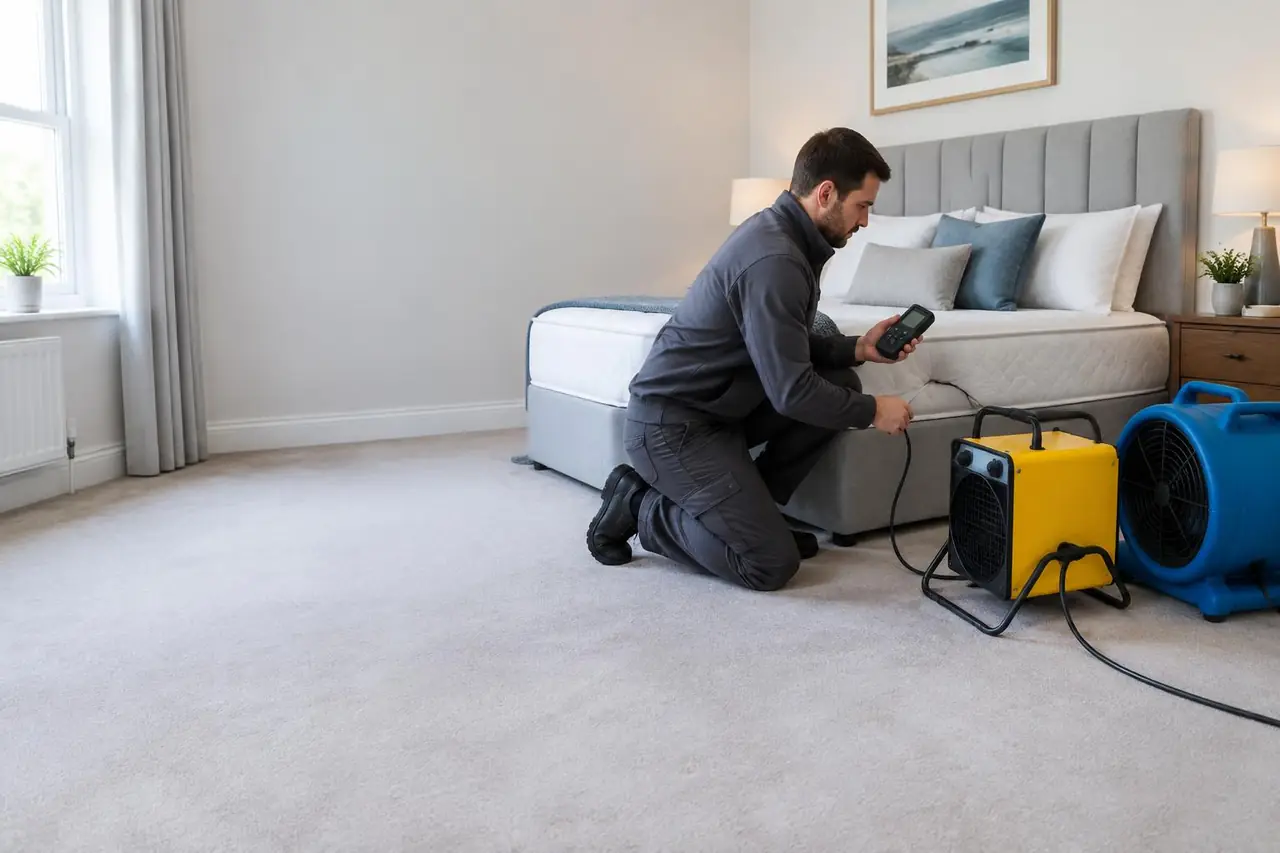
Professional heat treatment involves raising the temperature of an infested room to a level that is lethal to bed bugs at every stage of their life cycle, including the resilient eggs. Mobile heating units and high-volume fans are used to circulate hot air, ensuring that every corner of the room, including the interior of furniture and wall voids, reaches the required target temperature.
The process is carefully monitored using thermal imaging cameras to help ensure the heat is maintained at a level that kills the pests without causing damage to the property or its contents. This method is highly effective because it relies on physics rather than chemistry; by heating the entire environment, there is nowhere for the insects to hide that remains at a safe temperature.
Unlike chemical treatments, which may require multiple visits over several weeks to account for newly hatched eggs, heat treatment is often successful in a single session. This provides immediate relief for the household and avoids the prolonged exposure to pesticides that some people find concerning. It is a modern, efficient, and scientifically backed solution for difficult infestations.
Preparation and Safety Protocols
To ensure a successful heat treatment, a certain amount of preparation is required from the homeowner. This preparation ensures that the hot air can circulate effectively and that sensitive items are protected from the elevated temperatures. We provide a comprehensive guide to help customers get their property ready for the treatment day.
It is essential that readers follow the official preparation checklist available on our website rather than attempting to guess what needs to be moved. Proper preparation is a collaborative effort that significantly enhances the efficacy of the thermal process, ensuring that the heat reaches the deepest harborages where bed bugs might be concealed.
Safety is a paramount consideration during this process. Professional technicians manage the equipment to maintain a controlled environment throughout the day. By choosing a chemical-free approach, residents can typically return to their homes shortly after the treatment is completed and the property has cooled down, without the lingering odours or residues associated with traditional fumigation.
Related practical reading: How professional bed bug heat treatment works
The Importance of Professional Expertise
While there are many DIY products marketed for bed bug control, they rarely provide a long-term solution for an established infestation. Bed bugs are among the most difficult pests to eradicate due to their cryptic nature and rapid breeding. A professional service brings specialised equipment and years of practical experience that a domestic vacuum or store-bought spray simply cannot match.
A professional technician can identify the extent of the problem and tailor a strategy that suits the specific layout of the property. They understand the thermodynamics required to ensure a 'kill zone' is established and maintained. This expertise is particularly important in terrace houses or flats where the risk of the infestation moving between properties is high.
For those in England and Wales, Bed Bug Heat Control UK offers a focused, family-run service dedicated specifically to this problem. Our team is available from 7am to 10pm daily on freephone 0800 274 0156. Seeking professional help early can save significant time, money, and stress compared to struggling with ineffective self-treatment methods over several months.
Moving Forward with Confidence
Accepting that bed bugs will not go away on their own is the first step toward a pest-free home. While the discovery of an infestation is understandably distressing, modern heat treatment technology provides a clear and effective path forward. By addressing the problem directly with thermal energy, you can eradicate the colony without relying on persistent synthetic chemicals.
Once a property has been successfully treated, maintaining vigilance is key. Regular inspections of luggage after travelling and being cautious about bringing second-hand furniture into the home can help prevent future introductions. However, if you do find yourself facing a recurrence, remember that a rapid response is the best way to prevent the population from becoming established.
If you are currently struggling with bites or have spotted signs of activity, do not wait for the problem to resolve itself. Contact a professional for an assessment to determine the best course of action. With the right approach, bed bugs can be removed effectively, allowing you to return to a comfortable and peaceful living environment once again.
Sources & further guidance
General information, not a diagnosis, medical advice or legal advice. Research and US EPA references provide technical background, not UK law, and do not endorse our company. Your property assessment and the team’s written preparation instructions take priority.