Understanding the survival capabilities of the common bed bug (Cimex lectularius) is fundamental for any homeowner in England or Wales facing a potential infestation. These insects are biologically engineered for endurance, possessing a unique metabolism that allows them to thrive even in the most inhospitable conditions. One of the most persistent myths in pest control is that an infestation can be managed by simply vacating a property to 'starve' the insects out. In reality, bed bugs have evolved to withstand remarkably long periods without a blood meal. This guide explores the scientific reality of their survival windows, the role of temperature in their metabolic rate, and why professional intervention using heat technology is often the most effective way to address such a resilient species.
The Biological Resilience of Bed Bugs
Bed bugs are mandatory haematophagous insects, meaning they rely entirely on blood for their nutritional requirements and to facilitate their growth cycles. Despite this reliance, they are not fragile creatures that perish quickly when a host is absent. Their bodies are designed to conserve energy and moisture, allowing them to enter a state of reduced activity when food is scarce. This evolutionary trait has allowed them to survive for thousands of years in close proximity to human settlements, adapting to various environmental stressors along the way.
In a typical domestic environment with a consistent host presence, an adult bed bug will usually seek a meal every five to ten days. However, this frequency is a matter of opportunity rather than strict necessity. If a host becomes unavailable, the insect does not immediately begin to decline. Instead, it remains in a harborage site, such as a mattress seam or skirting board crack, waitng for the vibration, heat, or carbon dioxide signals that indicate a host has returned to the vicinity.
The ability to survive without food is significantly influenced by the life stage of the insect. While adults are the most resilient, even newly hatched nymphs possess a surprising level of endurance. This resilience makes DIY attempts at containment extremely difficult, as the insects can simply retreat further into the structure of a building. When facing such a biologically robust pest, a professional assessment is often required to determine the full extent of the population and its likely survival capacity within the property.
Can You Starve Bed Bugs by Leaving Home?
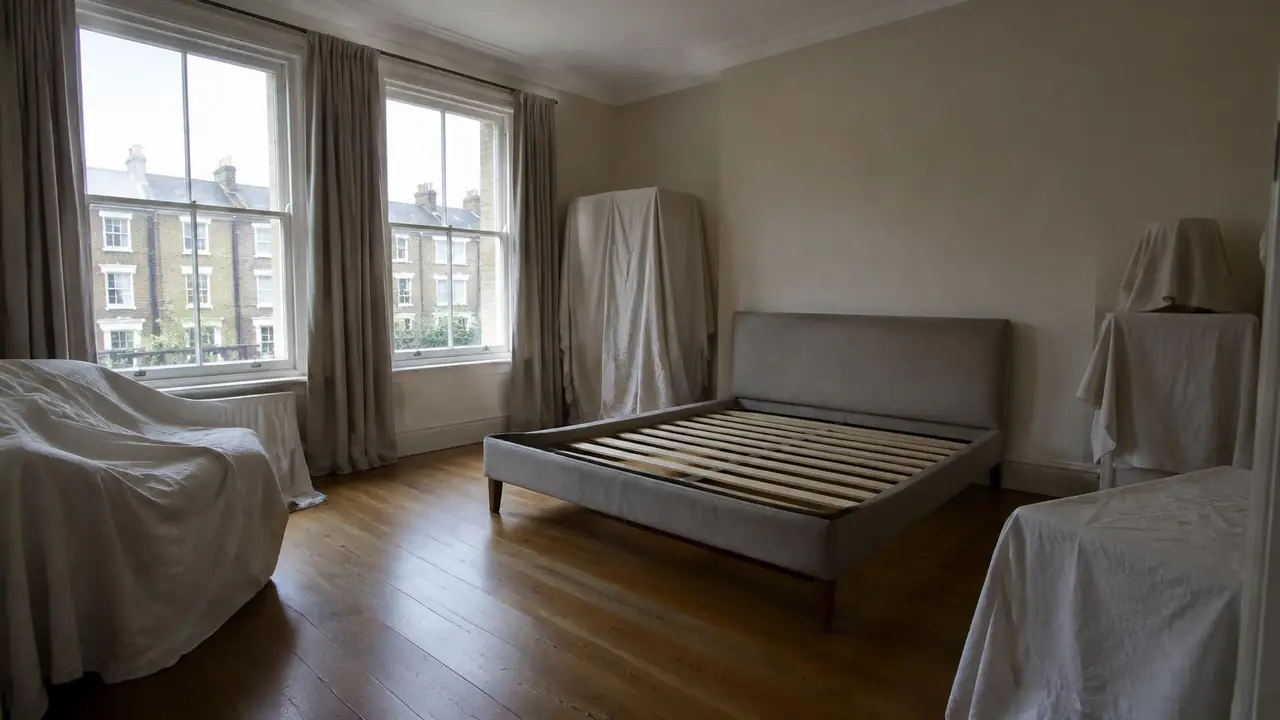
A common reaction to discovering bed bugs is to move out of the bedroom or vacate the property entirely for a few weeks, hoping the insects will die off. Unfortunately, this strategy is almost always unsuccessful and can sometimes exacerbate the problem. Because bed bugs can detect carbon dioxide from several metres away, they may begin to migrate through wall voids or under doors to find a host in another room, effectively spreading the infestation throughout the entire house.
Research indicates that in average room temperatures, adult bed bugs can easily survive for several months without feeding. In some controlled laboratory conditions, they have been observed to live for over a year without a blood meal, although this is less common in real-world residential settings. Nevertheless, the window of time required to truly starve a population is far longer than most people can realistically keep a property empty, making starvation an impractical control method for homeowners.
Furthermore, bed bugs are experts at hitchhiking. If you move to a different room or a different property to escape them, there is a high probability that a few individuals or eggs will be transported in your clothing or luggage. This leads to the establishment of new colonies elsewhere. Rather than attempting to avoid the pests, it is more effective to seek a professional solution that addresses the insects where they are currently hiding using targeted heat technology.
Metabolism and the Impact of Temperature
The metabolic rate of a bed bug is intrinsically linked to the ambient temperature of its environment. As cold-blooded organisms, their internal processes slow down significantly when temperatures drop. In cooler environments, such as an unheated spare room during a British winter, their energy consumption decreases, which actually extends their ability to survive without food. This is why infestations in holiday cottages or guest rooms can persist even when the property has been vacant for an entire season.
Conversely, as temperatures rise, the bed bug's metabolism accelerates. They require more frequent blood meals to sustain their energy levels and to fuel their reproductive cycles. However, this relationship with heat has a critical tipping point. While moderate warmth encourages activity, extreme heat is lethal. This vulnerability is the cornerstone of professional heat treatment, which elevates the temperature of a room to a level that the insect's biology simply cannot withstand, regardless of its nutritional state.
By using specialised heaters and thermal imaging cameras, professionals can ensure that every corner of a room reaches the required thermal threshold. This method bypasses the insect's natural resilience to starvation by targeting their physiological limits. While they can survive months without blood, they cannot survive even a few minutes at the specific high temperatures used in controlled heat treatments. This makes thermal remediation a highly effective choice for rapid eradication in both residential and commercial settings.
Continue the topic: Will bed bugs go away on their own?
The Life Cycle and Nutritional Requirements
To understand why starvation is so difficult, one must look at the five nymphal stages of a bed bug's development. At each stage, known as an instar, the nymph must consume at least one full blood meal to moult and progress to the next phase of its life. Without this meal, the insect cannot grow or reach sexual maturity. This might sound like a weakness, but the reality is that nymphs can survive for weeks or even months between these developmental milestones.
The transition from egg to reproductive adult can happen in as little as five weeks under ideal conditions. If food is scarce, this process simply pauses. The population doesn't necessarily shrink; it just waits. This capacity for 'stasis' means that a house that appears clear of activity might still harbour a dormant population of nymphs waiting for the return of a consistent food source, leading to a resurgence weeks after the residents return.
Adult females also require regular meals to produce eggs. A single well-fed female can lay several eggs a day, leading to exponential population growth. If she is deprived of food, egg production will stop, but she will remain alive and capable of resuming reproduction the moment a host becomes available. This highlights why a comprehensive treatment plan must address the entire population simultaneously, rather than relying on gradual methods that the insects can outlast.
Why Chemical Resistance Changes the Game
In recent decades, bed bugs have developed significant resistance to many of the traditional pesticides available on the market. This resistance is often both physiological—where the insect develops a thicker cuticle to block the toxin—and biochemical—where they produce enzymes to neutralise the chemicals. When a population is resistant, even direct contact with certain chemicals might not result in a kill, allowing the survivors to continue their long-term survival strategies.
This resistance makes the 'waiting game' even more dangerous. If a homeowner applies a DIY spray that doesn't work, the surviving bugs may move deeper into the structure of the building to avoid the repellent nature of the chemicals. Once hidden, they can use their ability to survive without food to wait until the chemical residues have degraded. This often leads to a cycle of failed treatments and increasing frustration for the occupants of the property.
Heat treatment offers a distinct advantage in this regard because it is a physical mode of action rather than a chemical one. There is no known biological resistance to the high temperatures used by professional heat treatment services. The heat penetrates deep into furniture, floorboards, and wall cavities where insects may be hiding in a dormant state. This ensures that even the most 'patient' or resistant bed bugs are reached and eliminated in a single process.
The Role of Harborage in Long-Term Survival
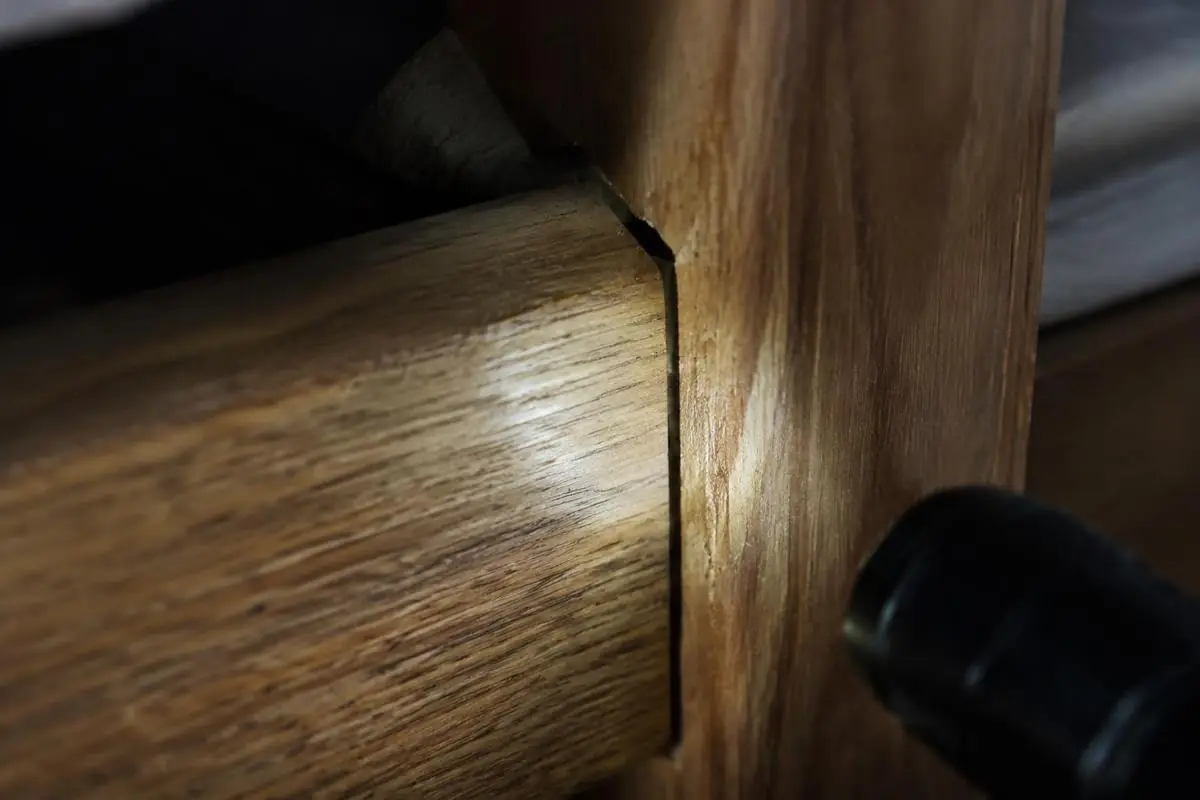
The physical structure of a home provides countless 'harborage' sites where bed bugs can hide undisturbed for months. These insects are thigmotactic, meaning they prefer to be in tight spaces where their bodies are in contact with surfaces on both sides. Cracks in bed frames, the interior of electrical sockets, and the space behind wallpaper are all ideal locations for them to conserve moisture and energy while waiting for a host.
Because they are so small and flat, they can fit into gaps the thickness of a credit card. In these micro-environments, they are protected from environmental fluctuations and many surface-level cleaning efforts. Their ability to remain stationary in these spots for extended periods is a primary reason why they are often missed during casual inspections. A professional assessment is frequently necessary to identify these hidden hotspots and determine the best course of action.
When preparing for a professional visit, it is vital to follow the specific guidelines provided. To ensure the best results, readers should follow the official preparation checklist on the website. This helps to ensure that the heat can circulate effectively and reach the insects in their deep harborage points. Proper preparation is the bridge between the insect's natural survival tactics and the successful application of thermal eradication technology.
For a property-specific assessment, see our bed bug heat treatment in Cumbria. Share your postcode and property details so the team can confirm coverage and availability.
Modern Detection Technology and Thermal Imaging
Given their ability to survive in hiding without eating, detecting bed bugs before the population explodes is a major challenge. Modern professional services now utilise advanced technology to monitor infestations. This includes thermal imaging cameras that show surface temperature differences during a treatment. This ensures that the entire space reaches the 'kill zone' and that no cold spots remain where bugs could survive.
Traditional inspections rely on visual cues like blood spots, cast skins, or the insects themselves. However, a bug that hasn't eaten in months will be very thin and translucent, making it even harder to spot against dark furniture or within crevices. Technology helps bridge this gap by focusing on the environmental conditions required to eliminate them, rather than just relying on finding every individual insect by eye.
For commercial properties like hotels or hostels, where turnover is high and the risk of introduction is constant, proactive monitoring is essential. Since bed bugs can wait out periods of room vacancy, a room might seem clear to a housekeeper but actually contain dormant pests. Professional heat treatment provides a way to reset these environments quickly, ensuring that guests are not exposed to the remnants of a long-standing but hidden population.
Comparing Heat Treatment to Traditional Methods
Traditional pest control often involves multiple visits over several weeks, using a combination of sprays and powders. The goal is to leave a residue that kills the bugs when they eventually emerge to feed. However, as we have established, bed bugs can be incredibly patient. If they do not emerge while the chemical is at its most potent, the treatment may fail. This lead to a prolonged period of stress for the residents.
Heat treatment is fundamentally different because it is designed to be a one-day intervention. By raising the temperature of the entire affected area, the professional team creates an environment where survival is impossible. There is no need to wait for the bugs to come to a bait or cross a chemical barrier; the treatment goes to them. This is particularly beneficial for those who want to avoid the use of synthetic chemicals in their living spaces.
Furthermore, heat is effective against all life stages, including the eggs. Many chemical treatments struggle to penetrate the protective casing of a bed bug egg, meaning a second or third visit is required to catch the nymphs as they hatch. Heat provides a comprehensive solution that addresses the eggs, the nymphs, and the long-lived adults in one go. This efficiency is why thermal remediation has become a preferred choice for many across England and Wales.
Related practical reading: Bed bug eggs and life stages: why an inspection needs detail
Maintaining a Bed Bug Free Environment
After a successful heat treatment, the immediate threat is removed. However, because bed bugs are such effective travellers, there is always a risk of reintroduction from outside sources. Understanding their survival traits can help you stay vigilant. For example, knowing that they can survive for months without food should make you cautious about bringing second-hand furniture or 'vintage' items into your home without a thorough inspection.
General cleanliness, while not a preventative measure against bed bugs themselves (as they are attracted to blood, not dirt), can make it easier to spot signs of their return. Reducing clutter limits the number of places they can hide and wait. Regular vacuuming and checking mattress seams during linen changes are good habits that can catch a new introduction before it has the chance to become a deep-seated infestation.
If you suspect that bed bugs have returned, or if you are concerned about a potential exposure after travelling, seeking a professional assessment early is the best way to prevent a repeat of the problem. Expert technicians can provide advice tailored to your specific property and help you understand the risks associated with different types of buildings, from terraced houses to large apartment blocks.
Professional Support Across England and Wales
Dealing with a pest that can survive for a year without food is a daunting prospect for any homeowner. The psychological toll of an infestation is often as significant as the physical one. This is why Bed Bug Heat Control UK operates a dedicated service 7am to 10pm daily, providing expert advice and chemical-free solutions to residents and business owners throughout England and Wales.
Our approach focuses on the biology of the pest, using the most effective physical tool available: controlled heat. By removing the need for repeated chemical applications and focusing on a thorough, single-visit solution, we help our clients reclaim their homes quickly. Our team is experienced in handling everything from small domestic bedrooms to large-scale commercial hospitality environments with discretion and professional care.
If you are concerned about bed bugs or have discovered signs of an infestation, do not wait for them to go away on their own. As the science shows, they are more than capable of outwaiting you. Contact our team on freephone 0800 274 0156 for a professional assessment. We can guide you through the process, provide you with the necessary preparation information, and help you implement a thermal treatment plan that works.
Sources & further guidance
General information, not a diagnosis, medical advice or legal advice. Research and US EPA references provide technical background, not UK law, and do not endorse our company. Your property assessment and the team’s written preparation instructions take priority.